Bodegas Fariña
- 01CityToro, Spain
- Falstaff Winery - 2 Stars · 2026
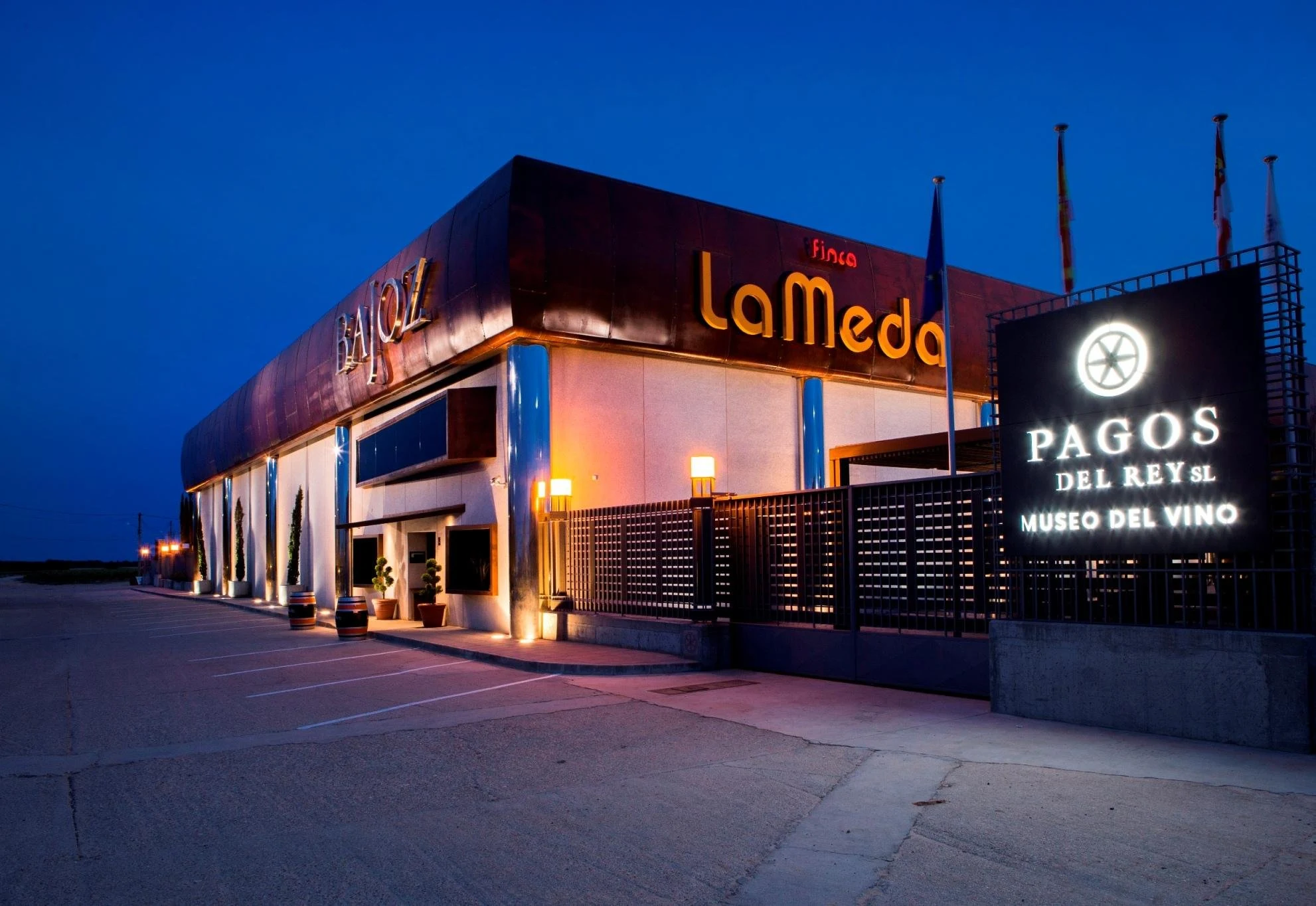
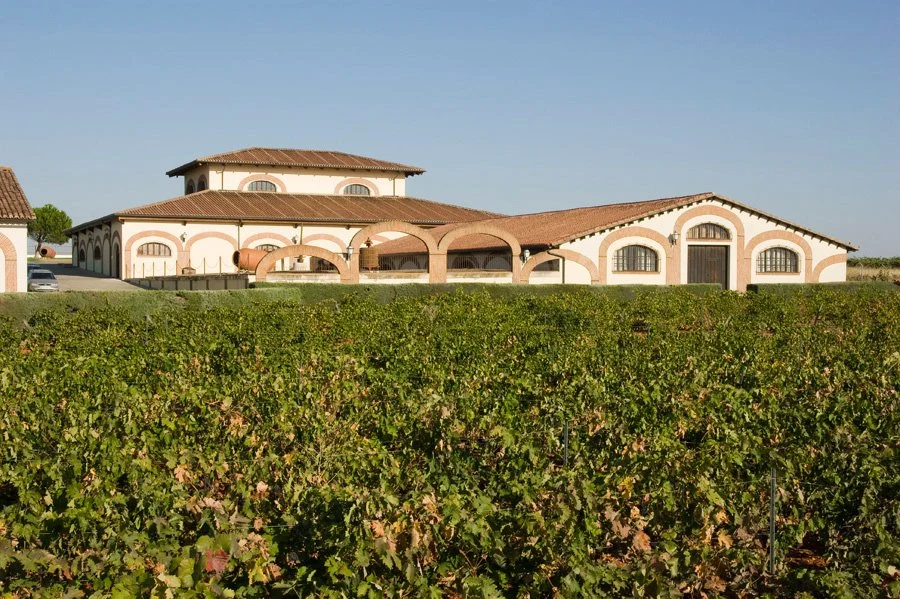
Entering Bodegas Fariña, the first read is not a polished tasting salon but a family-run working winery with a didactic, cultural feel. The impression comes less from luxury staging and more from the sense that the visit is rooted in a place where wine is actually made. The experience centers on movement through production areas and a large barrel cellar before entering a playful Wine-Art Museum, where contemporary paintings, old machinery, hanging vines, flying barrels and warm lighting give the visit a visual frame. That combination matters: the practical winery spaces establish the substance, while the museum elements make the information easier to absorb and remember.
For travelers in Toro, the confirmed appeal is the combination of winery production areas and museum elements. Bodegas Fariña uses its production setting and Wine-Art Museum to make the visit feel educational and cultural, rather than only transactional or tasting-focused. It is a venue where the setting does much of the explaining, because guests are not simply told about wine culture in abstraction; they are moved through spaces and objects that make the process and its heritage visible. The confirmed cost level is $15 per person, a clear and approachable reference point for planning.
A working winery presented with a cultural frame
The strongest reason to come is the way the visit connects active winery spaces with an interpretive museum setting. The route moves through production areas and a large barrel cellar, so the experience has a working-winery foundation rather than feeling like a detached exhibition. That foundation is important because it gives the visit a sense of sequence and purpose: production areas introduce the functional side of the winery, while the barrel cellar adds scale, texture and a more atmospheric view of how the site is organized around wine.
Because the winery is presented with a family-run, didactic tone, the emphasis is on making the place understandable. The visit is not described as an exclusive or highly formal salon experience; its appeal is more grounded. Guests who like to see the context around a glass of wine will find the structure useful, since the production spaces provide a real-world anchor before the more imaginative museum section appears. In that sense, the winery and museum are not separate ideas placed side by side. They work together, with the practical areas giving credibility and the cultural frame giving shape and memory to the visit.
The Wine-Art Museum adds the more playful layer: contemporary paintings, old machinery, hanging vines, flying barrels and warm light. Those details give guests context and atmosphere alongside the cellar infrastructure. The contrast between old machinery and contemporary paintings is especially useful as a framing device, because it places wine culture between heritage and interpretation without needing to turn the visit into a dry technical explanation. The hanging vines, flying barrels and lighting add a visual rhythm that makes the museum component feel more immersive than a simple display of objects.
The Wine-Art Museum makes the visit stick
Museum component gives Bodegas Fariña a clear cultural element within a Toro itinerary. It frames wine culture through images, objects and installation-like details, making the experience cultural as well as practical. For many visitors, that is what makes the stop memorable: production areas explain the working side of the winery, while the museum provides a set of images and spaces that linger after the practical explanations have passed. The result is still a winery visit, but one with a broader interpretive texture.
The contemporary paintings, old machinery and staged visual details help translate wine into something visitors can read through both material culture and atmosphere. Rather than relying only on technical language, the museum gives the experience a visual vocabulary. The machinery points back to work and process; the paintings and playful installations give the setting a more expressive quality. Warm lighting softens the cellar and museum environment, supporting the approachable tone that defines the venue.
Tone is family-run, didactic and approachable. It is a fit for visitors who prefer a clear, educational winery visit over a more formal tasting-room description. The didactic character should not be read as stiff; here it comes through as a desire to explain the winery and its culture in ways that are accessible. The family-run feel also keeps the experience from becoming impersonal. It suggests a venue where the visit is built around welcome, interpretation and a readable connection to place.
How to place it within a Toro itinerary
Bodegas Fariña works as a direct winery stop in Toro for travelers who want to see production areas, a large barrel cellar and a Wine-Art Museum in one visit. The price level is $15 per person, which makes it easy to understand as an accessible cultural-winery experience. It is best understood as a stop for visitors who want more than a quick glass but do not need the atmosphere to be overly formal. The value is in the combination: working winery context, cellar scale, and a museum section with a distinct visual personality.
Within a Toro itinerary, the venue functions well as a structured wine-culture anchor. It gives travelers a concrete way to engage with local wine production while also offering a museum component that broadens the stop beyond the strictly functional. Because the confirmed elements are direct, it is easy to position: come for the working winery setting, the large barrel cellar and the Wine-Art Museum, and expect a family-run, educational tone rather than a detached exhibition or a polished tasting salon.
Use it as a Toro anchor before considering other dining and wine-related options in the city generically. The confirmed details for Bodegas Fariña are the Toro location, the $15 per-person price level, and the family-run working-winery setting with a didactic, cultural feel. Those are enough to define its role clearly: it is a practical and cultural introduction to wine in Toro, shaped by production spaces, cellar atmosphere and a museum that makes the visit more visually engaging.
Questions
Frequently asked
How expensive is Bodegas Fariña?
Bodegas Fariña is listed at a price level of $$.
The field
How it compares
| Place | Notes |
|---|---|
| Bodegas Fariña | Toro, $$ |
| Bodega Estancia Piedra S.L. | Toro |
| Bodega Frutos Villar S.L. | Toro |
| Bodegas Allegro con Spirito | Toro |
| Bodegas Monte la Reina | Toro |
| Finca Sobreño | Toro |
| Quinta de la Quietud | Toro |