- Falstaff Winery - 2 Stars · 2026
Bodegas Palacios Remondo in Alfaro is best understood as a historic, family-run Rioja Oriental estate with a close connection to the surrounding Yerga hills and vineyards. The mood is understated and agricultural rather than luxurious: a clean, organized, no-frills winery setting where the landscape and estate identity carry more weight than polished hospitality theatre. That distinction is important, because the venue reads less like a destination built around spectacle and more like a working estate whose meaning comes from its place in Alfaro and its vineyard environment.
For travelers reading Alfaro through wine, the appeal is not an invented checklist of amenities or a formal luxury experience. The grounded draw is simpler: a Rioja Oriental estate whose character is tied to its vineyard surroundings, its family history, and its working-winery feel. Visitors approaching it with that frame are more likely to understand the point of the stop: not as a claim to grandeur, but as a way to see how an established estate sits within the agricultural fabric of the area.
The Yerga hills frame the estate context
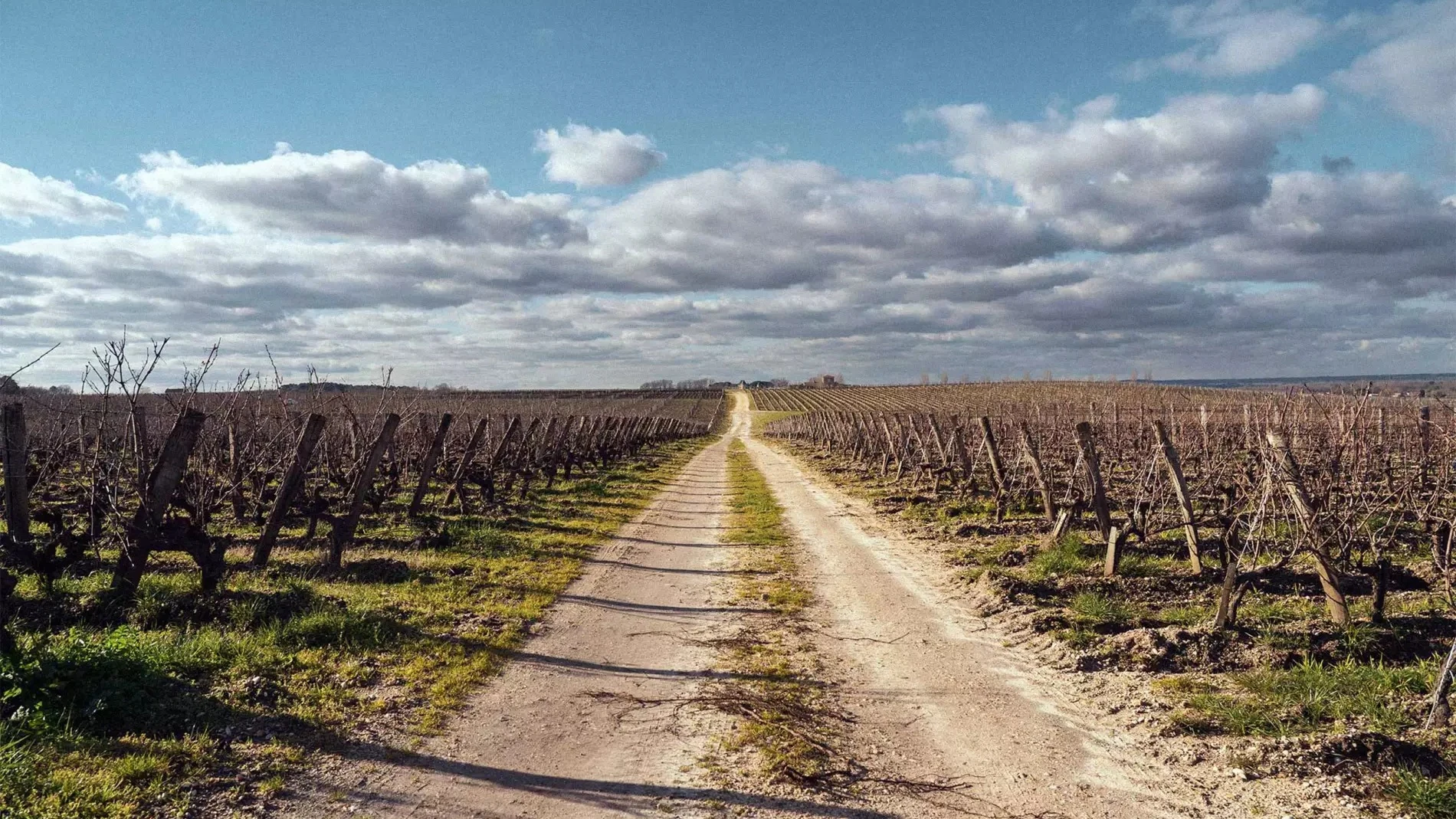
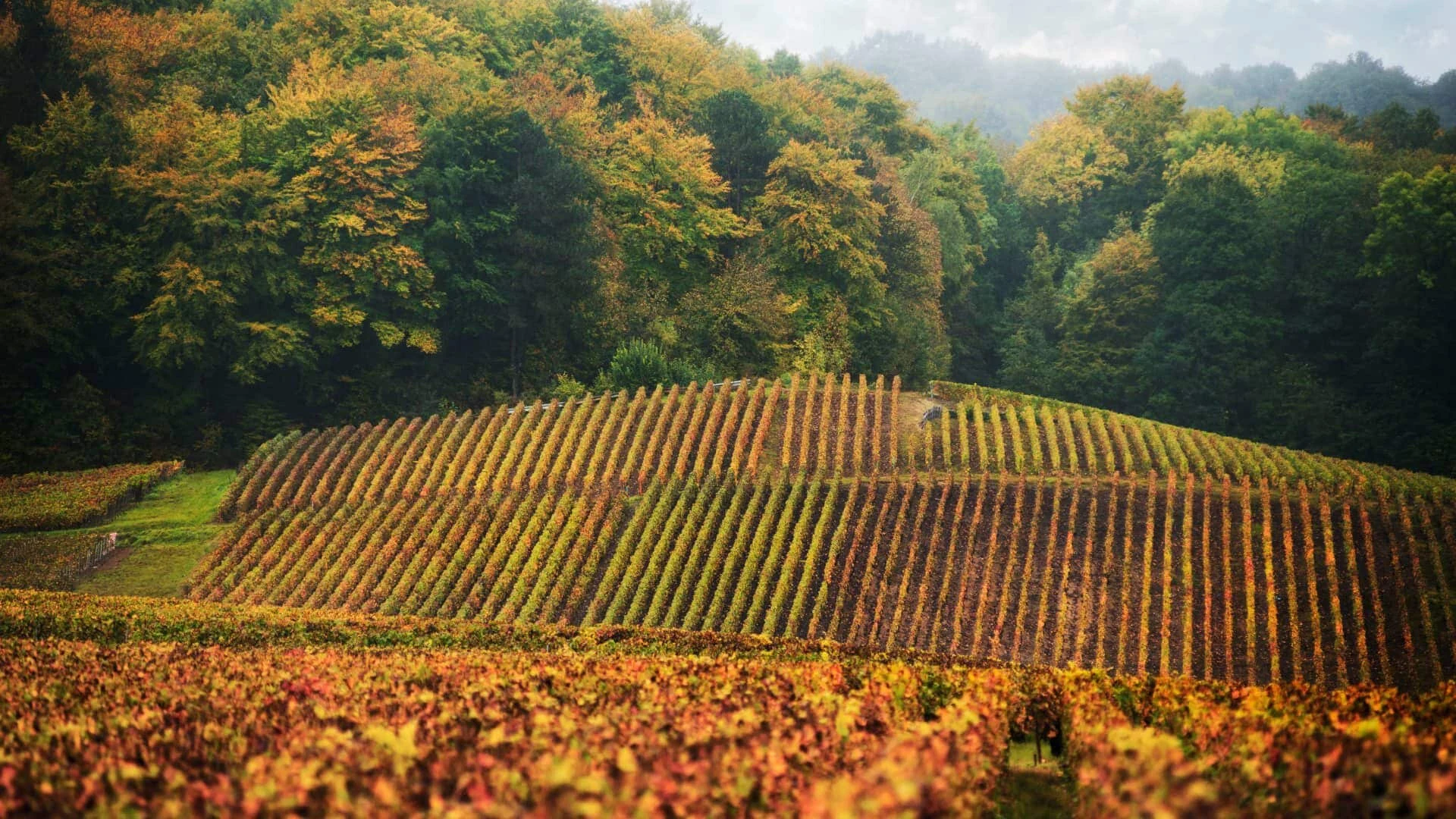
The context for Bodegas Palacios Remondo is its focus on the Yerga hills and surrounding vineyards. That connection is central to how the estate presents itself: not as a detached luxury venue, but as a place where the land around Alfaro remains part of the experience. The hills and vineyard setting give the estate its main interpretive frame, shaping how the winery should be read by visitors who care about geography, landscape and the working realities behind a wine region.
Specific claims about individual vineyard parcels, grape varieties, production methods, cellar vessels, or named wines should be treated cautiously unless confirmed directly by the estate or a current source. What can be stated here is that the venue’s identity is rooted in Rioja Oriental, Alfaro, and the agricultural landscape around the Yerga hills. Keeping the description at that level is more useful than padding the profile with uncertain detail, because the strongest confirmed character of the place is already clear: it belongs to this particular landscape, and its appeal depends on that relationship.
That makes the estate a better fit for visitors who value setting and context over elaborate hospitality claims. The impression is clean, organized and practical, with a no-frills winery feel rather than a luxury-resort atmosphere. In practical terms, that means the estate should be approached with attention to its surroundings and its role as a working winery. The experience is likely to resonate most with travelers who do not need theatrical staging to find interest in a wine stop, and who are comfortable with a quieter, more grounded kind of visit.
A family-run Rioja Oriental estate in Alfaro
Rather than leaning on unconfirmed accolades, the safer and more useful way to frame Bodegas Palacios Remondo is as a Rioja Oriental estate in Alfaro with a strong connection to its surrounding vineyards. That description may sound restrained, but it is also the most meaningful basis for understanding the venue. It places the estate in its proper regional context and avoids turning the page into a list of claims that would need separate verification.
Its premium-guide relevance comes from that grounded identity: a family estate, an agricultural setting, and a focus on the Yerga hills. Those are the details travelers can use when deciding whether the stop fits a wider Alfaro wine itinerary. For some visitors, the absence of a glossy framing will be part of the appeal. The estate’s character is not presented as detached from its rural setting; it is presented through that setting, with the family-run and working-winery aspects giving the place a quieter kind of weight.
A quiet estate context for visitors focused on place
The atmosphere is understated: historic, family-run and closely tied to the vineyards around Alfaro. Expect the idea of a working Rioja Oriental estate rather than a glossy luxury venue. The value is in the sense of place, the Yerga-hill context and the clean, organized, no-frills winery feel. This is the kind of stop where the surrounding landscape and the estate’s rootedness matter more than a long list of visitor-facing extras. For travelers who prefer wine places with a practical, agricultural character, that restraint can be a strength rather than a limitation.
For Alfaro, that matters. The town can reward travelers who are interested in how a working estate relates to its landscape. Pairing a winery visit with broader local planning makes sense, especially through Our full Alfaro wineries guide, Our full Alfaro restaurants guide, Our full Alfaro hotels guide, Our full Alfaro bars guide and Our full Alfaro experiences guide. Other dining and wine planning in Alfaro can be considered generically around the same trip. The estate works well as one piece of a broader sense of place, not as an isolated attraction separated from the wider Alfaro context.
Readers building a wider wine map should treat Bodegas Palacios Remondo as an Alfaro reference point rather than relying on comparisons. The most reliable comparison here is the estate itself: a historic, family-run Rioja Oriental winery with an understated agricultural character and a strong connection to the surrounding Yerga hills and vineyards. Seen that way, it offers a clear, grounded profile for travelers who want their Alfaro planning to be shaped by landscape, regional identity and the feeling of a working estate rather than by unsupported claims of luxury or spectacle.
Questions
Frequently asked
Who works at Bodegas Palacios Remondo?
Made By profiles Álvaro Palacios (Winemaker) at Bodegas Palacios Remondo.
How expensive is Bodegas Palacios Remondo?
Bodegas Palacios Remondo is listed at a price level of $$.
The field
How it compares
| Place | Notes | Awards |
|---|---|---|
| Bodegas Palacios Remondo | Alfaro, $$ | · |
| Bodegas Burgo Viejo | Alfaro | · |
| Château Rieussec | Fargues | · |
| Cloudy Bay Vineyards | Blenheim | World's 50 Best |
| Domaine Dujac | Morey-Saint-Denis | · |
| Penfolds Magill Estate | Magill | · |
| Ruinart | Reims | World's 50 Best |