Made ByWinery
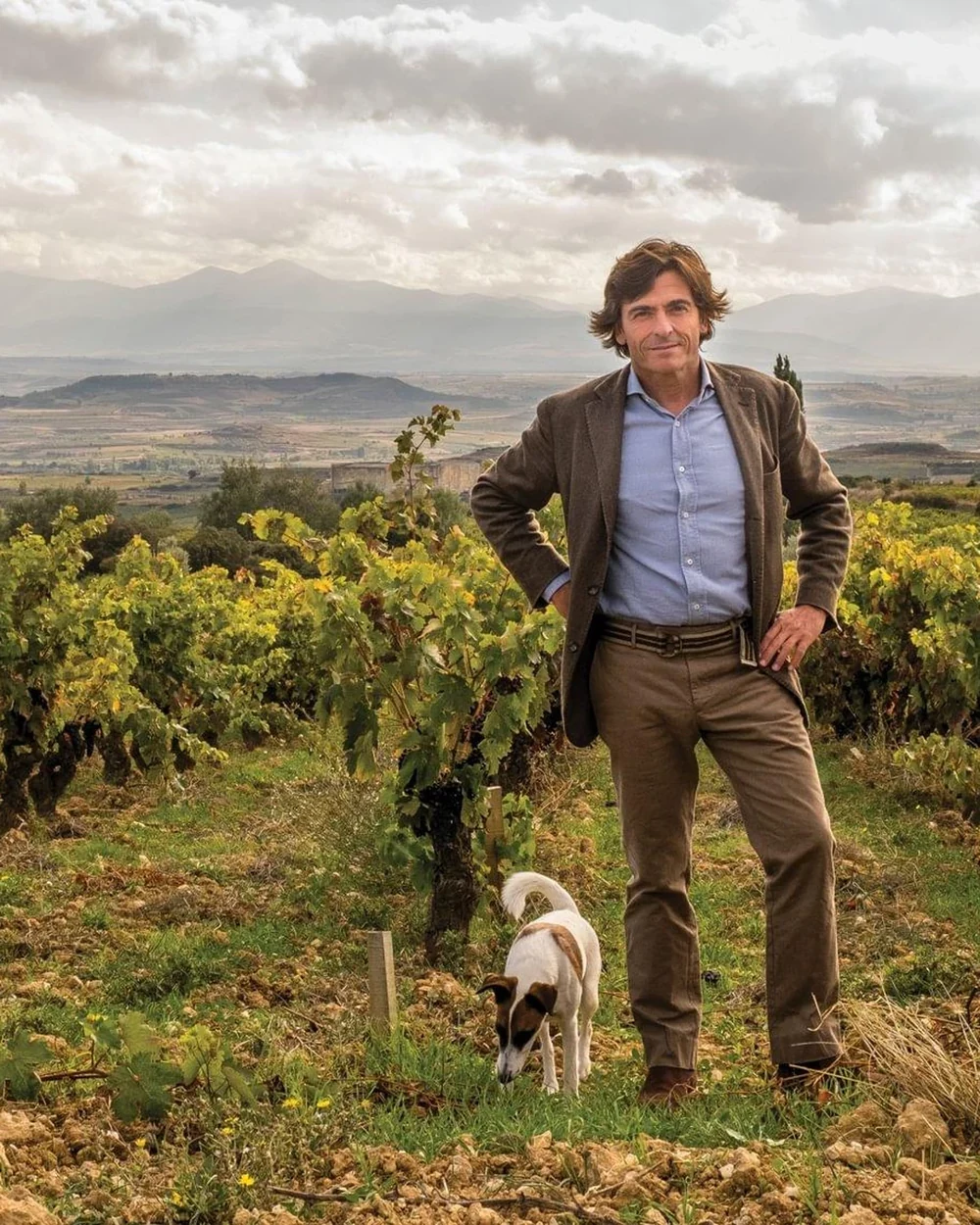
Telmo Rodríguez, winemaker at Bodegas Remelluri by Telmo Rodriguez in Retiro, gives Rioja Alavesa a restrained city-facing room.
At a glance
- Price
- $$$
- Neighborhood
- Retiro
Bush vines and an old Rioja question
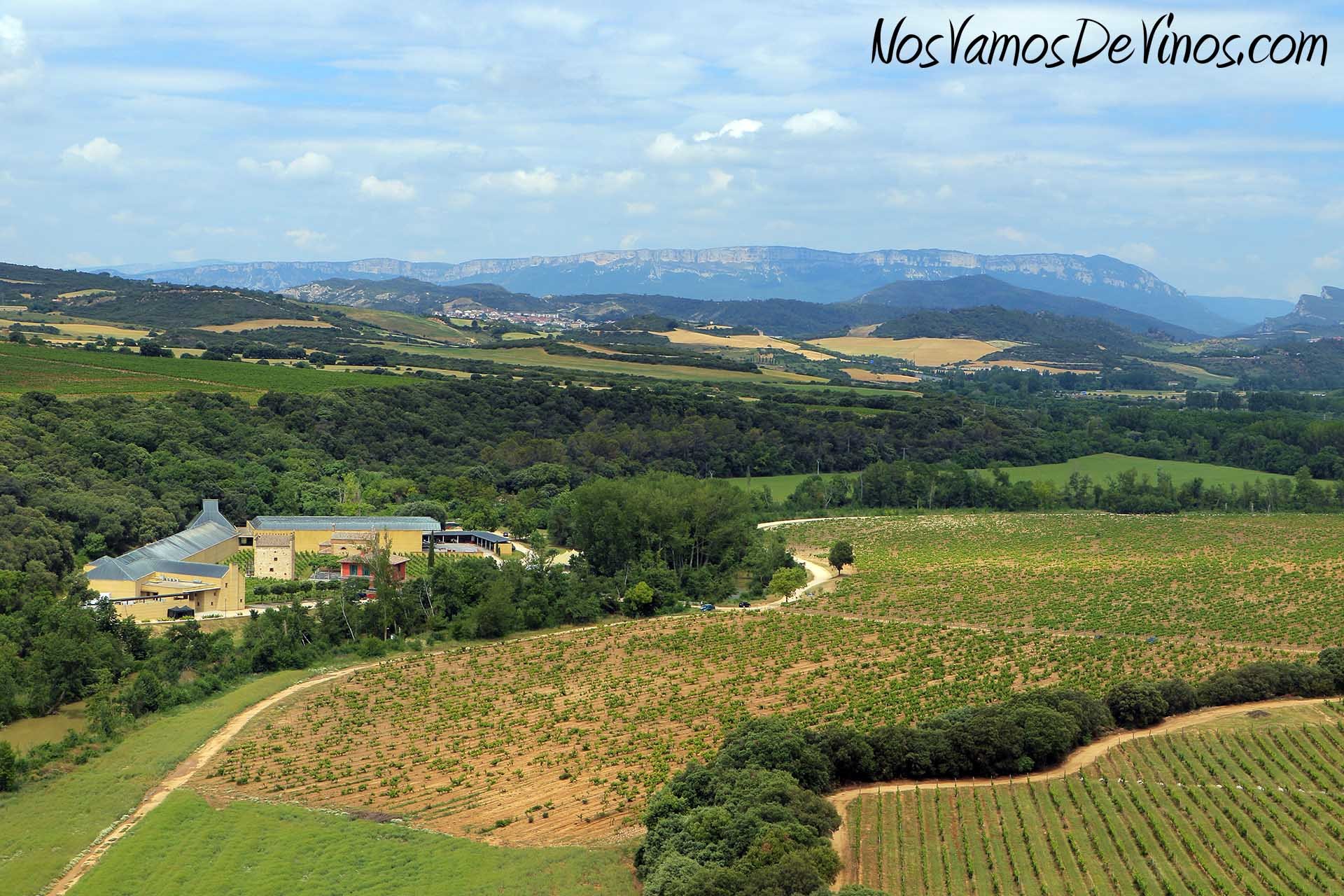
Bush vines set the rhythm for Telmo Rodríguez, winemaker at Bodegas Remelluri by Telmo Rodríguez in Retiro, Madrid. His work faces back toward the estate at the foot of the Sierra de Toloño, where Remelluri’s monastery land became a modern winery in 1968 under Jaime Rodríguez Salis and later returned to Telmo’s hands as co-leader of the estate in 2009. The Madrid address is the city-facing room for that project, not the vineyard itself, and the distinction matters. What it represents is a working argument about Rioja Alavesa: that the region’s future can be built from older taste, local varieties, inherited farming, and wines that do not need to be polished into sameness. Telmo has said, “We dream of making the best Rioja wine of the 18th century.” The sentence sits close to the method. His wider work began with the Compañía de Vinos Telmo Rodríguez in 1994, then moved into village expression at Bodega Lanzaga in 1998. At Remelluri, the same discipline is placed inside a family estate with long memory.
Over 100 parcels under one name
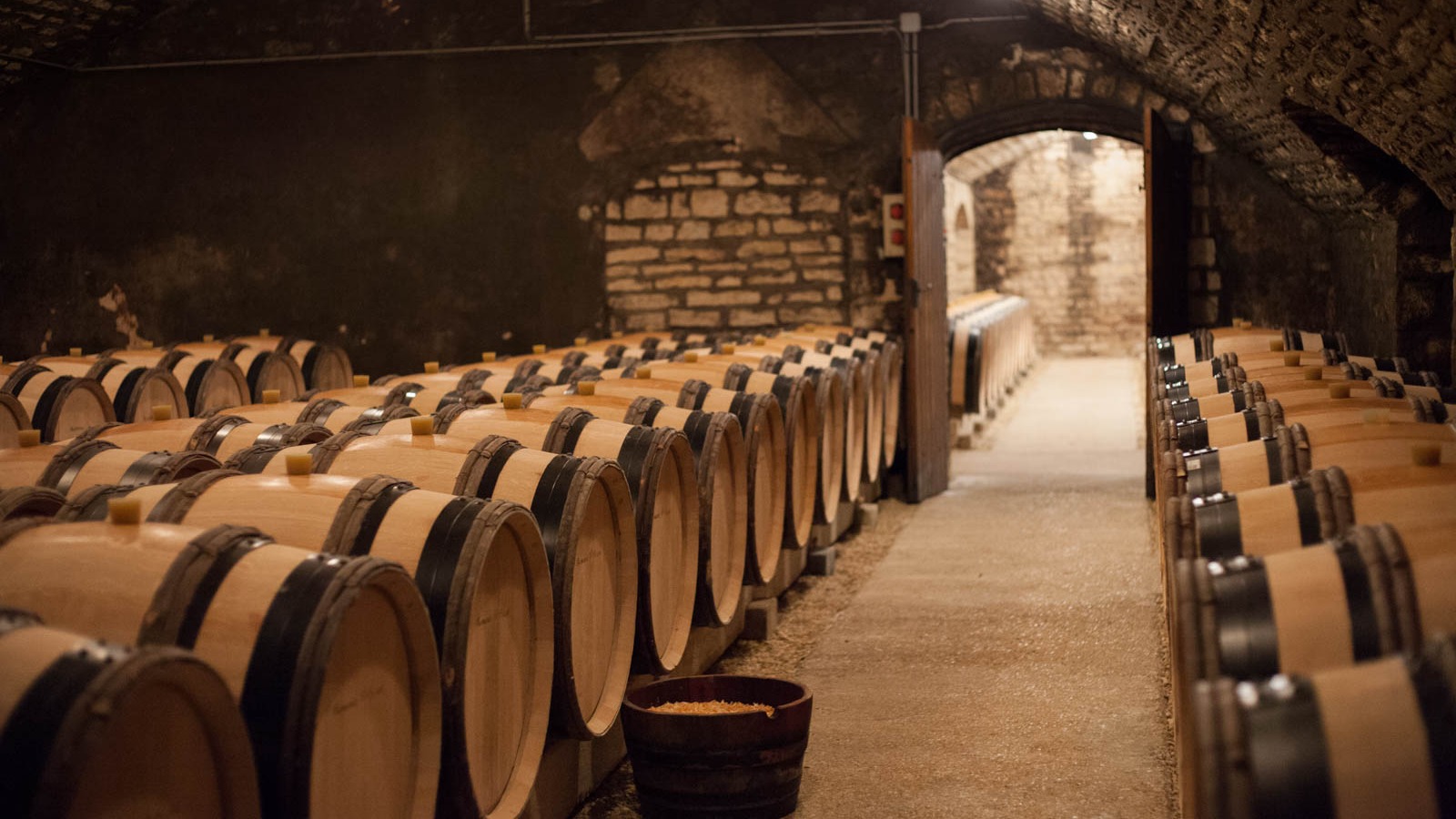
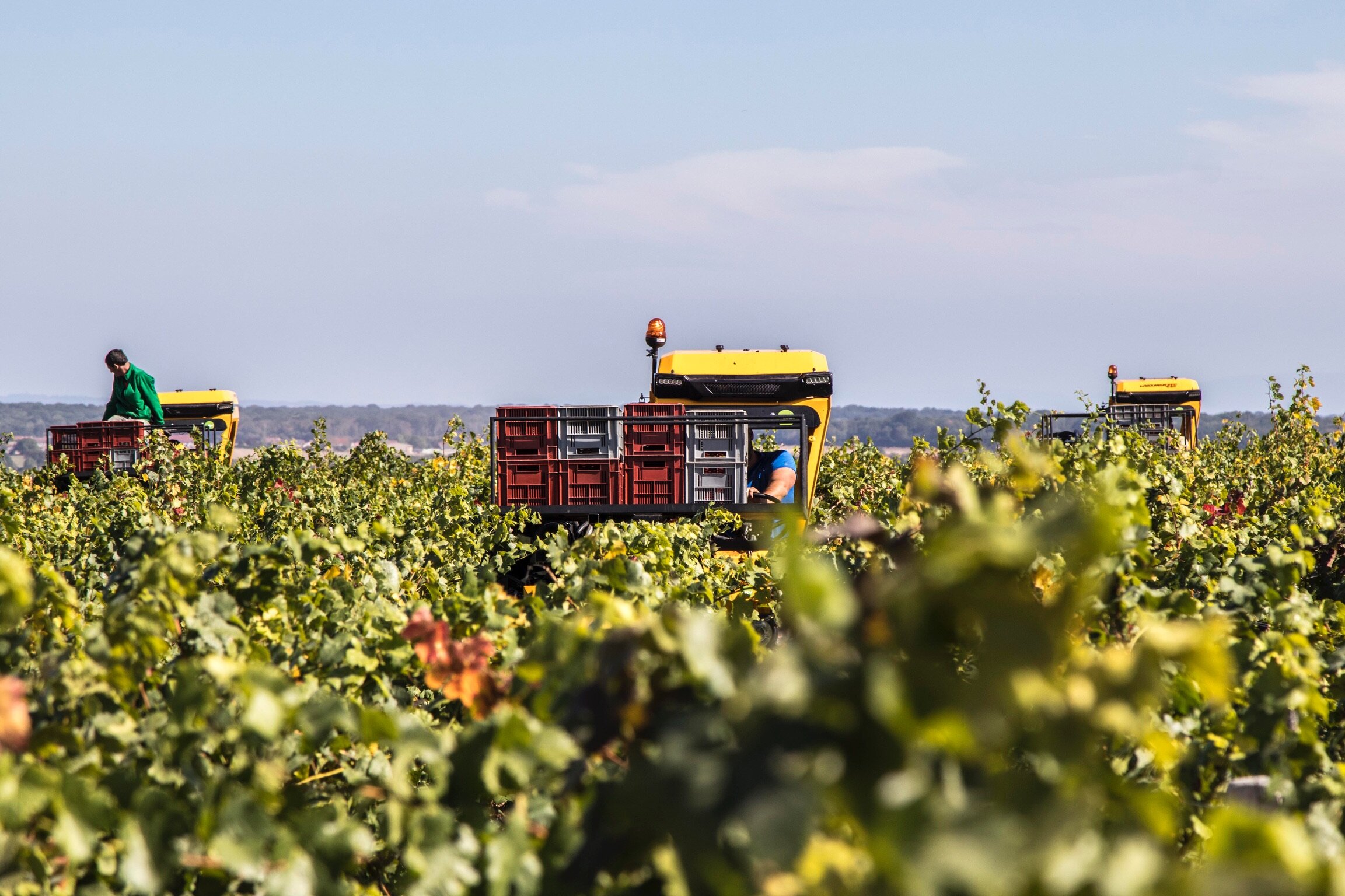
The Remelluri estate is organized around around 100 hectares of vineyards divided into over 100 parcels, a scale that asks for separation before it asks for blending. Tempranillo leads the plantings, with Garnacha tinta, Graciano, and a field blend of white varieties giving the cellar more than one register. The farming is biodynamic and organic, with bush vines carrying the work closer to the ground and closer to the climate of Rioja Alavesa. Since 2012, the estate has restricted production to its own grapes, a decision that ties each bottle more tightly to the property rather than to purchased fruit. Fermentations are described as low-intervention, using indigenous yeasts, and the wines are bottled unfiltered with minimal sulfur. Time in wood remains part of the structure: Remelluri Reserva is aged for at least three years, with one year in oak, while Granja Remelluri is aged for a minimum of five years, including two or more in oak and two or more in bottle. Lindes de Remelluri Viñedos de Labastida spends 12 months in barrels of different sizes and ages. Measurement here is not decoration. It is how the estate keeps patience visible.
The city room and the mountain estate
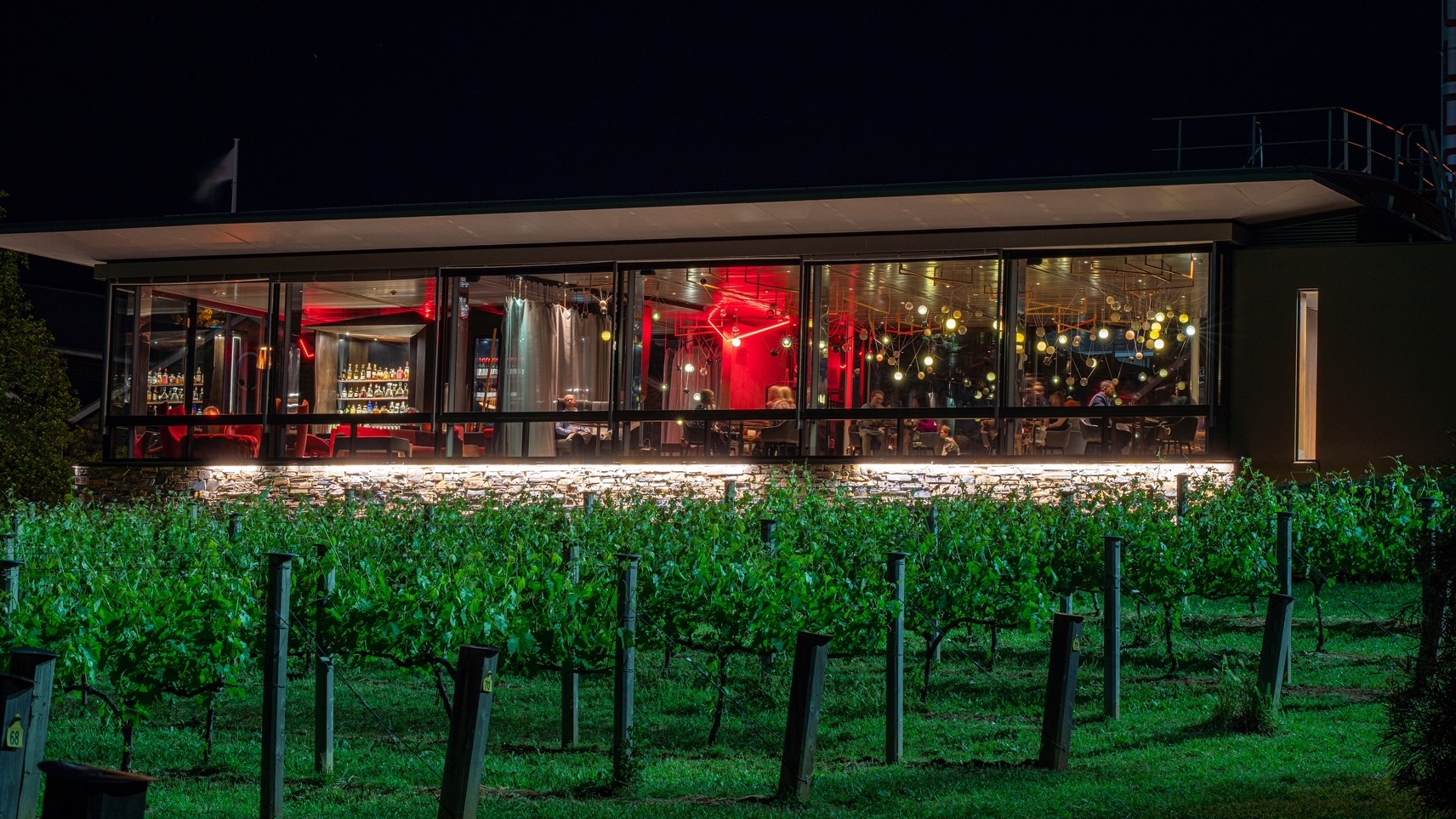
In Retiro, the room carries the quiet of a serious wine house rather than the movement of casual tourism. The tasting room points away from Madrid street life and back toward the cellar, the vineyard, and the monastery-rooted estate in Rioja Alavesa. Bottles such as Remelluri Reserva, Granja Remelluri, Lindes de Remelluri, and Remelluri Blanco give the program its range: still red, still white, and orange wines made to hold age, acidity, and site. The mood is restrained, with the attention placed on allocation, bottle age, and the differences between parcels rather than performance at the table. What happens here is representation in the literal sense, a city room speaking for clay-limestone soils, cooler mountain influence, and the long handwork of the estate.
A past kept in active use
Remelluri matters because Telmo’s role here joins two strands of his career: recovery across Spain’s older vineyards and a return to the family estate where that argument has local consequence. The broader philosophy remains consistent. Wines should transmit origin and retain individuality, not settle into a house signature that erases place. If there is a next movement to hold close, it is not a new posture but the continued sharpening of village and estate expression through the parcels of Remelluri Reserva.
Know before you go
- Reservations
- appointment_only
- Payment
- credit_card, debit_card
- Outdoor seating
- Yes
- Groups
- Welcomed
Address
Madrid, Comunidad de, Spanien
Retiro