Bodegas Vilano
- 01CityPedrosa De Duero, Spain
- Falstaff Winery - 2 Stars · 2026
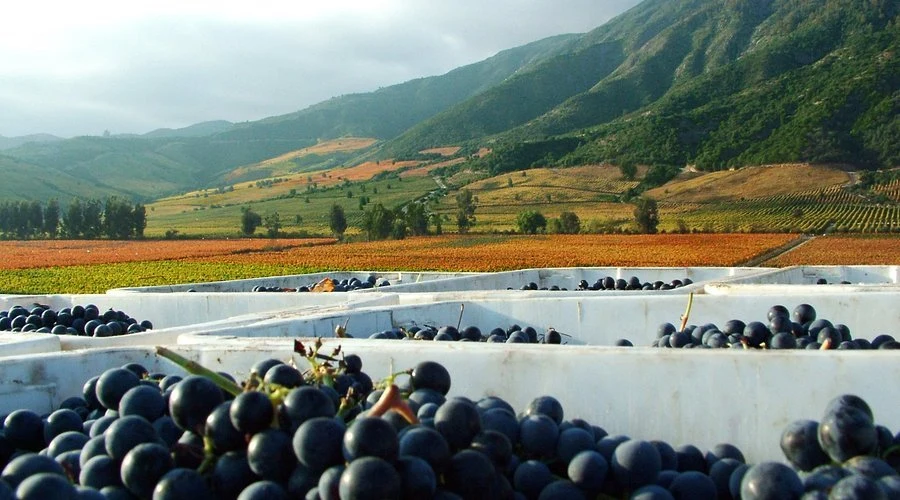
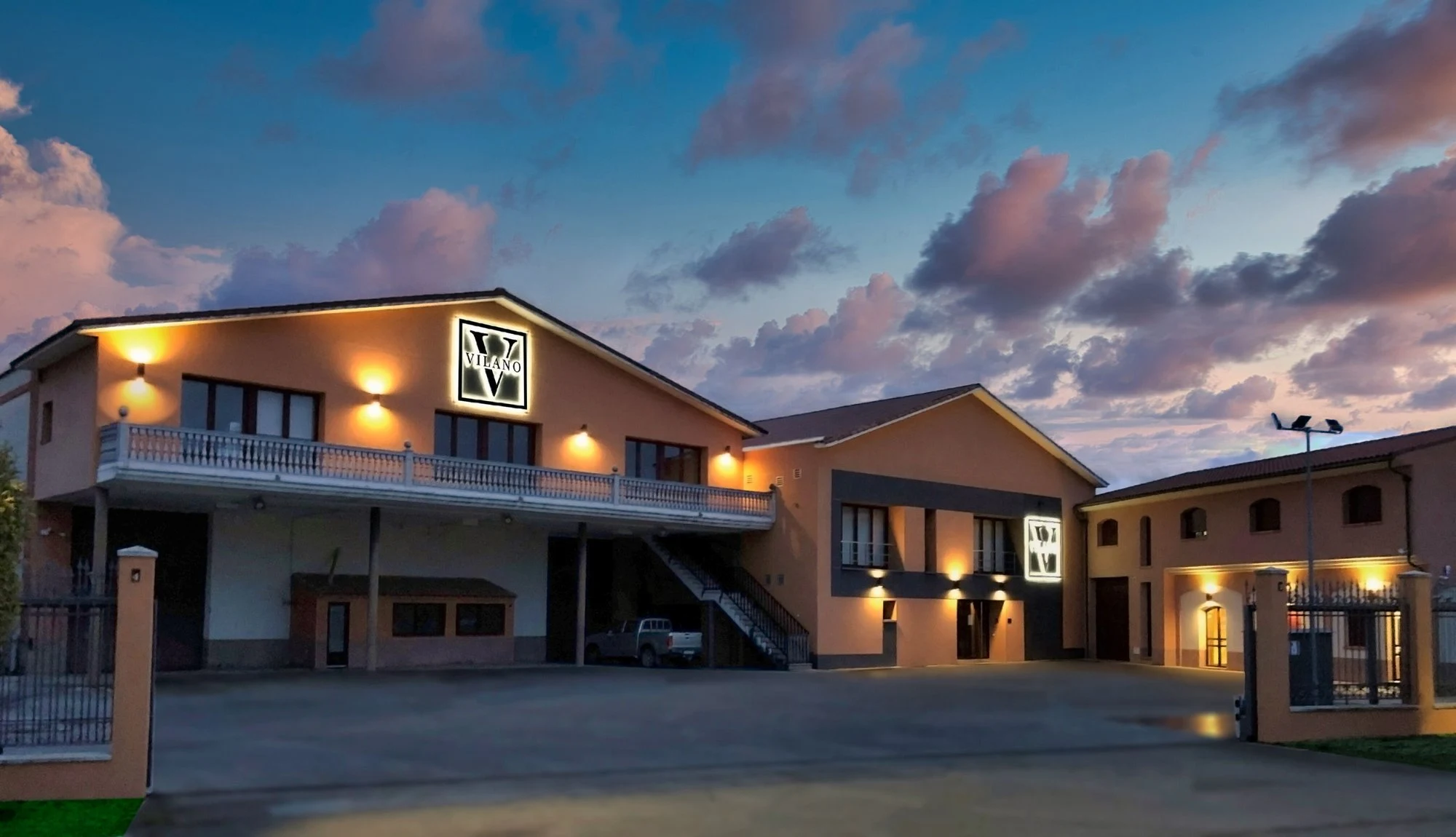
Approaching Bodegas Vilano in Pedrosa De Duero means entering a quieter, rural version of Ribera del Duero wine country: a village atmosphere shaped by red-wine heritage rather than the pace of a busier destination. The setting is part of the experience, because the winery is not presented as an isolated stop but as something embedded in its local landscape and community. Bodegas Vilano is a historic cooperative winery focused on high-quality red wines, with vineyard heritage dating back to 1917 and modern facilities supporting its present-day work.
The local context matters. Bodegas Vilano is best understood through its setting in Pedrosa De Duero: a rural cooperative rooted in local vineyard history. Its appeal is the combination of traditional heritage, modern winery infrastructure and international recognition. Taken together, those elements give the venue a clear identity: not simply a place associated with Ribera del Duero, but a place where the region’s red-wine culture can be read through cooperative continuity, village atmosphere and contemporary capacity.
Historic cooperative red-wine heritage
Cooperatives can be misunderstood by visitors trained to look only for small domaines and named winemakers. At Bodegas Vilano, the cooperative identity is central to the story: it reflects a shared wine-growing tradition in Pedrosa De Duero and a long connection to Ribera del Duero red wines. That shared character is important, because it shifts attention away from a single-person narrative and toward the broader vineyard culture of the village. The winery’s significance rests in that collective framework as much as in its facilities or reputation.
The picture is broad but clear. Bodegas Vilano is a historic Ribera del Duero cooperative winery with vineyard heritage dating back to 1917, a focus on high-quality red wines and modern facilities. Rather than framing the visit around production figures, grape details or cellar specifics, the safer way to read the winery is as a cooperative expression of Pedrosa De Duero’s red-wine heritage. The emphasis belongs on continuity: old vineyard roots, a still-active rural setting and a present-day structure capable of carrying that heritage forward.
For travellers, that makes Bodegas Vilano useful as a grounded stop in Ribera del Duero wine country. It offers a perspective on how local vineyard tradition and contemporary winery facilities can sit together within a quiet village setting. The value is not only in seeing a winery, but in understanding how a cooperative can represent a place: its history, its working culture and its ongoing relationship with red wine.
What the visit teaches about Pedrosa De Duero
Pedrosa De Duero is not a city wine stop. The atmosphere is rural and calm, with Bodegas Vilano set within the feel of a wine village rather than a busy urban district. The draw is its historic cooperative identity, its red-wine focus and its link to vineyard heritage dating back to 1917. That makes the visit especially useful for travellers who want a sense of Ribera del Duero beyond labels and headline names. Here, the village context is not background decoration; it is part of how the winery should be understood.
What can be said confidently is that Bodegas Vilano represents a quiet rural Ribera del Duero winery experience with modern facilities and international recognition. The balance is the point. It is not described only as historic, and it is not described only as modern. Its character comes from the meeting of those two ideas: a cooperative with deep local vineyard roots, operating with contemporary infrastructure and carrying recognition beyond its immediate village setting.
For a tighter look at Pedrosa De Duero, nearby planning can focus on Bodegas Vilano and other local dining in Pedrosa De Duero generically. That kind of planning keeps the itinerary anchored in the village rather than turning the stop into a rushed detour. Bodegas Vilano can serve as the central wine reference, while the surrounding meal planning can remain simple and local without requiring unsupported claims about specific restaurants or menus.
Where it fits in a wider Spanish wine itinerary
Bodegas Vilano makes sense for travellers who want Ribera del Duero understood through cooperative history, red-wine heritage and a rural village setting. Its editorial value comes from the combination of long vineyard tradition, modern facilities and the quieter atmosphere of Pedrosa De Duero. In a broader Spanish wine itinerary, that gives it a distinct role: it is a stop that emphasizes place and continuity rather than spectacle. The experience is strongest when approached as a way to understand how a rural cooperative can express a major red-wine region.
For broader winery planning, use Bodegas Vilano as the grounded reference point here and compare it only with other destinations after checking their details separately. On the available information, Bodegas Vilano is the relevant named venue. That caution is useful: it keeps the recommendation precise, avoids padding the itinerary with comparisons and lets the winery stand on the facts that are already clear, historic cooperative identity, red-wine focus, vineyard heritage dating back to 1917, modern facilities, international recognition and a calm Pedrosa De Duero setting.
Questions
Frequently asked
How expensive is Bodegas Vilano?
Bodegas Vilano is listed at a price level of $$.
The field
How it compares
| Place | Notes | Awards |
|---|---|---|
| Bodegas Vilano | Pedrosa de Duero, $$ | · |
| Ata Rangi | Martinborough | World's 50 Best |
| Domaine Jean-Louis Chave | Mauves | · |
| Finca la Capilla | Pedrosa De Duero | · |
| Pago de los Capellanes | Pedrosa De Duero | · |
| Quinta do Crasto | Sabrosa | World's 50 Best |
| Viña Montes | Santa Cruz | World's 50 Best |