Bogana Vini
- 01CityPederobba, Italy
- Falstaff Winery - Listed · 2026
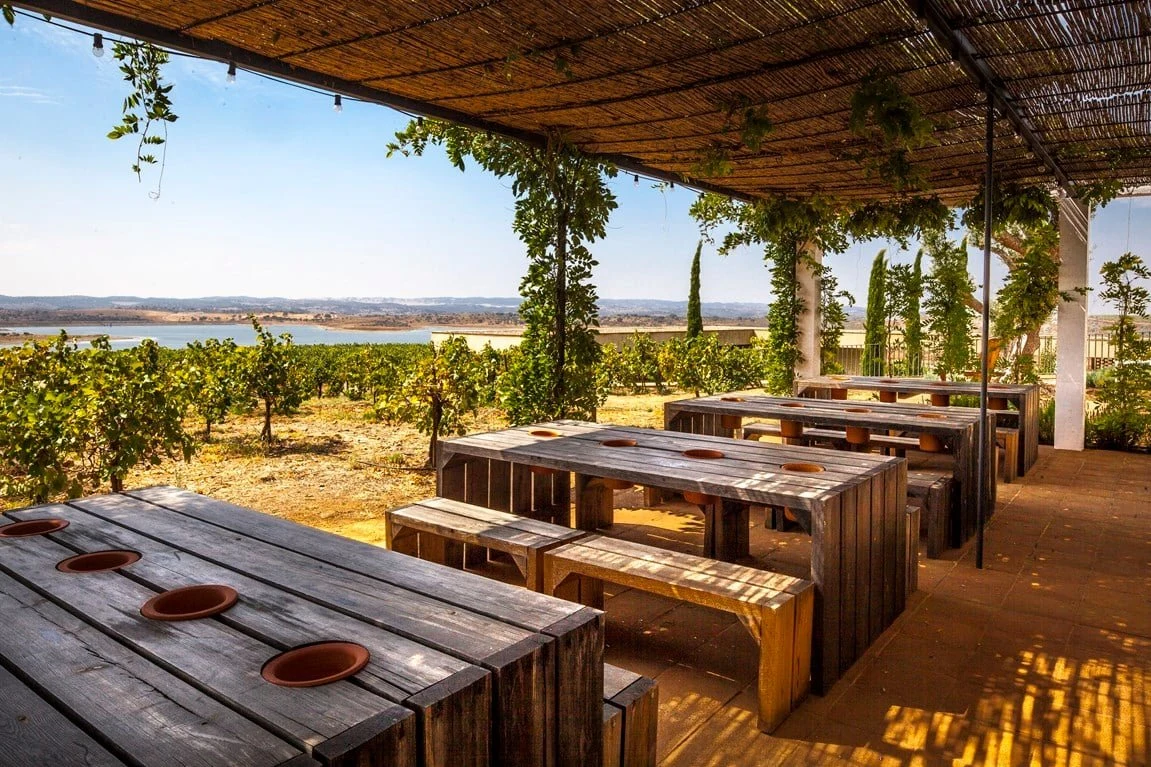
Approaching the Montello Asolo hills, the mood shifts from Veneto’s larger wine-road rhythm to something quieter: vineyard rows, garden views, and the kind of family estate where hospitality is built around the glass rather than the architecture. Bogana Vini belongs to that smaller Asolo Prosecco conversation, where Glera is not treated as anonymous fizz but as a hillside wine tied to exposure, soil, and the discipline of the DOCG.
The key here is place. The estate sits on the western slopes of Rive di Caerano, a natural extension of Montello hill, with vineyards set beneath a century-old pine tree. That detail matters because Asolo Prosecco Superiore DOCG has a different register from mass-market Prosecco: hillside fruit, controlled scale, and a sharper sense of local identity. In Pederobba, the format reads as wine education with countryside ease, not luxury theatre.
Asolo Prosecco seen through a small estate lens
Veneto’s sparkling-wine economy is broad enough to flatten nuance, but Asolo offers a useful corrective. The appellation’s smaller scale gives producers room to show Prosecco through dosage, vineyard position, and house style rather than simple brand volume. Bogana Vini works in that lane, focusing on Asolo Prosecco Superiore DOCG and a concise portfolio that moves between Brut Millesimato, Extra Brut, Extra Dry, rosé spumante from Pinot Noir, and a still Prosecco DOCG Tranquillo.
The Extra Brut is the most telling reference point for the estate’s direction: a 93-point Falstaff Sparkling Special 2022 Italy result placed it second in that competition, a useful external signal in a category often judged too casually. The Brut Millesimato has been marked at 92 points for the 2024 vintage, while the Extra Dry has carried a 91-point rating. Those numbers do not turn the estate into a trophy stop, but they do place its bottles in a serious register for travelers who want Asolo Prosecco with measurable credentials.
Glera remains the spine, cultivated for the Prosecco styles, while Pinot Noir supports the rosé sparklers. The production philosophy is conventional rather than certified organic, and the estate’s strength lies less in trend language than in a direct farm-to-glass proposition: small family scale, estate grounds, and a narrow regional focus. For readers mapping Pederobba’s wine scene, the broader context sits in Our full Pederobba wineries guide, with nearby regional perspective from Vigna Sinque Majo.
Guided tastings without the showroom gloss
The visit format is built around guided tasting, private tasting, vineyard tour elements, and light bites. Sessions run in the 120- to 240-minute range, which puts the experience closer to a slow estate introduction than a quick cellar-door pour. English, Italian, and Spanish are listed for tours, and the atmosphere is casual, conversational, and group-friendly, with outdoor seating and vineyard or garden views shaping the pace.
This is the sort of estate where the useful comparison is not with glamorous design-led wineries, but with the older Italian habit of letting the family property set the tone. Cold cuts and croutons support the tasting format, and the bottle range gives visitors a clean way to read sweetness, pressure, and grape choice across several sparkling categories. The rosé spumante broadens the conversation beyond Glera without pulling it away from the estate’s central Asolo identity.
For travelers building a fuller Pederobba itinerary, wine rarely sits alone. The city guides help frame the rest of the day: Our full Pederobba restaurants guide, Our full Pederobba hotels guide, Our full Pederobba bars guide, and Our full Pederobba experiences guide. The practical read is simple: this is a reservation-led winery visit with on-site parking, accessible parking, wheelchair access, card and cash payment options, shipping availability, and a dog-friendly policy.
Where it fits in a wider Italian wine itinerary
Bogana Vini rewards travelers who care about appellation detail more than spectacle. Asolo Prosecco Superiore DOCG is the anchor, the Rive di Caerano slope gives the estate its physical argument, and the tasting format keeps attention on how dosage and grape choice change the wines in the glass. In a region crowded with sparkling labels, that narrower focus is the point.
Readers extending the route beyond Pederobba can use a broader winery map rather than forcing false equivalence between regions. Veneto options include 3GP SRL in Treviso and 47 Anno Domini in Trebaseleghe; southern Italian entries such as A Mano Wine in Noci, a6mani in Fragagnano, and Abbazia di Crapolla in Neapel show a different temperature and grape logic. Tuscany brings another frame through Abbadia Ardenga in Torrenieri and Abbazia Monte Oliveto in Asciano, while international context can stretch to »der Steiner« Hans Steiner in Podersdorf am See and & Handwein in Mannheim.
The editorial case is clean: come for Asolo Prosecco Superiore DOCG interpreted at family-estate scale, not for grand-cellar theatrics. The stronger visit is unhurried, tasting-led, and tied to the hillside setting that gives this part of Veneto its quieter authority.
Questions
Frequently asked
How expensive is Bogana Vini?
Bogana Vini is listed at a price level of $$.
The field
How it compares
| Place | Notes | Awards |
|---|---|---|
| Bogana Vini | Montello Asolo, $$ | · |
| Domaine Faiveley | Nuits-Saint-Georges | World's 50 Best |
| Domaine Henri Jayer | Burgundy | · |
| Domaine Jean-Louis Chave | Mauves | · |
| Domaine Leroy | Vosne-Romanée | · |
| Herdade do Esporão | Reguengos de Monsaraz | World's 50 Best |
| Vigna Sinque Majo | Pederobba | · |