Bogle Vineyards
- 01CityClarksburg, United States
- Falstaff Winery - Listed · 2026
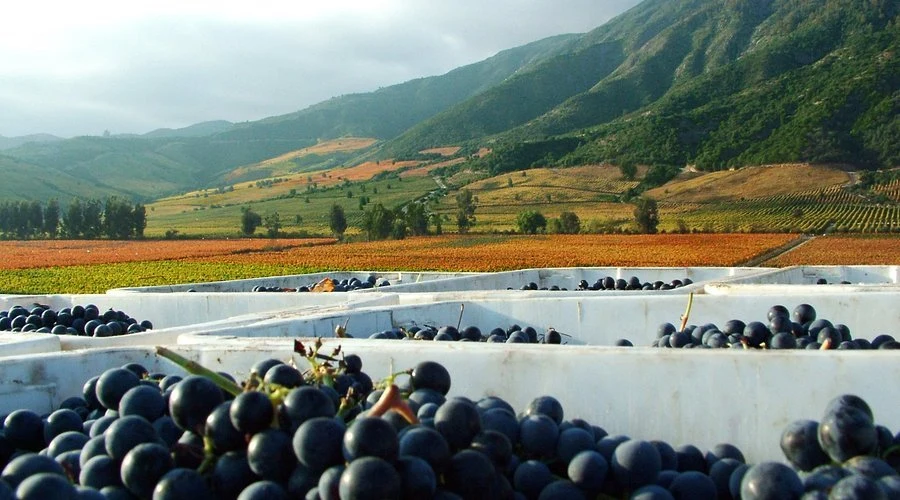
Approaching Clarksburg wine country means entering a different California register: flatter, quieter, more agricultural, with vineyards shaped by the Sacramento Delta rather than mountain drama. The appeal is not grand arrival choreography. It is the sense that wine here begins with farming, water, wind, and alluvial ground before it becomes a label or a tasting-room flight.
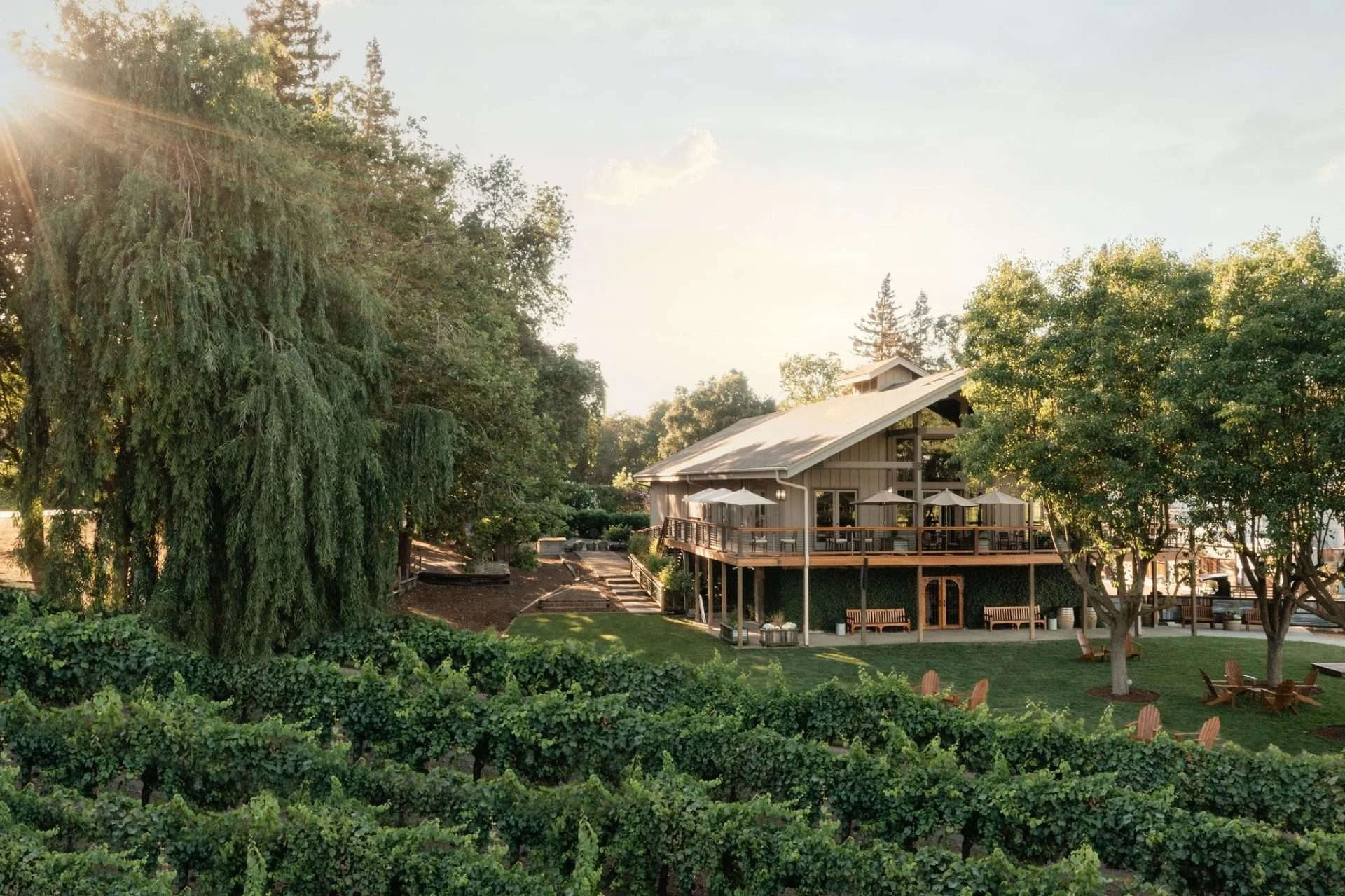
Bogle Vineyards fits that Delta grammar. The setting is relaxed and family-friendly, with indoor and outdoor seating and a spacious picnic area that keeps the experience closer to a working vineyard afternoon than a formal cellar-door appointment. That matters in Clarksburg, where the region’s identity is still tied to agriculture as much as hospitality. The better way to read the visit is not as a luxury tasting but as an introduction to a California AVA that has built its reputation through practical farming, broad varietal range, and a less scripted guest experience.
Delta farming before cellar polish
Clarksburg’s wine character is defined by its Delta position. The Sacramento River’s influence moderates heat, and the region’s alluvial soils give growers a foundation for both whites and reds. That helps explain why the portfolio can move across Chardonnay, Sauvignon Blanc, Pinot Grigio, Cabernet Sauvignon, Petite Sirah, and Old Vine Zinfandel without feeling like a single-variety manifesto. The point is range: this is not a narrow appellation story built around one prestige grape.
The family history gives that range extra weight. Wine grapes were first planted by the family in 1968, and the operation grew from grape farming into winemaking in the late 1970s. Sixth-generation farming and third-generation winemaking are not decorative credentials here; they explain why the vineyard story comes before cellar mythology. In a state where wine tourism often runs ahead of agriculture, Clarksburg offers the reverse sequence.
Scale is part of the editorial tension. Bogle works with more than 1,500 acres of wine grapes and manages fruit from Clarksburg and other California growing areas, including Lodi and the Sierra Foothills. Around 92 percent of grapes grown for the winery are sustainably certified, and its own acreage is certified under the California Rules for Sustainable Winegrowing Program. That combination places it in a less common category: large enough to have reach, yet still using farming and lot management as the central argument.
The cellar follows that logic. Separate vinification by block and lot gives the winemaking team control before blending, while an extensive barrel program includes more than 95,000 small traditional oak barrels and over 600 individual lots under management. Chardonnay is barrel fermented in new oak with monthly lees stirring, while red wines are aged in small oak barrels. Eric Aafedt’s three decades as winemaker add continuity to a production model where consistency matters as much as individual vintage drama.
What the tasting room teaches about Clarksburg
The tasting format is useful because it does not overcomplicate the point. A wide flight can show how Delta-grown and California-sourced fruit move through recognizable varietal categories: bright whites, oak-shaped Chardonnay, structured reds, and Zinfandel from older vines. For visitors used to prestige regions where scarcity drives the conversation, the lesson is different. Here, accessibility and scale are not automatically enemies of craft; the question is how carefully farming, sourcing, and cellar separation are handled.
Old Vine Zinfandel is a useful example because the fruit comes from head-trained, dry-farmed vines ranging from 40 to 60 years old. That detail connects viticulture to style without needing romance. Dry farming changes the grower’s relationship with water, and older vines bring a different farming economy than young, high-yield plantings. Petite Sirah and Cabernet Sauvignon pull the conversation toward California red-wine structure, while Sauvignon Blanc and Pinot Grigio keep the Delta’s cooler influence in view.
The room itself keeps the learning curve low. Casual dress makes sense, children and mixed-generation groups fit the mood, and the picnic area reinforces the region’s agricultural character. This is a smart first stop for travelers trying to understand Clarksburg before moving deeper into the local wine map. For broader planning, use Our full Clarksburg wineries guide, then build the rest of the day around Our full Clarksburg restaurants guide, Our full Clarksburg hotels guide, Our full Clarksburg bars guide, and Our full Clarksburg experiences guide.
Where it sits in a wider wine itinerary
Clarksburg rewards visitors who treat it as its own Delta wine region, not as an add-on to California’s better-known corridors. Bogle Vineyards gives that trip an anchor because it connects family farming, AVA identity, sustainability certification, and a broad tasting format in one stop. Nearby planning can include Twenty Acres Wine, while travelers building a wider American winery itinerary might contrast Delta farming with Burnt Hill Farm (Asian-leaning seasonal), 00 Wines in Carlton, A to Z Wineworks in Newberg, A. Rafanelli Winery in Healdsburg, Aaron Wines in Paso Robles, 13th Vineyard in Angwin, and 50 West Vineyards in Aldie.
The visit works well for guests who want context without ceremony. It is less about chasing trophy allocations than understanding how a family-run California producer can operate at scale while keeping farming, sustainability, and varietal clarity in the foreground. For international contrast, itinerary research can extend to »der Steiner« Hans Steiner in Podersdorf am See and & Handwein in Mannheim, but the Clarksburg lesson is local: Delta wine country is at its strongest when it lets the land stay visible.
Questions
Frequently asked
How expensive is Bogle Vineyards?
Bogle Vineyards is listed at a price level of $$.
The field
How it compares
| Place | Notes | Awards |
|---|---|---|
| Bogle Vineyards | Clarksburg, $$ | · |
| Chateau Lafite Rothschild | Pauillac | · |
| Château Margaux | Margaux | World's 50 Best |
| Domaine Méo-Camuzet | Vosne-Romanée | · |
| Nyetimber | Horsham | World's 50 Best |
| Twenty Acres Wine | Clarksburg | · |
| Viña Montes | Santa Cruz | World's 50 Best |