Chef in Residence
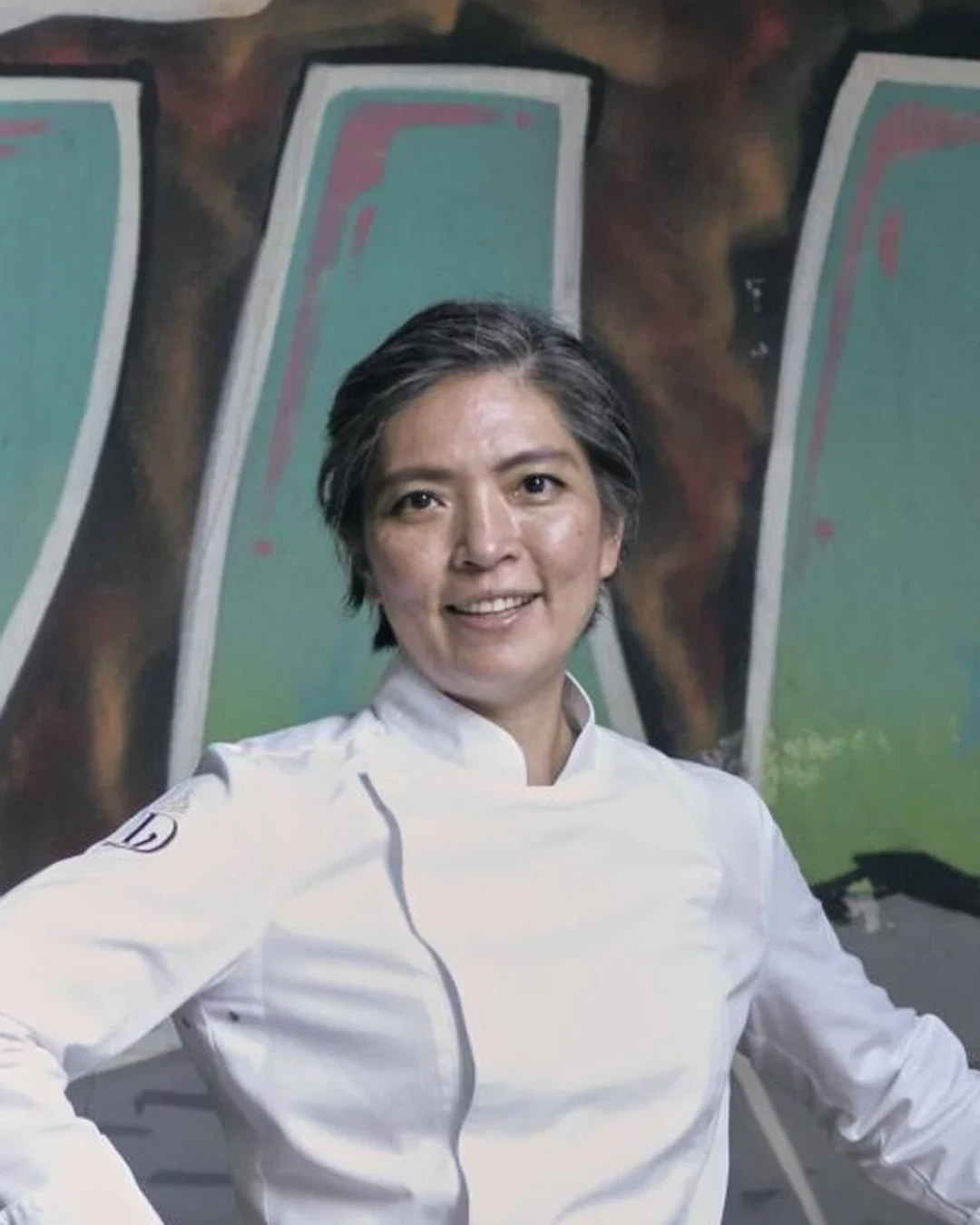
Duangporn Bo Songvisava
Chef

Inside a traditional dark-wood Thai house on Sukhumvit 53, Bo.Lan operates at the serious end of Bangkok's heritage Thai dining scene. The kitchen roots every dish in time-honoured regional recipes, draws produce from small-scale farmers, and serves mains samrap-style for sharing. A 2025 entry in Asia's 50 Best Restaurants at number 98 confirms the critical standing this address has built over more than a decade.
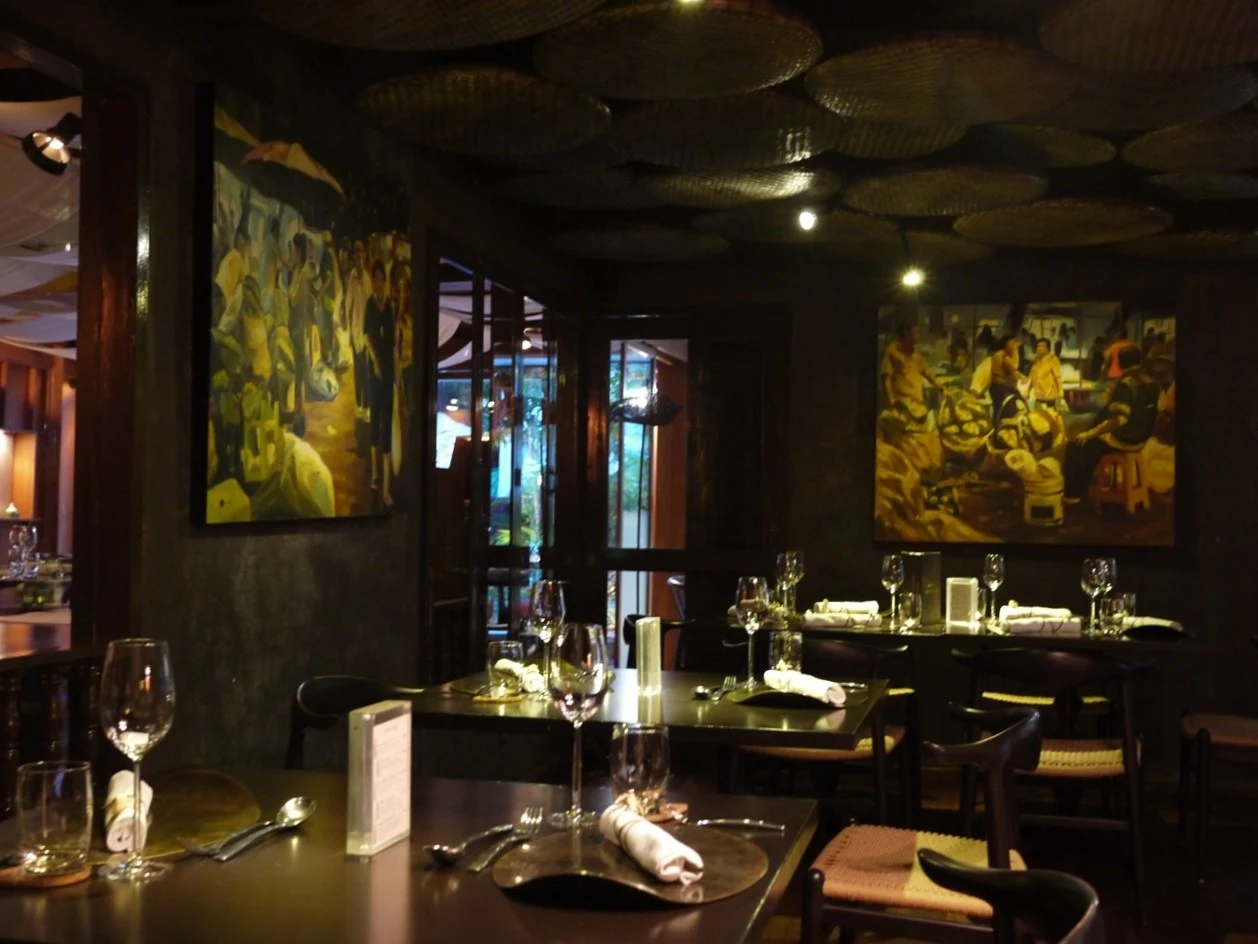
<h2>A Traditional House and a Particular Kind of Seriousness</h2><p>Bo.Lan is a Michelin-starred Traditional Thai Fine Dining restaurant in Bangkok, priced around USD 100 per person. The approach to Bo.Lan on Sukhumvit 53 already signals what kind of evening lies ahead. The restaurant occupies a traditional Thai house constructed in dark, aged wood, the sort of building that Bangkok has been steadily replacing with glass towers and serviced apartment blocks. Before a dish arrives, the physical setting communicates something about the restaurant's underlying argument: that Thai culinary heritage is worth preserving in material form, not just on the plate.</p><p>Inside, the rooms are compact and warmly lit, the atmosphere closer to a considered private residence than a formal fine-dining room. Bo.Lan belongs to the latter. The space reflects the food's philosophy, nothing here is assembled for spectacle.</p><h2>What the Awards Actually Tell You</h2><p>Bo.Lan's ranking at number 98 on Asia's 50 Best Restaurants in 2025 places it inside a competitive set that Bangkok now populates with unusual density. The city's representation on that list has grown significantly, and the presence of heritage Thai addresses alongside modern-progressive Thai and international fine dining reflects how seriously Bangkok's upper tier is taken by the regional critical establishment.</p><p>To understand what the award signals specifically about Bo.Lan, it helps to place it alongside peers. <a href="https://www.enprimeurclub.com/restaurants/sorn-bangkok-restaurant">Sorn</a> holds a higher position on the same list and takes a similarly document-driven approach to Southern Thai ingredients, while <a href="https://www.enprimeurclub.com/restaurants/baan-tepa-bangkok-restaurant">Baan Tepa</a> represents the Thai contemporary wing, where the country's produce forms the base but the presentation logic is more internationally inflected. Bo.Lan sits in a third position: heritage-first, technique-precise, and explicitly committed to the argument that old Thai recipes, cooked well, sourced carefully, require no reframing to compete at the top of the market.</p><p> Restaurants at <a href="https://www.enprimeurclub.com/restaurants/suhring-bangkok-restaurant">Sühring</a>, <a href="https://www.enprimeurclub.com/restaurants/gaa-bangkok-restaurant">Gaa</a>, and <a href="https://www.enprimeurclub.com/restaurants/cote-by-mauro-colagreco-bangkok-restaurant">Côte by Mauro Colagreco</a> occupy adjacent price and prestige tiers in Bangkok but pursue entirely different culinary arguments, European heritage, Indian-progressive, Mediterranean, which makes Bo.Lan's sustained focus on Thai tradition a deliberate counter-position rather than a default.</p><h2>The Food: Heritage Logic and Samrap Service</h2><p>The kitchen draws on time-honoured Thai recipes as its primary source material, working with rare regional produce sourced through relationships with small-scale farmers. The emphasis on seasonality is structural rather than cosmetic: ingredients dictate what appears, and that constraint is part of the restaurant's identity.</p><p>Presentations are deliberately restrained. The cooking logic prioritises depth of flavour and balance over visual complexity, which places it in a growing international tradition of kitchens that treat simplicity as a technical achievement rather than a design failure. The techniques used are precise, but what they produce looks considered rather than constructed.</p><p>The samrap service format deserves particular attention. Mains arrive together at the table for sharing, a traditional Thai meal structure that the restaurant has retained rather than abandoned in deference to Western fine-dining conventions. In a comparable set where multi-course tasting menus with individual plating have become the dominant grammar, the decision to serve samrap-style is a statement about which tradition the kitchen considers itself part of. It also changes the social texture of the meal: sharing requires attention to pace, to balance across dishes, and to the preferences of the people at the table.</p><p>The vegetable-forward dimension of the cooking is documented in the restaurant's broader public record. Vegetables are given lead positions in dishes, and the sourcing ethos prioritises ecological accountability, working toward a zero-footprint approach through farmer relationships and ingredient selection. This is not a selling point bolted onto an existing menu, it is embedded in how dishes are built.</p><h2>Sukhumvit 53 and the Broader Bangkok Context</h2><p>Restaurant sits on Sukhumvit 53, a soi that connects to one of Bangkok's principal thoroughfares without being absorbed into its commercial density. The Thong Lo and Ekkamai stretch of Sukhumvit has historically housed some of Bangkok's most serious independent restaurants, and the address gives Bo.Lan reasonable proximity to the BTS network while maintaining the residential, low-traffic character that supports the setting's atmosphere.</p><p>Bangkok's fine dining geography has always been more distributed than cities like Tokyo or Paris, where prestige concentrates in a few clearly defined neighbourhoods. In Bangkok, significant restaurants appear across the city, from riverside developments to suburban villages to mid-Sukhumvit sois, and diners move between them without treating any single district as the obvious address for serious eating. Bo.Lan fits within that dispersed model: the restaurant earns its reputation on the strength of the cooking and the clarity of its position, not on the prestige of its postcode.</p><p>For those building a Bangkok eating itinerary across multiple days, the city's range is substantial. Beyond the Thai-focused addresses, the EP Club guides to Bangkok restaurants, Bangkok bars, Bangkok hotels, Bangkok wineries, and Bangkok experiences cover the full range of the city's premium offer.</p><p>Thailand's serious dining extends well beyond the capital. <a href="https://www.enprimeurclub.com/restaurants/pru-phuket-restaurant">PRU in Phuket</a> operates a farm-to-table program in the south, while <a href="https://www.enprimeurclub.com/restaurants/aeeen-chiang-mai-restaurant">Aeeen in Chiang Mai</a> addresses Northern Thai culinary heritage from a different regional vantage point. <a href="https://www.enprimeurclub.com/restaurants/akkee-nonthaburi-restaurant">AKKEE in Pak Kret</a> and <a href="https://www.enprimeurclub.com/restaurants/angeum-phra-nakhon-si-ayutthaya-restaurant">Angeum in Phra Nakhon Si Ayutthaya</a> represent the broader movement of serious Thai cooking into provincial settings, while <a href="https://www.enprimeurclub.com/restaurants/agave-ubon-ratchathani-restaurant">Agave in Ubon Ratchathani</a> and <a href="https://www.enprimeurclub.com/restaurants/the-spa-lamai-beach-restaurant">The Spa in Lamai Beach</a> speak to the country's geographic spread of premium dining.</p><p>For international reference points in the EP Club network, <a href="https://www.enprimeurclub.com/restaurants/le-bernardin">Le Bernardin in New York City</a> and <a href="https://www.enprimeurclub.com/restaurants/atomix">Atomix in New York City</a> represent the kind of sustained critical recognition over time that Bo.Lan's trajectory in the Bangkok market increasingly mirrors.</p><h2>Planning Your Visit</h2><p>The restaurant's Google rating of 4.1 across 778 reviews reflects a consistent audience rather than a viral moment, and the Asia's 50 Best entry confirms that the critical and popular assessments are broadly aligned. The Sukhumvit 53 address is accessible via the BTS Skytrain to Thong Lo station, with the soi a short taxi or motorcycle taxi ride from the exit.</p>
Bo.Lan is located at 24 Sukhumvit 53 Alley, Khlong Tan Nuea, Watthana, Bangkok 10110, Thailand, Bangkok.
Bo.Lan has received recognition including: Set in a traditional Thai house done out in dark wood, this cosy restaurant exudes rustic charm and sincerity. The menu is rooted in time-honoured recipes and sustainability, skilfully using rare regional produce sourced from small farmers ….
No single signature dish defines Bo.Lan so much as a format: mains arrive samrap style, meaning multiple dishes served simultaneously for the table to share. The kitchen works from time-honoured Thai recipes using rare regional produce sourced from small farmers, so the menu shifts with season and availability rather than anchoring to a fixed showpiece.
Yes, and the recommendation carries weight from multiple directions. Bo.Lan's 2025 Asia's 50 Best ranking at number 98 has sustained international attention, and the restaurant's Google rating of 4.1 across 751 reviews points to a steady, loyal audience rather than an occasional crowd. Reservations well ahead of your visit are advisable.
Bo.Lan's standing rests on two connected commitments: fidelity to Thai culinary heritage and a serious approach to sustainability, including sourcing from small farmers and pursuing a near-zero ecological footprint. That position earned the restaurant a place on Asia's 50 Best Restaurants in 2025 and separates it from Bangkok's broader roster of contemporary Thai dining.
24 Sukhumvit 53 Alley, Khlong Tan Nuea, Watthana, Bangkok 10110, Thailand
Thong Lo

Modern German Fine Dining
Sühring
Bangkok, Thailand
★★★ · 50 Best

Progressive Thai-Chinese Fine Dining
Potong
Bangkok, Thailand
★ · 50 Best

Fine Southern Thai
Sorn
Bangkok, Thailand
★★★ · 50 Best

Progressive Indian
Gaggan Anand
Bangkok, Thailand
★ · 50 Best

Fusion Cuisine
Gaa
Bangkok, Thailand
★★ · 50 Best

Riviera Mediterranean Fine Dining
Côte by Mauro Colagreco
Bangkok, Thailand
★★ · 50 Best