Glera refined in autoclave
- Falstaff Winery - 5 Stars · 2026
The Brut decision in Valdobbiadene
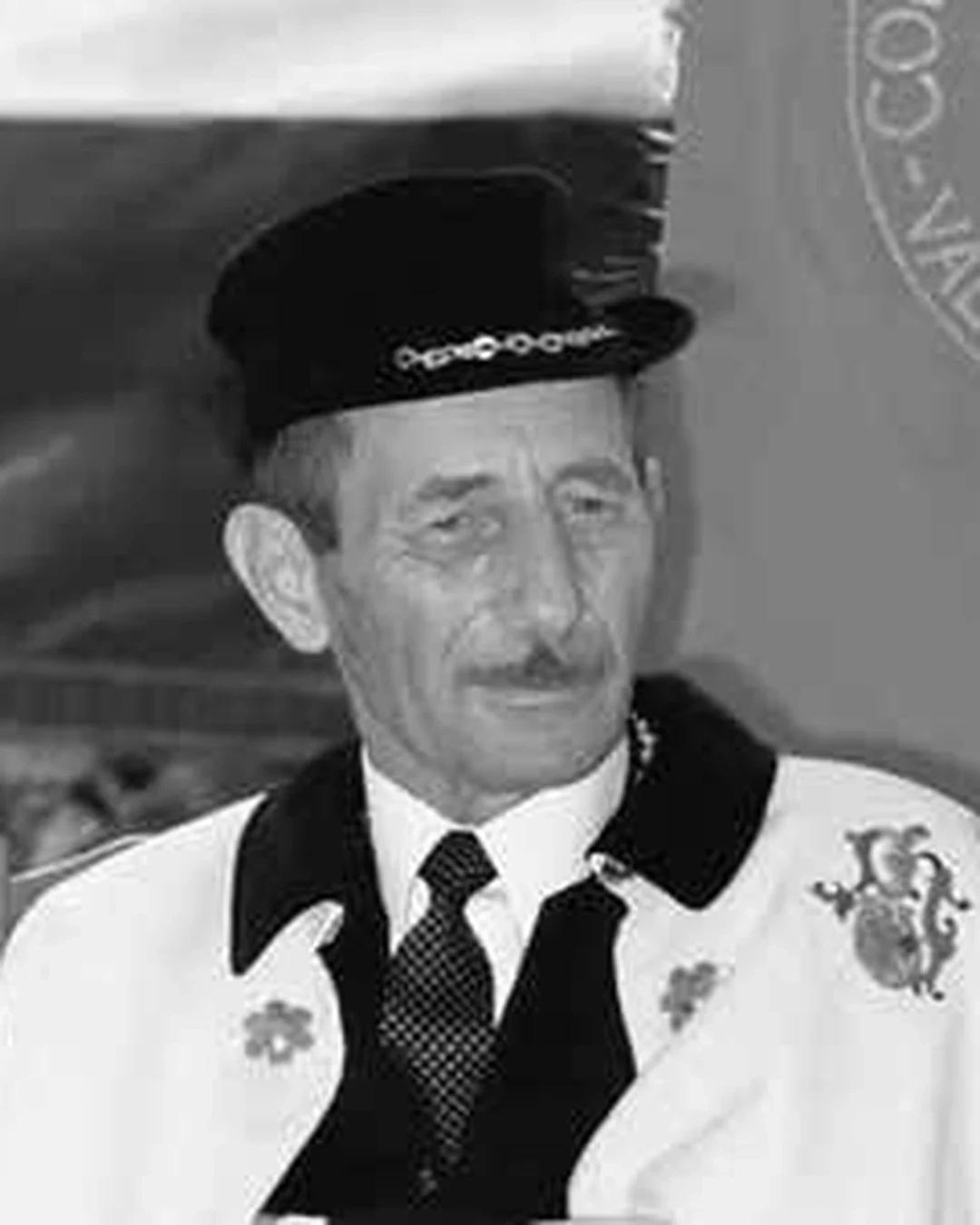
Giuliano Bortolomiol kept Prosecco on the technical bench, not as a sweet habit but as a wine to be made dry. As winemaker at Bortolomiol in Valdobbiadene, Giuliano Bortolomiol carries a formation that began at the Conegliano School of Oenology and settled into the hills around the cellar. His public path is tied to the Prosecco Confraternity, founded in 1946, and to Cantina Fratelli Bortolomiol, founded in 1949. The role he holds now, Vice President of the homonymous winery, reads less like a title apart from the work than a continuation of it: a wine technician keeping the family name close to the method, the fruit, and the appellation. Bortolomiol’s lineage reaches back through vine-growing records from 1760, but the house’s modern shape comes from Giuliano’s dry Brut conviction. In 1960, he created a Prosecco Brut at a time when sweeter styles carried the category. Bandarossa and Prosecco Brut remain the clearest signatures attached to his name.
Glera through the Martinotti-Charmat line
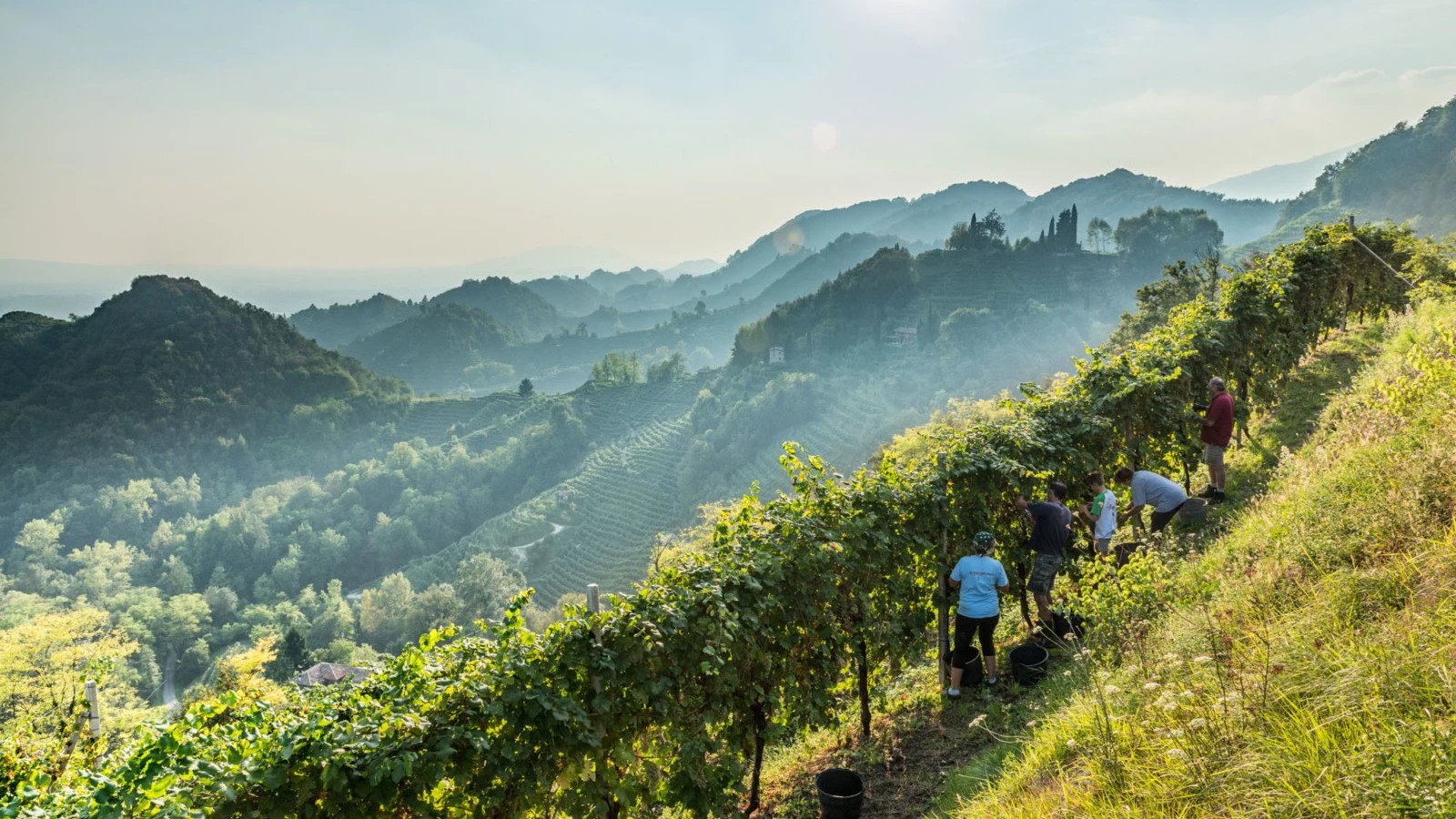
The cellar works within Conegliano Valdobbiadene Prosecco Superiore DOCG, with Glera at the center and Chardonnay and Verdiso in the wider program. The method is Martinotti-Charmat, the second fermentation held in sealed autoclaves rather than in bottle, a choice that suits a wine built around fruit, pressure, and aromatic lift. For the Prosecco Superiore DOCG Extra Dry Millesimato, refinement in autoclave runs for 25-30 days. That number matters because the house is not asking time to blur the wine; it is asking time to keep the line clean. Vineyard work follows the steep, hand-tended logic of Valdobbiadene, where narrow rows and slopes make the hands part of the farming. In 2008, the winery moved its vineyards toward an organic growing system, including the vineyard inside Parco della Filandetta. The philosophy is sustainable, but the word earns its place only when it touches soil, growers, and the repeated decisions before harvest.
The spinning mill and the cellar
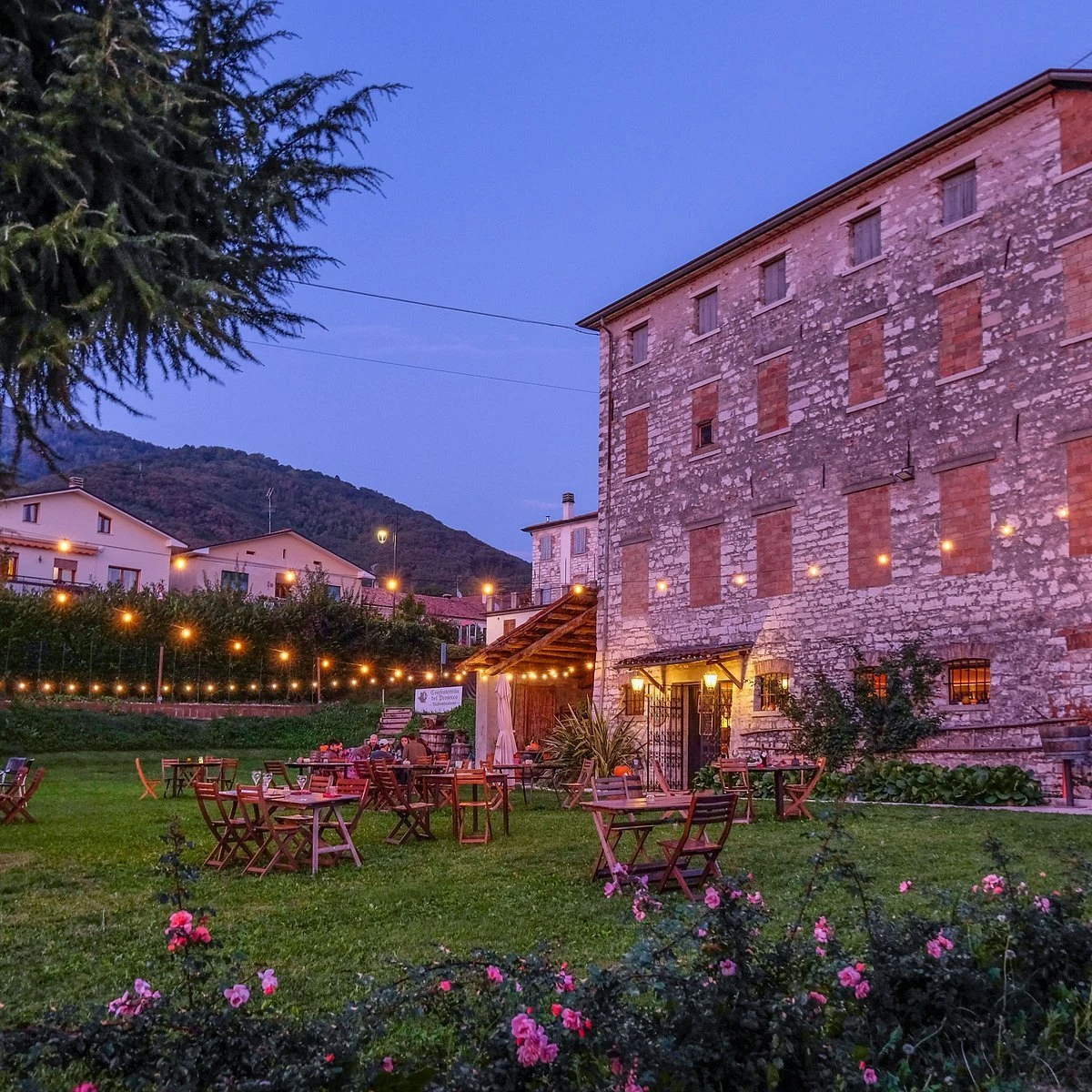
The winery sits inside Parco della Filandetta, a renovated former spinning mill in Valdobbiadene with a tasting room, cellar, vineyard, and park-like grounds. The room is bright and spacious rather than theatrical; the industrial shell gives the wine work a frame without competing with it. An avenue of old hornbeams leads the eye back outside, and works by the sculptor Casellato sit within the grounds. The effect is not a museum of Prosecco, but a working estate that lets the history remain visible while the tanks and tasting room do their own work. The noise stays low. Glass, stone, vines, and art hold the pace.
A house carried by the next hands
The family stewardship now includes Giuliano’s daughters Maria Elena, Elvira, Luisa, and Giuliana, who have continued the work around quality, territory, hospitality, and environmental practice. Their presence keeps the house from becoming only a founder’s monument. The next measure of Bortolomiol is still practical: how Glera from these hills moves through the cellar, and how Bandarossa keeps its place in Valdobbiadene.
Questions
Frequently asked
What is Bortolomiol known for?
Bortolomiol is known for its dry Prosecco Brut conviction in Valdobbiadene. Giuliano Bortolomiol created a Prosecco Brut in 1960, when sweeter styles were more common, and Bandarossa and Prosecco Brut remain the clearest signatures attached to his name.
What wines does the cellar work with?
The cellar works within Conegliano Valdobbiadene Prosecco Superiore DOCG, with Glera at the center and Chardonnay and Verdiso in the wider program. It uses the Martinotti-Charmat method, with second fermentation held in sealed autoclaves rather than in bottle.
Where is the winery located?
The winery sits inside Parco della Filandetta in Valdobbiadene, Veneto. It is set in a renovated former spinning mill with a tasting room, cellar, vineyard, and park-like grounds.
Do visits need to be arranged in advance?
Visits are by appointment only.
What is the practical setup for a visit?
The dress code is casual, and parking is on the street.
The field
How it compares
| Place | Notes |
|---|---|
| Bortolomiol | Parco della Filandetta, $$ |
| Cantine Varaschin | Valdobbiadene |
| Foss Marai Spumanti | Valdobbiadene |
| Marsuret | Valdobbiadene |
| Sandrin | Valdobbiadene |
| Tanorè | Valdobbiadene |
| Vigna Sancòl | Valdobbiadene |