Made ByDistillery Tasting Room
Brennerei Mairhofer
- 01CitySt. Johann in Tirol, Austria
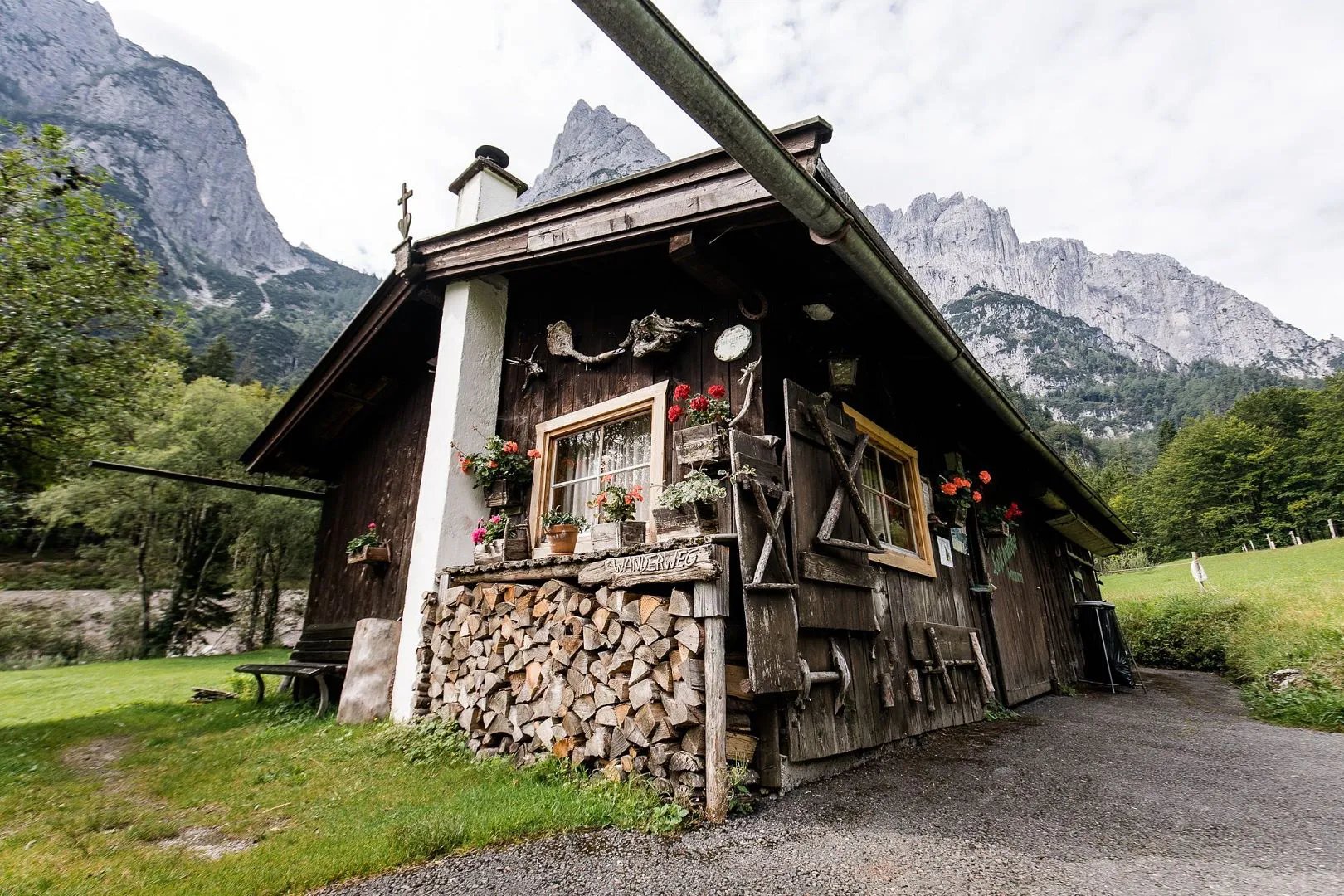
Brennerei Mairhofer earned a Pearl 1 Star Prestige award in 2025, placing it among Austria's recognised distilling producers in the Tyrolean Alps. Based in St. Johann in Tirol, the distillery draws on the mountain terrain and agricultural traditions of the Inn Valley region. For visitors to the area, it represents a serious entry point into Austrian craft spirits production.
Alpine Distilling and the Tyrolean Tradition
The Inn Valley corridor running through the Kitzbühel Alps does not produce wine in any significant commercial sense. What it does produce, with a consistency shaped by centuries of alpine farming practice, is distilled spirits. Schnapps and eau-de-vie production in Tyrol traces back to small-scale farm distilleries that processed surplus fruit, herbs, and grain into spirits as a matter of agricultural economy. That tradition persists today in a tier of producers who treat the distillate as an expression of the local landscape as genuinely as any winemaker treats terroir. Brennerei Mairhofer, based in St. Johann in Tirol, sits within that tradition and earned a Pearl 1 Star Prestige award in 2025, a credential that places it inside the recognised tier of Austrian spirits producers. Weingut Bründlmayer in Langenlois and Weingut Emmerich Knoll in Dürnstein, both of which operate at recognised quality tiers in their respective wine regions.
What the Terrain Contributes
St. Johann in Tirol sits at roughly 660 metres elevation, surrounded by the peaks of the Wilder Kaiser to the north and the Kitzbühel Alps to the south. The growing conditions at this altitude affect raw material quality in ways that lowland producers cannot replicate. Fruit ripens more slowly in the thinner mountain air and cooler nights, concentrating flavour compounds. Alpine meadow herbs carry aromatic profiles shaped by the specific mineral composition of the soil and the intensity of high-altitude UV exposure. These environmental factors feed directly into the character of any distillate produced from locally sourced ingredients.
Austrian craft distilling has increasingly acknowledged this altitude-and-provenance argument over the past decade. Producers operating in mountain zones have made a credible case that the geographic specificity of their raw materials gives their spirits a regional identity comparable to what Tyrolean farmers have argued about their dairy and grain for generations. The Pearl 1 Star Prestige recognition awarded to Brennerei Mairhofer in 2025 reflects external acknowledgement that the distillery is producing at a standard consistent with that argument. Weingut Wohlmuth in Kitzeck offers a Styrian parallel, while Weingut Pittnauer in Gols demonstrates how Burgenland's flat, warm basin produces an entirely different sensory register.
Positioning Within Austrian Craft Spirits
Austria's craft spirits sector has diversified considerably over the past fifteen years. The country's distilling culture historically concentrated on Obstbrand and Tresterbrände produced by small farm operations, but a second generation of producers has introduced more structured approaches to sourcing, fermentation, and distillation. Some of these have emerged from wine-producing families applying existing agricultural infrastructure to spirits. Others have built independent distilleries focused specifically on spirits from the ground up. Weingut Scheiblhofer Distillery in Andau represents the wine-estate-to-spirits path from Burgenland. Standalone operations such as 1310 Spirit of the Country Distillery in Sierning, 1404 Manufacturing Distillery in Sankt Peter-Freienstein, and A. Batch Distillery in Bergheim occupy different niches within the same expanding category.
Tyrolean distilleries operate in a somewhat separate sub-category from lowland Austrian producers. The mountain agricultural context, the predominance of stone fruit and alpine herbs as raw materials, and the existing cultural infrastructure of farm-based Schnapps production give Tyrolean distillers a distinct point of departure. Within that sub-category, producers earning external recognition like the Pearl Prestige award occupy the quality-assured tier, distinguishable from the broader mass of unlicensed or unrated farm distilleries that have always existed in the region. Abfindungsbrennerei Franz in Leithaprodersdorf represents another point in the Austrian small-distillery spectrum for comparison.
St. Johann in Tirol as a Base for Spirits Exploration
St. Johann sits on one of the primary transit routes through the Tyrolean Alps, between Salzburg to the northeast and Innsbruck to the west. The town itself functions as a year-round resort hub, with skiing infrastructure in winter and hiking access in summer, which means visitor flow is consistent rather than seasonal. This makes it a practical base for anyone combining spirits or food-producer visits with broader alpine travel, rather than requiring a dedicated detour.
The concentration of farm-based producers in the Inn Valley and the surrounding Kitzbühel district means that a single itinerary can reasonably cover multiple distilleries, cheesemakers, or cured meat producers within a compact geographic area. Brennerei Mairhofer fits into that kind of producer-focused travel more naturally than it would into a city-centre bar-crawl or a formal restaurant visit. The distillery context is agricultural and small-scale, which sets the tone for the experience. For visitors arriving from further afield in Austria who want to connect the alpine spirits experience to the country's broader producer culture, pairing a Tyrolean distillery visit with estates like Weingut Kracher in Illmitz or Weingut Heinrich Hartl in Oberwaltersdorf builds a more complete picture of Austrian agricultural production across different climate zones.
Planning a Visit
Johann or through the regional tourism office, which maintains up-to-date information on producer visits in the Inn Valley. Small-scale distilleries in this part of Austria typically operate appointment-based visits rather than walk-in hours, so advance contact is advisable. The 2025 Pearl 1 Star Prestige award provides a credible quality signal for planning purposes: producers at this recognition level generally offer a structured tasting experience rather than a casual retail encounter.
For those interested in the wider international craft spirits category, Aberlour in Scotland and 1516 Brewing Company Distillery in Vienna offer reference points from contrasting distilling traditions, while Accendo Cellars in St. Helena illustrates how a different kind of terroir-driven producer culture operates in California's Napa Valley.
Frequently asked
Is Brennerei Mairhofer more formal or casual?
Brennerei Mairhofer operates as a working distillery in St. Johann in Tirol rather than a formal dining or hospitality venue, so the setting is functional and unpretentious by nature. Its 2025 Pearl 1 Star Prestige recognition signals production quality, not white-tablecloth presentation. Visitors should expect a producer-led experience rather than a curated tasting-room atmosphere.
Has Brennerei Mairhofer won any awards?
Brennerei Mairhofer has received recognition including: Pearl 1 Star Prestige (2025).
What do visitors recommend trying at Brennerei Mairhofer?
Brennerei Mairhofer's recognition with a 2025 Pearl 1 Star Prestige points to the quality of its distilled spirits, which in the Tyrolean tradition typically centres on fruit-based schnaps produced from locally grown or foraged produce. The Inn Valley and surrounding Kitzbühel Alps provide the raw material context that defines this style of production. Specific expressions to seek out are best confirmed directly with the distillery, as the range can vary seasonally.
What is Brennerei Mairhofer known for?
Brennerei Mairhofer is recognised for craft spirit production within the alpine distilling tradition of the Tyrolean region, earning a Pearl 1 Star Prestige award in 2025. St. Johann in Tirol sits at roughly 660 metres in the Inn Valley corridor, and the area's distilling heritage draws on mountain fruit harvests rather than viticulture. The 2025 award places Mairhofer within Austria's acknowledged tier of quality-focused small producers.
Should I book Brennerei Mairhofer in advance?
Given its 2025 Pearl 1 Star Prestige recognition, demand for visits or tastings may exceed walk-in availability, particularly during peak alpine tourism seasons. Reaching out ahead of any trip to St. Johann in Tirol is advisable.
How does Brennerei Mairhofer's Pearl 1 Star Prestige award compare to other Austrian craft spirit producers?
The Pearl 1 Star Prestige, awarded to Brennerei Mairhofer in 2025, is a recognised benchmark within European artisan spirits evaluation, placing the St. Johann in Tirol producer alongside a selective tier of Austrian distilleries acknowledged for quality and consistency. Austria's craft spirits sector has expanded considerably over the past fifteen years, with recognised producers now extending well beyond the country's historic schnapps heartlands. For a distillery operating in a small alpine town rather than an established spirits region, the 2025 recognition is a substantive credential.
What should I do before I arrive at Brennerei Mairhofer?
Because Brennerei Mairhofer operates as a producer rather than a conventional hospitality venue in St. Johann in Tirol, confirming visit availability before arrival is the most practical first step. Familiarising yourself with Tyrolean distilling traditions, particularly the role of alpine fruit spirits in regional culture, will add context to what you encounter on site. The distillery's 2025 Pearl 1 Star Prestige is a useful reference point when asking about the range.
How it compares
Brennerei Mairhofer
- Cuisine
- Winery
- Price
- —
- Awards
- 1 recognition
- Notes
- St. Johann in Tirol
Weingut Graf Hardegg
- Cuisine
- Grüner Veltliner, Riesling
- Price
- $$
- Awards
- 1 recognition
- Notes
- Seefeld-Kadolz
Freihof Distillery
- Cuisine
- Lustenau
- Price
- —
- Awards
- 1 recognition
- Notes
- Lustenau
Weingut Ebner-Ebenauer
- Cuisine
- Grüner Veltliner, Chardonnay
- Price
- $$
- Awards
- 1 recognition
- Notes
- Poysdorf
Weingut Gesellmann
- Cuisine
- Blaufränkisch, Zweigelt
- Price
- $$
- Awards
- 1 recognition
- Notes
- Deutschkreutz
Weingut Leo Hillinger
- Cuisine
- Grüner Veltliner, Sauvignon Blanc
- Price
- $$
- Awards
- 1 recognition
- Notes
- Jois