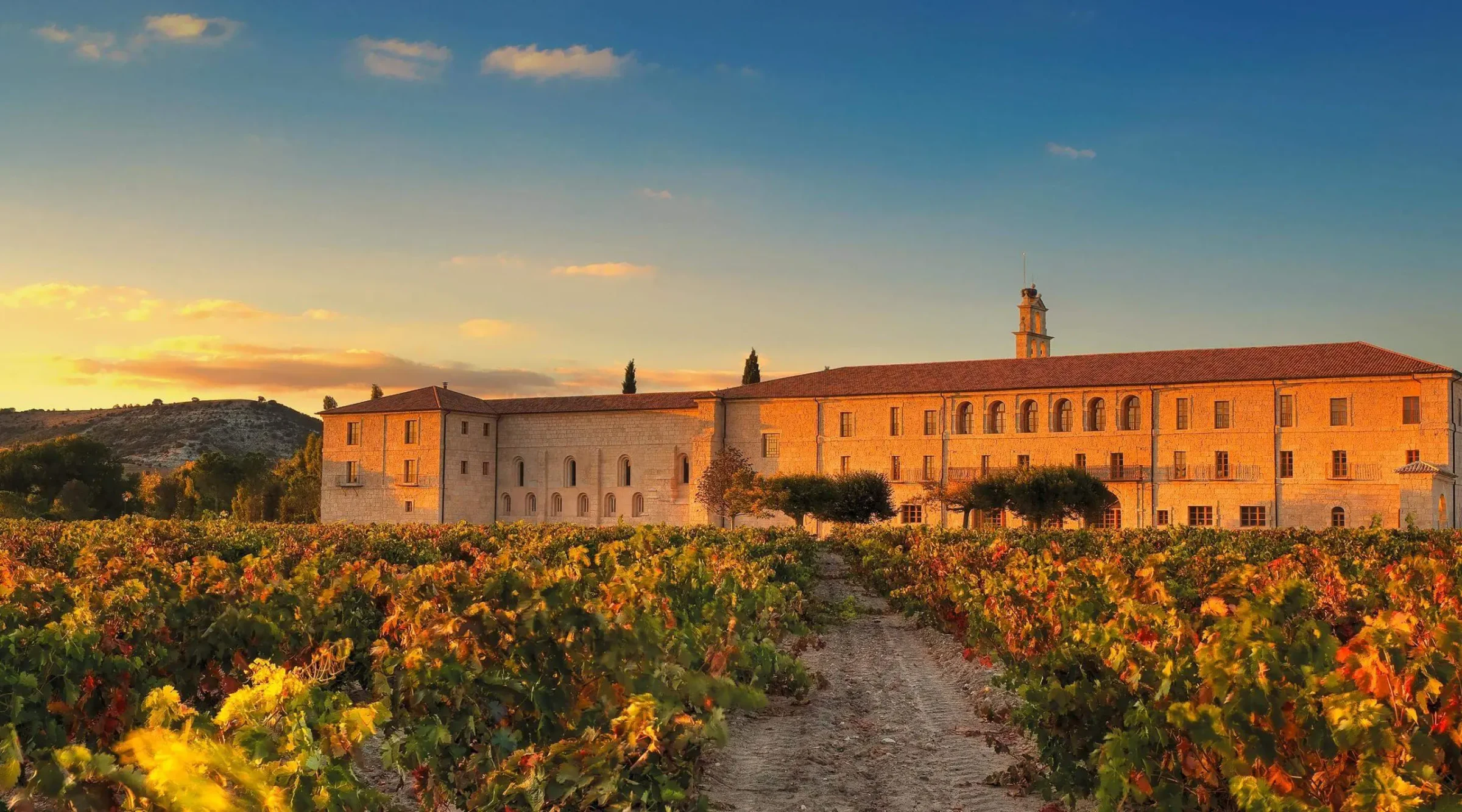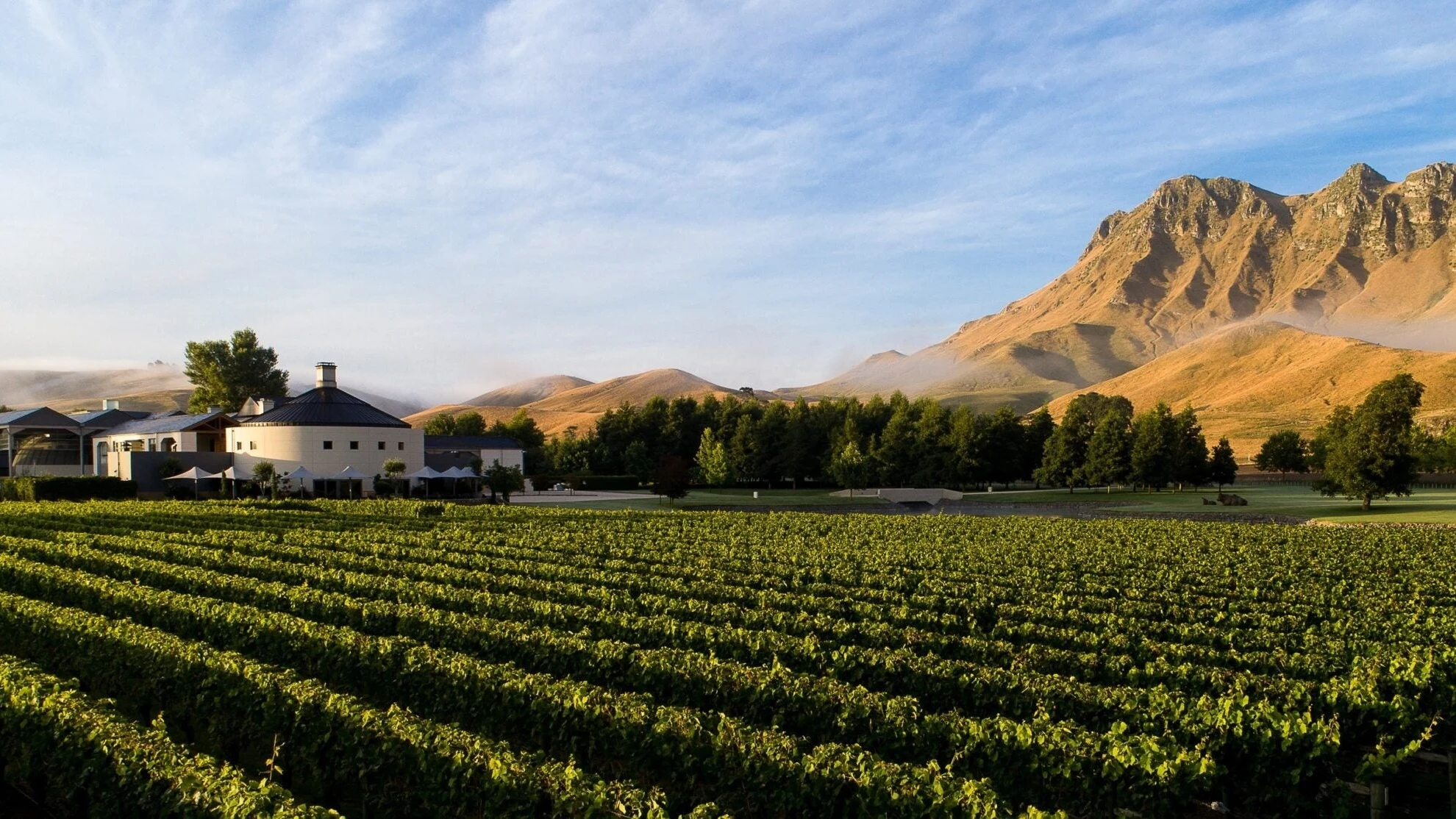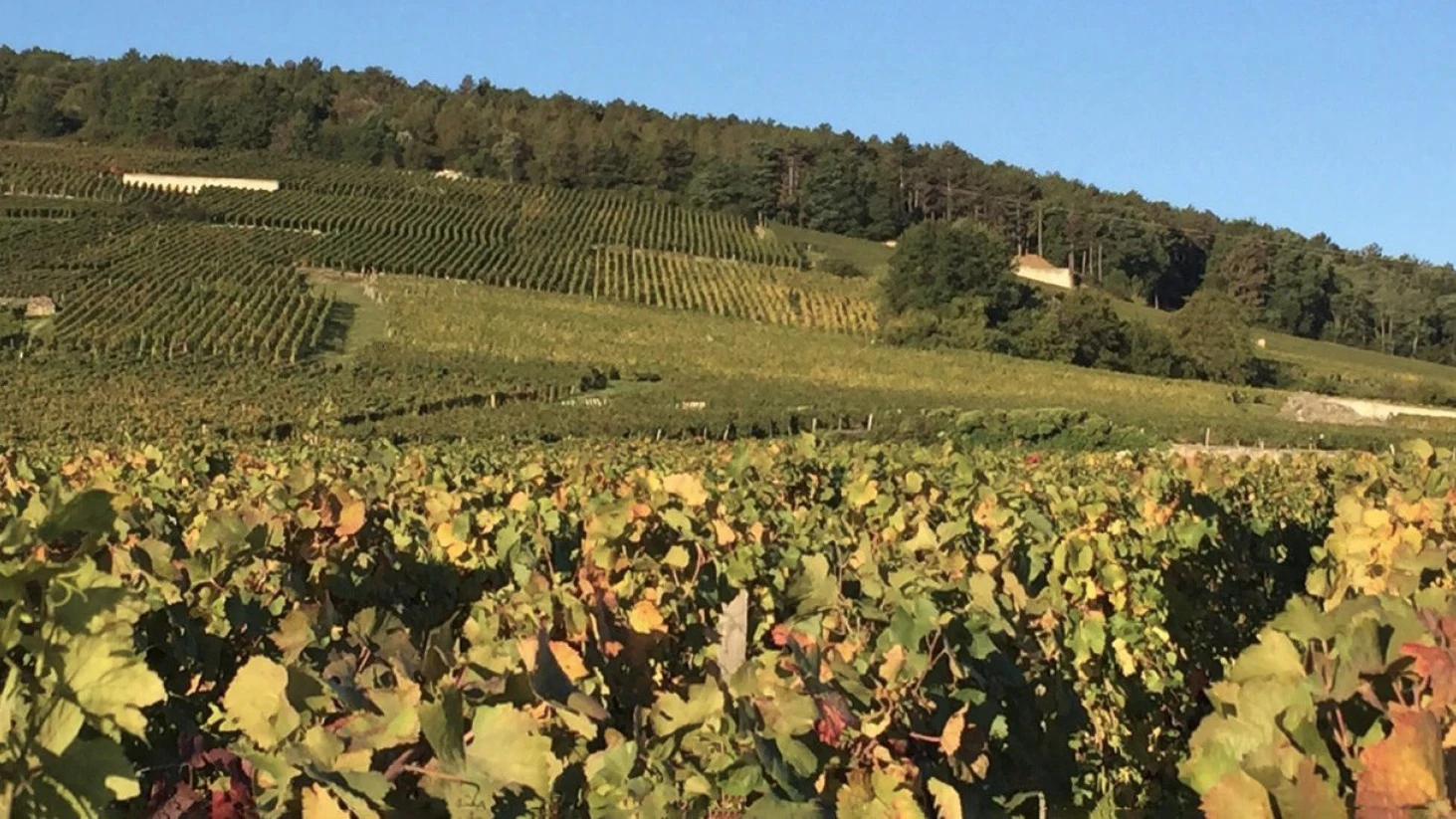
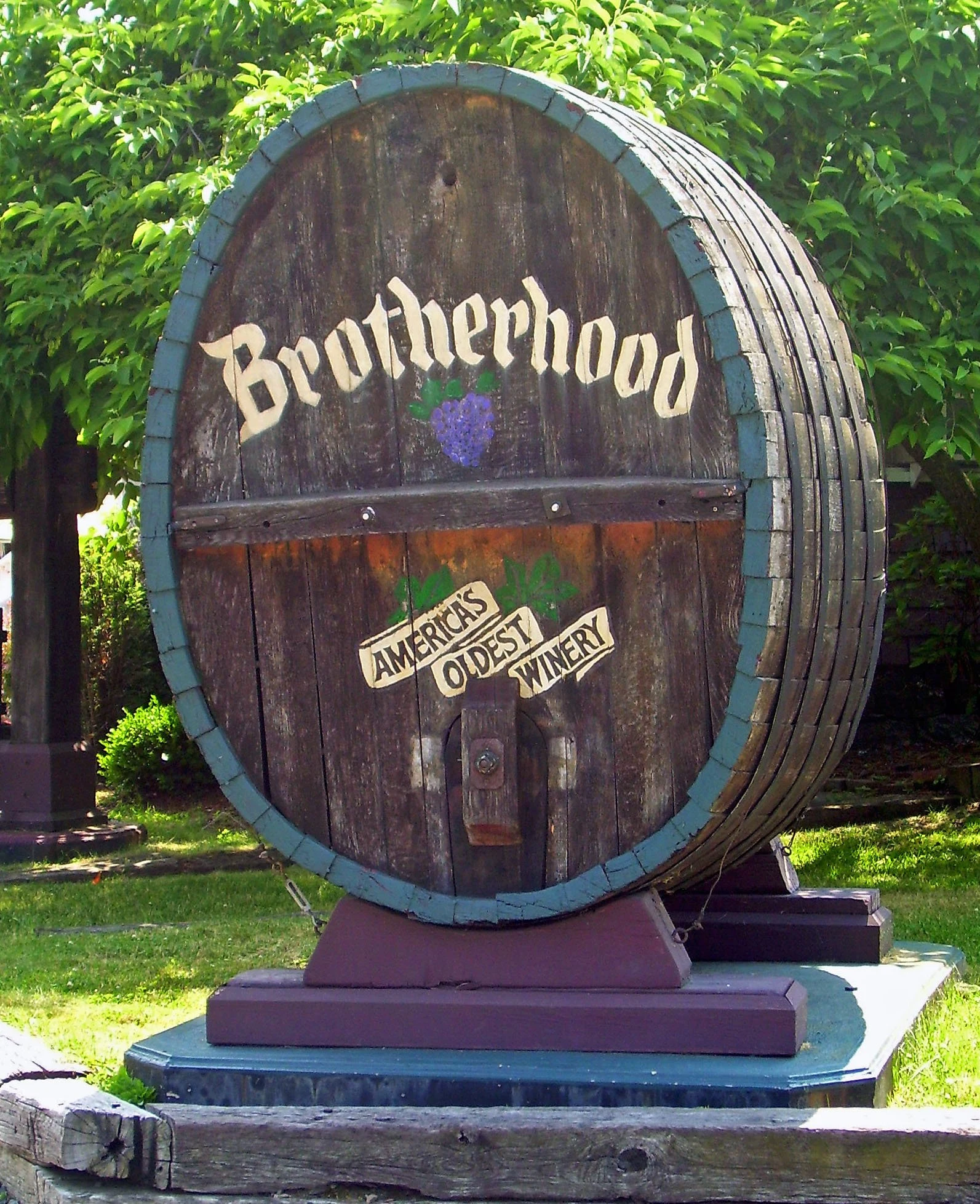
Brotherhood Winery in Washingtonville, New York, holds the distinction of operating continuously longer than any other winery in the United States, making it a reference point for Hudson Valley viticulture rather than simply a destination. Awarded a Pearl 3 Star Prestige rating in 2025, it occupies a tier above the regional average and draws visitors who treat the Hudson Valley as serious wine country rather than a weekend diversion.
<h2>The Hudson Valley's Oldest Continuous Winemaking Site</h2><p>The Hudson Valley does not have the international recognition of Napa or the Willamette Valley, but it has something those regions cannot manufacture: depth of continuous winemaking history. Brotherhood Winery in Washingtonville, New York, sits at the far end of that timeline, operating without interruption longer than any other winery in the United States. That single fact reshapes how you read everything else about the property, the cellars, the site, the terroir. Brotherhood Winery is a winery in Washingtonville, New York, with a 2025 Pearl 3 Star Prestige rating and a casual dress code. You are not visiting a new project with aspirations; you are visiting a place that has been doing this since well before American wine was taken seriously by anyone.</p><p>For visitors coming from New York City, Washingtonville is an easy drive north by car, placing Brotherhood in the accessible tier of Hudson Valley wine country rather than the deep-rural category. The surrounding region has matured considerably over the past two decades, and Brotherhood functions as both a historical anchor and a practical entry point for those mapping the Valley's wine geography for the first time. Our full Washingtonville restaurants guide covers the broader picture of what the town and its surroundings offer beyond the winery itself.</p><h2>Terroir in a Cold-Climate Context</h2><p>Cold-climate viticulture demands a different set of concessions than winemaking in California or the Pacific Northwest. The Hudson Valley sits at roughly the same latitude as southern France, but its continental climate, cold winters, humid summers, the risk of late frost, creates conditions that push winemakers toward hybrid varieties and cold-hardy European vinifera with more deliberate site selection than you would need in, say, Paso Robles. At <a href="https://www.enprimeurclub.com/wineries/adelaida-vineyards">Adelaida Vineyards</a> on the Central Coast or <a href="https://www.enprimeurclub.com/wineries/alban-vineyards">Alban Vineyards in Arroyo Grande</a>, the climate conversation centers on heat summation and dry-farmed stress. In the Hudson Valley, the conversation starts with winter hardiness and canopy management in a high-humidity environment.</p><p>What Brotherhood's longevity demonstrates, above all else, is that the Hudson Valley can sustain continuous wine production across centuries of climate variability. The region's soils, largely derived from glacial deposits and shale, drain reasonably well and offer mineral character that can express in the glass when yields are managed carefully. The site itself carries the kind of accumulated viticultural history, rootstock knowledge, microclimate observation, cellar infrastructure built over generations, that newer American wine regions are still in the process of accumulating. <a href="https://www.enprimeurclub.com/wineries/adelsheim-vineyard-newberg-winery">Adelsheim Vineyard in Newberg</a>, widely credited with establishing serious Pinot Noir in Oregon's Willamette Valley, took decades to build that institutional knowledge. Brotherhood has been building its equivalent since the nineteenth century.</p><h2>What the 2025 Pearl 3 Star Prestige Rating Signals</h2><p>EP Club's Pearl 3 Star Prestige award for 2025 places Brotherhood in the upper tier of properties evaluated for a combination of experience quality, historical significance, and overall execution. In a regional context where many Hudson Valley wineries operate at a visitor-experience level calibrated to casual weekend tourism, a Prestige rating signals something more considered: attention to the full visit, not just the pour.</p><p>For comparative context, the American wine properties that consistently draw Prestige-level recognition tend to share certain characteristics, defined tasting formats, knowledgeable staff, physical spaces that communicate the seriousness of the wine program, and a narrative grounded in the site rather than in marketing abstraction. Among California peers, properties like <a href="https://www.enprimeurclub.com/wineries/accendo-cellars">Accendo Cellars in St. Helena</a>, <a href="https://www.enprimeurclub.com/wineries/alpha-omega-winery-rutherford-winery">Alpha Omega Winery in Rutherford</a>, and <a href="https://www.enprimeurclub.com/wineries/aubert-wines">Aubert Wines in Calistoga</a> occupy similar prestige tiers through different routes, allocation rarity, critical scores, or provenance storytelling. Brotherhood's route is historical depth and cellar infrastructure that no other American winery can replicate.</p><p>This is not a winery competing on single-vineyard Cabernet scores or cult allocation waitlists. It competes on the grounds that no visit to American wine history is complete without understanding what continuous production across this length of time actually looks like in physical form, the aging cellars, the architecture, the accumulated infrastructure of a working winery that never closed.</p><h2>The Underground Cellars as Physical Evidence</h2><p>In most wine regions, cellar tours are atmospheric additions to the tasting experience. At Brotherhood, the underground cellars are the experience itself. The cellars predate Prohibition, survived it (Brotherhood maintained production under a sacramental wine license during those years), and have continued in use since. That is a specific and verifiable kind of history that places this site in a different category from properties that have reconstructed period aesthetics for effect.</p><p>The physical environment of aging stone cellars, built for function rather than hospitality, carries a different register than the polished architecture you encounter at, say, <a href="https://www.enprimeurclub.com/wineries/artesa-vineyards-and-winery">Artesa Vineyards and Winery in Napa</a> or <a href="https://www.enprimeurclub.com/wineries/andrew-murray-vineyards">Andrew Murray Vineyards in Los Olivos</a>. Those properties were designed, in whole or in part, as visitor destinations. Brotherhood's cellars were built to make wine and have simply continued doing so. The difference is legible when you're standing in them.</p><h2>Placing Brotherhood in the American Winery Conversation</h2><p>American wine culture has, over the past two decades, developed a more sophisticated vocabulary for discussing old-vine character, site expression, and the value of institutional winemaking knowledge. That conversation has mostly centered on California, with Oregon's Willamette Valley and Washington State as secondary focal points. The Hudson Valley, despite its history, has operated largely outside that critical conversation.</p><p>Brotherhood's 2025 recognition is one signal that this may be shifting. The Valley's proximity to New York City, and the city's deepening engagement with domestic wine culture, creates the conditions for a more serious critical look at what the region actually produces. Properties like <a href="https://www.enprimeurclub.com/wineries/au-bon-climat-santa-barbara-winery">Au Bon Climat in Santa Barbara</a>, <a href="https://www.enprimeurclub.com/wineries/alexander-valley-vineyards-geyserville-winery">Alexander Valley Vineyards in Geyserville</a>, and <a href="https://www.enprimeurclub.com/wineries/babcock-winery-vineyards-lompoc-winery">Babcock Winery in Lompoc</a> built their reputations partly by insisting their regions deserved serious critical attention before that attention fully arrived. The Hudson Valley is at an earlier stage of that same argument, and Brotherhood carries more historical credibility in making it than any other site in the region.</p><p>For reference points outside the American context, long-operating European wineries, including <a href="https://www.enprimeurclub.com/wineries/achaia-clauss-patras-winery">Achaia Clauss in Patras</a>, one of Greece's oldest operating commercial wineries, and <a href="https://www.enprimeurclub.com/wineries/aberlour-aberlour-winery">Aberlour in Speyside</a>, where production continuity is similarly treated as a credential, demonstrate that operational longevity translates into a specific kind of visitor authority. Brotherhood occupies that same position in the American wine context: the site where continuous production history is itself the argument.</p><p>Visitors who approach Brotherhood with the same seriousness they would bring to a tasting at a historic European estate will find the experience rewarding in proportion to that seriousness. Those expecting the approachable, Instagram-optimized format of a newer American tasting room will find a different kind of place entirely. That gap in expectation is not a flaw; it is the point. <a href="https://www.enprimeurclub.com/wineries/br-cohn-winery-glen-ellen-winery">B.R. Cohn Winery in Glen Ellen</a> offers a useful contrast within the American context: a property where history and accessibility are deliberately balanced toward the casual visitor. Brotherhood sits at the other end of that spectrum, where the weight of the site's age is the primary experience.</p><h2>Planning Your Visit</h2><p>Brotherhood Winery is located at 100 Brotherhood Plaza Dr, Washingtonville, NY 10992. The property is accessible from New York City by car via the I-87 corridor, making it a viable day trip or a stop within a longer Hudson Valley itinerary. Given the 2025 Pearl 3 Star Prestige recognition, visitor demand at peak weekend periods should be anticipated. Direct contact with the winery before visiting is advisable to confirm current tasting formats, hours, and any structured tour availability, as cellar tour schedules at historic properties of this scale often operate on fixed times rather than open-access formats.</p>
Brotherhood sits closer to the formal end of the Hudson Valley winery spectrum. Its historical infrastructure — including intact underground cellars — and the 2025 Pearl 3 Star Prestige recognition from EP Club shape an experience that prioritises structured engagement over drop-in tastings. Visitors should expect something closer to a guided heritage visit than an afternoon at a casual farm winery.
Brotherhood Winery has received recognition including: Pearl 3 Star Prestige (2025).
Brotherhood's primary claim is not varietal fame in the way a Napa Cabernet house builds its identity. Its reputation rests on longevity and continuity: this is the oldest continuously operating winery in the United States, producing wine through Prohibition and beyond. The Hudson Valley's cold-climate conditions favour hybrid and cold-hardy varieties, which give Brotherhood's portfolio a regional character distinct from California or Pacific Northwest benchmarks.
Brotherhood Winery is located at 100 Brotherhood Plaza Dr, Washingtonville, NY 10992, Washingtonville.
No other winery in the United States has operated continuously for as long as Brotherhood, located at 100 Brotherhood Plaza Dr, Washingtonville, NY. That unbroken production history, combined with intact underground cellars and a 2025 Pearl 3 Star Prestige rating from EP Club, places it in a category that American wine regions built in the 20th century simply cannot replicate.
For weekend visits, booking ahead is the sensible approach — particularly following the 2025 Pearl 3 Star Prestige recognition, which has sharpened national attention on the property. Structured cellar tours at historically significant sites typically operate on fixed schedules with limited capacity, so arriving without a reservation carries real risk of missing the underground cellars entirely.
100 Brotherhood Plaza Dr, Washingtonville, NY 10992
Washingtonville