Burn Cottage
- 01CityLake Dunstan, New Zealand
- Falstaff Winery - 4 Stars · 2026
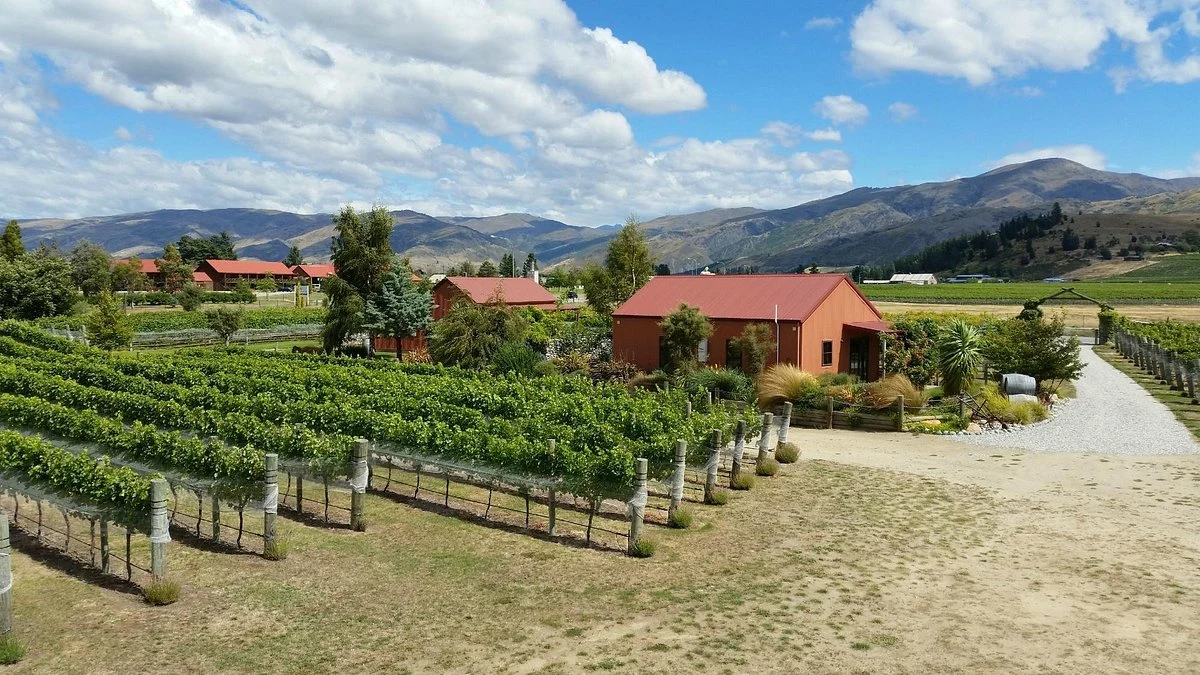
Above Lake Dunstan, Burn Cottage is best understood as a quiet farm-vineyard setting rather than a high-traffic tourist facility. The picture is intimate and scenic: amphitheatre-like slopes above the lake, views toward snow-capped mountains, and a focus on thoughtful, small-scale, biodynamic winegrowing. Those are the essential elements to hold onto, because they define the venue more clearly than any broad claim about visitor infrastructure or commercial scale could.
The useful way to frame it is as a Lake Dunstan winegrowing estate where the setting and farming philosophy are the central facts. In other words, Burn Cottage is not primarily presented through the language of spectacle, convenience, or a busy itinerary stop. It reads as a place where the landscape, the vineyard, and the method of farming carry the experience, and where the slower qualities of the site matter as much as the views themselves.
Biodynamic farming above Lake Dunstan
Burn Cottage’s confirmed identity rests on biodynamic winegrowing in a quiet farm-vineyard landscape. The emphasis is not on spectacle or volume, but on a small-scale approach to the land and the vineyard. That distinction is important for travellers, because it sets the tone before arrival: the appeal is grounded in care, restraint, and a close reading of place rather than in a broad visitor-facing production.
The amphitheatre-like slopes above Lake Dunstan are an important part of the experience. They give the property its sense of enclosure and perspective, with open views across the lake setting and toward snow-capped mountains. The terrain helps explain why the estate is described in such site-led terms; the slope, outlook, and surrounding scenery are not background decoration, but part of the way Burn Cottage is understood.
For visitors, the appeal is therefore contextual rather than checklist-driven. Burn Cottage is a place to understand through its landscape, its restrained pace, and its commitment to biodynamic growing, not through claims about a specific tasting format, menu, bottle list, or visitor schedule. The strongest reading is one of atmosphere and orientation: a farm-vineyard above the lake, shaped by its slopes and by a philosophy that places farming practice at the centre.
That context also helps keep expectations accurate. A visitor drawn to Burn Cottage should be interested in what the setting communicates: quiet, scale, and a considered relationship with the land. The biodynamic focus is part of that identity, but it is best treated as one element within the wider farm-vineyard picture, rather than as a cue to assume details that are not stated in the record.
A site-led winegrowing estate, not a spectacle
The information supports a simple editorial point: Burn Cottage is positioned around thoughtful, small-scale winegrowing. Its value lies in the relationship between farm, vineyard, slope, and scenery rather than in a large visitor operation. That makes the estate feel more closely connected to its immediate environment than to the usual language of destination tourism.
This site-led character matters because it changes the way the venue should be approached. The lake setting, the mountain outlook, and the amphitheatre-like form of the slopes provide the frame, while the biodynamic farming philosophy supplies the underlying purpose. Together, they create a clear but restrained identity: not loud, not overstated, and not dependent on invented details to make it seem more significant.
Travellers planning around Lake Dunstan should treat the available information carefully. For a broader day in the area, use general Lake Dunstan dining, hotel, bar, and experience planning resources alongside any current information from the venue itself. That is especially relevant here because the record supports the character of the place more strongly than it supports assumptions about practical arrangements, visitor flow, or a fixed style of service.
Seen in that way, Burn Cottage works best as a point of landscape and winegrowing context within a Lake Dunstan plan. It is not necessary to overstate the case. The farm-vineyard setting, the slopes above the lake, and the commitment to small-scale biodynamic growing are enough to explain why it stands apart from more conventional visitor stops.
The travel value is in patience and context
Burn Cottage is not described in the record as a high-traffic stop. It suits travellers who are comfortable with a quieter, more reflective farm-vineyard setting and who value the context behind biodynamic winegrowing. That kind of visit asks for patience: the reward is not a long list of features, but a clearer sense of how land, outlook, and farming philosophy come together in one Lake Dunstan estate.
That restraint is part of the appeal. In Lake Dunstan, the combination of slopes, lake outlook, mountain views, and small-scale farming gives Burn Cottage a clear sense of place without needing invented details about awards, founders, production figures, or service style. The most useful description remains the most grounded one: a scenic, intimate winegrowing estate where the landscape and the biodynamic approach do the explanatory work.
The editorial case is direct: Burn Cottage is for visitors drawn to landscape, calm, and thoughtful winegrowing. Keep expectations grounded, confirm practical details directly before travelling, and approach it as an intimate Lake Dunstan farm-vineyard rather than a conventional tourist facility. With that frame, the venue’s value becomes easier to understand: it lies in quiet attention to place, in the way the slopes hold the vineyard above the lake, and in the measured character of a small-scale estate shaped by its setting.
Questions
Frequently asked
How expensive is Burn Cottage?
Burn Cottage is listed at a price level of $$$.
The field
How it compares
| Place | Notes | Awards |
|---|---|---|
| Burn Cottage | Lowburn / Cromwell Basin, $$$ | · |
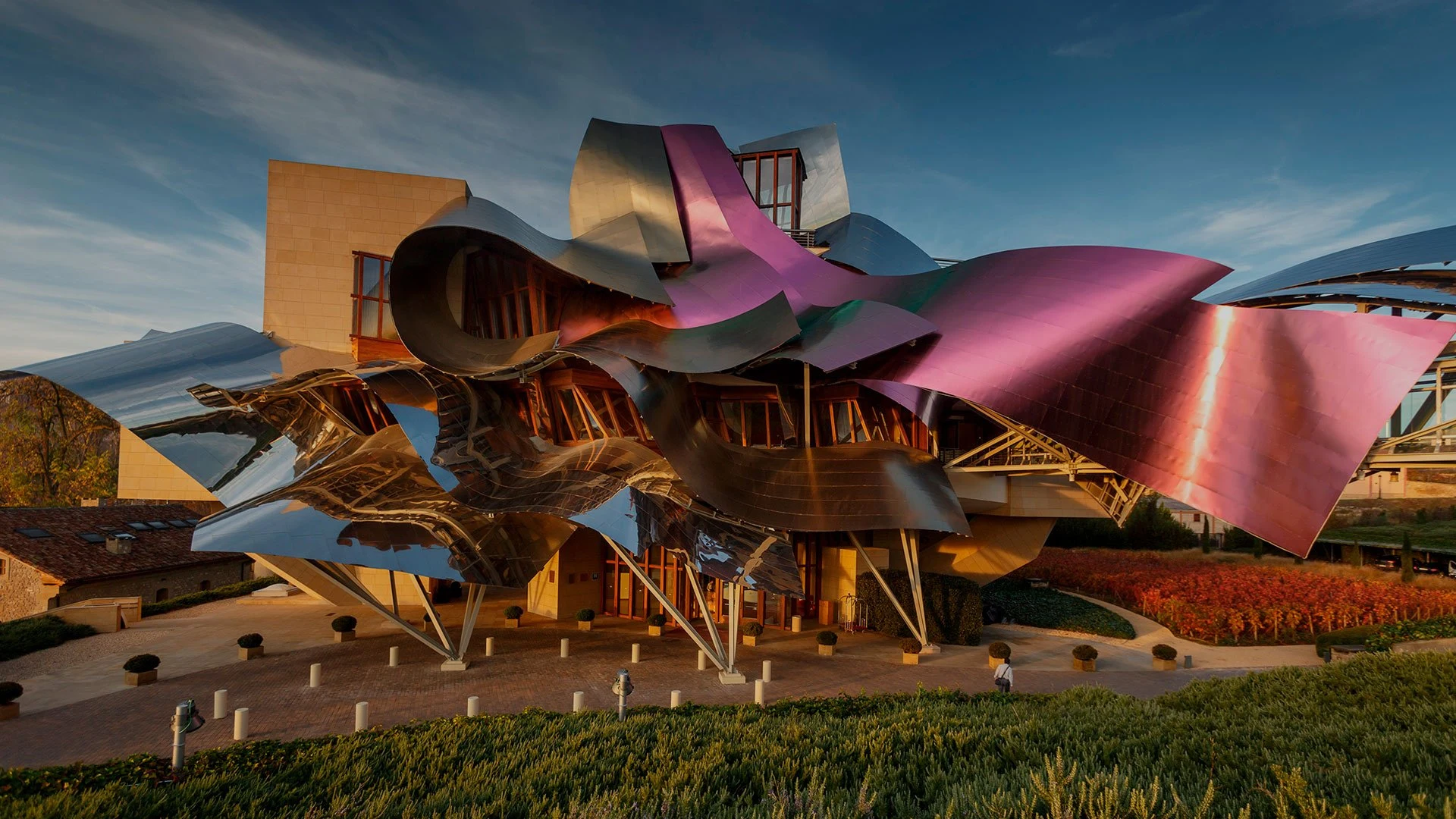
| Bodegas de los Herederos del Marqués de Riscal | Elciego | World's 50 Best |
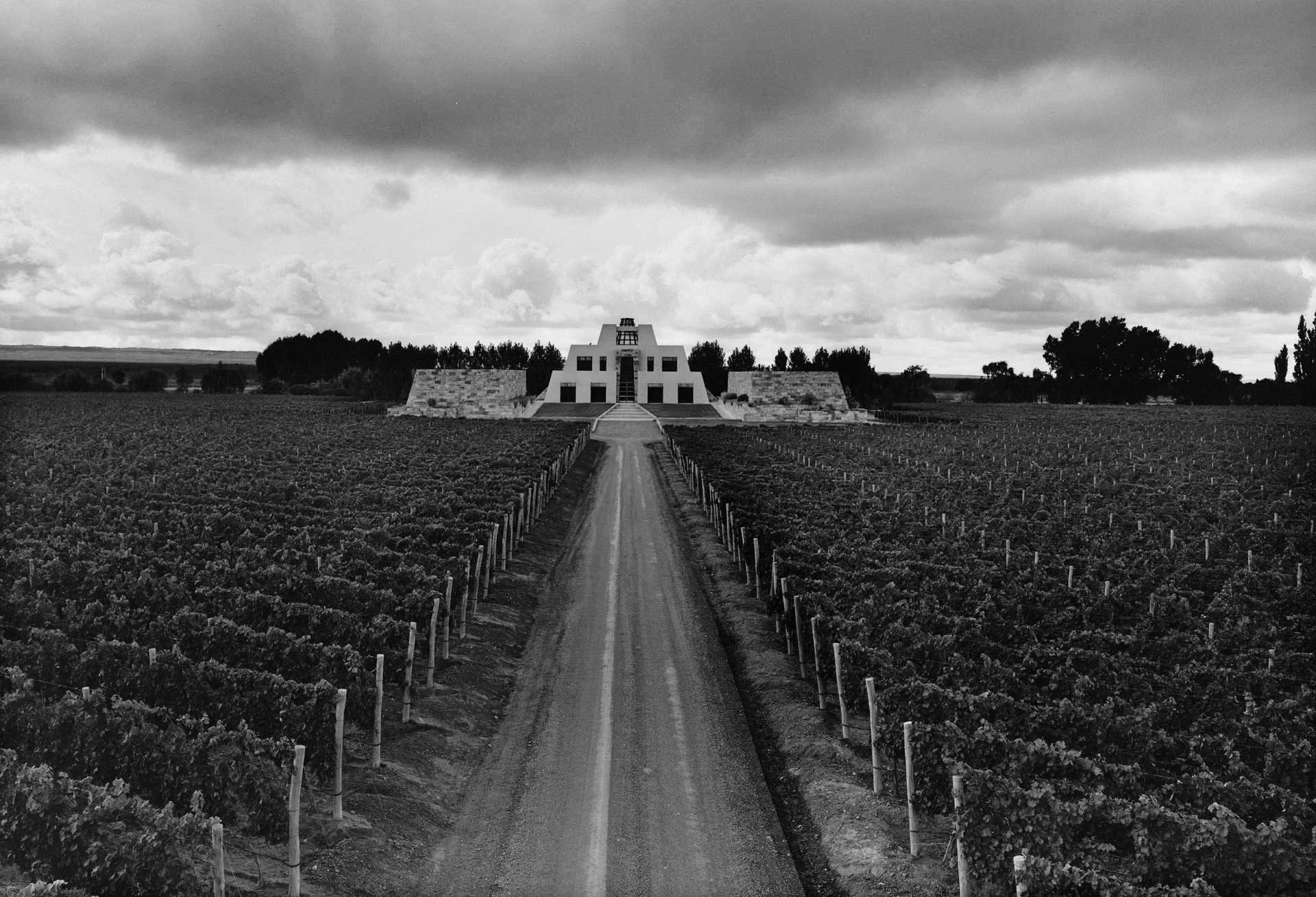
| Catena Zapata | Agrelo | World's 50 Best |
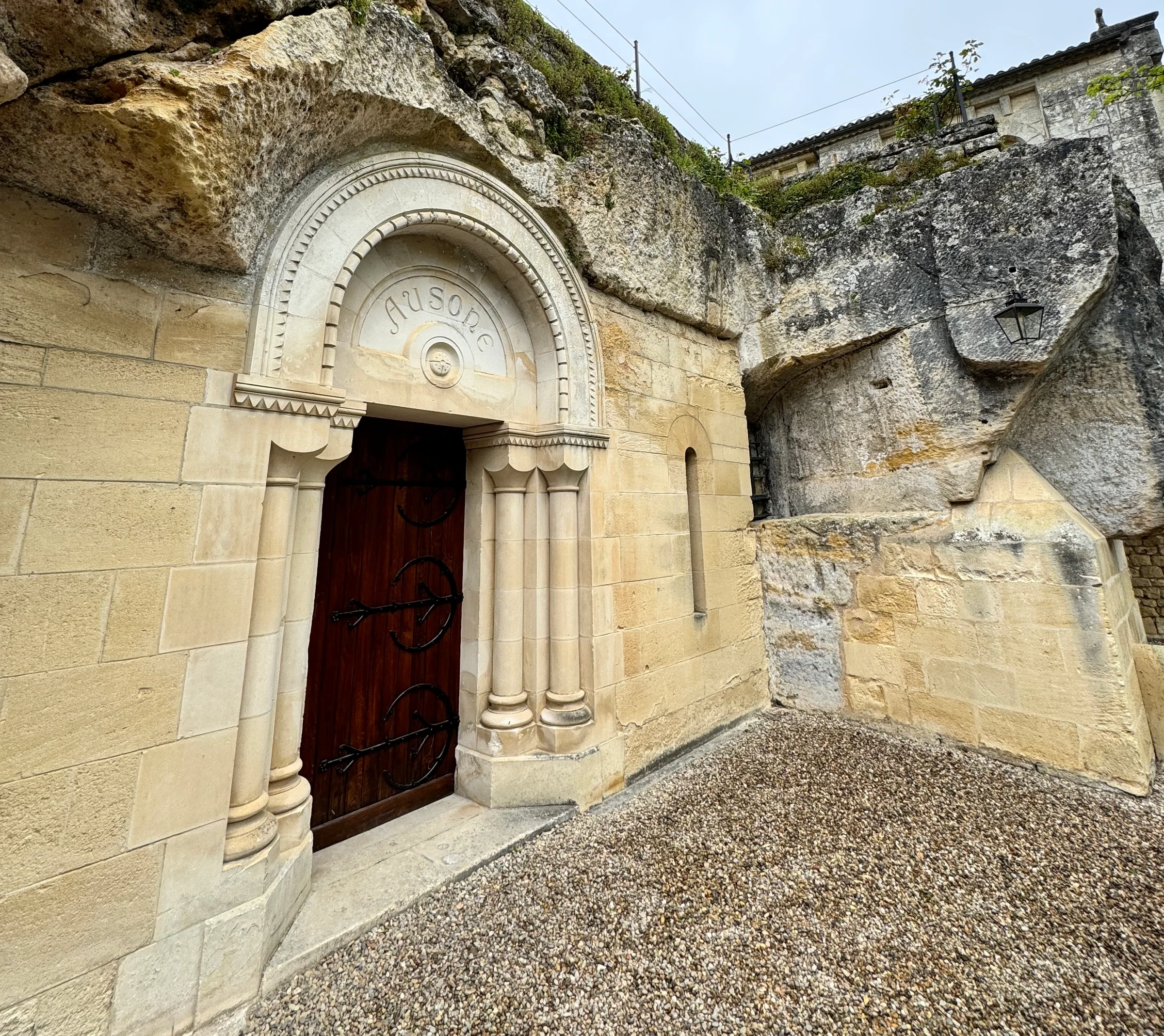
| Chateau Ausone | Saint-Émilion | · |
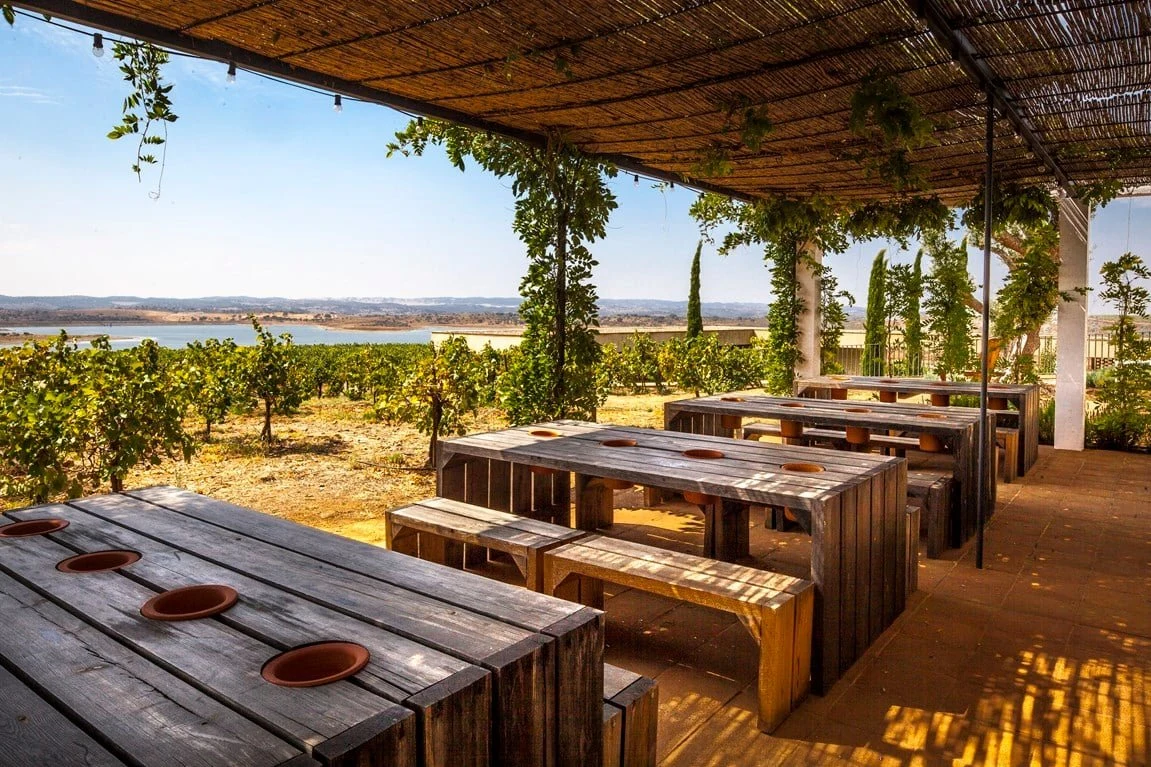
| Herdade do Esporão | Reguengos de Monsaraz | World's 50 Best |
| Ridge Vineyards | Cupertino | World's 50 Best |
| Viña Montes | Santa Cruz | World's 50 Best |