From the people index
Recommended by
2 trusted voices point here.

More than 50 pork breeds
- Tabelog 100 #49: 3.6pts · 2026
- Opinionated About Dining Casual in Japan Ranked #28 · 2026
- Opinionated About Dining Casual in Japan Ranked #28 · 2025
- Opinionated About Dining Casual in Japan Ranked #29 · 2024
- Opinionated About Dining Casual in Japan Ranked #28 · 2023
The cutlet held on wire mesh
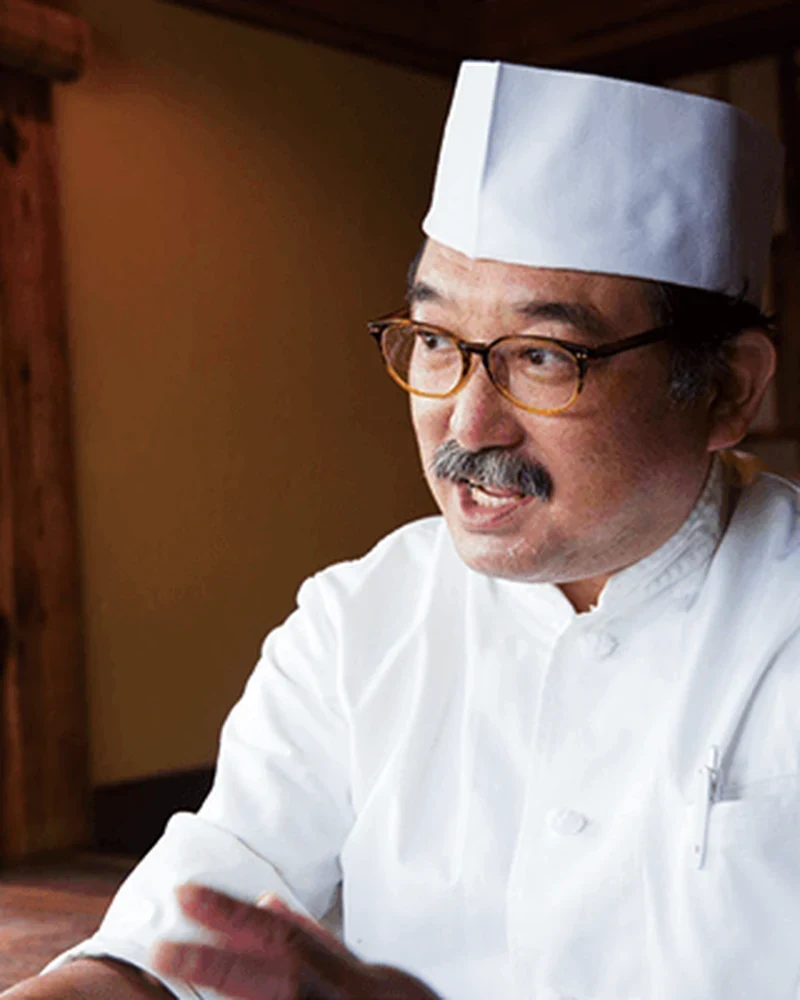
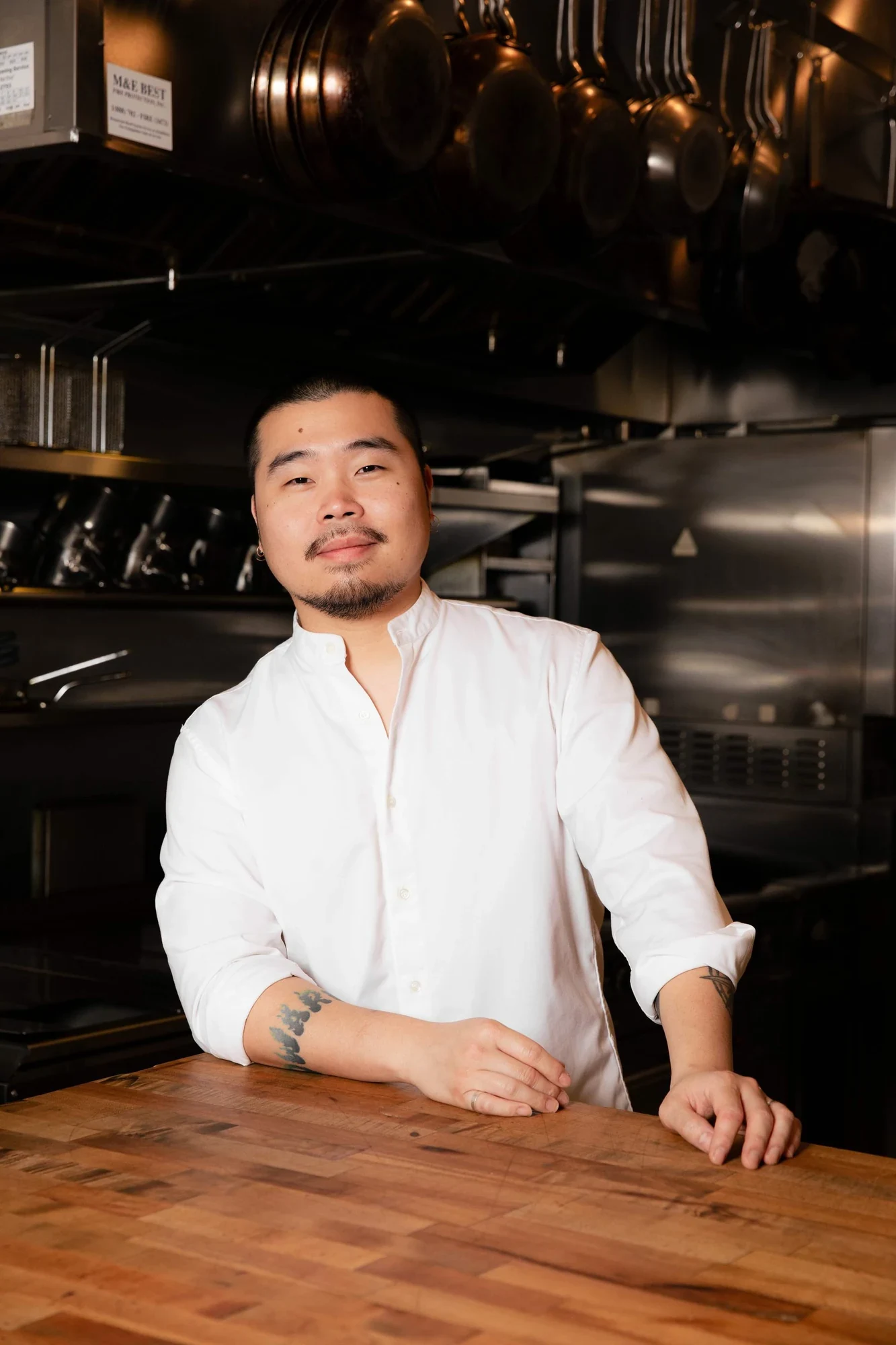
A cutlet rests on wire mesh before Satoshi Oishi, Chef at Butagumi in Nishi-Azabu, Tokyo, cuts it for the plate. The gesture is small, but it tells the house style: fry, pause, slice, keep the crust clear of steam. Oishi works tonkatsu as a discipline of timing, cut, and finish, with a background in French cuisine sitting behind the pork rather than in front of it. The point is not fusion. It is structure.
At the Nishiazabu restaurant, the brief is narrow by design. Butagumi pursues pork cutlet cookery without spreading the menu across a wider fried repertoire, and that restraint gives the kitchen its measure. Rosu Katsu and Hire Katsu carry the center of the work, while Iberico Pork Tonkatsu and Butagumi-zen widen the register without leaving the method. The restaurant does not state who trained Oishi for this station, so the lineage here reads through practice: the composed fry, the clean cut, the refusal to let garnish or sauce become the subject.
More than 50 breeds, one pan of oil
Butagumi is built around choice before heat. The house is known for more than 50 varieties of pork, largely from Japanese regions, with Iberico from Spain among the imports. Daily availability narrows that field, with selections marked on the menu by pink stickers and arranged so the diner can move from leaner cuts toward richer fat. Names such as Kagoshima kurobata, Himuro-buta from Gunma, Hakkin-ton from Iwate, Nakijin-agoo-buta from Okinawa, Golden Boar from Hyogo, and Iberico are not decorative labels here; they are the raw grammar of the meal.
The kitchen fries slowly in sesame oil, aiming for a crust that stays crisp without turning heavy. After the fry, the cutlet goes to wire mesh, then to the knife. Rice is Niigata Koshihikari. Cabbage, pickles, miso, karashi, and sauce complete the plate, but the pork remains the point of reference. Butagumi-zen gives five small portions for comparison, a bench-side lesson in breed, loin, fillet, fat, and finish.
A traditional house off the lane
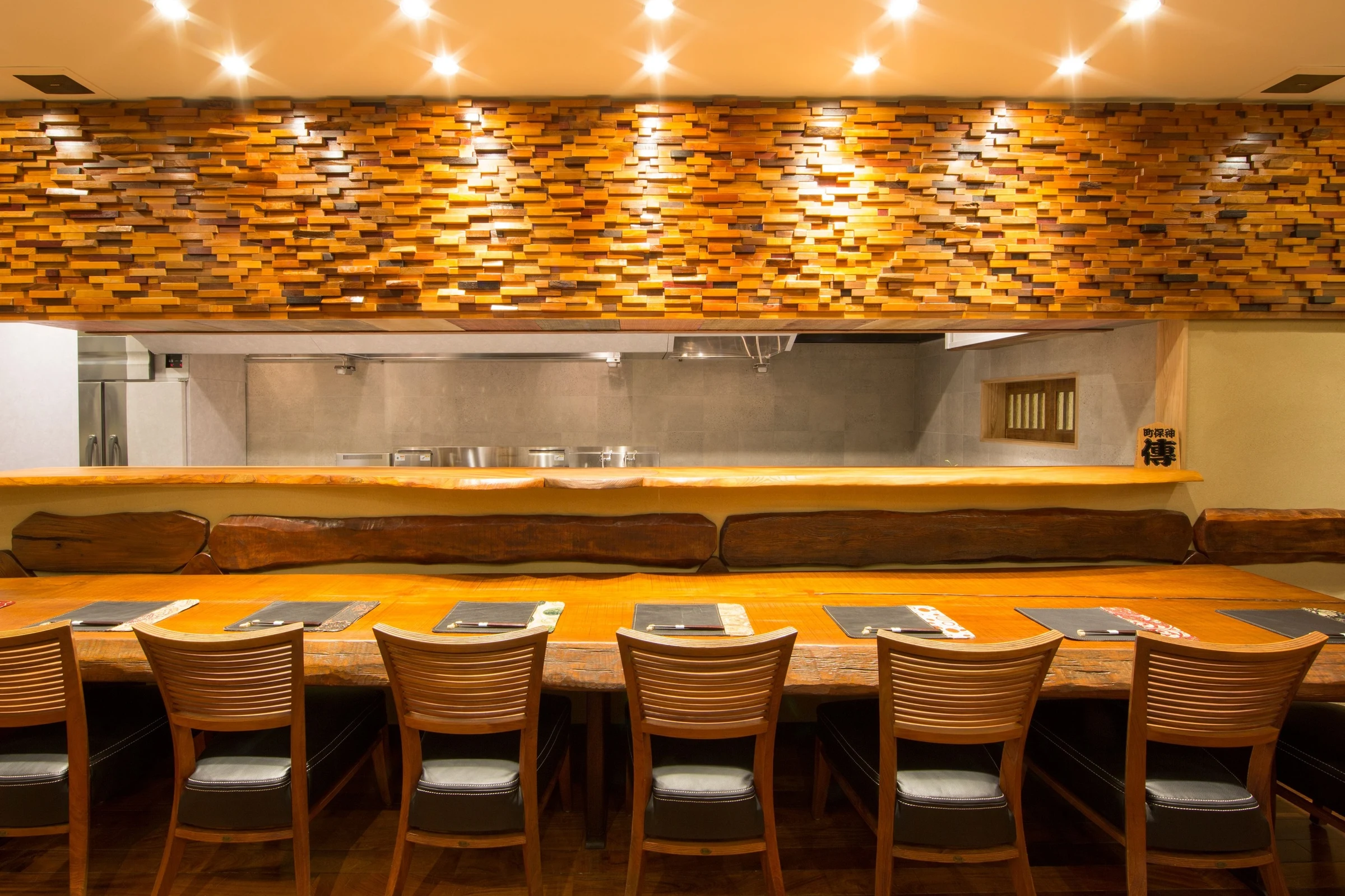
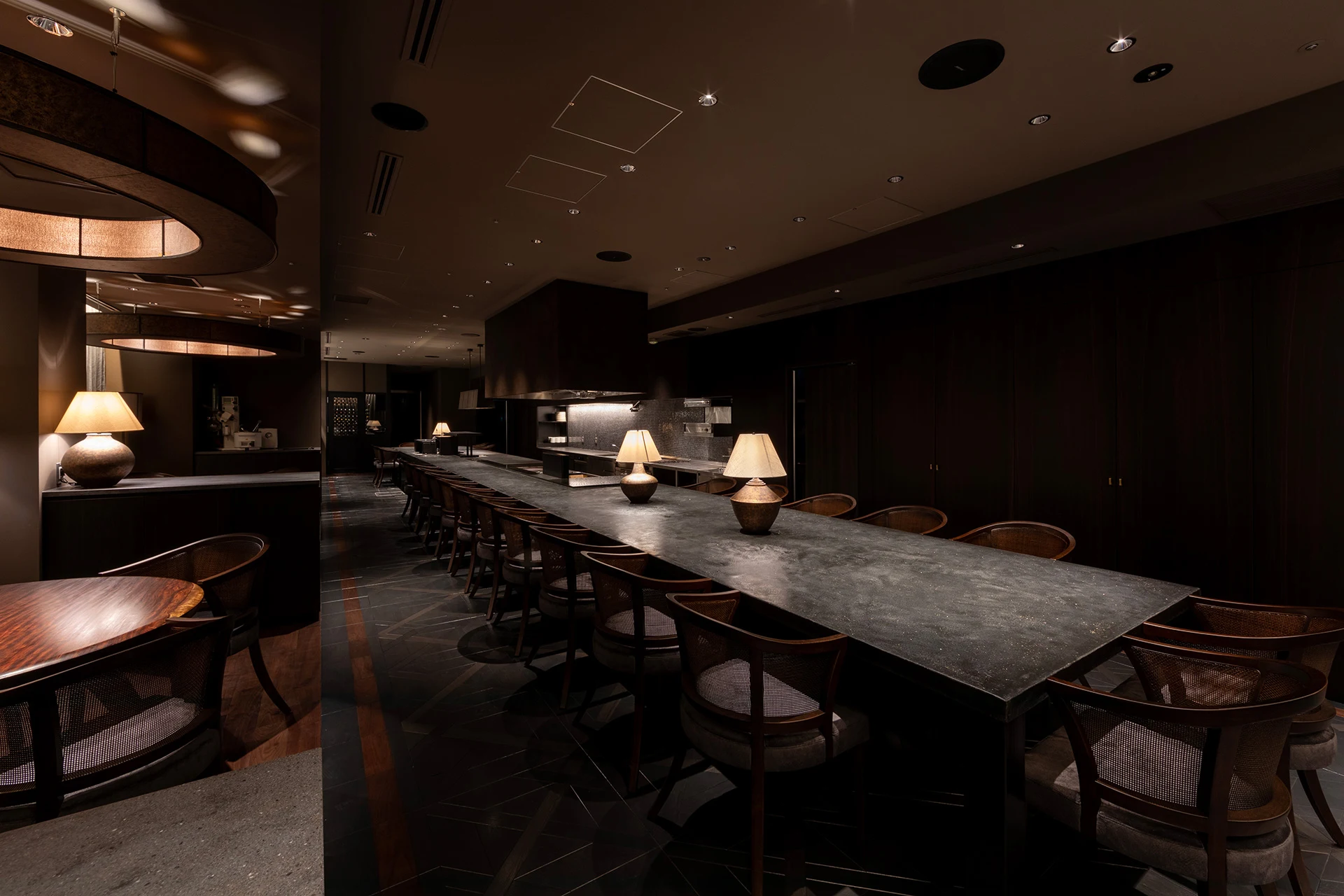
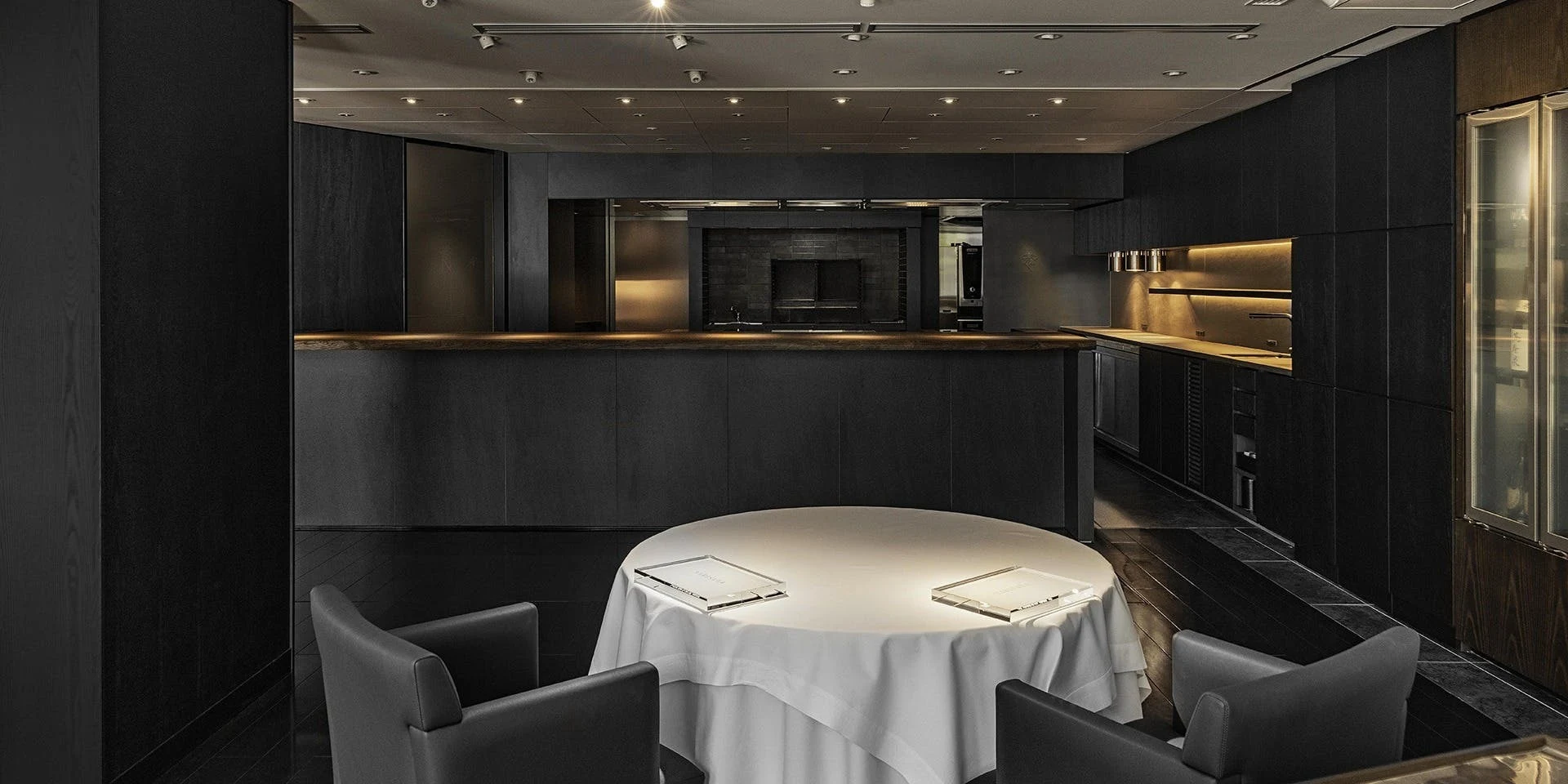
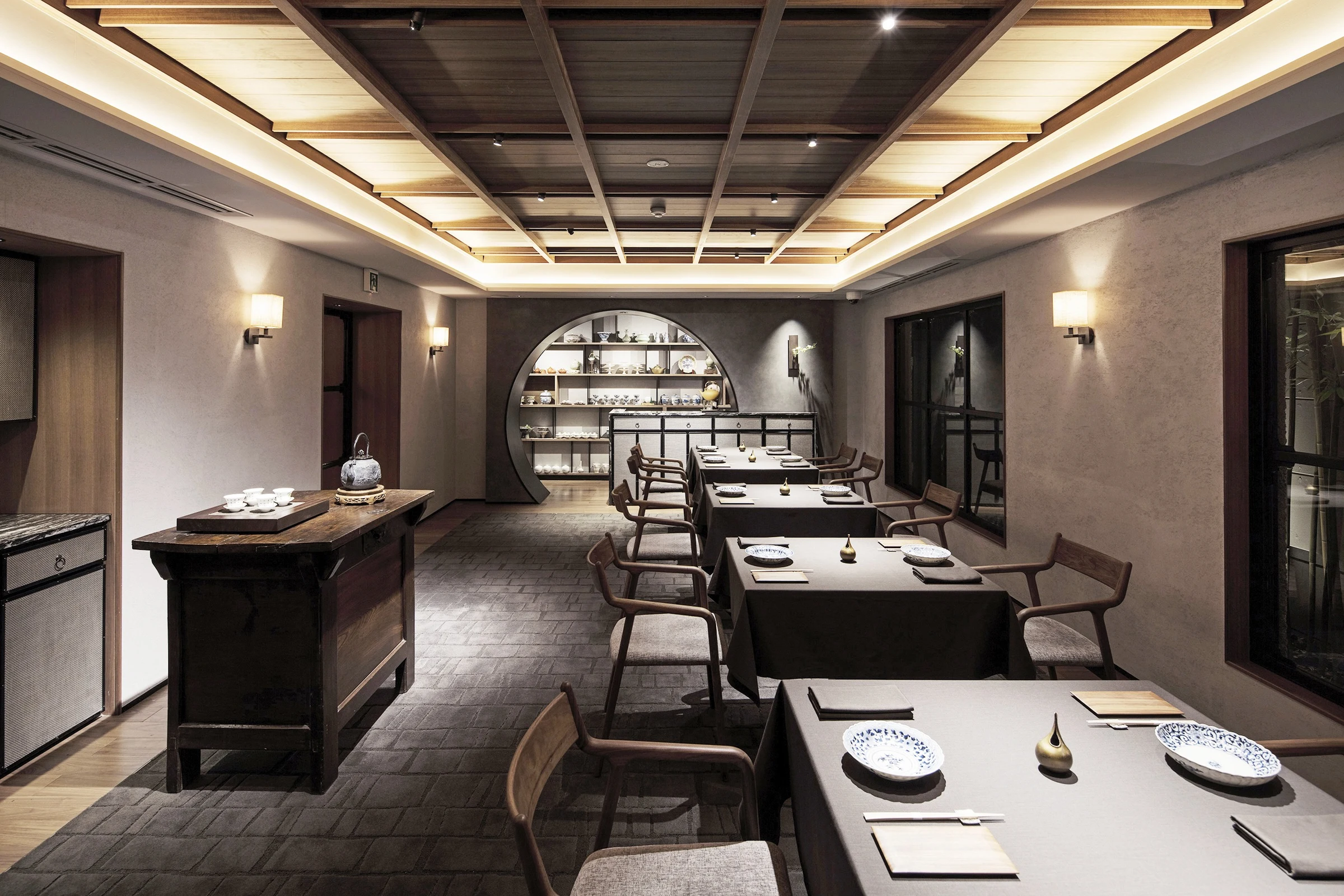
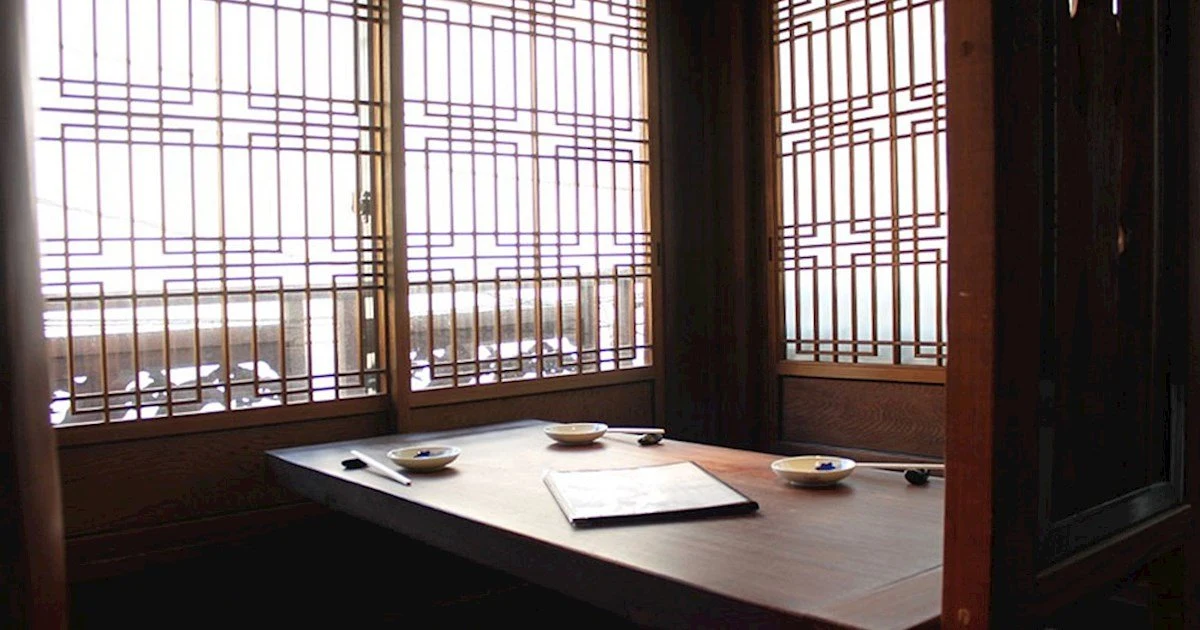
The room in Nishiazabu keeps the work close. Butagumi occupies a traditional Japanese house in a residential lane, with seating on the ground floor and upstairs, a refrigerated pork display near the entry, and walls that hold the marks of the restaurant’s reputation without turning the meal into ceremony. It is comfortable rather than grand, intimate rather than hushed. The conversation level stays human.
That setting matters because tonkatsu is a food of direct appetite, and the house does not try to make it abstract. The counter, the pass, and the table all return attention to the same sequence: pork chosen, breaded, fried, rested, cut. In the original Nishiazabu room, the dish keeps its plain name and gains its depth from Rosu Katsu, Hire Katsu, Iberico Pork Tonkatsu, and Butagumi-zen.
Questions
Frequently asked
What is Butagumi known for?
Butagumi is known for premium tonkatsu made with a wide range of pork breeds, fried slowly in sesame oil and served with a crisp crust. Rosu Katsu and Hire Katsu sit at the centre of the menu, with Iberico Pork Tonkatsu and Butagumi-zen broadening it without moving away from the same method.
Who is in the kitchen at Butagumi?
Chef Satoshi Oishi works the fry station at Butagumi. The house description says he approaches tonkatsu through timing, cut, and finish, with a background in French cuisine behind the pork rather than in front of it.
What kind of dining room does Butagumi have?
The restaurant occupies a traditional Japanese house in a residential lane in Nishi-Azabu. Seating is spread across the ground floor and upstairs, and the room is described as comfortable rather than grand.
How should a booking be made?
Reservations are recommended, and the booking platform is direct.
What should diners expect on the plate?
A meal at Butagumi typically centres on pork cutlet with rice, cabbage, pickles, miso, karashi, and sauce. Rice is Niigata Koshihikari, and the pork remains the point of reference.
The field
How it compares
| Place | Cuisine | Notes | Awards |
|---|---|---|---|
| Butagumi | Premium Tonkatsu | Minato, $$$ | · |
| Den | Modern Japanese Kaiseki | Tokyo | Michelin 2 Stars, World's 50 Best |
| Florilège | Modern French-Japanese Plant-Based Fine Dining | Tokyo | Michelin 2 Stars, World's 50 Best |
| Narisawa | Modern Japanese Satoyama Fine Dining | Tokyo | Michelin 2 Stars, World's 50 Best |
| Quintessence | Modern French Fine Dining | Tokyo | Michelin 3 Stars |
| Sazenka | Modern Chinese Fine Dining | Tokyo | Michelin 3 Stars, World's 50 Best |
| Sézanne | Modern French Fine Dining | Tokyo | Michelin 3 Stars, World's 50 Best |
In residence
Similar places
Modern Japanese Kaiseki
Den
Tokyo, Japan
★★ · 50 Best
Modern French-Japanese Plant-Based Fine Dining
Florilège
Tokyo, Japan
★★ · 50 Best
Modern Japanese Satoyama Fine Dining
Narisawa
Tokyo, Japan
★★ · 50 Best
Modern French Fine Dining
Quintessence
Tokyo, Japan
★★★
Modern Chinese Fine Dining
Sazenka
Tokyo, Japan
★★★ · 50 Best
Modern French Fine Dining
Sézanne
Tokyo, Japan
★★★ · 50 Best