Butchery & Wine
- 01CuisineModern Steakhouse
- 02CityWarsaw, Poland
Minimum 28 days behind glass
- Michelin Plate · 2026
- Opinionated About Dining Casual in Europe Recommended · 2026
- Star Wine List · 2026
- Michelin Plate · 2025
- Michelin Plate · 2024
The cut decides the pace
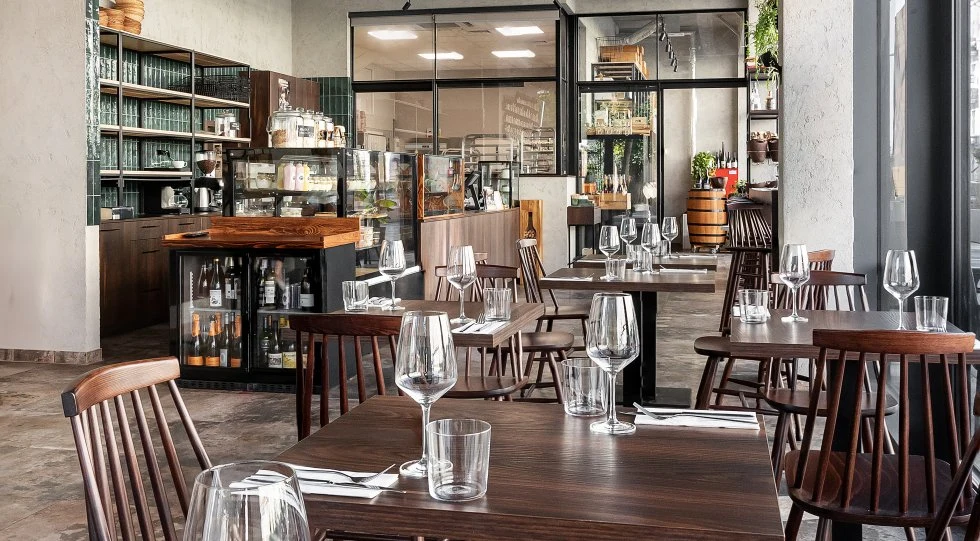
The rib eye waits in the glass-fronted fridge at Butchery & Wine in Warsaw before the kitchen puts heat to it. The house works at Żurawia 22 around Polish beef bought directly from trusted producers and befriended slaughterhouses, imports from Australia, the USA, Ireland, Uruguay and Great Britain, and a kitchen built around what a steak can take. The restaurant opened in March 2010, when this street had not yet become a dining address, and it made dry-aged Polish beef the center of a modern steakhouse in Poland. The house keeps control over breeding, nutrition, transport, slaughter and cutting, which is the practical form its transparency takes. The craft here sits in meat cookery, direct and product-led, with time treated as a working condition rather than a flourish. No lineage is published for the station, so the method has to speak for it: transparent sourcing, clean cutting, and a grill program that asks the cook to know when caramelization has gone far enough. The kitchen’s language stays close to the butcher’s bench. Rib Eye, New York, T-bone, Porterhouse, Flat Iron, Rump, Bavette, sirloin and Chateaubriand are not decorative menu terms here; they are different instructions to the hand.
Twenty-eight days behind glass
The dry-aged steaks spend a minimum 28 days in glass-fronted fridges, where temperature, humidity and airflow do the slow work before the cook begins. That number matters because it is not a mood. It is the house’s threshold for concentration, tenderness and the deeper flavor expected from beef that will meet high heat rather than sauce-heavy disguise. The Bertha oven reaches 500°C, hot enough to push the Maillard reaction quickly, and the kitchen relies on cutting and timing to keep the center in balance with the crust. Bone marrow, tuna tartare and Chateaubriand sit among the named signatures, while the wider menu gives the steak program its frame: homemade black pudding, Kashubian-style fish soup, foie gras, sweetbread, octopus, beef tongue, flaki, escargots with chanterelles, fried duck egg and burrata. The discipline is not only meat. The wine program carries much of the room’s rhythm, with Coravin used for by-the-glass pours and a list strong enough to make red wine part of the cut rather than an afterthought.
A bright room on Żurawia
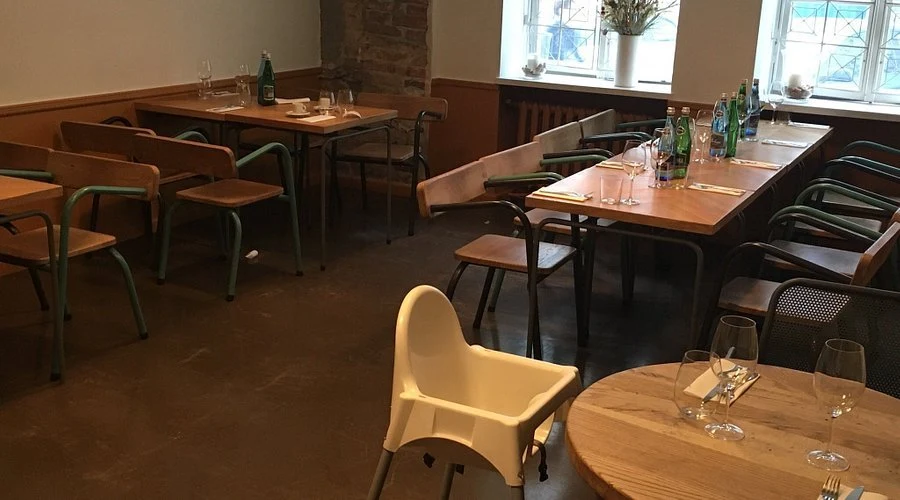
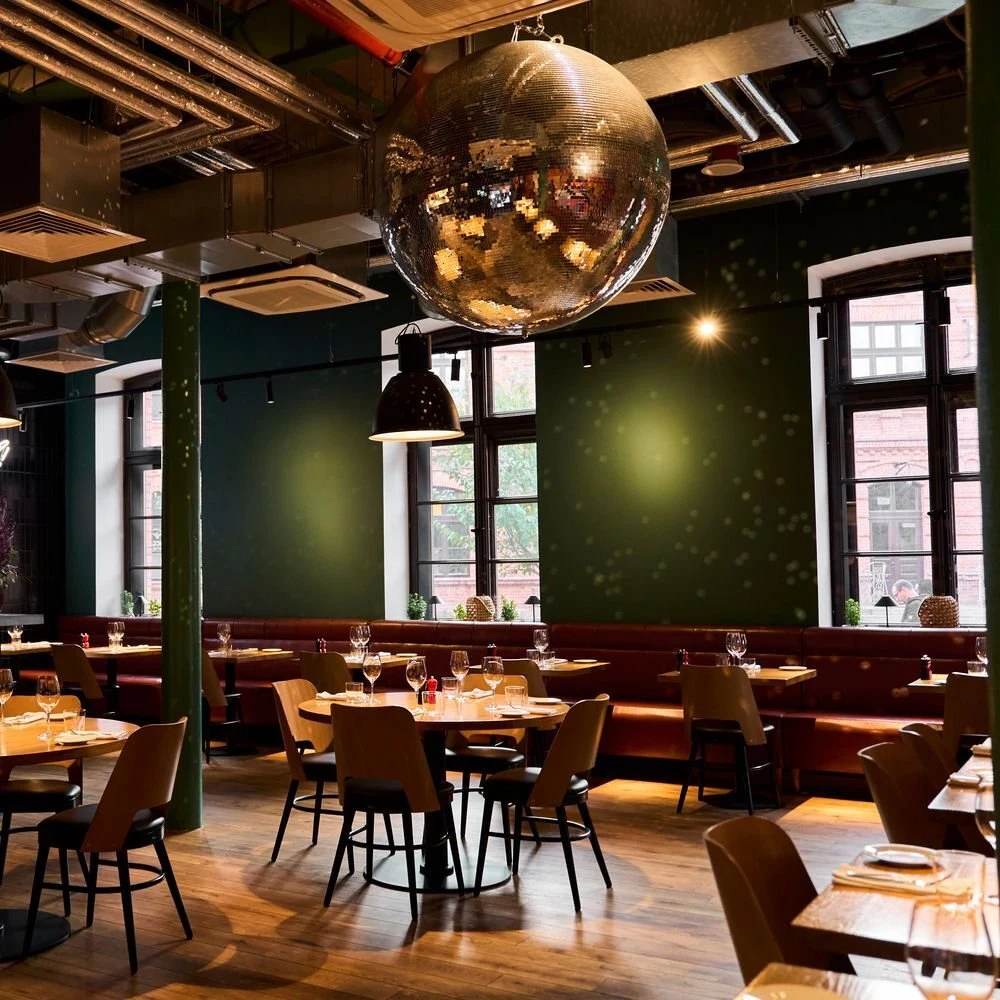
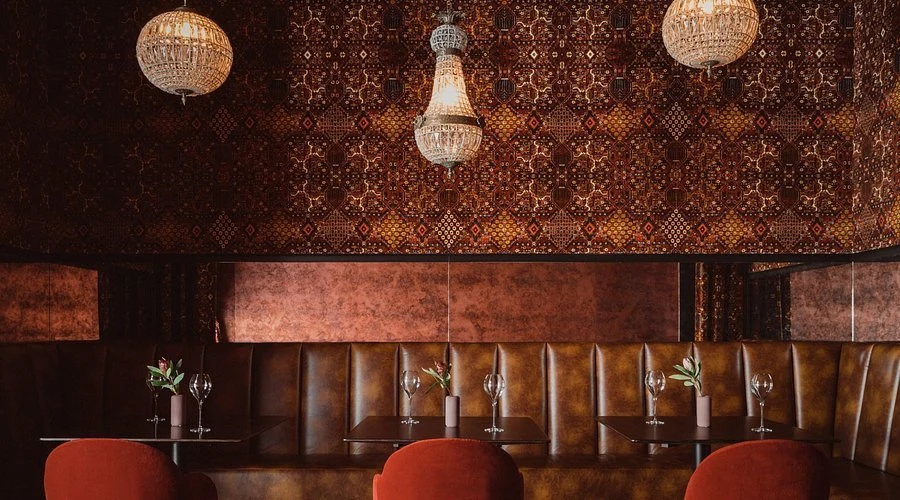
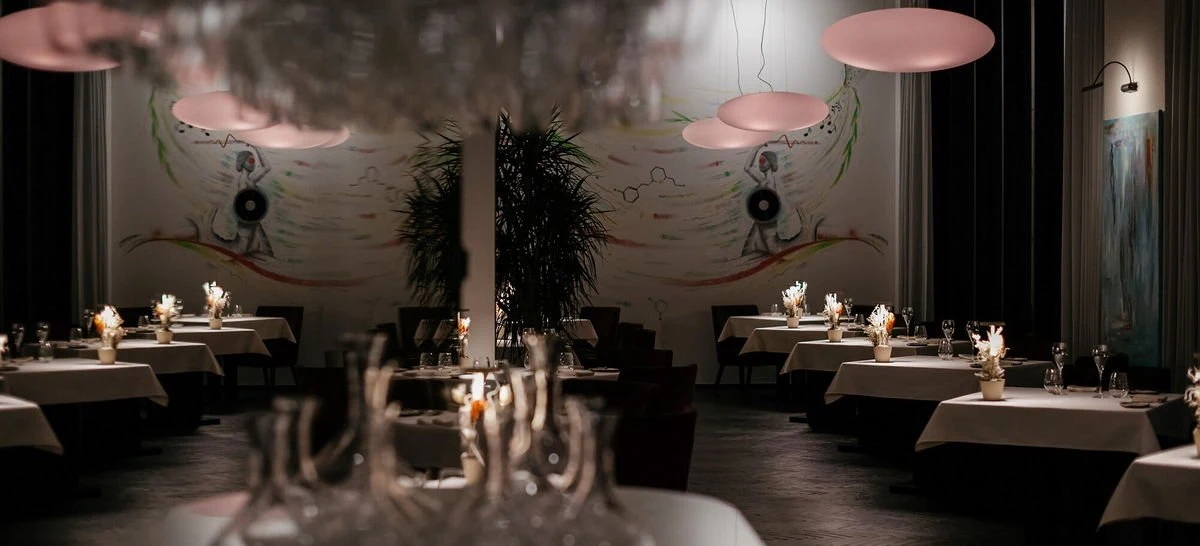
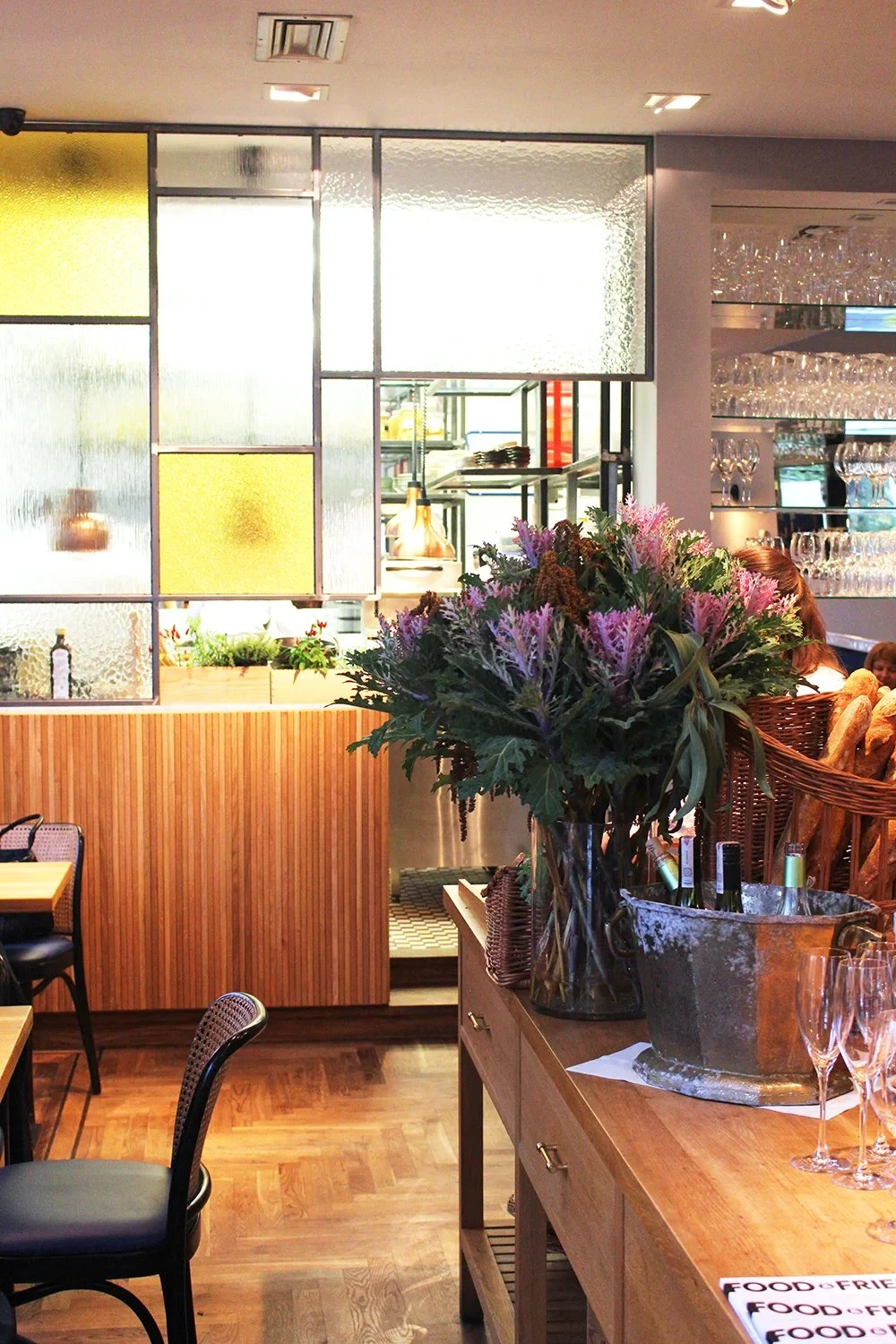
The room is classic, bright and warm-toned, with wood, a bar area, tables, and a glassed-in long room that nearly connects parts of the original space. It holds up to 50 guests, though the feeling is less about scale than proximity: the glass fridges keep the aging beef visible, the counter keeps the bar within reach, and the pass sends out plates that belong to a bistro as much as to a steakhouse. The atmosphere is polished without stiffness, more conversational than theatrical. That suits the cooking. A steakhouse built on dry-aging has to let waiting be visible, then let service move without making a ceremony of it. In that setting, bone marrow with escargots and chanterelles reads as part of the same thought as a Polish dry-aged rib eye.
A Warsaw steakhouse with memory
Butchery & Wine has collected 5 awards across current and previous years, and its place in Warsaw rests on something more durable than a guide line: it helped make Polish beef steaks a serious restaurant subject when it opened on Żurawia Street. The menu still changes with product availability, but the craft stays anchored to the same grammar of aging, cutting, heat and wine. On the bench, the fridges are full and the next order is likely to be Chateaubriand.
Questions
Frequently asked
What kind of restaurant is Butchery & Wine?
Butchery & Wine is a modern steakhouse in Warsaw’s Centrum neighbourhood, with a kitchen built around Polish beef and a serious wine program.
What is the house known for?
The restaurant is known for dry-aged Polish beef kept behind glass for at least 28 days, along with a wine list that includes Coravin pours by the glass.
Which dishes are singled out as signatures?
Bone marrow, tuna tartare and Chateaubriand are named among the signature dishes.
Is it necessary to book a table?
Reservations are recommended, and bookings are taken through TheFork.
What is the atmosphere and dress code like?
The room is described as classic, bright and warm-toned, and the dress code is smart casual.
The field
How it compares
| Place | Cuisine | Notes | Awards |
|---|---|---|---|
| Butchery & Wine | Modern Steakhouse | Ujazdow, $$$ | · |
| alewino | Seasonal Polish Wine Bistro | Warsaw | · |
| Bez Gwiazdek | Modern Polish Regional | Warsaw | · |
| Epoka | Modern Historic Polish Fine Dining | Warsaw | · |
| hub.praga | Modern Polish Fine Dining | Warsaw | Michelin 1 Star |
| NUTA | Modern Polish-Italian-Asian Fusion | Warsaw | Michelin 1 Star |
| Rozbrat 20 | Modern Polish Fine Dining | Warsaw | Michelin 1 Star |
Similar places
Seasonal Polish Wine Bistro
alewino
Warsaw, Poland
Modern Polish Regional
Bez Gwiazdek
Warsaw, Poland
Modern Historic Polish Fine Dining
Epoka
Warsaw, Poland
Modern Polish Fine Dining
hub.praga
Warsaw, Poland
★
Modern Polish-Italian-Asian Fusion
NUTA
Warsaw, Poland
★
Modern Polish Fine Dining
Rozbrat 20
Warsaw, Poland
★