- Falstaff Winery - Listed · 2026
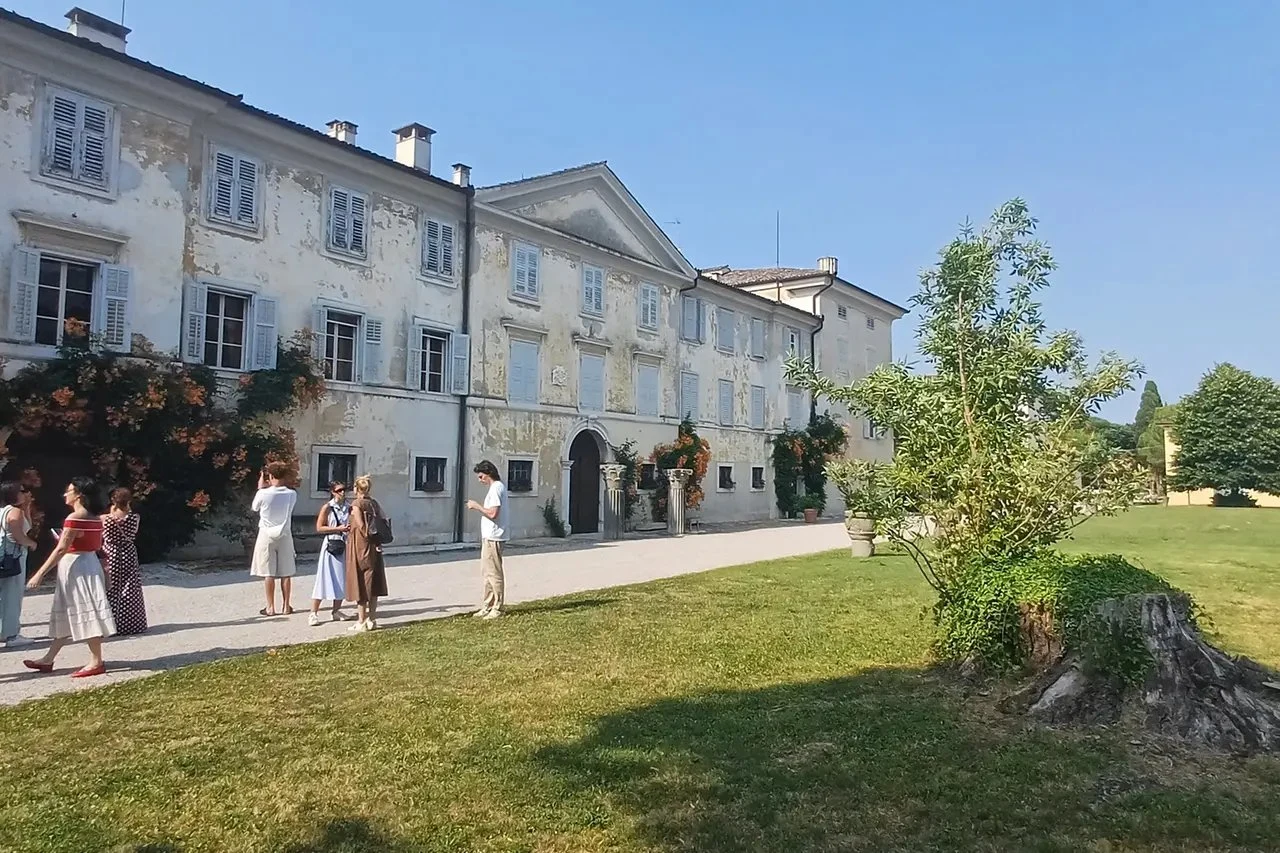
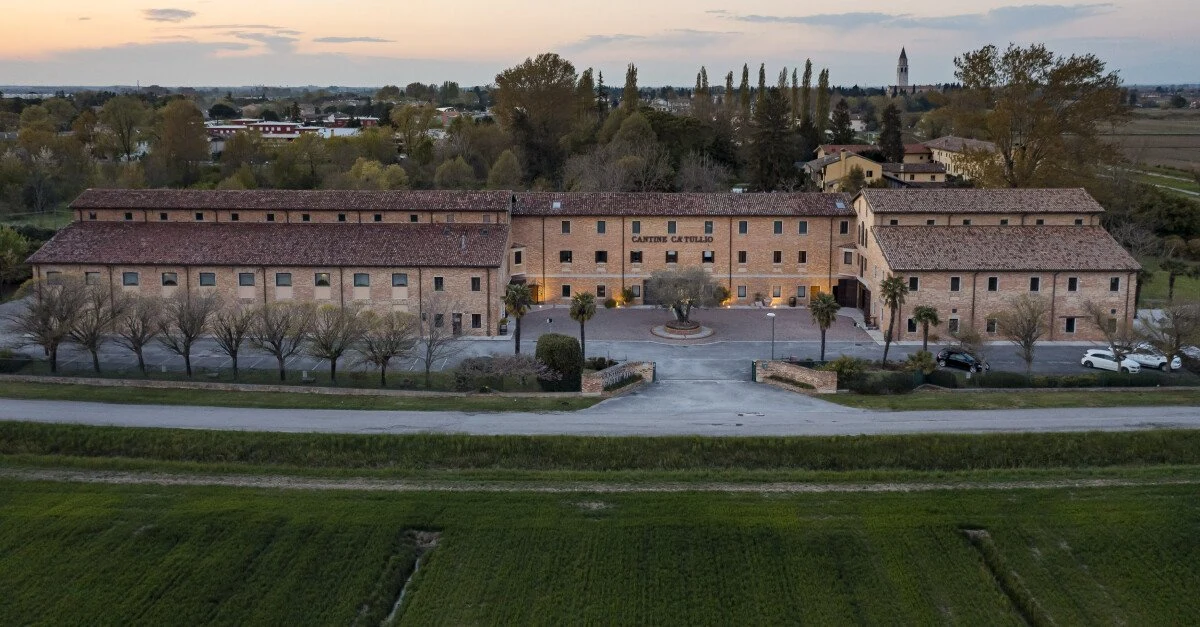
Approaching Ca' Tullio, the first signal is architectural rather than ornamental: a four-level former agricultural and tobacco-drying structure, recast for wine, with wood, brick, and burnished steel doing the visual work. In Friuli-Venezia Giulia, where many cellar doors lean on either rural charm or technical production gloss, this room gives Aquileia’s wine culture a harder edge. The building matters because it makes the visit about continuity: crops, storage, drying, fermentation, and hospitality occupying the same industrial shell across generations.
That setting suits Friuli Aquileia DOC, a zone where wine tourism is often quieter than in Italy’s better-known regions but no less layered. Aquileia carries Roman history, borderland identity, and a viticultural tradition shaped by Adriatic moderation and Alpine protection. Ca' Tullio uses that context well. The experience is not built around a celebrity winemaker or theatrical scarcity; it is built around place, native varieties, and a broad regional portfolio that lets visitors read Friuli through several glasses rather than one flagship label.
Friuli Aquileia in the glass: native grapes, sea air, and a broad cellar vocabulary
The editorial reason to pay attention here is terroir expression, not spectacle. Friuli Aquileia DOC benefits from a climatic push and pull: the Julian Alps help block cold northern winds, while the Adriatic softens temperature swings. That combination supports white varieties with freshness and aromatic lift, but it also gives red grapes enough room to ripen without losing regional tension. In practical terms, the tasting format can move from Friulano and Ribolla Gialla into Traminer Aromatico, Pinot Grigio, Refosco dal Peduncolo Rosso, and Merlot without feeling like a generic Italian flight.
Friulano and Ribolla Gialla are the cultural anchors. They place the cellar firmly in Friuli rather than in a pan-Italian register. Traminer Aromatico adds a more perfumed reading of the zone, and the 2024 Traminer Aromatico Friuli Aquileia DOC received 91 Falstaff points in 2025 from Othmar Kiem and Simon Staffler, a useful external marker for a producer whose appeal is otherwise grounded in regional hospitality and architecture. Refosco dal Peduncolo Rosso brings the darker, native-red side of the area into view, while Merlot shows how international varieties have long been absorbed into northeastern Italian wine culture.
The portfolio also includes sparkling and dessert styles, plus grappa from Traminer and Refosco pomace. That range can be a risk when a cellar lacks focus, but in Aquileia it reads as a regional survey. The point is not to chase a single trophy bottle. It is to understand how a family-owned winery in a DOC area can use native grapes, international varieties, sparkling production, and spirits to map local agriculture in a visitor-friendly way.
Industrial archaeology gives the tasting its frame
Wine regions often sell landscape first and architecture second. Here the order reverses. The former storage and tobacco-drying building gives the tasting a physical narrative before the first pour: agriculture as labor, not just scenery. The old industrial bones have not been erased. They sit alongside contemporary cellar functions, which makes the visit more grounded than the polished rural fantasy common at many tasting rooms.
The estate’s modern wine chapter dates to 1928, with a later transformation under the Calligaris family after Walter Calligaris acquired the property in 1990. Paolo, Giacomo, and Emanuele Calligaris now sit within that family line of production. Those names are useful as credentials, but the broader story is regional: Friuli’s wine culture has often advanced through family cellars that modernized without abandoning local grape identity. Ca' Tullio fits that pattern through native-variety emphasis, guided education, and a cellar environment that keeps the site’s former agricultural function visible.
The hospitality style is conversational rather than ceremonial. Guided tastings and tour-and-tasting formats are the natural fit because the building needs explanation and the grape mix benefits from context. Food pairing is part of the program, with local gourmet products used to connect the wines to Friulian eating habits rather than treating them as isolated technical samples. For travelers planning a wider Aquileia stay, the winery pairs naturally with Our full Aquileia restaurants guide, Our full Aquileia hotels guide, Our full Aquileia bars guide, and Our full Aquileia experiences guide.
How to place it within a Friuli wine itinerary
Aquileia rewards a slower wine itinerary because its appeal is cumulative: Roman heritage, DOC vineyards, Adriatic influence, and small-scale hospitality work together. Ca' Tullio is a strong anchor for travelers who want a tasting with architecture and regional explanation, especially those who prefer a cellar visit with education over high-energy entertainment. The medium-capacity, group-friendly format makes it workable for mixed parties, including travelers who care as much about the building and local food pairings as the grape list.
Within Aquileia planning, keep the wine focus broad rather than reductive. Native whites deserve attention, especially Friulano and Ribolla Gialla, but Refosco is important for understanding Friuli’s red identity. Traminer Aromatico adds a useful aromatic contrast, while the grappa program extends the conversation into distillation and agricultural reuse. The cellar’s sustainable production philosophy and reuse of a historic structure also give the visit a stewardship angle, though the stronger claim is architectural preservation rather than certification-led environmental positioning.
For readers building a regional wine map, start with Our full Aquileia wineries guide. Nearby Aquileia winery pages include Barone Ritter de Záhony, Tarlao, and Vini Brojli. Wider Italian and European cellar research can continue through 3GP SRL in Treviso, 47 Anno Domini in Trebaseleghe, A Mano Wine in Noci, a6mani in Fragagnano, Abbadia Ardenga in Torrenieri, »der Steiner« Hans Steiner in Podersdorf am See, and & Handwein in Mannheim.
The critical read is simple: this is a winery for travelers who want Friuli explained through place, not performance. The building supplies the memory, the DOC supplies the climate logic, and the grape range supplies the lesson. In a region often overshadowed by louder Italian wine destinations, that combination gives Aquileia a persuasive cellar-door argument.
Questions
Frequently asked
Who works at Ca' Tullio?
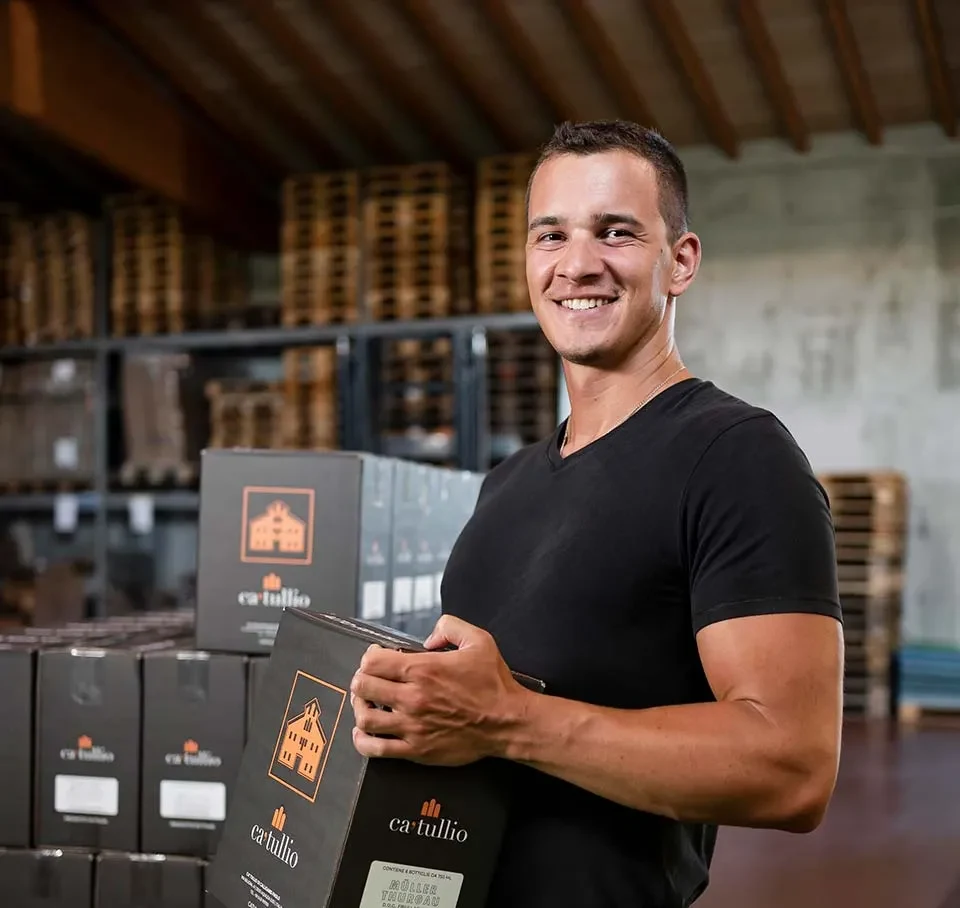
Made By profiles Emanuele Calligaris (Winemaker) at Ca' Tullio.
How expensive is Ca' Tullio?
Ca' Tullio is listed at a price level of $$.
The field
How it compares
| Place | Notes |
|---|---|
| Ca' Tullio | Aquileia, $$ |
| Barone Ritter de Záhony | Aquileia |
| Biondi-Santi Tenuta Greppo | Montalcino |
| Domaine Hubert Lignier | Morey-Saint-Denis |
| Domaine Jacques-Frédéric Mugnier | Premeaux-Prissey |
| Tarlao | Aquileia |
| Vini Brojli | Aquileia |