Cabert
- 01CityBertiolo, Italy
- Falstaff Winery - Listed · 2026
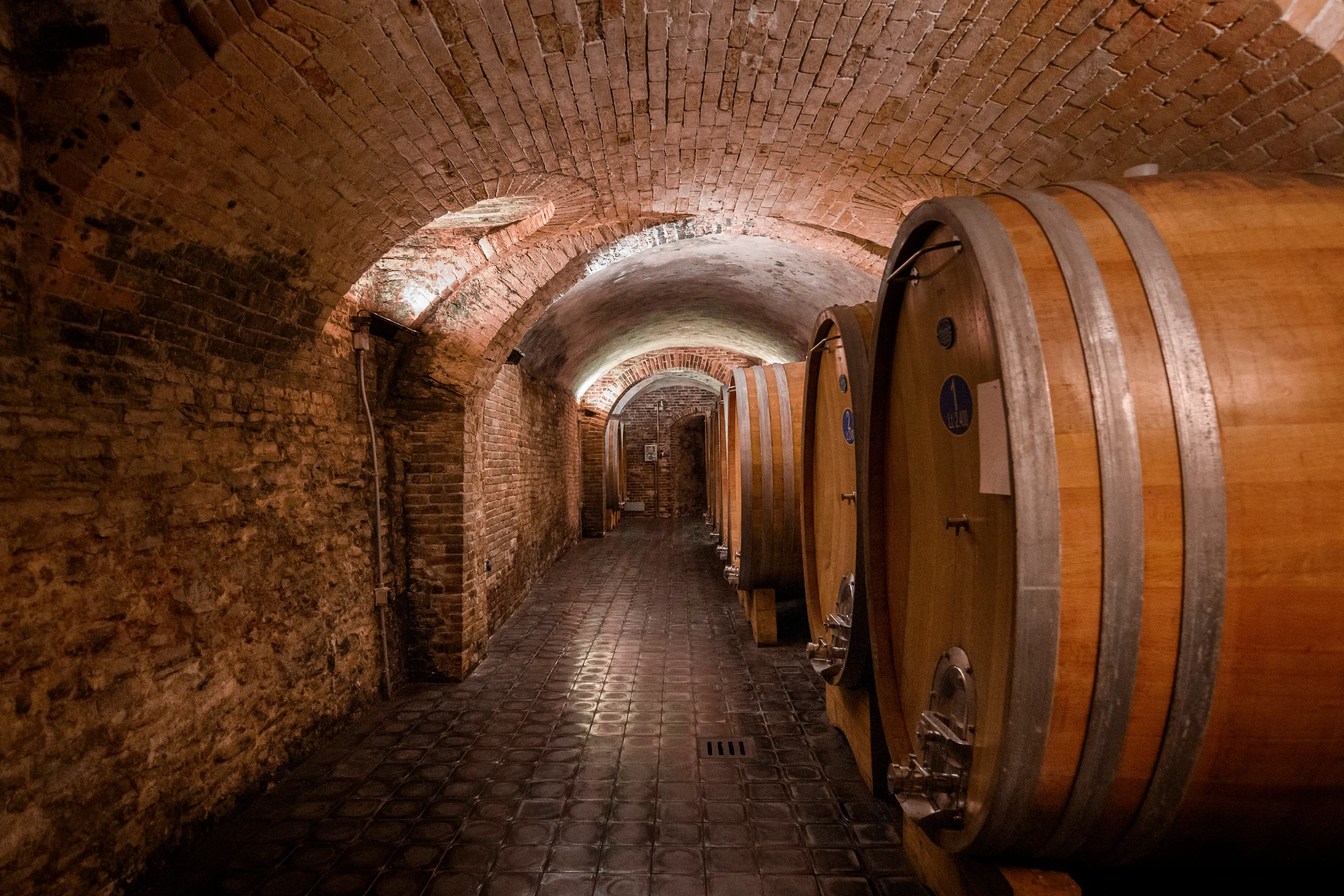
Cabert in Bertiolo is best understood as a practical cooperative cellar and shop rooted in Friuli winemaking tradition. The picture is direct and deliberately unforced: a welcoming, rustic place focused on showing a wide range of wines from the surrounding Grave vineyards, including bottled and bag-in-box formats. Its appeal is not built on a confirmed restaurant-style service, formal tasting ritual or luxury hospitality claim; it is the more direct experience of a local wine shop and cooperative cellar in a Friulian wine area. That distinction is important, because it keeps the expectations useful. Cabert reads less as a staged destination and more as a place where the region’s everyday wine culture is made visible through the bottles, larger practical formats and direct cellar-shop setting.
Friuli Grave in the glass: cooperative scale and everyday formats
Cabert’s identity is tied to Bertiolo, Friuli winemaking tradition and wines from the surrounding Grave vineyards. The page should be read through that lens: this is a cooperative cellar and shop, not a venue defined here by a confirmed chef, tasting menu, restaurant service or specific award profile. Its character comes from the cooperative idea and from the sense of scale that a cellar-shop can offer: a place where the focus remains on local production, selection and access rather than on a single curated dining experience.
The strongest grounded detail is the breadth of the offer. Cabert showcases a wide range of wines in both bottled and bag-in-box formats, which gives the venue a practical character. That mix points to everyday local use as much as visitor discovery: wines to browse, compare and take away from a cellar-shop setting. Bottles give the familiar route into exploring individual wines, while bag-in-box formats underline the more functional side of the place. Together, they suggest a venue intended not only for travellers looking for a sense of Friuli Grave, but also for people who approach wine as something to buy, keep and drink in a more regular rhythm.
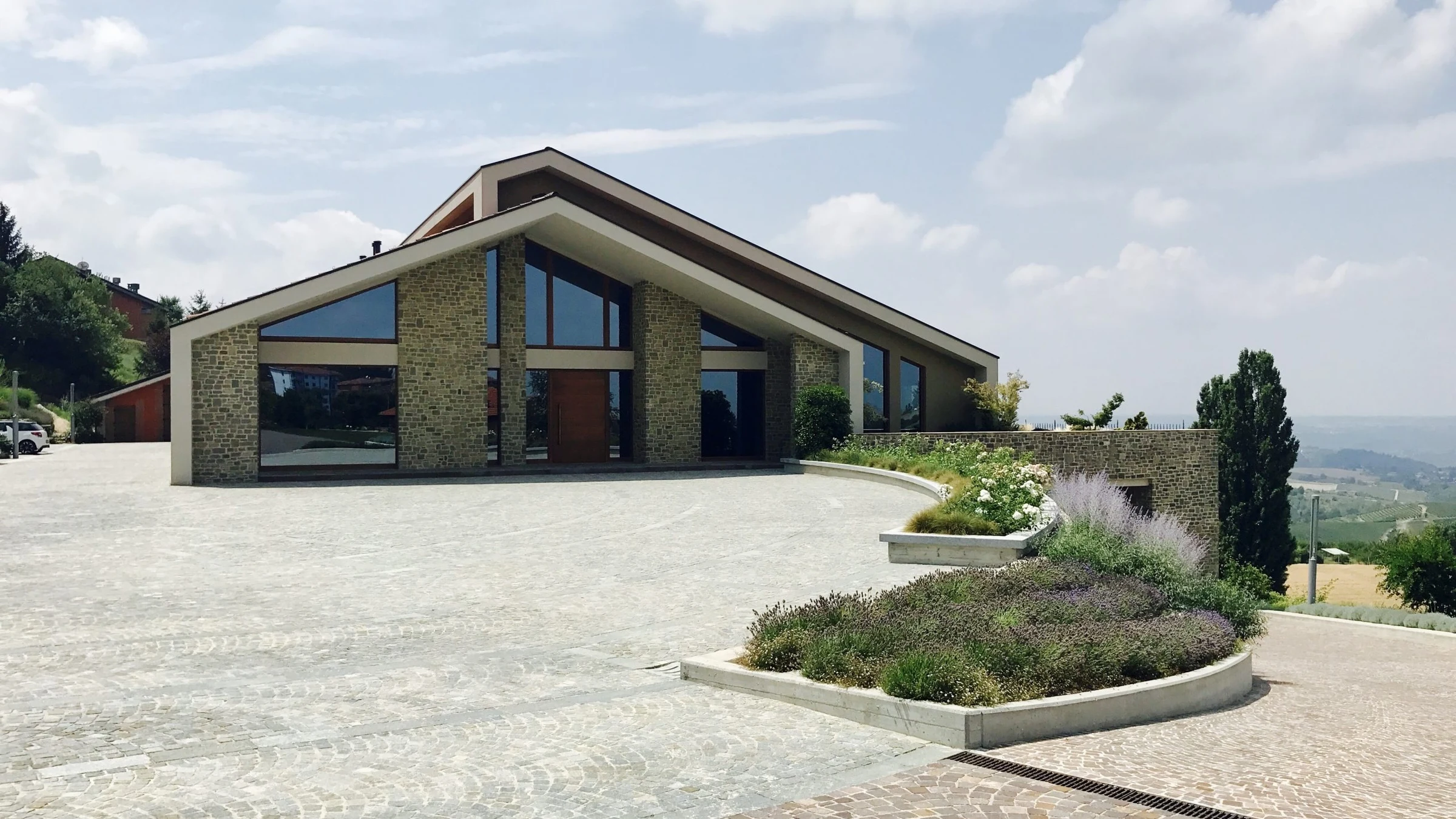
The atmosphere is described as classic, rustic, scenic and welcoming. Those qualities matter because they set expectations honestly. Cabert is presented as a grounded Friulian wine stop in Bertiolo, with a practical focus on the wines themselves rather than an elaborate hospitality script. The scenic and rustic notes give the visit some local texture, but they do not turn it into a luxury promise. Instead, they support the idea of a cellar and shop that feels connected to its place, its surroundings and the direct traditions of the area.
A cellar and shop visit built around breadth rather than ceremony
For visitors, the reliable reason to consider Cabert is the chance to encounter a cooperative cellar and shop with a broad wine range from the surrounding Grave vineyards. That makes it most useful as a stop for people who want to understand the local offer through selection and format rather than through a scripted experience. The interest is in seeing how a Friulian cooperative presence expresses itself: many wines, practical purchasing possibilities and a setting that keeps the emphasis on the cellar-shop function.
What can be said with confidence is narrower but still useful: Cabert is a practical, welcoming place for Friulian wine browsing in Bertiolo, with bottled and bag-in-box wines at the center of the experience. It suits travellers who want a less theatrical and more functional view of local wine culture. Rather than arriving expecting a restaurant sequence or a highly formal tasting structure, visitors should think in terms of browsing, choosing and getting a direct look at what the cooperative cellar presents from the Grave vineyards around it. In that sense, the absence of a more elaborate claim is not a weakness; it is part of what makes the venue easy to understand.
Price is listed as $$, which places Cabert in a moderate bracket. Read alongside the practical shop format and the presence of bottled and bag-in-box wines, that moderate positioning reinforces the everyday character of the venue. It helps frame Cabert as accessible and functional rather than rarefied, with the emphasis staying on the range of wines and the usefulness of the stop within a Bertiolo wine-focused visit.
How to place it in a Bertiolo itinerary
Bertiolo is the right frame for Cabert. Treat it as a wine-focused stop rather than a confirmed dining destination, and build the rest of the day around other Bertiolo options as needed. The venue’s value is clearest for travellers who want a grounded introduction to a cooperative cellar and shop connected to the surrounding Grave vineyards. It can sit naturally in an itinerary as the part of the day devoted to local wine selection: a place to pause, look through the available formats and understand the area through a practical cellar-shop lens.
Cabert’s confirmed strengths are simpler: Friulian wine tradition, a practical and welcoming atmosphere, and a wide selection of bottled and bag-in-box wines. Those strengths are enough to define the venue without overstating it. They point to a place that is useful, local and clear in purpose, especially for visitors who appreciate wine stops that do not need heavy ceremony to feel worthwhile.
The editorial case is direct: Cabert is strongest for travellers who want a direct, regionally grounded wine stop in Bertiolo. It offers a practical way to engage with local Grave-vineyard wines without needing the venue to be framed as a restaurant, luxury estate or awards-led destination. Its appeal lies in that groundedness: the cooperative cellar and shop, the breadth of wine formats, the rustic and welcoming setting, and the honest sense that this is a place built around Friulian wine in a usable, everyday form.
Questions
Frequently asked
How expensive is Cabert?
Cabert is listed at a price level of $$.
The field
How it compares
| Place | Notes | Awards |
|---|---|---|
| Cabert | Bertiolo, $$ | · |
| Château Pape Clement | Pessac | World's 50 Best |
| Chateau Petrus | Pomerol | · |
| Château Troplong Mondot | Saint-Laurent-des-Combes | · |
| Domaines Barons de Rothschild (Lafite) | Bordeaux | · |
| Gaja | Barbaresco | World's 50 Best |
| Giacomo Conterno | Monforte d'Alba | · |