Made ByWinery
Campari Argentina
- 01CityCapilla del Señor, Argentina
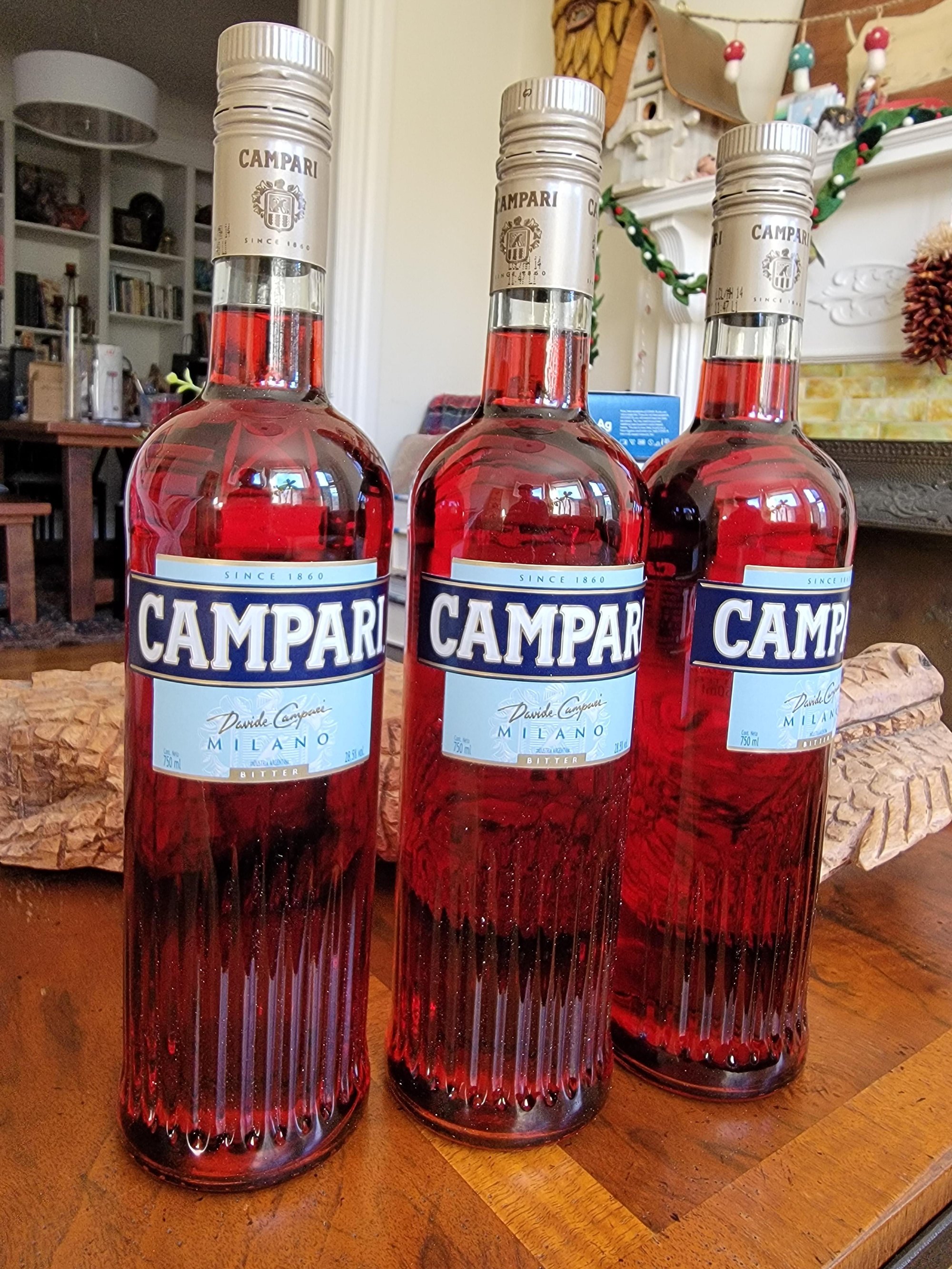
Campari Argentina in Capilla del Señor holds a Pearl 2 Star Prestige rating (2025), placing it among a select tier of Argentine producers operating outside the Mendoza mainstream. Located along RP39 in Buenos Aires province, the operation points to a quieter but credentialed corner of Argentine wine and spirits production worth tracking for serious collectors and regional specialists.
At a glance
- Neighborhood
- Capilla del Señor
Buenos Aires Province and the producers working outside Mendoza's gravity
Argentine wine and spirits geography defaults, almost by reflex, to Mendoza.The high-altitude Malbecs of Luján de Cuyo, the prestige labels from estates like Bodega Norton in Luján de Cuyo and Terrazas de los Andes in Mendoza, and the more experimental work coming out of Bodega DiamAndes in Tunuyán have shaped the international conversation about Argentine production for decades.But Buenos Aires province, with its flatlands, Atlantic-influenced humidity, and agricultural rhythms that predate modern viticulture, has always maintained its own quieter production identity.Capilla del Señor, a small town roughly ninety kilometres northeast of Buenos Aires city along RP39, sits within that tradition.It is not a wine region in the Mendoza sense.It is a place where production history is tied to the broader pampas economy, and where certain producers have built reputations that run parallel to, rather than through, the Mendoza mainstream.
What the Pearl 2 Star Prestige rating signals
In 2025, Campari Argentina earned a Pearl 2 Star Prestige rating.Within EP Club's evaluation framework, that classification places a producer inside a tier defined by documented quality and consistency rather than volume or marketing reach.The rating signals documented quality and consistency within its category.For context, producers like Bodega El Esteco in Cafayate and Escorihuela Gascón in Godoy Cruz operate within well-documented regional narratives.A Pearl 2 Star Prestige recognition for a Capilla del Señor address asks a different question: what does quality production look like when it is not attached to a canonical Argentine wine geography?
The Campari name in the Argentine context carries its own separate weight.The global Campari Group has maintained a production and distribution presence in Argentina for generations, and the Buenos Aires province address along RP39 reflects that industrial and commercial history rather than a boutique winery model.This is not a small-batch cellar door operation in the Patagonian mould of Familia Schroeder in San Patricio del Chañar.The scale and operational logic are different, and the rating should be read in that context.
Terroir and the question of place in Buenos Aires province
Capilla del Señor challenges the conventional terroir framework.The pampas soil is deep, fertile, and relatively uniform compared to the stony, altitude-differentiated profiles of Cafayate or the Uco Valley.The climate is humid subtropical, with Atlantic influence that brings moisture and temperature moderation quite unlike the arid diurnal swings that define Mendoza's premium viticulture.If you are looking for the kind of soil-to-glass story that producers like Bodega Colomé in Molinos or Rutini Wines in Tupungato build their identities around, Capilla del Señor does not offer the same narrative architecture.
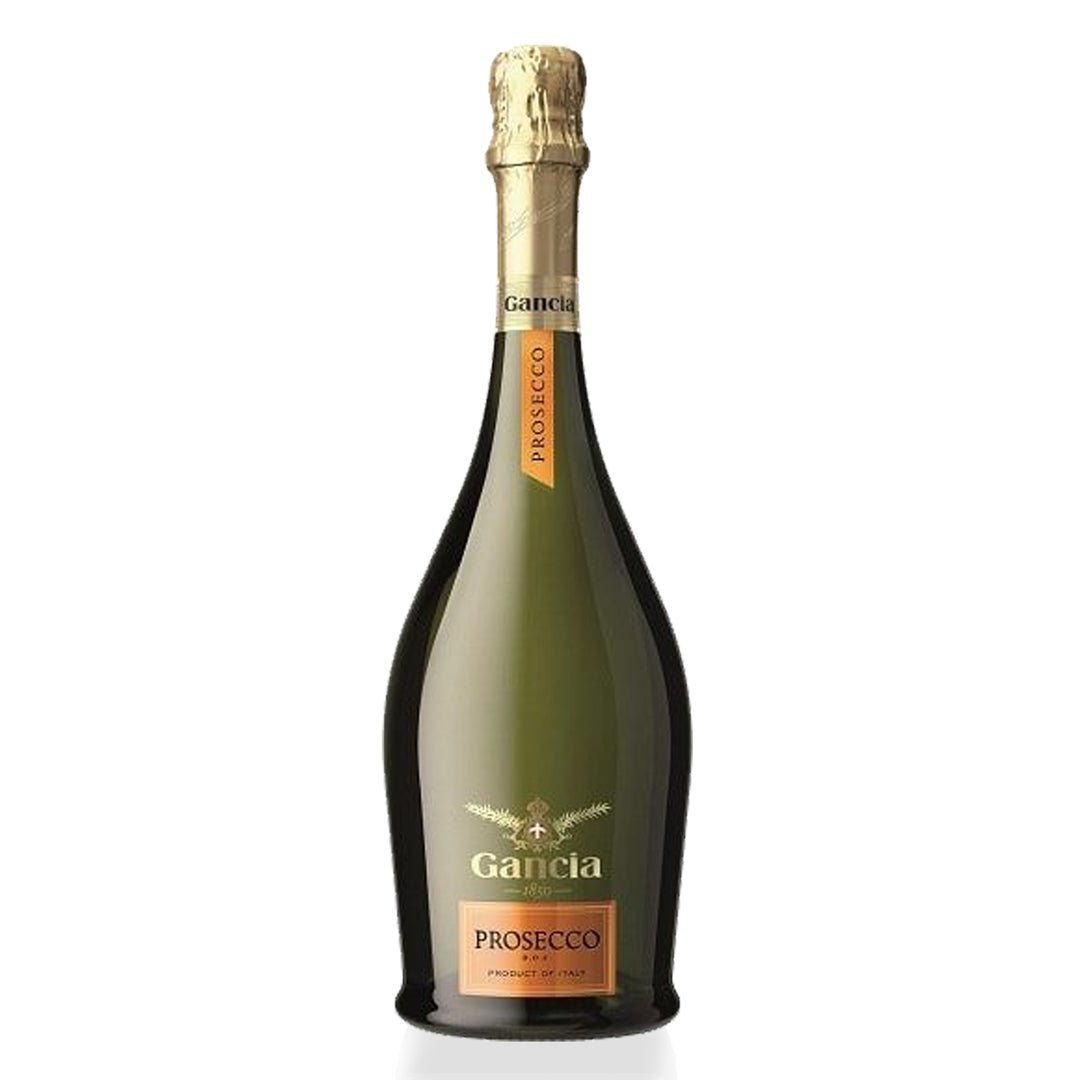
What it offers instead is a different relationship between production and place: one grounded in the agricultural infrastructure of the pampas, in proximity to Buenos Aires city's consumer market, and in a long tradition of spirits and aperitif production that predates Argentina's modern wine export ambitions.The Campari brand's Argentine history connects to that tradition. Gancia (Aperitif) Argentina, also based in Capilla del Señor, represents the same production lineage: European aperitif formulas adapted for Argentine ingredients and market conditions over decades.The terroir at play here is cultural and agricultural rather than purely geological, and that distinction matters when assessing what the Pearl 2 Star Prestige rating actually measures.
Placing Campari Argentina in the broader Argentine production map
The Argentine spirits and aperitif category occupies a different critical register than the wine sector.While Malbec drew international attention and investment through the 1990s and 2000s, spirits production in Argentina developed along more domestic lines, shaped by local consumption patterns and the deep cultural presence of aperitivo culture in Buenos Aires social life.The Negroni-adjacent drinking habits of portenos, the after-work Campari-soda ritual, and the broader Italian immigrant influence on Argentine food and drink culture all feed into the market context that a Capilla del Señor operation addresses.
For comparison, the Italian spirits tradition has its own Argentine analogue in operations like Fratelli Branca Distillery in Buenos Aires, another European-heritage producer with deep Argentine roots.Both represent the domestication of European bitter-aperitif formulas within an Argentine production context.The difference between these operations and the prestige wine estates, say Bodega Trapiche or Bodega Antigal in Maipú, is not one of quality hierarchy but of production category and audience.Campari Argentina competes in a category where consistency, brand integrity, and formula fidelity are the primary quality metrics, rather than vintage variation or appellation expression.
For those building a broader picture of Argentine production, see our full Capilla del Señor restaurants and producers guide for regional context beyond the individual operation.
Who visits and what they are looking for
Capilla del Señor does not function as a dedicated wine tourism destination in the way that Cafayate or the Uco Valley do.There are no cellar-door tasting rooms with vineyard views, no harvest tourism calendar, and no boutique hotel infrastructure designed around production visits.RP39 is a provincial road that connects agricultural towns rather than a wine route with curated stopping points.Visitors arriving at Campari Argentina along that road are doing so for reasons tied to distribution, trade relationships, or production research rather than leisure tourism.
That is not a limitation so much as a classification.The Pearl 2 Star Prestige rating positions Campari Argentina as a quality producer worth tracking in public sources, not necessarily as a walk-in experience destination.The practical logistics reflect this: appointment only.For those with specific trade or research purposes, contact would typically run through the Campari Group's Argentine commercial infrastructure rather than a direct venue line.
The broader Argentine quality landscape that this operation sits within is worth mapping.Collectors focused on the Mendoza premium tier will find more immediately accessible visit infrastructure at estates covered elsewhere in the EP Club database.Those interested in the aperitif and spirits tradition, or in the Buenos Aires province production history, will find Campari Argentina a more relevant reference point, alongside Gancia and the Fratelli Branca operation.
A note on the Pearl 2 Star Prestige framework
EP Club's Pearl 2 Star Prestige designation, awarded here in 2025, applies to producers that demonstrate documented quality within their category and competitive set.It does not imply a particular style or scale.For a Capilla del Señor operation producing within the aperitif and spirits tradition, the rating signals that quality benchmarks within that category have been met at a level that places it above the standard commercial tier.For collectors and trade buyers assessing the Argentine market beyond its Malbec-dominant wine narrative, that signal is worth noting.For leisure visitors planning a Buenos Aires province itinerary, the rating is useful context rather than a direct visit recommendation.The distinction matters, and EP Club's coverage of Campari Argentina reflects that.
Frequently Asked Questions
What is Campari Argentina known for?
Campari Argentina, located in Capilla del Señor in Buenos Aires province, is recognised within the Argentine aperitif and spirits production tradition.It holds a Pearl 2 Star Prestige rating from EP Club (2025), placing it in a credentialed tier of Argentine producers.Its identity is tied to the European-heritage aperitif category rather than to Argentina's Malbec-led wine export narrative.
Is Campari Argentina more formal or casual?
The Capilla del Señor operation functions as a production facility rather than a consumer-facing hospitality venue.It does not have a published tasting room format, dress code, or walk-in visitor experience.Contact and access would run through trade or commercial channels.The Pearl 2 Star Prestige recognition is a quality signal for buyers and collectors rather than a guide to a specific dining or tasting atmosphere.
What is the signature bottle at Campari Argentina?
The current public sources record does not list specific products or signature bottles for this operation.Given the Campari Group's Argentine production history, the operation connects to the broader aperitif category, but specific SKUs, vintages, or expressions should be confirmed through official Campari Group Argentine channels rather than inferred from the brand's global portfolio.
Know before you go
- Reservations
- appointment_only
- Parking
- on_site_lot
Frequently asked
Is Campari Argentina more formal or casual?
Campari Argentina operates as a production facility in Capilla del Señor, Buenos Aires Province, rather than a hospitality venue with a defined front-of-house register. There is no documented tasting room or visitor experience, so the formal-versus-casual framing does not apply in the conventional sense. Its Pearl 2 Star Prestige rating from EP Club in 2025 speaks to production quality rather than a dining or service format.
What recognition does Campari Argentina have?
Campari Argentina has received recognition including: Pearl 2 Star Prestige (2025).
What's the signature bottle at Campari Argentina?
Campari Argentina is the local production operation for the Campari Group in Buenos Aires Province, based at RP39, Capilla del Señor. For current product availability, contacting the Campari Group's Argentine distribution network directly would give the most reliable answer.
Where can I find Campari Argentina?
Campari Argentina is located at RP39, Capilla del Señor, Provincia de Buenos Aires, Capilla del Señor.
What is Campari Argentina known for?
Campari Argentina is the Buenos Aires Province production operation for the Campari Group, situated in Capilla del Señor, well outside the Mendoza-centric geography that dominates Argentine drinks coverage. In 2025, EP Club awarded the producer a Pearl 2 Star Prestige rating, placing it among documented-quality producers within the Argentine spirits and aperitif category. That designation positions Campari Argentina as a credentialed producer in a sector that receives considerably less critical attention than the country's wine industry.
Address
RP39, Capilla del Señor, Provincia de Buenos Aires
Capilla del Señor
How it compares
Campari Argentina
- Cuisine
- Winery
- Price
- —
- Awards
- 1 recognition
- Notes
- Capilla del Señor
Gancia (Aperitif) Argentina
- Cuisine
- Winery
- Price
- —
- Awards
- 1 recognition
- Notes
- Capilla del Señor
La Alazana Distillery
- Cuisine
- Winery
- Price
- —
- Awards
- 1 recognition
- Notes
- Bariloche
Fernet Vittone Distillery
- Cuisine
- Winery
- Price
- —
- Awards
- 1 recognition
- Notes
- Villa Mercedes
Fratelli Branca Distillery
- Cuisine
- Sangiovese
- Price
- —
- Awards
- 1 recognition
- Notes
- Tortuguitas
Destilería El Alquimista
- Cuisine
- Winery
- Price
- —
- Awards
- 1 recognition
- Notes
- Salta