Made ByWinery
Gancia (Aperitif) Argentina
- 01CityCapilla del Señor, Argentina
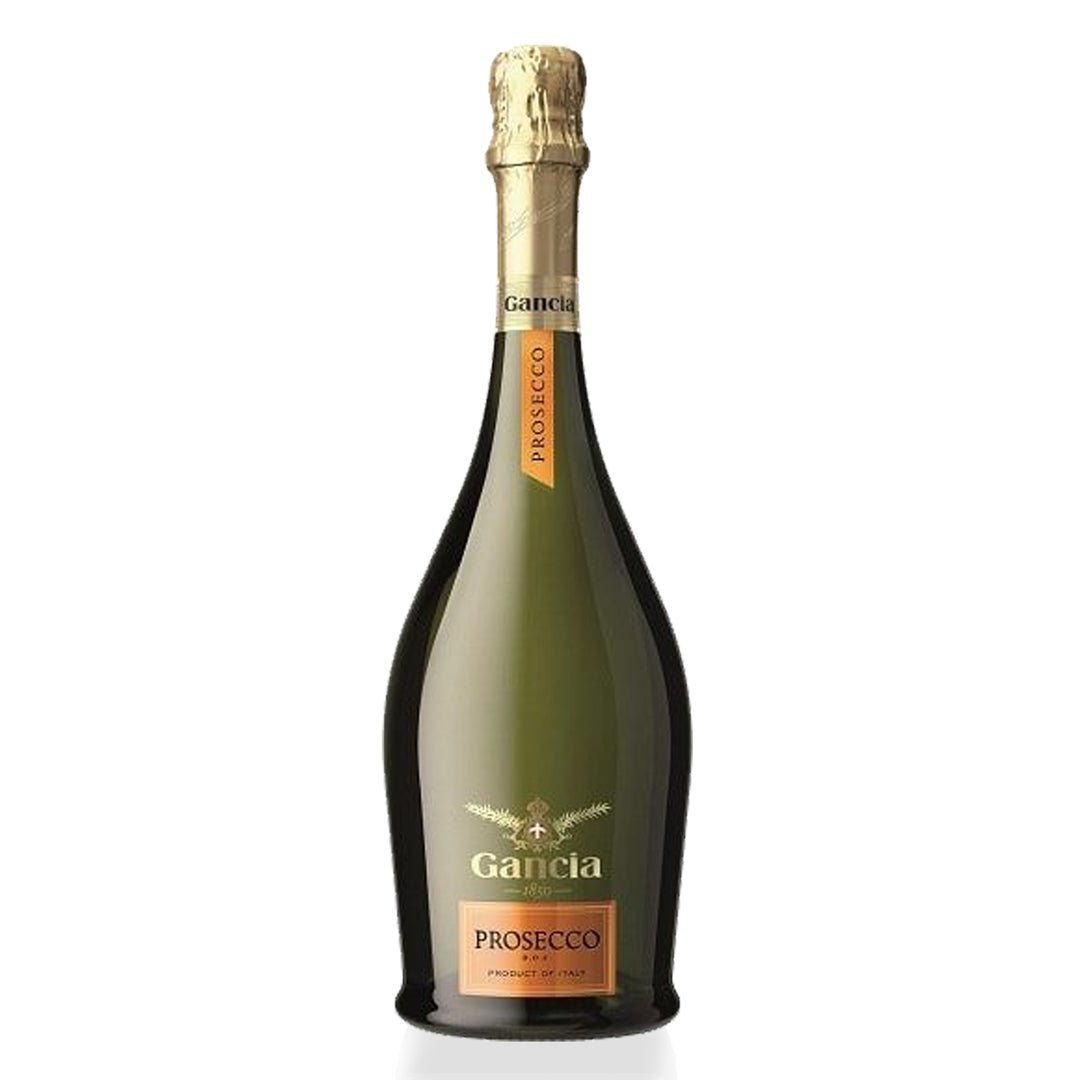
Gancia (Aperitif) Argentina operates from Capilla del Señor, a town in Buenos Aires province long tied to the country's aperitif and vermouth heritage. The producer holds a Pearl 1 Star Prestige award from EP Club (2025), placing it within a select tier of Argentine drinks producers recognised for quality and consistency. For those tracing Argentina's aperitif tradition beyond Mendoza's wine corridors, Capilla del Señor is a meaningful stop.
Aperitif Country: Capilla del Señor and Argentina's Bittersweet Tradition
Gancia (Aperitif) Argentina is a winery in Capilla del Señor, Buenos Aires province, known for aperitif production and sensory tours. It exists in the towns north-east of Buenos Aires, in the rituals of late-afternoon aperitivo that predate the country's Malbec moment by decades. Capilla del Señor, a small town in Buenos Aires province, sits inside that quieter tradition. It is not a wine destination in the Mendoza sense, no dramatic Andean backdrop, no convoy of tasting-room tourists, but it carries a different kind of authority: the authority of a place where aperitif production has been embedded in local industry and daily life for generations.
Gancia (Aperitif) Argentina operates within this context. The Gancia name connects to one of the oldest vermouth and sparkling wine lineages in the Southern Hemisphere, a heritage rooted in Italian immigrant winemaking that arrived in Argentina in the late nineteenth century. Where Mendoza's premium producers, from Bodega Norton in Luján de Cuyo to Terrazas de los Andes in Mendoza, built their reputations on still wine, Gancia Argentina built its on a different category altogether: the aromatic, botanically driven aperitif wines and vermouths that shaped how Argentines drink before dinner.
What the award signals in this category
Gancia Argentina's 2025 recognition places it in a tier occupied by producers who demonstrate both quality consistency and category leadership. In the aperitif segment, that distinction carries specific weight. Unlike still wine, where vintage variation and winemaker decisions provide constant critical surface area, aperitif and vermouth production is evaluated on formula discipline, botanical sourcing, and the ability to deliver a reliable, complex product year after year. The Pearl recognition is a signal that Gancia Argentina meets that standard at a level that separates it from volume-only producers in the same category.
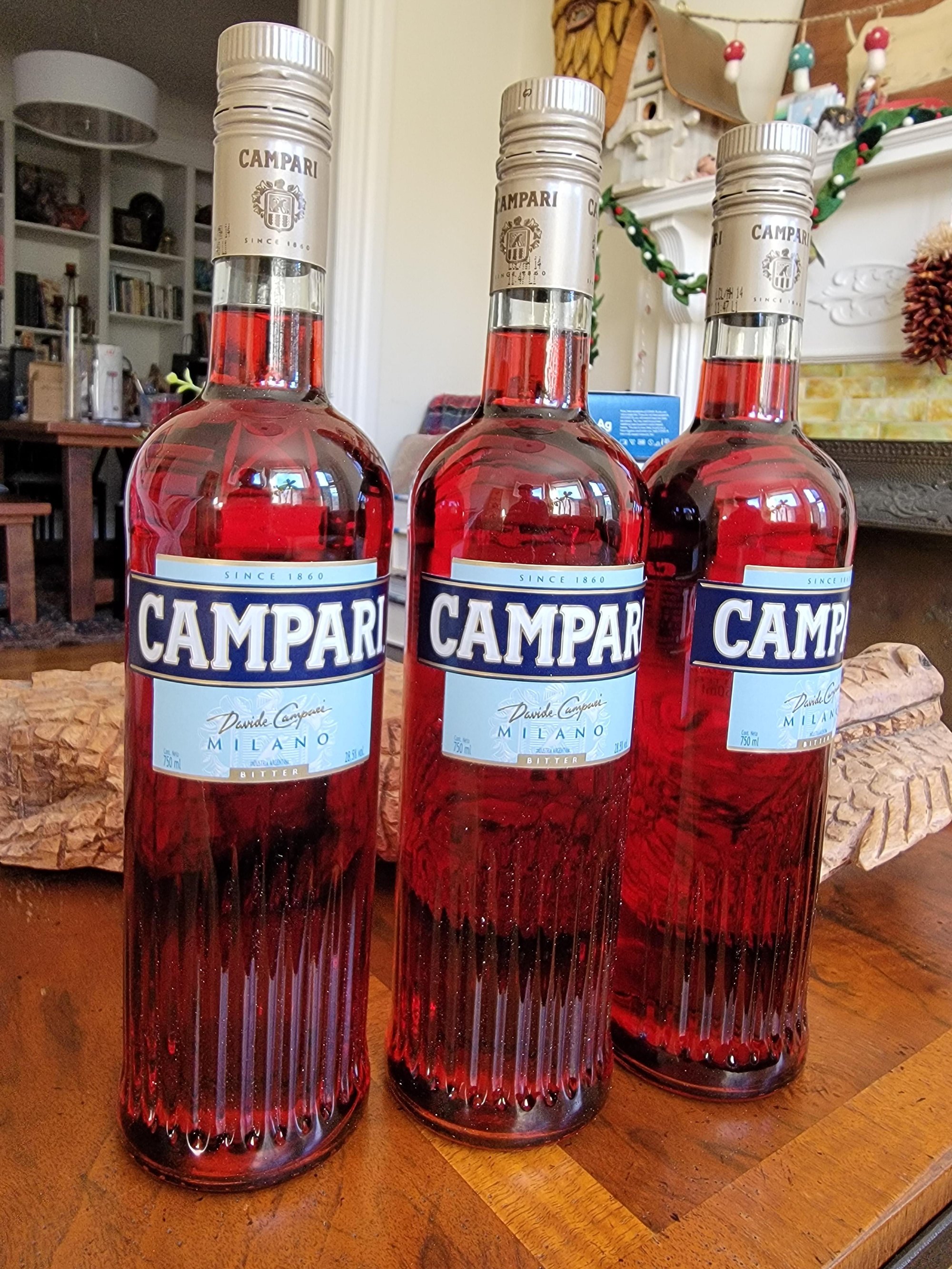
For context, the producers earning similar recognition across Argentina's drinks sector include operations with deep institutional roots, from Campari Argentina, also based in Capilla del Señor and a direct peer in the aperitif category, to distillery operations like Fratelli Branca Distillery in Buenos Aires. Gancia Argentina's presence in this company confirms that Capilla del Señor, rather than being an afterthought to Mendoza's wine circuit, is in fact the centre of gravity for Argentina's aperitif industry.
The Philosophy Behind Aperitif Winemaking
The craft of vermouth and aperitif wine production demands a different orientation than the single-varietal, terroir-forward approach that governs most of Argentina's export wine narrative. Where a winemaker at Bodega Colomé in Molinos or Familia Schroeder in San Patricio del Chañar works primarily from the vineyard outward, the aperitif producer works inward from a target flavour profile, using base wines as the canvas and botanical blending as the primary tool. The result is a discipline closer to blending and formulation than to viticulture, though the quality of the underlying wine matters considerably.
Gancia's broader history in this discipline spans well over a century, drawing on Italian vermouth-making traditions that emphasise wormwood, citrus peel, and a suite of aromatic botanicals in ratios that define house style. The Argentine operation inherits that tradition and applies it to locally sourced base wines, which gives the finished product a South American character without abandoning the European structural logic that makes vermouth vermouth. This kind of continuity, institutional knowledge passed through production teams rather than individual winemakers, is the specific form of expertise that aperitif houses develop over time, and it is distinct from the auteur winemaking philosophy that drives houses like Rutini Wines (La Rural) in Tupungato or Bodega DiamAndes in Tunuyán.
Capilla del Señor as a Drinks Destination
The town itself sits in the Ramallo corridor of Buenos Aires province, a stretch of agricultural land that has historically supported the grain and livestock industries alongside lighter manufacturing. Its association with aperitif and spirits production gives it a specific industrial-heritage character that differentiates it from both the vineyard tourism of Mendoza and the urban bar culture of Buenos Aires city. Visitors who come specifically for the drinks industry tend to arrive with professional interest, buyers, importers, category researchers, rather than the leisure-tasting tourist profile that drives traffic to Escorihuela Gascón in Godoy Cruz or Bodega Antigal in Maipú.
That said, the aperitif tradition embedded in towns like Capilla del Señor has a cultural claim on Argentine identity that deserves broader attention. The pre-dinner Gancia with soda, served over ice with a slice of orange, is not a nostalgic affectation, it remains a live ritual in Argentine households and restaurants, particularly outside Buenos Aires city, where international cocktail trends arrive more slowly and local drinking habits retain their shape. Understanding Gancia Argentina means understanding that ritual, and the town where it is produced is a more honest reflection of that culture than any Buenos Aires bar menu could be.
Positioning Within Argentina's Wider Drinks Sector
Argentina's drinks export story has been dominated for two decades by Malbec, with secondary attention going to Torrontés in the north and sparkling wine in Mendoza and Río Negro. The aperitif category, despite its deep domestic market penetration, rarely features in that export narrative. Producers like Gancia Argentina operate in a commercially substantial but critically underexamined space, which partly explains why the Pearl 1 Star Prestige recognition carries meaning beyond the award itself: it applies a critical framework to a category that has historically been treated as a trade matter rather than a quality conversation.
Comparable producers in the broader South American spirits and aperitif space, including Aberlour in Aberlour and Accendo Cellars in St. Helena, operate in categories where critical infrastructure is well established. Gancia Argentina operates in a category where that infrastructure is still forming, which makes its recognition more significant as a signal of category maturation than it might appear at first reading.
For those building a picture of Argentina's full drinks spectrum, the comparison set worth tracking includes Bodega El Esteco in Cafayate and Bodega Trapiche in El Trapiche, both recognised producers in the still wine segment, alongside Gancia Argentina as the aperitif reference point.
Planning a Visit
Capilla del Señor is accessible by road from Buenos Aires, approximately 80 kilometres north of the capital along routes that pass through the Pampa húmeda. For production-scale aperitif operations, site visits tend to be arranged through trade or institutional channels rather than open consumer tasting programmes, so direct contact with the producer in advance is advisable.
Frequently asked
What recognition does Gancia (Aperitif) Argentina have?
Gancia (Aperitif) Argentina has received recognition including: Pearl 1 Star Prestige (2025).
What's the must-try wine at Gancia (Aperitif) Argentina?
Gancia Argentina's focus sits firmly in vermouth and aperitif wine rather than still wine, and the classic Argentine serve of Gancia aperitif over ice with soda remains the reference point for understanding the range. The house style is built around botanical complexity and consistent blending rather than single-vineyard expression. For anyone approaching the category for the first time, starting with the core aperitif product gives the clearest picture of what earned Gancia its EP Club Pearl 1 Star Prestige recognition in 2025.
What's the defining thing about Gancia (Aperitif) Argentina?
Gancia Argentina sits at the centre of the country's aperitif industry from its base in Capilla del Señor, a town north-east of Buenos Aires that has historically anchored this production tradition. Unlike Mendoza's estate wineries or the Torrontés producers of the north, Gancia works in a blending and botanical infusion tradition closer to the Italian vermouth houses than to Argentine fine wine culture. The EP Club Pearl 1 Star Prestige (2025) recognises both quality consistency and category leadership within that specialist aperitif framework.
Do I need a reservation for Gancia (Aperitif) Argentina?
No consumer tasting programme or confirmed walk-in format is on record for Gancia Argentina. Production-scale aperitif operations of this type in Buenos Aires province typically direct trade and media enquiries through formal channels rather than open visitor access. Anyone planning a trip to Capilla del Señor specifically to visit should contact the producer directly before travel to confirm current arrangements.
How does Gancia Argentina's Pearl 1 Star Prestige award position it within Argentine aperitif production?
EP Club's Pearl 1 Star Prestige (2025) places Gancia Argentina among producers recognised for both category leadership and quality consistency, a distinction that carries particular weight in a segment long overshadowed by Argentina's Malbec export story. Capilla del Señor, where Gancia operates, is the geographic anchor of the country's aperitif industry, giving the award a regional as well as producer-level significance. Within Argentina's drinks sector, the recognition marks aperitif wine as a category deserving serious critical attention alongside the country's better-documented wine regions.
How it compares
Gancia (Aperitif) Argentina
- Price
- —
- Awards
- 1 recognition
- Notes
- Winery
Campari Argentina
- Price
- —
- Awards
- 1 recognition
- Notes
- Capilla del Señor, Winery
La Alazana Distillery
- Price
- —
- Awards
- 1 recognition
- Notes
- Winery
Domingo Molina
- Price
- $$
- Awards
- 1 recognition
- Notes
- Yacochuya Norte, Torrontes, Malbec
Chakana Winery
- Price
- $$
- Awards
- 1 recognition
- Notes
- Agrelo, Malbec, Cabernet Franc
Fratelli Branca Distillery
- Price
- —
- Awards
- 1 recognition
- Notes
- Tortuguitas, Sangiovese