Cantina di Pitigliano
- 01CityPitigliano, Italy
- Falstaff Winery - Listed · 2026
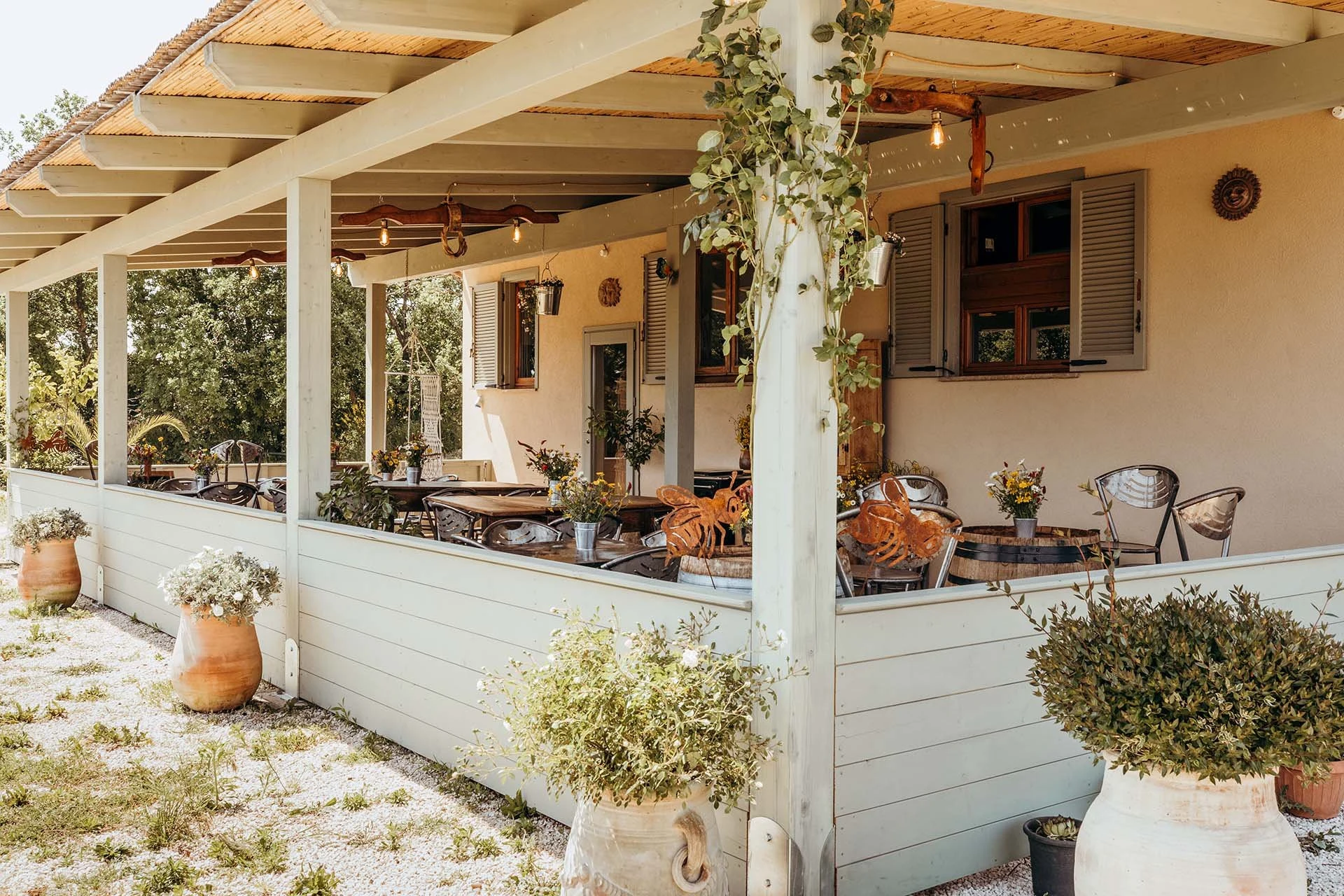
Cantina di Pitigliano is a winery in Pitigliano where the setting is central to the experience. Its modern corten-steel tasting room is set against historic tufa cellars, combining contemporary architecture with the traditional character of a long-standing cooperative winery. The impression is classic, scenic, rustic, and iconic, with the contrast between new materials and old stone doing much of the work. This is the kind of place where the visual and architectural context matters as much as any practical description: the venue is defined less by a long list of confirmed offerings than by the way its modern structure frames a cellar landscape rooted in Pitigliano’s tufa heritage. For travelers, that makes it a useful stop to understand first through atmosphere, then through whatever current visit details are confirmed directly.
Tufa cellars and contemporary design
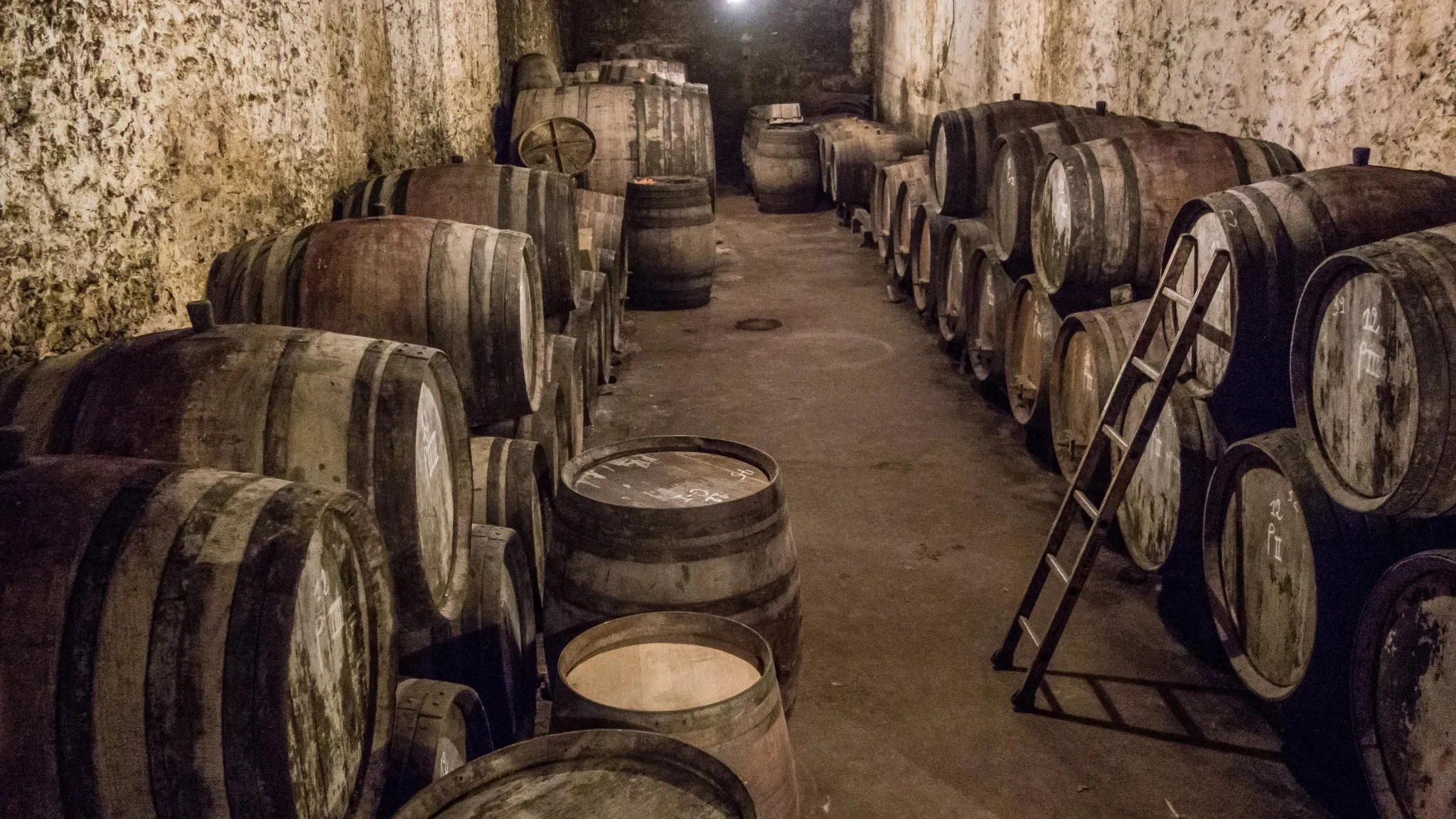
The most reliable way to frame Cantina di Pitigliano is through its architecture and atmosphere. The picture is not a detailed menu, cellar-door program, or wine list, but a place defined by a modern tasting room and historic tufa cellars in Pitigliano. The corten-steel element gives the venue a contemporary edge, while the tufa cellars keep it grounded in a local, historic material language. That contrast is the core of the appeal: a winery experience shaped by surfaces, textures, and setting rather than by any single confirmed tasting format.
That makes the venue useful for travelers who care about setting as much as specifics. Rather than relying on claims about particular bottles, formats, or production details, the draw is the meeting of contemporary corten-steel design with a rustic cellar context. It is a direct but memorable framing: modern architecture placed beside older stone, with the visitor’s impression coming from the tension between the two. The setting reads as deliberate and visually strong without needing to be over-explained.
The overall character is classic and scenic, with a strong sense of place. It is best understood as a Pitigliano winery whose design highlights the relationship between modern architecture and the town’s tufa-cellar heritage. The rustic quality comes from the cellar backdrop and the association with cooperative winery tradition; the contemporary quality comes from the tasting room’s material and form. Together, they create a venue that feels rooted in Pitigliano while still presenting itself in a clearly modern way.
A cooperative winery setting in Pitigliano
Treat those practical elements as items to confirm directly before planning around them. The available information does not support building expectations around a precise tasting menu, a fixed cellar-door program, a meal service, or a specific list of bottles. That does not weaken the venue’s identity; it simply means the safest description is setting-led. Visitors should approach Cantina di Pitigliano as a cooperative winery environment where the confirmed strength is the place itself, then verify the current practical details before making it a firm anchor in the day.
What can be said with confidence is that the venue has a moderate price level, listed as $$. Its appeal rests on the setting: a corten-steel tasting room, historic tufa cellars, and a rustic yet contemporary atmosphere in Pitigliano. The $$ level helps position it without overpromising, suggesting a moderate category rather than a luxury or bargain framing. Within that frame, the experience is best described through mood and context: scenic, classic, and closely tied to the visual identity of Pitigliano.
For visitors comparing options in the area, the safest approach is to use Cantina di Pitigliano as a setting-led winery stop and confirm current visit details directly. The available information supports the atmosphere and price level, not a specific tasting menu, lunch service, or bottle lineup. That distinction is important for planning: the reason to keep it on a shortlist is the combination of contemporary design and tufa-cellar heritage, while the exact practical shape of a visit should be checked before arrival. In other words, let the setting be the reason to look, and let direct confirmation determine the logistics.
How to place it in a Pitigliano itinerary
For a Pitigliano itinerary, Cantina di Pitigliano works as a winery stop where architecture, cellar heritage, and atmosphere are the main confirmed reasons to go. Build the rest of the day around other dining and activities in Pitigliano generically, then check current details with each venue before committing to a schedule. This keeps expectations realistic and avoids assigning the winery a role that the available information does not clearly support. It can sit naturally within a day focused on the town’s character, especially for travelers who respond to places where design and local material history are part of the attraction.
Against other possible stops in and around Pitigliano, Cantina di Pitigliano stands out for its combination of modern corten-steel tasting room design and historic tufa cellars. Keep expectations focused on that setting, the $$ price level, and the classic, scenic, rustic character of the venue. It is not necessary to overbuild the case with unconfirmed specifics: the essential point is already strong. Cantina di Pitigliano is best placed as a visually memorable cooperative winery setting, with a contemporary tasting-room presence and a cellar context that connects it to Pitigliano’s tufa landscape.
Questions
Frequently asked
How expensive is Cantina di Pitigliano?
Cantina di Pitigliano is listed at a price level of $$.
The field
How it compares
| Place | Notes | Awards |
|---|---|---|
| Cantina di Pitigliano | Pitigliano, $$ | · |
| Château Cheval Blanc | Saint-Émilion | · |
| Château Rayas | Châteauneuf-du-Pape | · |
| Domaine des Comtes Lafon | Meursault | · |
| Poggio al Tufo | Pitigliano | · |
| Ruinart | Reims | World's 50 Best |
| The Macallan | Aberlour | · |