- Falstaff Winery - 2 Stars · 2026
Approaching wine in Venosa starts with land, not label. The Vulture area is shaped by volcanic soils, altitude, and Aglianico del Vulture, a grape that ripens late, builds tannin slowly, and rewards producers willing to wait into November. Here, Cantina di Venosa reads less as boutique cellar than regional instrument: a cooperative translating many family vineyards into a coherent Basilicata voice.
Scale matters. Founded in 1957 by 27 farmers, the cooperative now unites 350 members farming around 800 hectares, much of it in the municipality of Venosa. That makes it useful for understanding the area in a way a small estate cannot: not a single-vineyard manifesto, but a broad view of Aglianico grown on Vulture’s volcanic ground, with old parcels, high-elevation fruit, and a production culture rooted in collective agriculture.
Volcanic Aglianico at cooperative scale
Aglianico is often called Southern Italy’s answer to Nebbiolo, not because they taste alike, but because both combine acidity, tannin, and long ageing potential. In Basilicata, the extinct Mount Vulture’s volcanic soils add another register: structure before charm, dark fruit, firm grip, and a mineral line that can feel severe when young. Cantina di Venosa works inside that tradition rather than smoothing it away.
The vineyard picture is unusually broad. Parcels sit around 450 to 500 metres, and some vines are listed at 50 to 55 years old. Harvest for flagship Aglianico can run into the first part of November, a timing that says almost everything about the grape’s temperament. This is not a variety for quick, soft reds. It needs a long season, temperature shifts, and producers able to manage power without flattening the wine.
Carato Venusio, the cooperative’s Aglianico del Vulture Superiore DOCG, is the reference point. Its production details are telling: maceration at controlled temperatures, fermentation in stainless steel, then 18 to 24 months in 225-litre French oak, followed by at least 12 months in bottle. That places the wine in the serious Aglianico register, where ageing, tannin management, and oak integration are part of the conversation rather than decorative cellar work.
Recognition is not incidental. Carato Venusio has received Tre Bicchieri from Gambero Rosso, a meaningful Italian wine signal, and Vinous has covered Aglianico del Vulture from the cooperative in language pointing to depth and firm tannic architecture. Awards do not make the wine interesting alone; they confirm that Basilicata’s cooperative model can compete in a country where prestige often attaches to family estates and smaller production narratives.
Tradition, then the experimental edge
The modern side is not a branding gloss. The Underwater Wines project placed bottles of Carato Venusio, from the 2013 vintage, for six months at 50 metres on the Ligurian seabed, where temperatures were cited at 13 to 14°C and wave motion became part of the ageing experiment. The project involved oenologist Donato Gentile and Jamin Portofino, and helped push Francesco Perillo, the cooperative president, into Cook - Cucina Corriere.it’s list of 15 innovators of 2023.
That experiment can sound theatrical in weaker hands. Here it signals where Basilicata wine is moving: indigenous grapes are no longer defended only through heritage language. Producers are testing ageing environments, monitoring tools, and restaurant-focused releases while still working from Aglianico, Malvasia, Moscato, and other regional varieties. The point is not novelty for its own sake; it is whether a historic cooperative can keep pace with a market expecting both rootedness and technical confidence.
The Agriculture 5.0 programme makes the same argument from the vineyard. Sentinel2 satellite monitoring tracks vineyard conditions, with a Sentinel line covering Aglianico del Vulture, a white Basilicata IGT, and a rosé Basilicata IGT for the restaurant sector. For travellers and collectors, this is more revealing than cellar romance. It shows a cooperative managing scale with precision, using technology to read water stress, vineyard condition, and timing across a large agricultural base.
The portfolio shows how the region speaks beyond red wine. Aglianico remains the centre of gravity, through labels including Carato Venusio, Gesualdo, Verbo Rosso, and Terre di Orazio, while Malvasia, Moscato, rosé, and blended whites broaden the view. Matematico, a blend of Aglianico del Vulture and Merlot, sits elsewhere, using an international variety to soften or reshape Aglianico’s frame. Not every bottle carries equal weight; the cooperative format allows a fuller reading of Basilicata’s range than a single prestige cuvée would.
How to read Venosa through its wine
Venosa has a deeper cultural identity than many wine towns of its size, not least as the birthplace of the Roman poet Horace. For wine travellers, the practical lesson is geological. The city belongs to a zone where volcanic origin, altitude, and late harvest timing shape the glass before cellar decisions begin. Cantina di Venosa gives that lesson at volume, which is exactly why it belongs in a serious Venosa itinerary.
Readers mapping the city should treat the winery as part of a wider Venosa wine frame rather than an isolated stop. For nearby winery context, see Grifalco della Lucania and Regio Cantina, then use Our full Venosa wineries guide for the broader picture. The rest of the city’s travel planning sits in Our full Venosa restaurants guide, Our full Venosa hotels guide, Our full Venosa bars guide, and Our full Venosa experiences guide.
For a wider Italian and European winery reading list, useful contrasts include 3GP SRL in Treviso, 47 Anno Domini in Trebaseleghe, A Mano Wine in Noci, a6mani in Fragagnano, Abbadia Ardenga in Torrenieri, Abbazia di Crapolla in Neapel, »der Steiner« Hans Steiner in Podersdorf am See, and & Handwein in Mannheim.
Questions
Frequently asked
Who works at Cantina di Venosa?
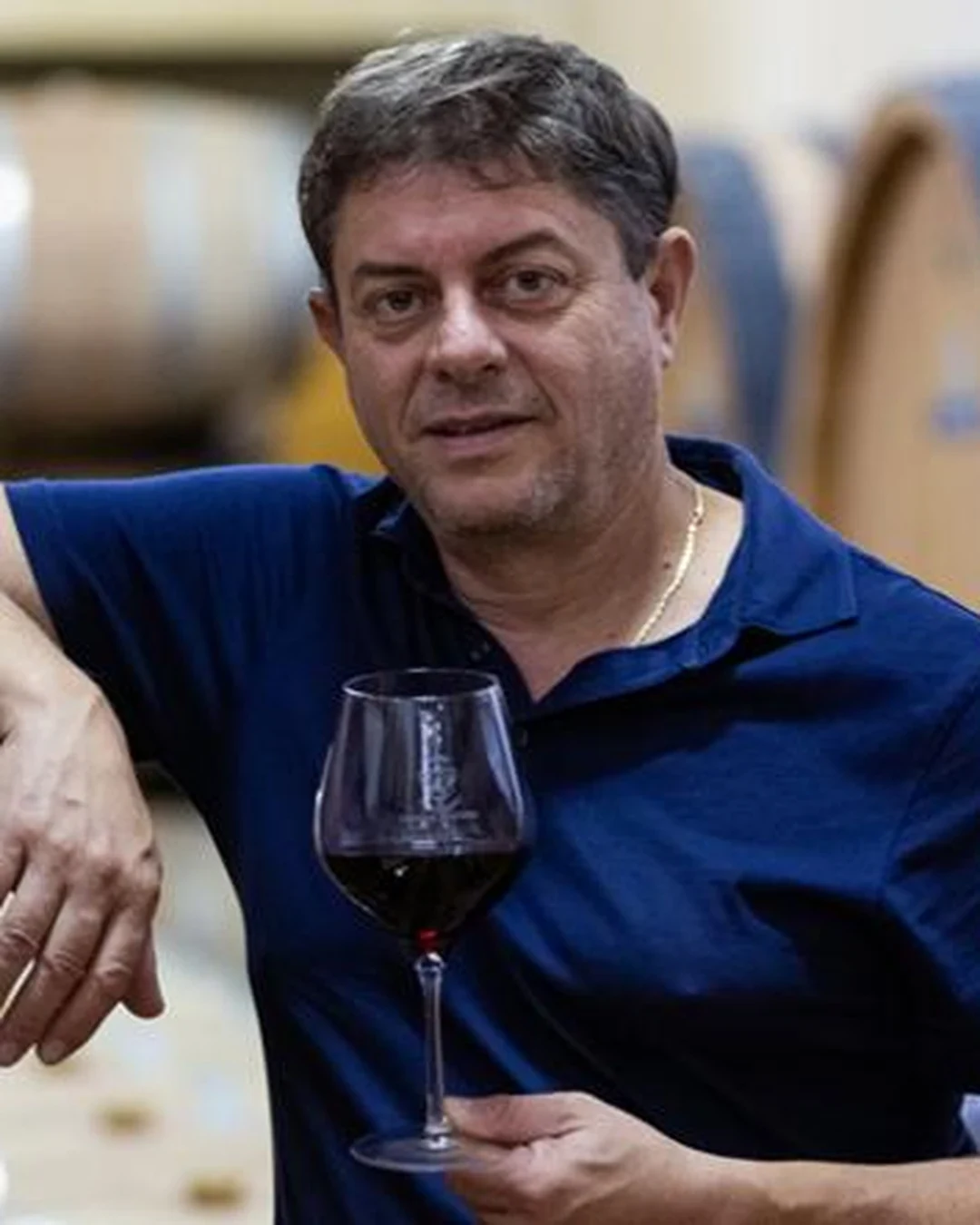
Made By profiles Francesco Perillo (Winemaker) at Cantina di Venosa.
How expensive is Cantina di Venosa?
Cantina di Venosa is listed at a price level of $$.
The field
How it compares
| Place | Notes | Awards |
|---|---|---|
| Cantina di Venosa | Venosa, $$ | · |
| Billecart-Salmon | Aÿ | World's 50 Best |
| Château Palmer | Margaux | · |
| Domaine des Comtes Lafon | Meursault | · |
| Familienweingut Tement | Ehrenhausen | World's 50 Best |
| Grifalco della Lucania | Venosa | · |
| Regio Cantina | Venosa | · |