Cantina Fratelli Pardi
- 01CityMontefalco, Italy
- Falstaff Winery - Listed · 2026
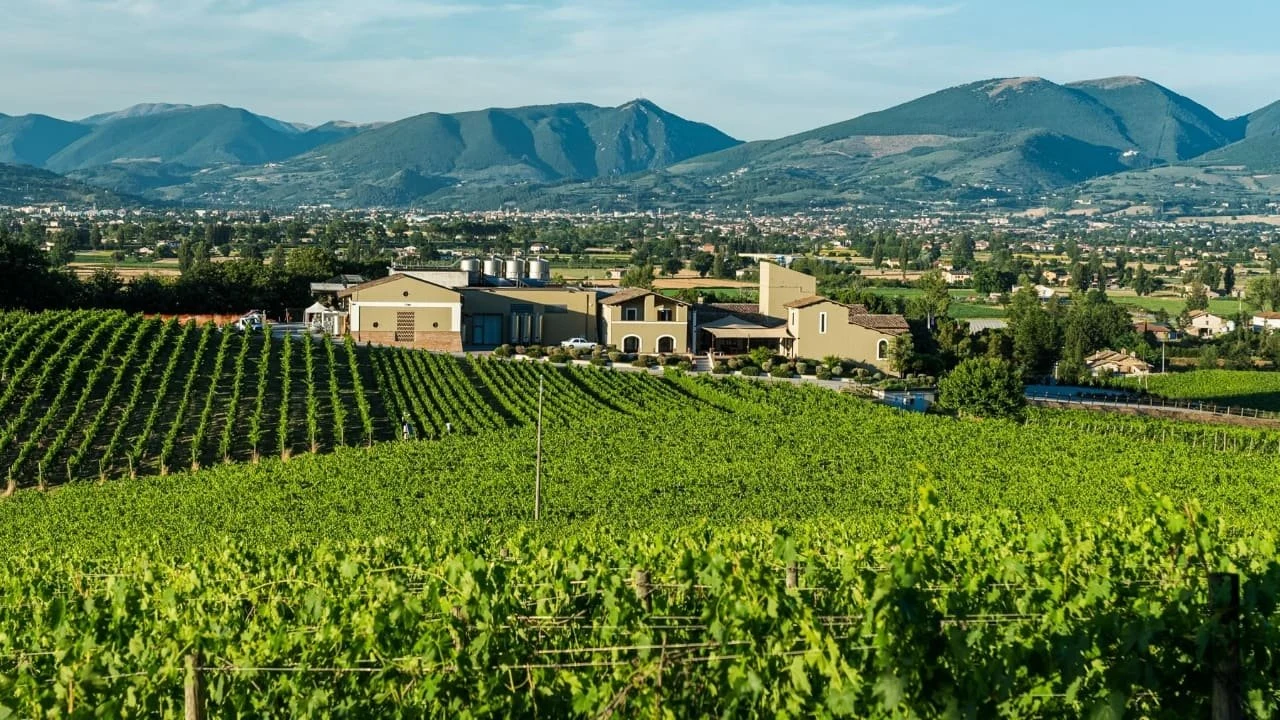
Approaching a Montefalco winery, the first lesson is usually geological rather than decorative: hillside exposure, old town walls, vineyard slopes and the particular Umbrian habit of putting serious wine culture close to medieval stone. Cantina Fratelli Pardi fits that pattern cleanly. Its tasting rooms sit beneath Montefalco’s ancient walls, with indoor, air-conditioned spaces and an atmosphere built around explanation rather than spectacle. The room matters because Sagrantino is not a casual grape. It asks for context: why the tannins are so firm, why passito survived as a historic style, and why the appellation gives time in wood and bottle such weight.
Montefalco’s wine identity is narrower and more demanding than many first-time visitors expect. Tuscany has Chianti as a broad cultural shorthand; Umbria, in this corner, has Sagrantino, a grape with enough structure to make cellar discipline visible in the glass. The appellation frame is Montefalco DOC and Montefalco Sagrantino DOCG, with dry Sagrantino and passito both central to the story. For travellers building a wine route through the area, the wider circuit can be mapped through Our full Montefalco wineries guide, then balanced with Our full Montefalco restaurants guide, Our full Montefalco hotels guide, Our full Montefalco bars guide and Our full Montefalco experiences guide.
The Sunday letter
Find new places through the people who run them.
Our Sunday email brings you the chefs, winemakers and hoteliers behind our newest stories. See a sample before you subscribe.
See a sample of the Sunday emailOne email a week. Unsubscribe from any issue.
Sagrantino explained through a working family estate
The Pardi story begins in 1919, when Alfredo, Francesco and Alberto Pardi founded the family winery in Montefalco. That date gives the estate more than heritage value; it places the name inside the period when local wine production was still tied to mixed farming, town institutions and regional trade. The revival in 2003, led by the founders’ descendants, matters because modern Montefalco now sells itself through a more formal wine-tourism language: tastings, cellar visits, vineyard interpretation and direct estate identity.
The estate works 11 hectares and keeps its production chain close, from vineyard to bottling. Sagrantino is the anchor, joined by Sangiovese, Cabernet and Merlot for Montefalco Rosso, and by Grechetto, Chardonnay and Trebbiano Spoletino on the white-wine side. That range is useful for visitors because it prevents the tasting from becoming a single-grape endurance test. Sagrantino gives the region its force; the other varieties show how Montefalco estates soften, frame or contrast that force within local DOC categories.
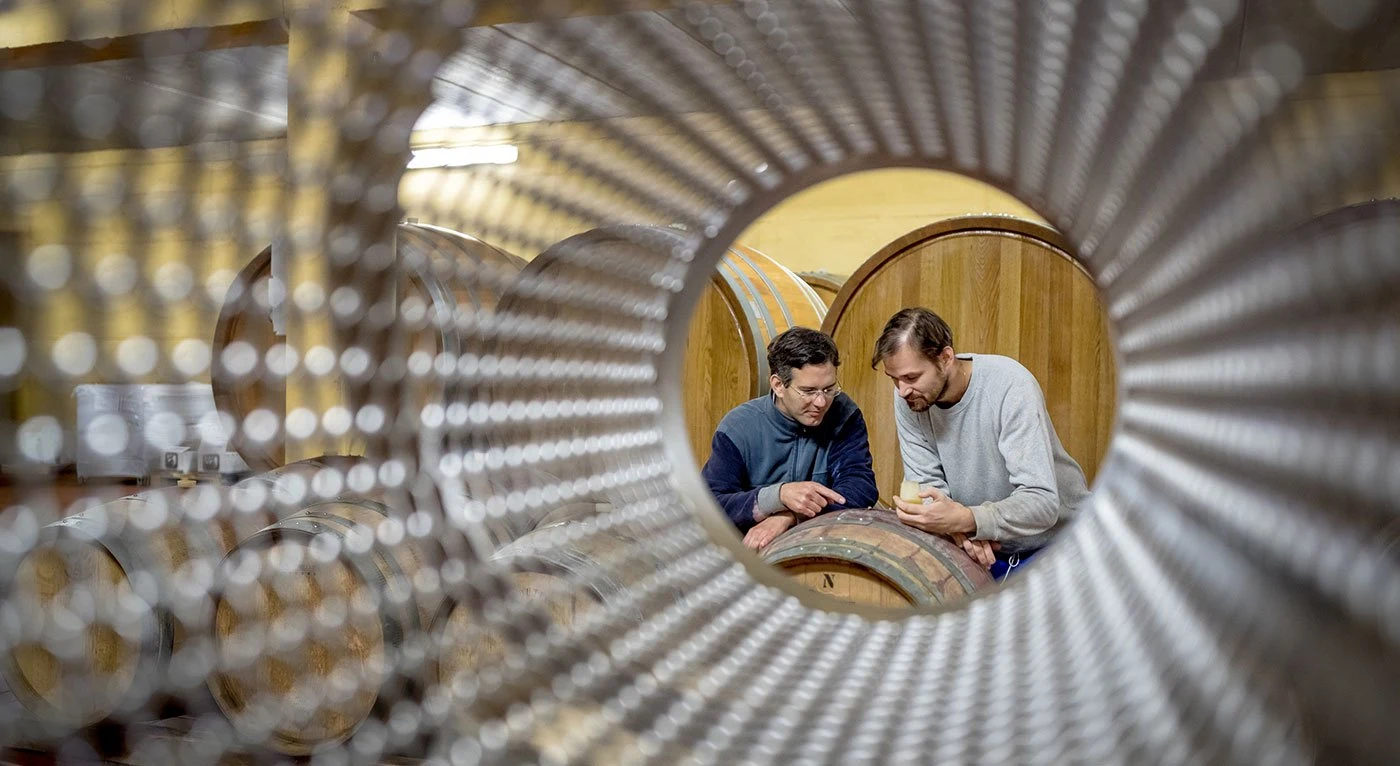
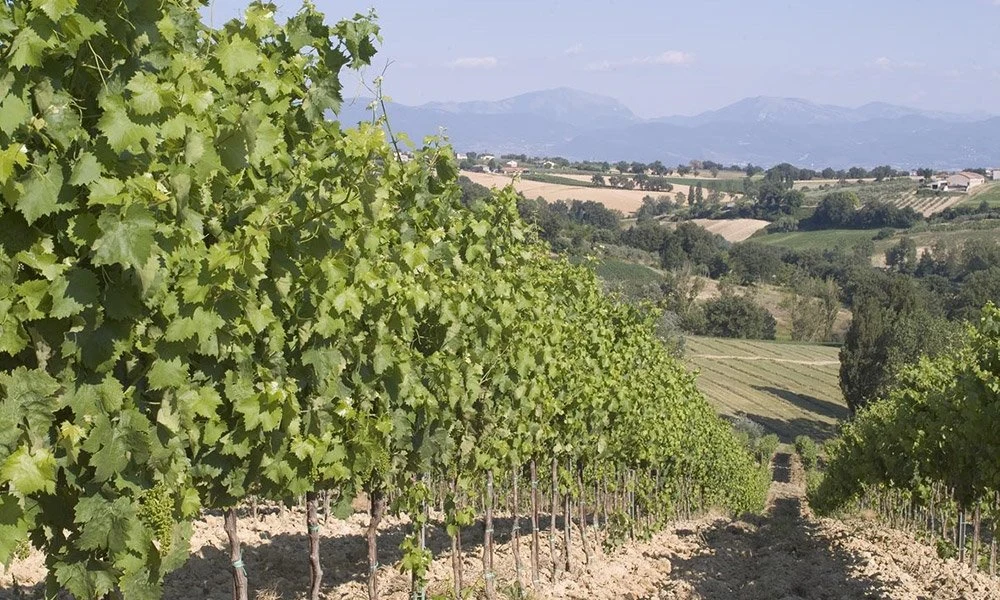
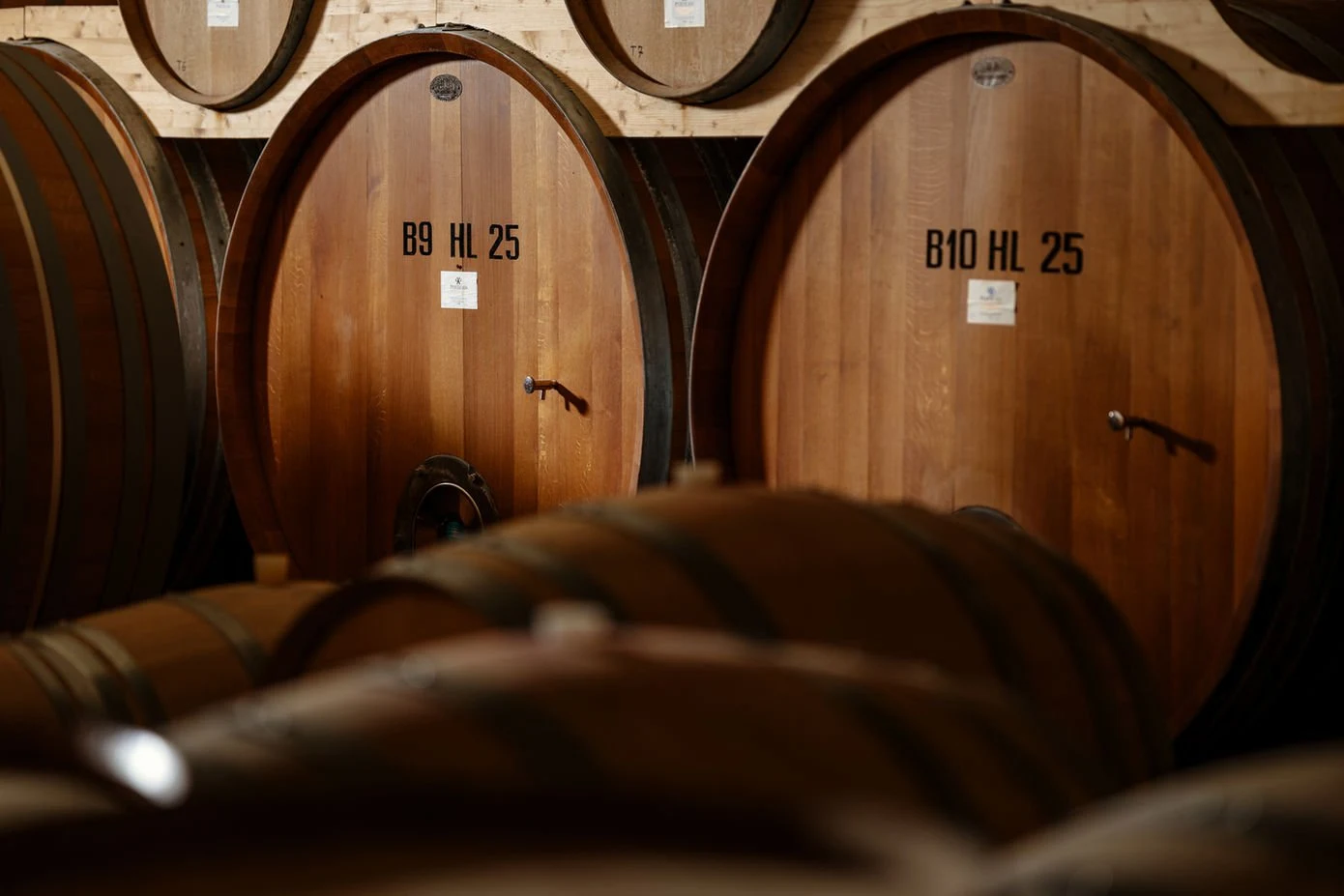
Vineyard work is described in practical, old-fashioned terms: hand pruning, defoliation, bunch thinning and hand harvest. Those details are not romance. In a zone where Sagrantino’s tannic load can dominate, canopy work and yield control are part of the wine’s architecture. The cellar follows a familiar Montefalco logic, with stainless steel for fermentation and an underground ageing room using French barriques alongside larger oak from the Alps and Slavonia. The result is a producer best understood through structure, patience and appellation discipline rather than novelty.
Why the tasting format suits Montefalco
Guided tasting is the right format here. Montefalco Sagrantino DOCG requires explanation, especially for drinkers who arrive from lighter Italian reds or from regions where fruit generosity is the main point of entry. The dry Sagrantino style and the passito tradition sit side by side, and that duality is one of Montefalco’s great teaching tools: the same grape can read as stern, savoury and age-oriented in one register, then concentrated and sweet in another.
Cantina Fratelli Pardi offers guided tastings, tour-plus-tasting formats, vertical tastings and food-pairing options, with Italian and English available. The range runs from still reds and whites to dessert wine and sparkling, though the intellectual centre remains Sagrantino and the local DOC/DOCG framework. The experience is small-scale and conversational, suited to travellers who want the cellar logic as much as the glass. It is not a mass-tourism winery built around a photo stop; it is a compact educational format tied to a family production site.
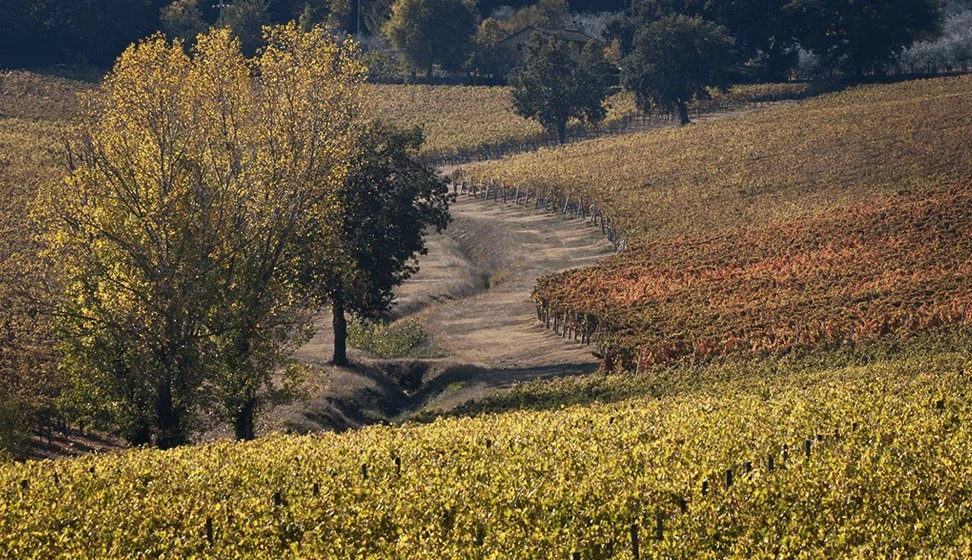
The setting also helps. Montefalco’s hill position, the surrounding vineyard country and the estate’s cellar spaces give a tasting enough physical context to make the appellation less abstract. A barrel room explains time. A vineyard view explains exposure. A white made with Grechetto or Trebbiano Spoletino explains why the area is not only about tannic red wine. That combination is the main reason the visit works: the wines are not isolated from the place that shaped them.
How to place it on a wider wine route
A Montefalco itinerary benefits from contrast. Some estates in the area read through scale, some through historic holdings, others through a compact family lens. Cantina Fratelli Pardi belongs to the latter category: modest in footprint, direct in hospitality, and anchored by a founding date that predates the current wave of Umbrian wine tourism. Travellers extending the route can build broader regional context through Antonelli San Marco, Arnaldo Caprai, Bocale, Cantina Colle Ciocco and Il Gheppio.
For readers comparing Italian wine travel beyond Umbria, the useful distinction is not prestige but format. Montefalco rewards a slower, appellation-led approach, different from the broader producer directories represented by 3GP SRL in Treviso, 47 Anno Domini in Trebaseleghe and A Mano Wine in Noci. Cross-border reference points such as »der Steiner« Hans Steiner in Podersdorf am See and & Handwein in Mannheim underline the same point: the strongest winery visits are usually those where the format clarifies the region, not those where hospitality overwhelms the wine.
Questions
Frequently asked
How expensive is Cantina Fratelli Pardi?
Cantina Fratelli Pardi is listed at a price level of $$.
The field
How it compares
| Place | Notes |
|---|---|
| Cantina Fratelli Pardi | Montefalco, $$ |
| Arnaldo Caprai | Montefalco |
| Bocale | Montefalco |
| Montioni | Montefalco |
| Perticaia | Montefalco |
| Scacciadiavoli | Montefalco |
| Tenuta Alzatura | Montefalco |
Similar places
The Sunday letter
Get the next Made By story in your inbox.
We send one email every Sunday morning with the places and people we covered that week.
See a sample of the Sunday emailOne email a week. Unsubscribe from any issue.