- Falstaff Winery - 5 Stars · 2026
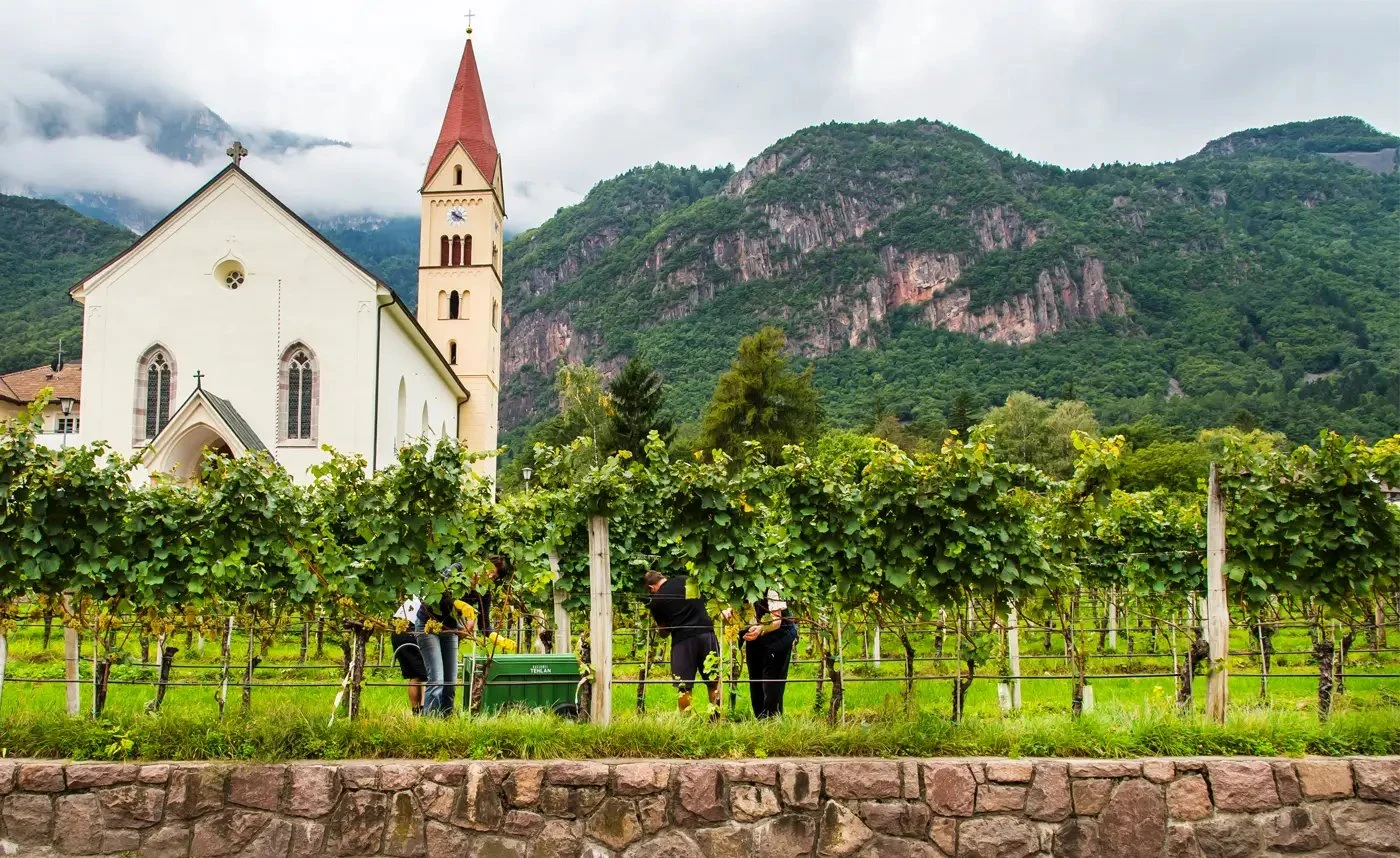
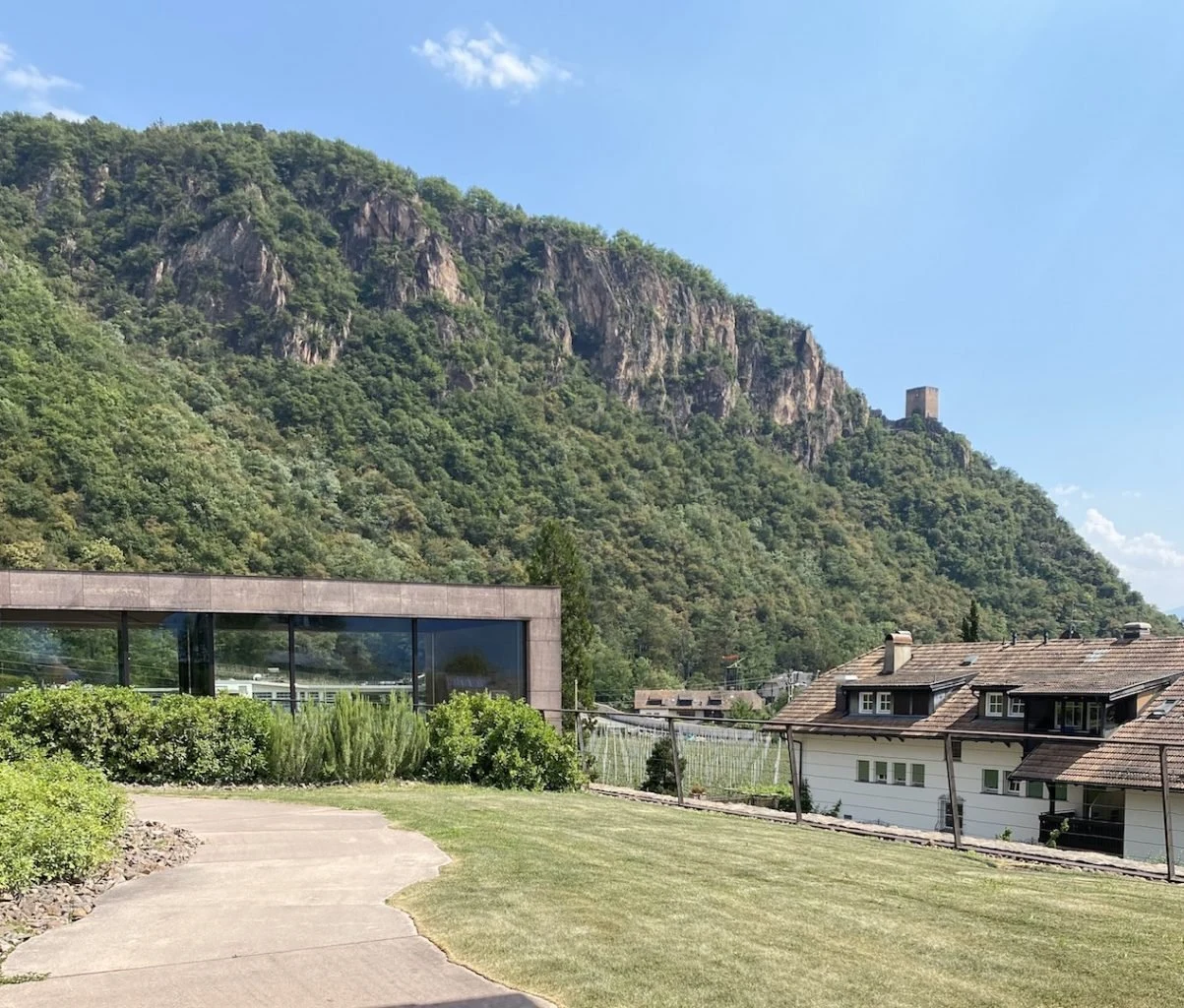
The approach to Cantina Terlano is framed by rock as much as vine. The winery’s red-porphyry exterior and vine-planted roof make the building feel tied to the hillside rather than imposed on it, a fitting first signal for a South Tyrolean cooperative whose reputation rests on soil, altitude and time. In Alto Adige, where Germanic precision and Italian drinking culture meet in the glass, Terlan’s identity is narrower and more mineral than the broader postcard image of Alpine wine country.
The case for visiting here begins with terroir rather than hospitality theatre. Vineyards farmed by the cooperative’s 143 growers sit across roughly 165 to 190 hectares, with elevations ranging from 250 to 900 metres. Red Bolzano quartz-porphyry, volcanic in origin, retains daytime warmth and drains quickly enough to push roots deep. That combination explains why the house language is less about aromatic show and more about structure, salinity and longevity.
Porphyry, altitude and the Alto Adige white-wine argument
Alto Adige is often treated as a cool-climate region first, but Terlan complicates that shorthand. The porphyry soils store heat, while mountain nights preserve acidity; the result suits white varieties that need both ripeness and line. Cantina Terlano’s portfolio is weighted toward white wine, with Pinot Bianco, Sauvignon Blanc, Chardonnay, Pinot Grigio and Müller-Thurgau among the core grapes, while reds such as Lagrein and Pinot Noir form a smaller share of production.
Pinot Bianco carries the serious argument. In many Italian regions it can be a modest table wine; here it becomes the spine of age-worthy Alto Adige DOC bottlings and Terlaner blends. The historic Terlaner Cuvée is built from Pinot Bianco with Chardonnay and Sauvignon Blanc, a composition that explains the style neatly: acidity and shape from Pinot Bianco, breadth from Chardonnay, aromatic lift from Sauvignon. That blend is the more useful reference point than any generic “Alpine white” label.
The cooperative model matters because it is not treated as a volume machine. Growers are paid for grape quality rather than weight, a practical incentive that aligns small vineyard holdings with cellar ambition. Production remains large in scale, but the interesting point is the tension between scale and precision: a cooperative founded in 1893 using collective farming to make wines that collectors follow for their aging capacity.
The long-cellar culture behind the Rarity wines
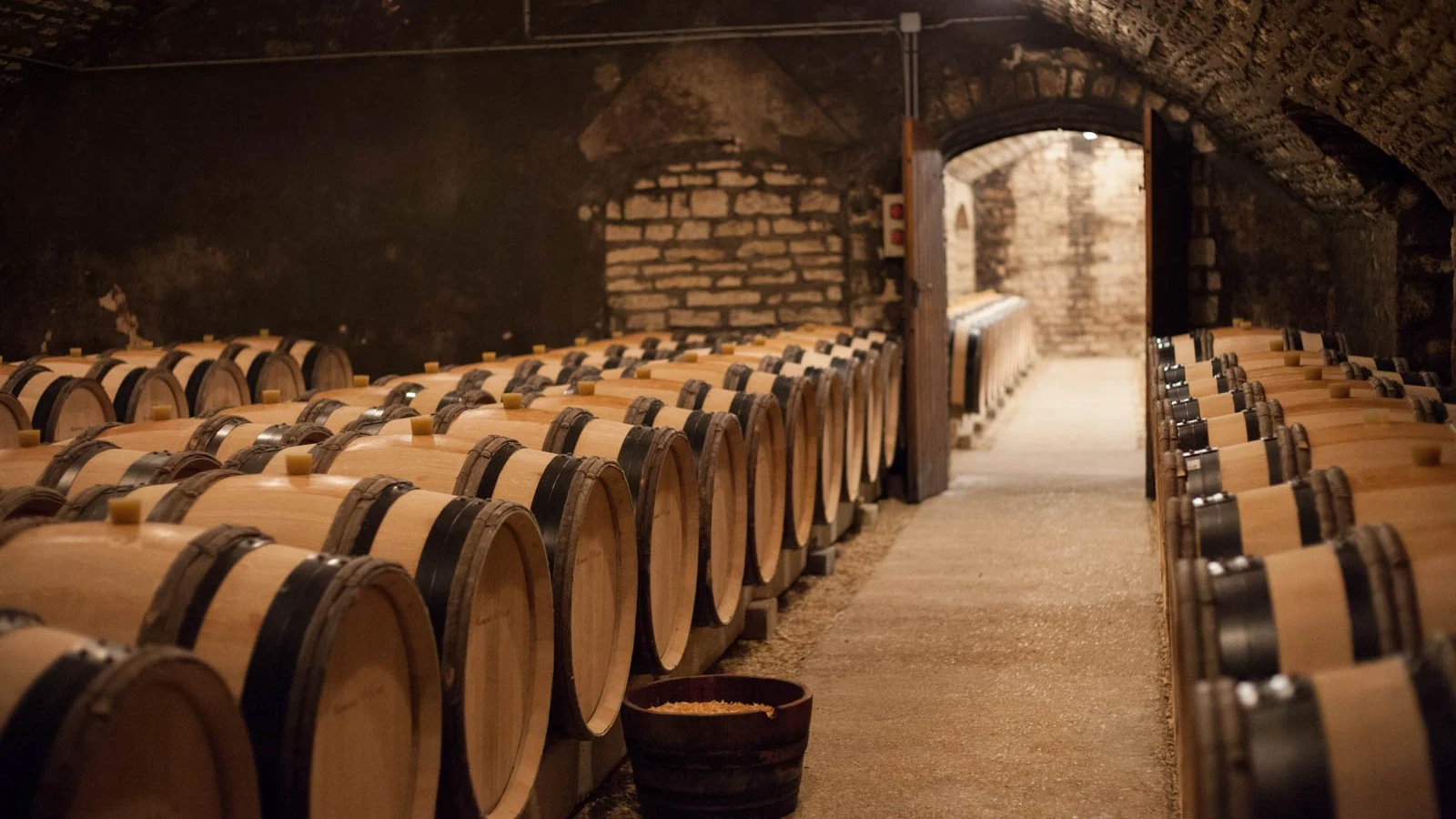
The cellar story is unusually central here. Cantina Terlano’s long-aging approach is associated with the Stocker method, named for former winemaker Sebastian Stocker, in which selected wines mature first in wood and then for many years on the lees in small steel tanks. Some releases spend between ten and thirty years in this cycle before further bottle aging. That is not a decorative detail; it is the technical reason the Rarity line occupies a different mental shelf from ordinary current-release whites.
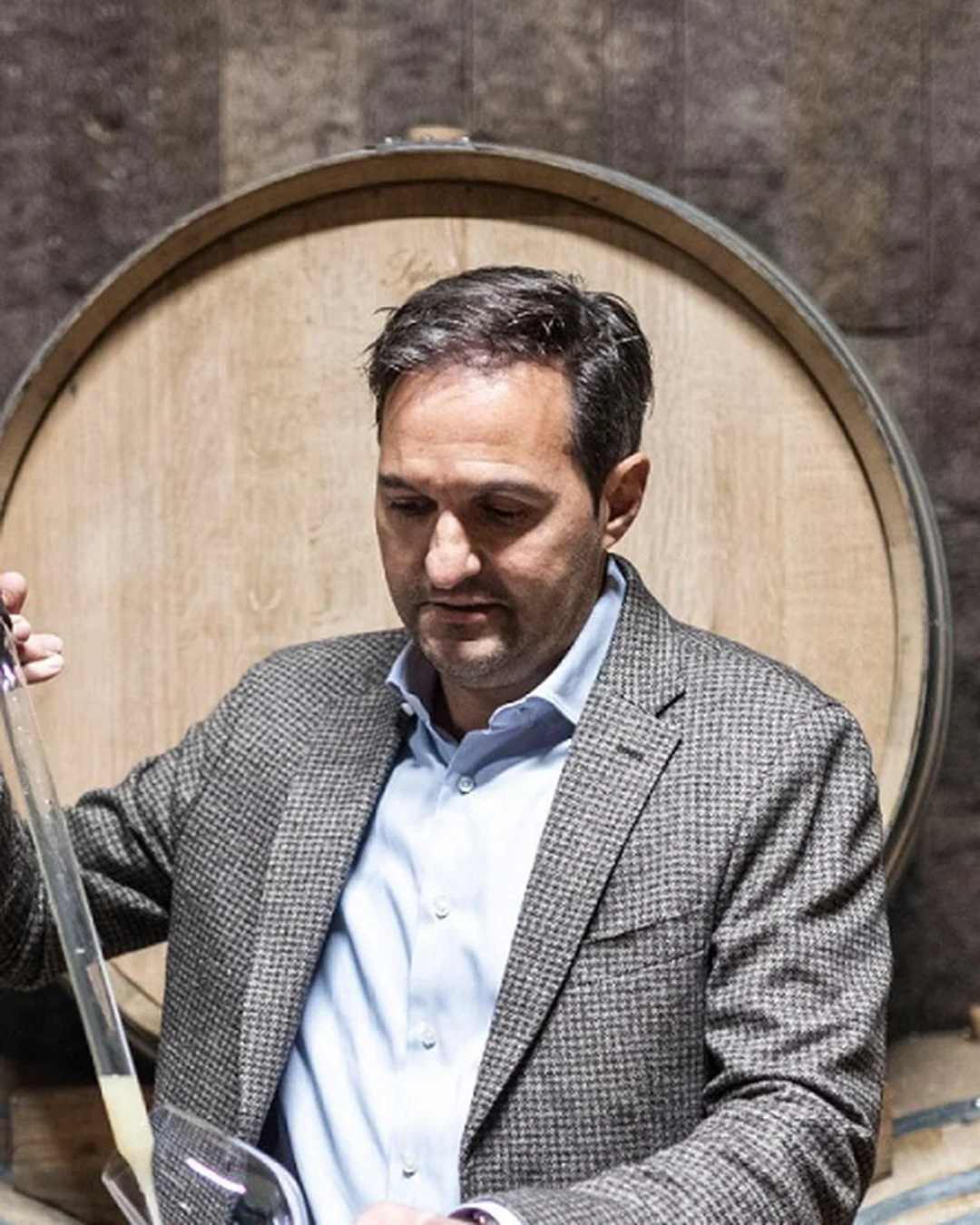
Rudi Kofler, winemaker since 1999, inherited a house style that values acidity, lees contact and patience over immediate generosity. The Rarity releases are limited, with 3,330 bottles filled annually, while the cellar holds vintages made under this long-aging regime back to 1979. For travelers used to tasting rooms built around quick flights and retail conversion, this is a more archival format: the pleasure is in understanding how a white wine region builds time into its identity.
The modern cellar, expanded in 2009 with 18,000 square metres of storage space, reinforces that point. This is a production winery with design discipline rather than a lifestyle estate. Guided and cellar tastings suit drinkers who want the mechanics explained: porphyry, altitude, cooperative farming, lees aging and why Pinot Bianco can carry serious bottle age in this corner of northern Italy.
How to read the visit in Terlan
For Terlan, Cantina Terlano functions as an anchor address: historic enough to explain the village’s wine identity, technical enough to reward people who arrive with questions, and calm enough for a tasting that does not need restaurant-style drama. The atmosphere is quiet and structured, with mountain and vineyard views setting the tone. It is casual in dress but serious in content, better suited to wine education, small groups, corporate outings and special-occasion tastings than to families with children.
Reservations are recommended, and the visit type is by reservation, which fits the guided tasting and cellar tasting format. Tours run in German and generally occupy the one-hour to ninety-minute range, enough time to connect the hillside vineyards with the cellar program. Food pairing is not part of the core offer, and outdoor seating is not listed, so the experience should be understood primarily as a winery and cellar visit rather than a long lunch stop.
Within Terlan, the broader wine conversation can be extended through our full Terlan wineries guide, while nearby editorial planning sits in our full Terlan restaurants guide, our full Terlan hotels guide, our full Terlan bars guide and our full Terlan experiences guide. Additional Terlan winery pages include Cantina Andriano, Weingut Kiemberger and Weingut Kornell. For a wider European and Italian winery trail, continue with 3GP SRL in Treviso, 47 Anno Domini in Trebaseleghe, A Mano Wine in Noci, a6mani in Fragagnano, Abbadia Ardenga in Torrenieri, »der Steiner« Hans Steiner in Podersdorf am See and & Handwein in Mannheim.
Questions
Frequently asked
Who works at Cantina Terlano?
Made By profiles Rudi Kofler (Winemaker) at Cantina Terlano.
How expensive is Cantina Terlano?
Cantina Terlano is listed at a price level of $$.
The field
How it compares
| Place | Notes | Awards |
|---|---|---|
| Cantina Terlano | Terlano, $$ | · |
| Cantina Andriano | Terlan | · |
| Château Pape Clement | Pessac | World's 50 Best |
| Domaine de la Romanée-Conti | Vosne-Romanée | · |
| Ruinart | Reims | World's 50 Best |
| Weingut Kiemberger | Terlan | · |
| Weingut Kornell | Terlan | · |