Cantine di Verona
- 01CityVerona, Italy
- Falstaff Winery - Listed · 2026
Cantine di Verona is best approached as a cooperative winery group in Verona rather than as a rustic estate visit. That distinction matters, because it sets the tone for what a traveller should expect before arriving. The picture is professional and contemporary, with an emphasis on the Veronese territory, sustainability, production and brand representation. For travellers, the value is not a single farmhouse narrative or a narrowly personal family story, but a broader introduction to how a cooperative can present local wine identity through a range of DOC wines. It is a useful lens on Verona’s wine culture precisely because it points away from the isolated-estate model and toward a more collective, structured way of speaking about place, production and regional identity.
A cooperative view of Veronese terroir
The useful way to read Cantine di Verona is through its role as a cooperative group. It is positioned around the Veronese territory and the representation of local production, giving visitors a more organizational view of the wine landscape than they might get from a small independent estate. That organizational view can be valuable in its own right: instead of focusing only on one cellar’s private mythology, it suggests how a group can gather, frame and communicate the wine character of a wider area. Specific vineyard figures, membership numbers, individual grape varieties, labels and award claims should not be assumed unless confirmed directly by the venue.
The strongest frame is regional rather than label-specific. Cantine di Verona presents itself around DOC wines and the wider identity of Verona’s wine country. In practice, that means the most accurate expectation is not to arrive with a fixed list of bottles or varieties in mind, but to treat the venue as a point of entry into how Verona’s wine identity is described at a cooperative level. The emphasis is on territory, category and representation rather than on a single heroic label.
Sustainability is part of the positioning, but the safest reading is broad: the group emphasizes sustainability as part of its contemporary cooperative identity. This should be understood as part of the language and posture of the venue, not as an invitation to assume details that have not been verified. Specific certifications, scores, medal lists or award years should be checked directly with the venue before being treated as confirmed.
What the cooperative format suggests
Cantine di Verona is better understood as a professional representation of a cooperative wine group than as a casual countryside estate narrative. The setting is tied to production, brand representation and the Veronese territory. That makes it most useful for travellers who want context: how a cooperative presents the region, how DOC wines fit into that story, and how sustainability is folded into the group’s public identity. The format suggests a more composed and institutional encounter with wine, where the story is about a territory being organized and represented rather than about one small cellar alone.
The reliable expectation is a contemporary cooperative identity focused on Verona and its wine production rather than an intimate rustic estate experience. This does not make the visit less relevant; it simply makes it different. Travellers who are interested in the mechanics of regional presentation, and in how wine identity can be expressed through a collective structure, may find that difference useful.
The critical caveat is expectation. Visitors looking for a small cellar with a highly personal estate narrative may find the cooperative format different from that image. Those interested in a broader, more structured view of Veronese wine production and brand representation may find Cantine di Verona a clearer fit. It is best approached with that distinction already in mind, so the experience is judged on what it is designed to communicate rather than on what a more rustic or intimate venue might provide.
How to place it within a Verona trip
For wine-focused travellers, Cantine di Verona can work as a contextual stop within Verona. It helps frame the region through a cooperative lens, with emphasis on DOC wines, sustainability and professional presentation. It is not necessary to build the visit around claims about awards, exact vineyard scale, specific grape varieties or a guaranteed tasting structure. A better approach is to use it as a way to understand one important mode of wine representation in the area, while leaving the practical details of any visit to be confirmed directly with the venue.
Build the rest of the trip around contrast. Pair Cantine di Verona with other dining, hotel, bar and cultural options in Verona, using the city as the anchor and keeping any wine plans flexible until the venue confirms the current format. That flexibility is especially important because the most reliable description here is about identity and positioning, not a promised sequence of activities. For travellers comparing wine experiences, the key distinction is simple: Cantine di Verona represents a contemporary cooperative view of the Veronese territory rather than a rustic single-estate model. Seen in that light, it can add structure to a Verona itinerary without requiring the traveller to force it into the shape of a traditional countryside cellar visit.
Questions
Frequently asked
How expensive is Cantine di Verona?
Cantine di Verona is listed at a price level of $$.
The field
How it compares
| Place | Notes |
|---|---|
| Cantine di Verona | Verona (province-wide wine group based in Verona city), $$ |
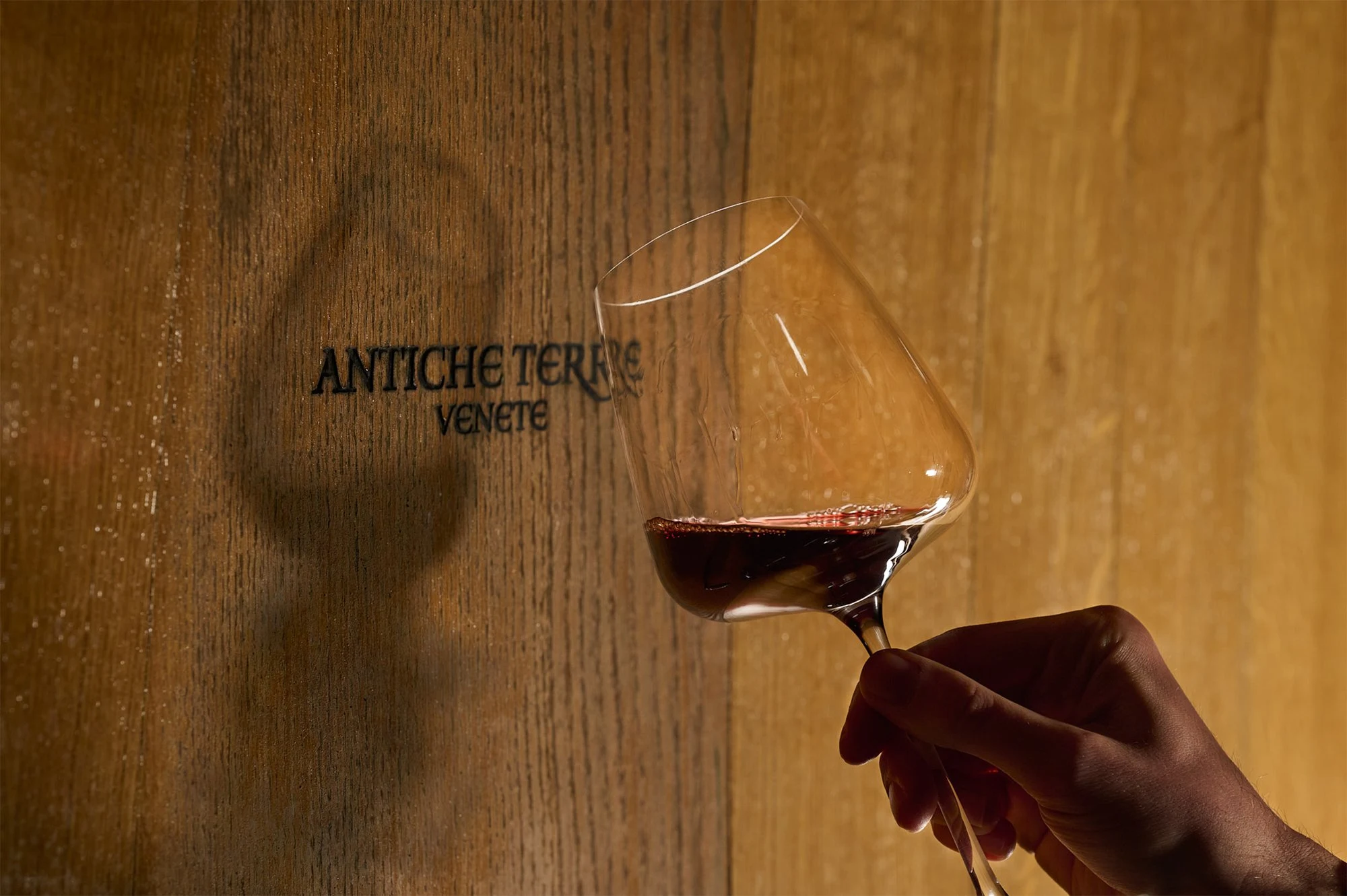
| Antiche Terre Venete | Verona |
| Azienda Agricola Marco Mosconi | Verona |
| Cantina Giovanni Ederle | Verona |
| Capurso | Verona |
| La Giuva | Verona |
| Monte Cillario | Verona |