- 2 Michelin Keys · Michelin Guide
- Virtuoso Luxury Hotel Partner · 2026
- Star Wine List · 2026
- La Liste Top Hotels: 98.5pts · 2026
- Michelin 2 Keys · 2025
- Conde Nast Gold List · 2025
- Small Luxury Hotels of the World Member · 2025
- Michelin 2 Keys · 2024
A Fortress Repurposed: The Architecture That Defines Cap Rocat
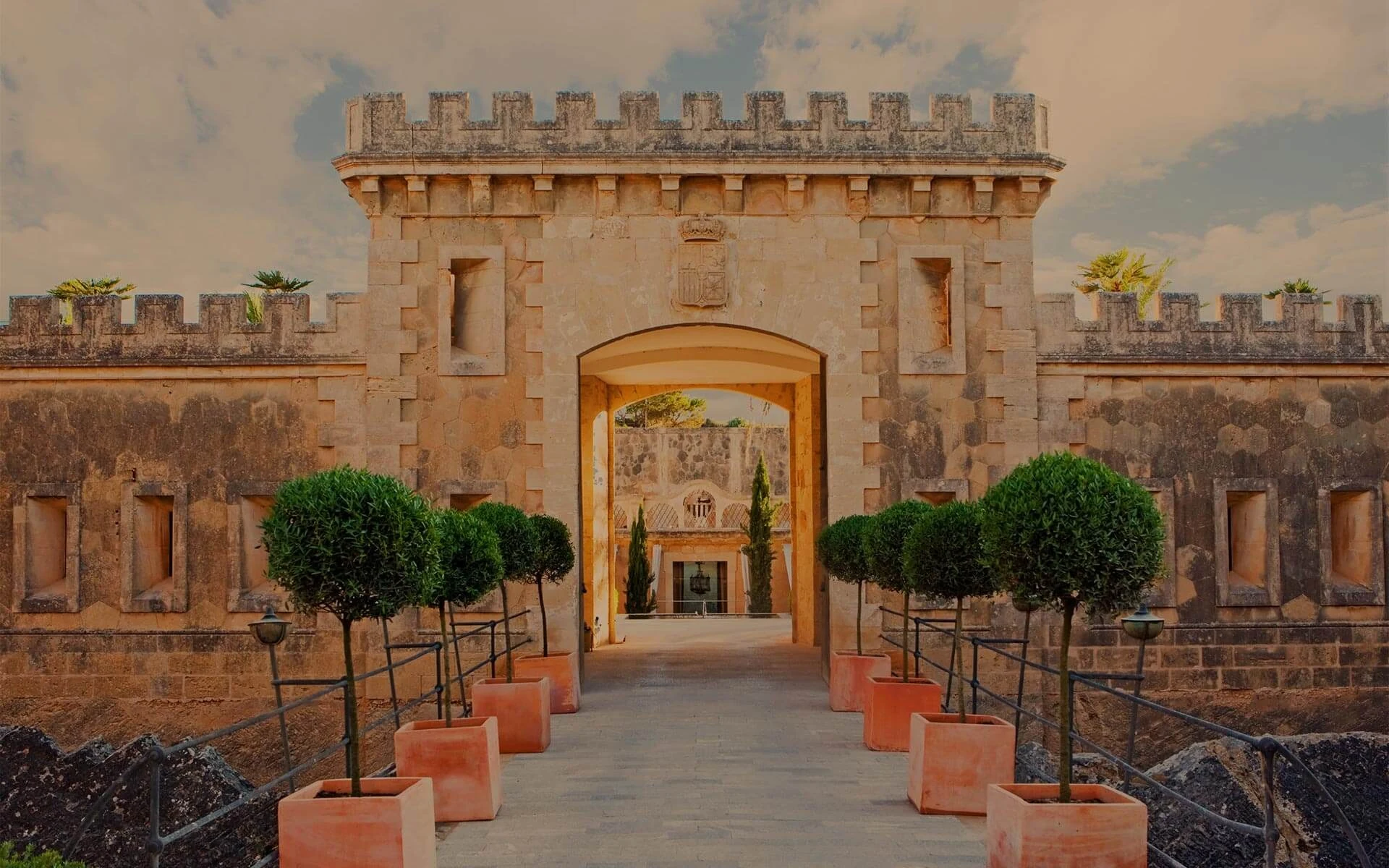
There is a particular design challenge in converting a 19th-century military fortification into a hotel without erasing the qualities that make it worth visiting in the first place. Most heritage conversions resolve the tension by softening the original structure, layering new finishes over old bones until the historic fabric becomes decorative backdrop. Cap Rocat is a 5-star hotel in Cala Blava-Llucmajor, Illes Balears, and holds 2 Michelin Keys. At Cap Rocat, the approach runs in the opposite direction. Spanish architect Antonio Obrador worked the conversion around the fortress's existing spatial logic: the enclosed courtyards, the narrow internal streets, the watchtowers carved into the rock face, and the battlements that once defined a defensive perimeter now organise the guest experience instead. The military geometry is not disguised; it is the product.
Set along two kilometres of protected coastline overlooking the Bay of Palma, the property covers 88 acres of land that, until relatively recently, was an active military installation. That decommissioning created a blank slate of sorts, and the absence of prior tourist development means the surrounding environment reads as Mediterranean coastal landscape rather than resort infrastructure. Within Mallorca's broader hospitality offer, which runs from large-scale beach resorts near Palma to the boutique village hotels of the Serra de Tramuntana, Cap Rocat occupies a distinct position: it is neither a town-based property nor a conventional resort, but something closer to a self-contained coastal estate. For a sense of how Mallorca's more intimate hotel tier is structured, La Residencia, A Belmond Hotel, Mallorca and Hotel Can Ferrereta in Santanyí represent the island's design-led boutique alternatives, each operating on very different architectural premises.
Rooms Built Into Rock: What 30 Keys Actually Means Here
The capacity constraint at Cap Rocat is not incidental. With 30 rooms and suites distributed across a 74-acre estate, the ratio of space to guests is unusual by any standard, and it shapes everything about the rhythm of a stay. The Balearic luxury market has expanded significantly over the past decade, with investor capital flowing into high-key-count resort developments that trade density for amenity breadth. Cap Rocat sits at the opposite end of that spectrum, where the scarcity of rooms is itself a structural feature rather than a limitation.
The room categories range from the Doble Fortaleza configuration, which draws its identity from the fortress's internal architecture, through to the Del Mar Suite, positioned for direct engagement with the sea. Across all categories, the guiding principle is that the utilitarian geometry of military construction, boxy, thick-walled, spatially particular, is retained and worked with rather than around. Contemporary finishes and high-specification fittings sit inside spaces that carry the proportions and material logic of 19th-century fortification. The design shows what one observer described as admirable restraint, avoiding the impulse to override the original structure with statement interiors. Rates from approximately $841 per night position the property firmly within Spain's top-tier boutique hotel bracket, comparable to design-led heritage conversions such as Atrio Restaurante Hotel in Cáceres and Abadía Retuerta LeDomaine in Teruel, both of which share the same commitment to embedding contemporary luxury within historically significant structures.
Cap Rocat is adults-only, with a minimum age of 15, and operates seasonally, closing from mid-November through mid-March each year.
The Gastronomic Offer: Two Registers, One Estate
The food program at Cap Rocat operates across two distinct registers. La Fortaleza, the hotel's haute cuisine proposal, frames its menu around Mallorcan gastronomy and is situated within one of the fortress's more architecturally charged spaces, where the setting and the food work in parallel rather than competition. The Sea Club, positioned at the edge of Caló de la Reina, takes a different pitch entirely: rice dishes, fish of the day, grilled meats, and seasonal vegetables served in direct proximity to the water. The contrast between the two is deliberate and reflects a broader pattern in Mediterranean destination hotels, where properties large enough to sustain multiple dining formats increasingly use them to offer guests a range of registers within a single stay.
Saddle's presence in the capital positions it as one of the city's more talked-about addresses for formal dining, and the partnership introduces a mainland dining sensibility to the island context.
The Michelin 2 Keys recognition places Cap Rocat within a specific tier of European hotel properties that the guide judges on the complete hospitality experience rather than food alone. The 2 Keys designation signals a property where the physical environment, service quality, and overall coherence of the offer meet a threshold that relatively few addresses achieve. Both signals, read together, confirm a property that performs at the level its price point and room count would suggest.
The Vignetti-Obrador Collection and the Estate as Cultural Project
Cap Rocat's positioning extends beyond hospitality into what the property frames as a conservation and cultural project. The Vignetti-Obrador photo collection, preserved and accessible within the Cap Rocat museum on-site, represents a formal commitment to place-based cultural programming that distinguishes the property from hotels that treat art as ambient decoration. The collection connects to the broader identity of the estate as a record of its environment and its history rather than simply a setting for leisure.
The spa operates 39 feet underground, carved into the rock in a manner that follows the same spatial logic as the room conversions: the geology of the site is the medium, not an obstacle. The hotel boutique offers Mediterranean-themed garments in linen and cashmere alongside local handicrafts and cosmetics, functioning as a curated retail extension of the property's design identity. These elements collectively position Cap Rocat within the part of the Spanish luxury hotel market that treats cultural and environmental stewardship as integral to the offer rather than supplementary. Properties such as Terra Dominicata in Escaladei and Torre del Marqués Hotel Spa & Winery in Sardoncillo operate on comparable principles, anchoring their hotel identity in estate heritage and conservation. Spain's broader network of design-led boutique hotels also includes Akelarre in San Sebastián, Pepe Vieira Restaurant & Hotel in Poio, Mas de Torrent Hotel & Spa in Torrent, Can Mascort Eco Hotel in Palafrugell, Caro Hotel in València, Casa Beatnik Hotel in A Coruña, Hotel Can Cera in Palma, A Quinta da Auga Hotel & Spa in Santiago de Compostela, Canfranc Estación, a Royal Hideaway Hotel in Canfranc-Estación, and Bahia del Duque in Adeje, each addressing heritage and environment through different architectures and geographic contexts.
Planning a Stay
Cap Rocat is located in Cala Blava-Llucmajor, south of Palma, on the Carretera d'Enderrocat. The property's position outside Palma's main tourist corridor is part of its logic: the two-kilometre stretch of protected coastline it occupies would not be available within the city's denser zones. Guests travelling internationally will arrive via Palma de Mallorca Airport, which is the nearest gateway. Rates start at approximately $1,157 per night, with the full room range extending through the suite categories. The 30-room inventory means that advance booking is the operative assumption rather than an option. For those comparing Cap Rocat against the international tier of urban luxury hotels, Aman New York, The Fifth Avenue Hotel in New York City, Aman Venice, and Mandarin Oriental Barcelona occupy the same general price tier, though with fundamentally different spatial and experiential propositions. The Marbella Club Hotel in Marbella is perhaps the closest mainland Spanish analogue in terms of coastal estate scale, though the architectural identity and format of the two properties diverge considerably.
Questions
Frequently asked
What recognition does Cap Rocat hold?
Cap Rocat holds 2 Michelin keys.
Who works at Cap Rocat?
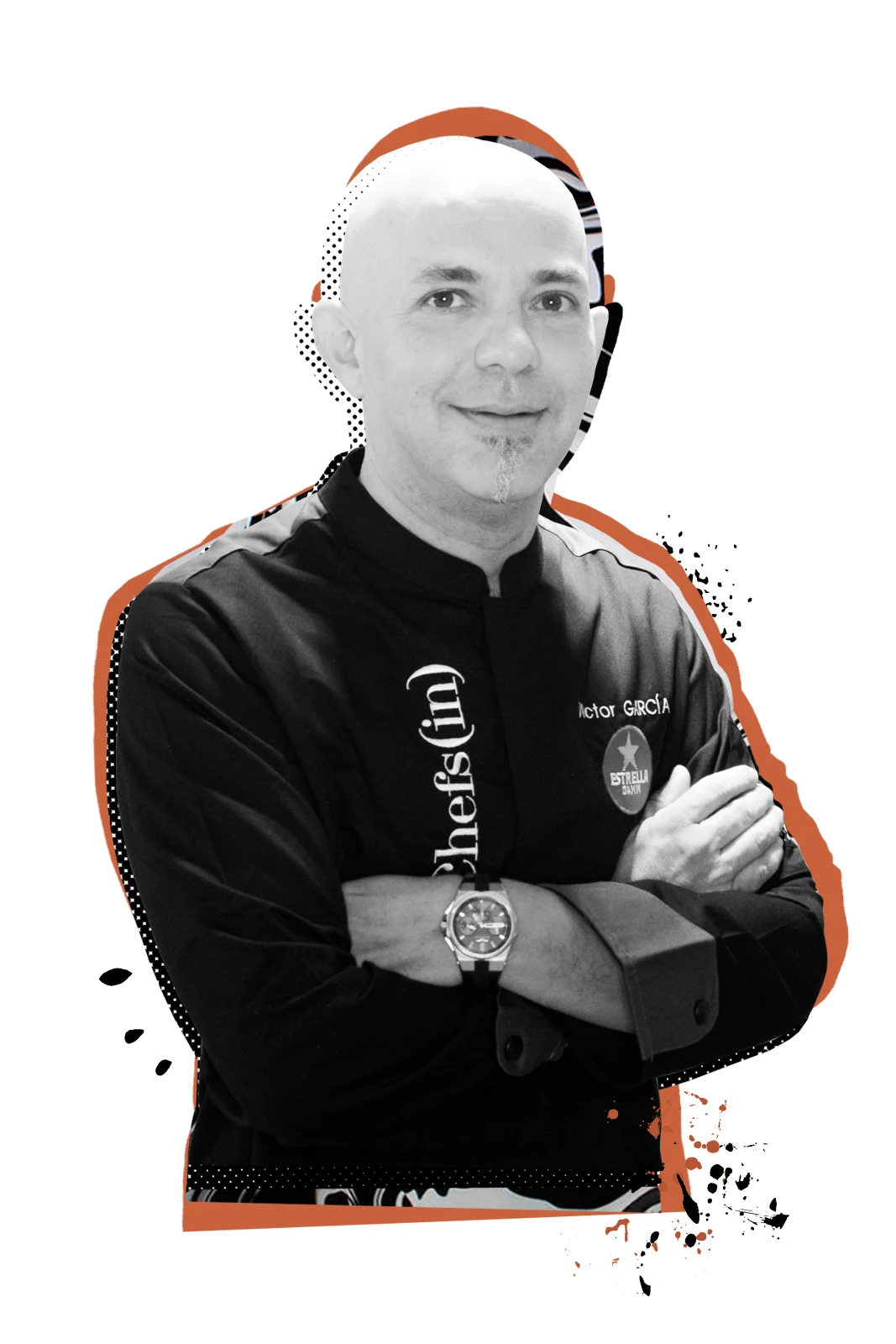
Made By profiles Víctor García (Chef and Gastronomic Director) at Cap Rocat.
How expensive is Cap Rocat?
Cap Rocat is listed at a price level of $$$$.
The field
How it compares
| Place | Awards | Notes |
|---|---|---|
| Cap Rocat | Michelin 2 Keys | Cala Blava, $$$$ |
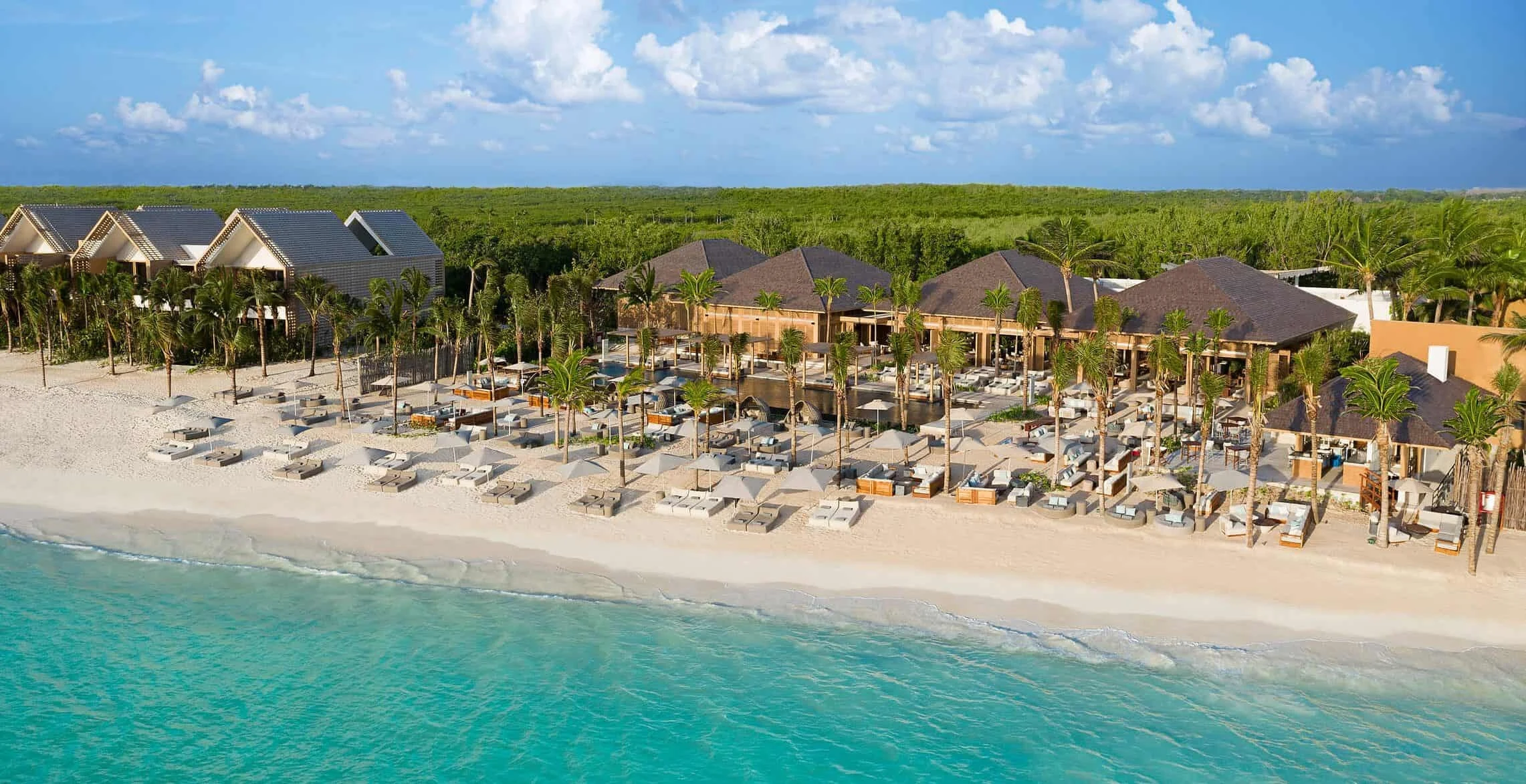
| Banyan Tree Mayakoba | Michelin 2 Keys | Riviera Maya |
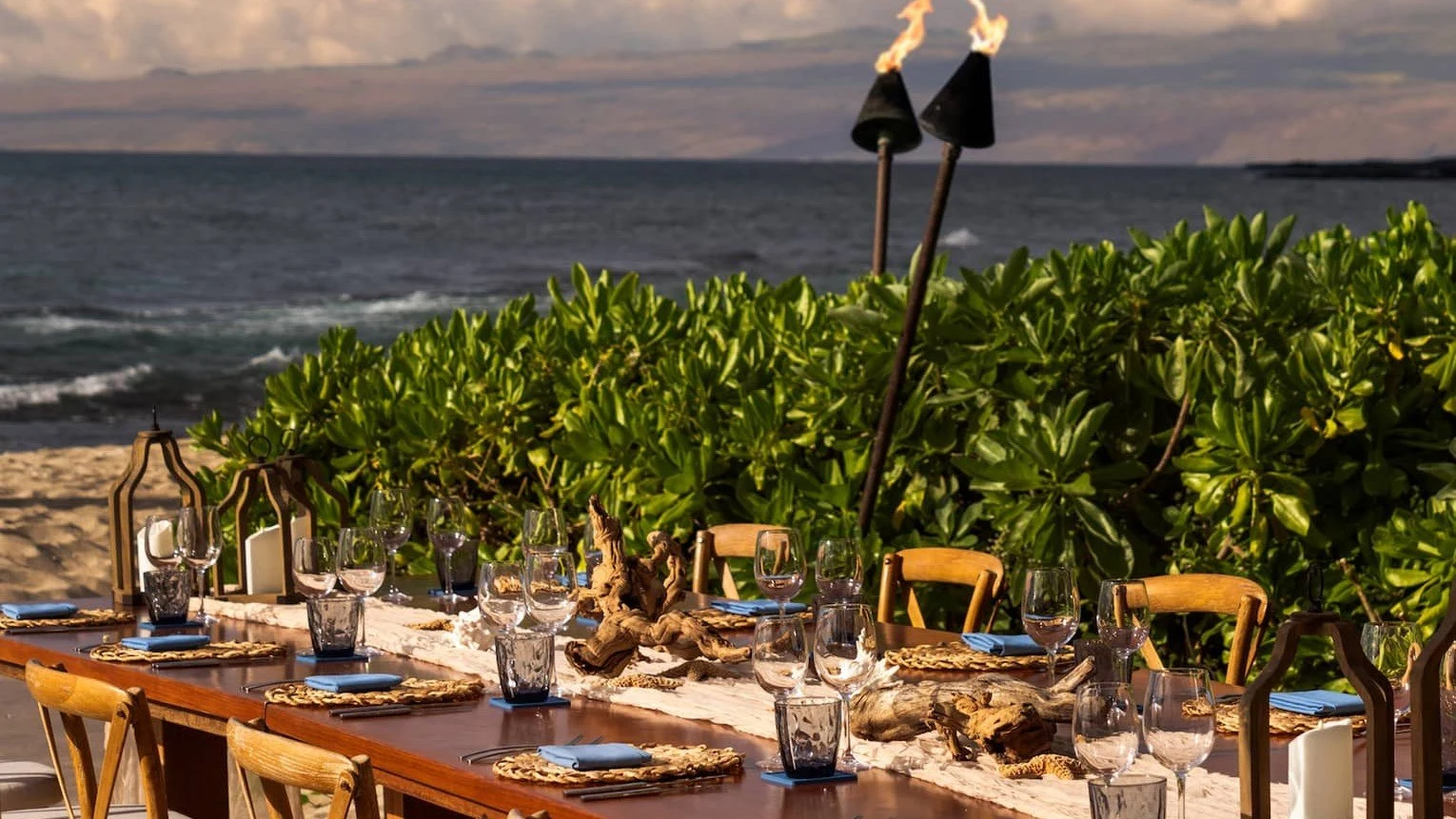
| Four Seasons Resort Hualalai | Michelin 2 Keys | Kailua Kona |
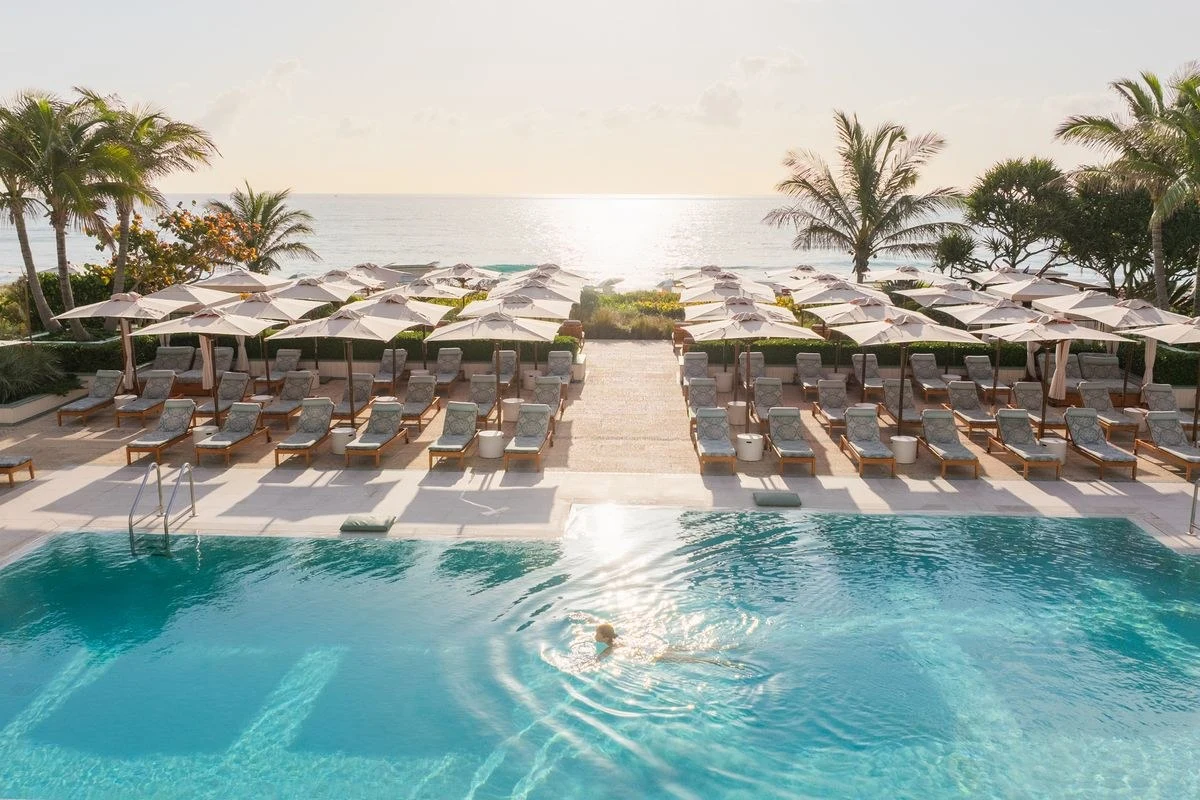
| Four Seasons Resort Palm Beach | Michelin 2 Keys | Palm Beach |
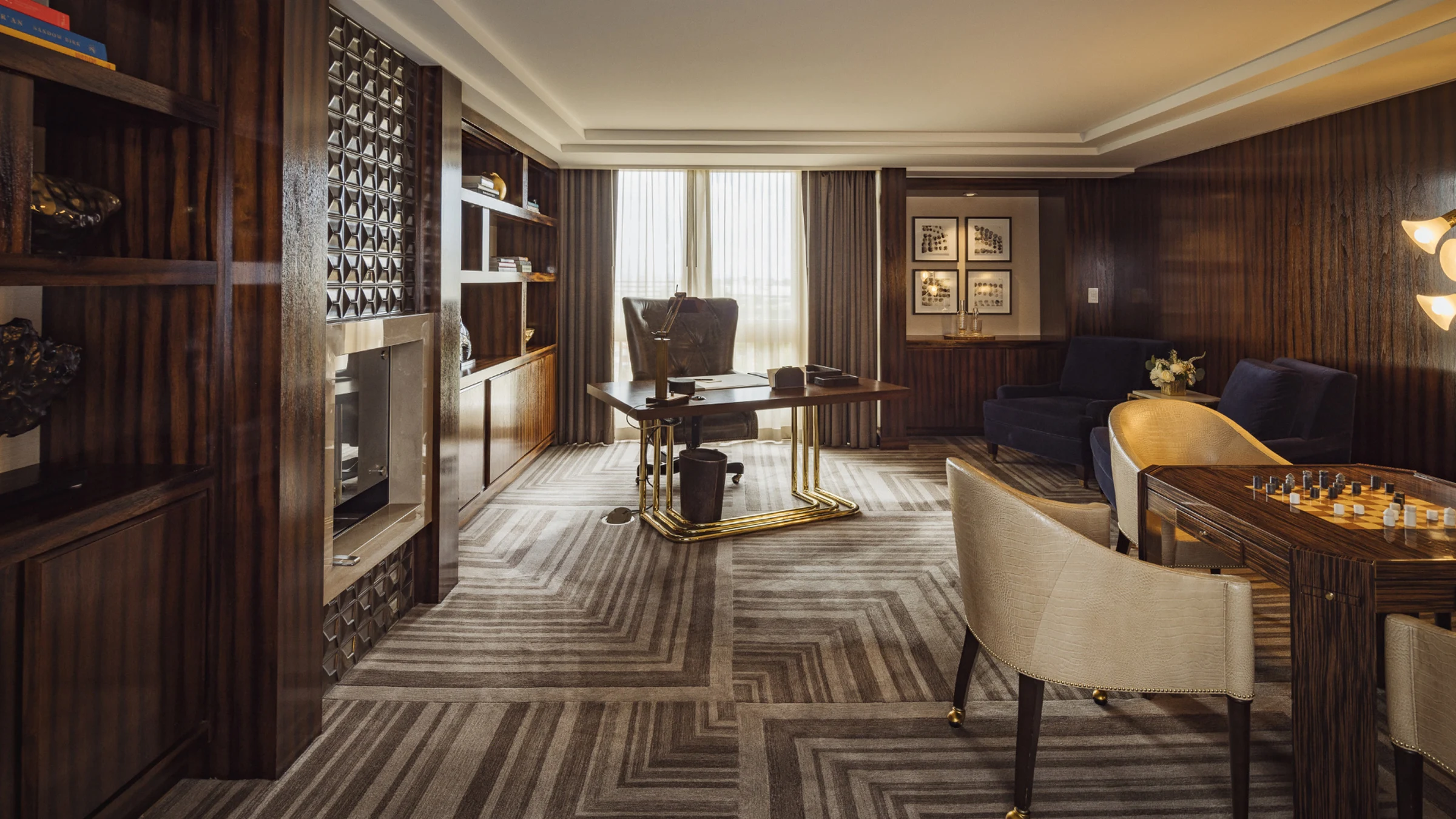
| L'Ermitage Beverly Hills | Michelin 2 Keys | Los Angeles |
| Mandarin Oriental Bangkok | Michelin 3 Keys, World's 50 Best | Bangkok |
| The Beverly Hills Hotel | Michelin 3 Keys, World's 50 Best | Los Angeles |
In residence
Similar places
Banyan Tree Mayakoba
Riviera Maya, Mexico
2K
Four Seasons Resort Hualalai
Kailua Kona, United States
2K
Four Seasons Resort Palm Beach
Palm Beach, United States
2K
L'Ermitage Beverly Hills
Los Angeles, United States
2K
Mandarin Oriental Bangkok
Bangkok, Thailand
3K · 50 Best
The Beverly Hills Hotel
Los Angeles, United States
3K · 50 Best