- Opinionated About Dining Top Restaurants in South America Ranked #77 · 2026
- Top 500 Bars Best Bars #345 · 2026
- Top 500 Bars Best Bars #239 · 2025
- World's 50 Best Best Bars #69 · 2024
- World's 50 Best Best Bars #43 · 2023
- World's 50 Best Best Bars #21 · 2020
- World's 50 Best Best Bars #13 · 2019
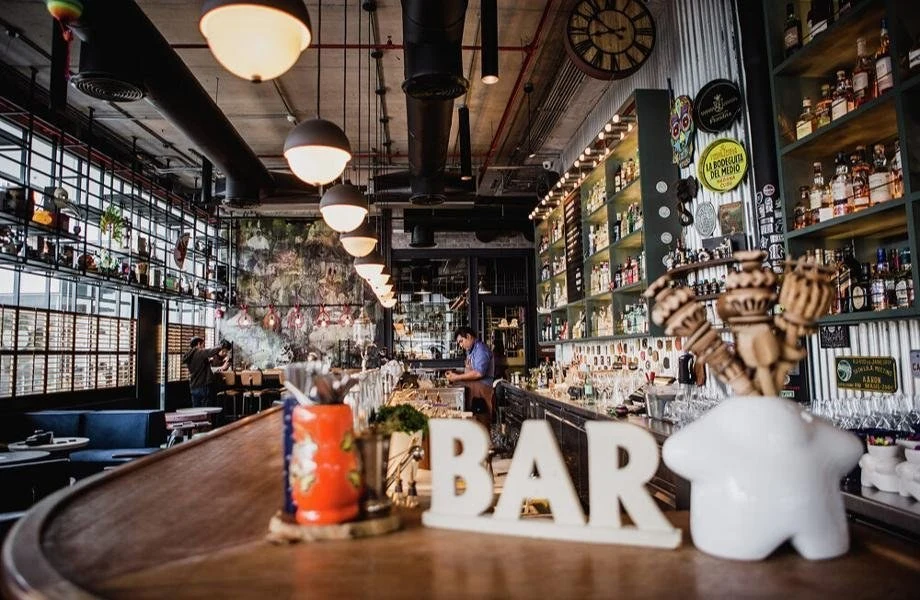
Arriving at Carnaval means entering the Lima where the cocktail bar is no longer a waiting room before dinner. The city’s drinking culture has tightened: technique and sourcing matter, and the bar counter now competes with tasting menus, cevicherías, picanterías, and grill rooms. Carnaval sits inside that shift, with Aaron Diaz attached to a project that treats cocktails as a complete format, not a supplement to the restaurant circuit.
That matters in Lima. The capital’s global reputation was built through food first, from coastal raw-fish traditions to Andean ingredients and Nikkei precision. Drinks once orbited that story, especially when pisco was the shorthand. Stronger modern bars have changed the sequence, demanding the same critical reading given to kitchens: menu structure, visible technique, how Peru’s pantry enters the glass, and whether the experience holds attention without novelty.
The Sunday letter
Find new places through the people who run them.
Our Sunday email brings you the chefs, winemakers and hoteliers behind our newest stories. See a sample before you subscribe.
See a sample of the Sunday emailOne email a week. Unsubscribe from any issue.
Lima's restaurant city now has a serious cocktail register
Opinionated About Dining placed Carnaval at No. 77 on its 2026 Top Restaurants in South America ranking, an unusual signal because the venue is explicitly a cocktail bar. That placement says the line between bar and restaurant recognition has thinned in South America where drinks programs show enough authorship, discipline, and regional identity to be assessed alongside food-led rooms.
Read the ranking as positioning, not trophy case. Lima has a dense dining map and rewards clear points of view. A cocktail bar earning space on a restaurant-focused list indicates an experience judged within the same premium evening economy as dinner. It also reflects a wider Latin American pattern: bartenders and chefs increasingly share ingredients, preservation methods, and plating logic, even when the final product lands in a glass rather than on porcelain.
For travellers, Carnaval is a lens on that evolution. It belongs in the same itinerary conversation as restaurants explaining Peru through seafood, fire, regional cooking, or modern technique. For the city’s dining field, use Our full Lima restaurants guide; for the drinking side, Our full Lima bars guide gives the cleaner category view.
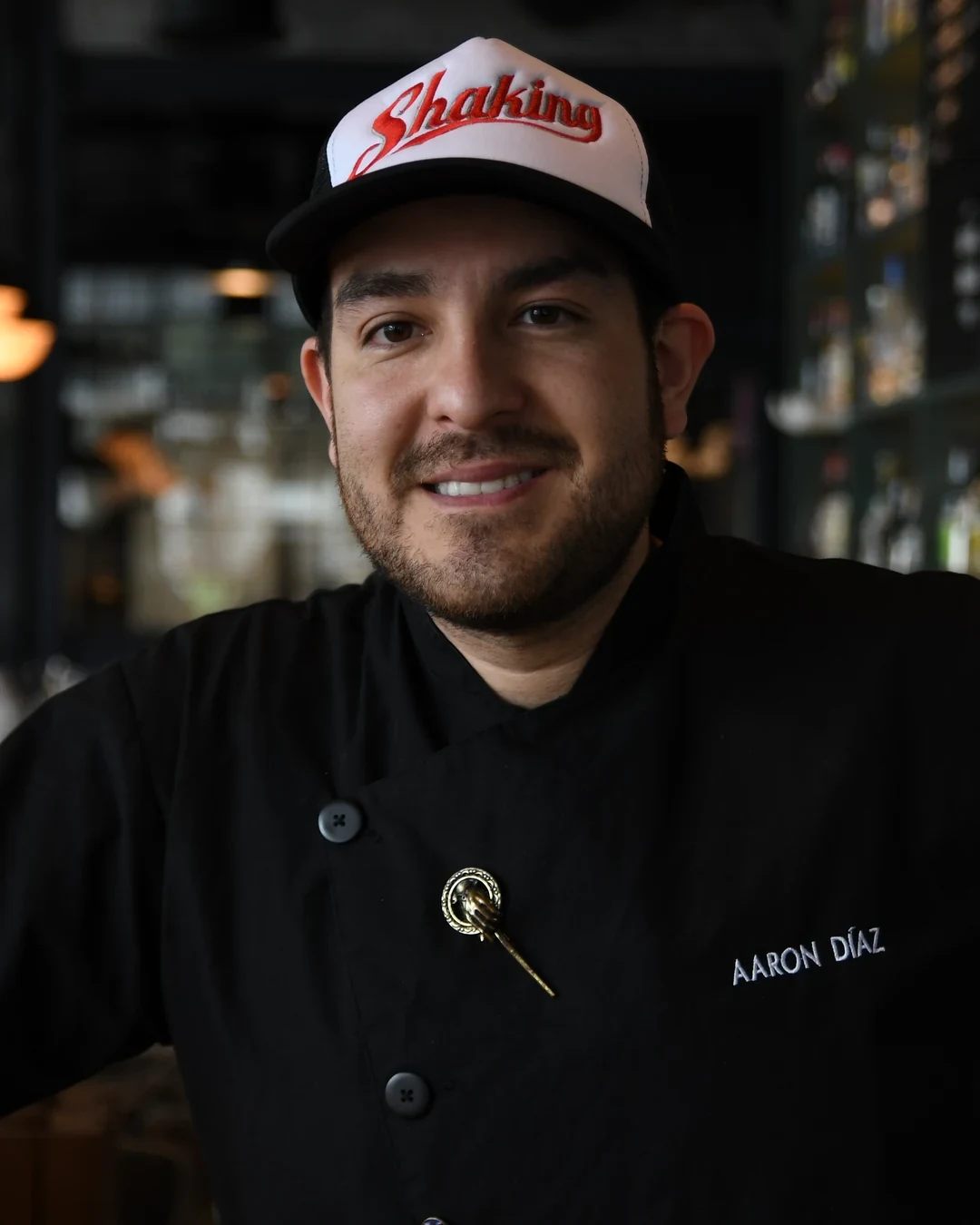
Aaron Diaz and the author-led bar format
Chef and bar figures are often overused as origin myths, but here the name matters because cocktail bars depend on authorship. Aaron Diaz gives Carnaval a single creative through-line: the bar is part of a generation in which Latin American drinks professionals are not merely executing classics, but building formats that can travel critically across borders.
The author-led bar differs from the hotel lounge or casual neighborhood bar in pace and expectation. The menu is read closely. The room is expected to hold a full evening, not just a round before dinner. Technique may be theatrical, but better programs use performance to clarify the drink rather than distract. Lima is strong for this because the pantry gives bartenders a wide vocabulary: citrus, tropical fruit, herbs, cacao, grains, and pisco all carry cultural weight before technique is applied.
That does not mean every serious cocktail program must mimic a restaurant. The bar format has its own advantages: shorter commitment, flexible sequencing, and a social tempo that absorbs both planned nights and late changes. Carnaval’s recognition inside a South American restaurant list suggests enough structure to be read critically, while remaining rooted in the freedom of a drinks room.
How to place it in a Lima itinerary
Lima rewards travellers who do not force every meal into the same register. A smart itinerary alternates formats: a regional restaurant, street-food institution, coastal lunch, contemporary dining room, and serious bar. The city’s range is clearer when those categories speak to one another rather than compete for one ranking.
That is Carnaval’s value. It gives the evening a different center of gravity from a formal dinner while staying inside Lima’s culinary conversation. Pairing it with the broader food map makes more sense than treating it as nightlife alone. For northern Peruvian cooking, see Alegrîa Picantería Piurana (Piurana). For anticuchos, the city has a separate tradition visible through Anticuchería Doña Pochita and Anticuchos Grimanesa (Peruvian). For a modern Peruvian reference point, Astrid & Gastón (Modern Peruvian) remains useful in the city’s dining history, while Arlotia broadens the map beyond obvious categories.
The practical read is simple: treat Carnaval as a planned stop, not a fallback. A cocktail bar recognized in a regional restaurant ranking attracts a different level of demand than a casual drinking room, and Lima’s stronger venues reward advance planning. The address places it in the San Isidro orbit, useful for travellers staying between the city’s business, dining, and coastal districts. For lodging context, use Our full Lima hotels guide; for non-dining planning, Our full Lima experiences guide is the broader companion. Our full Lima wineries guide is relevant for travellers extending the drinks brief beyond cocktails.
Peru’s wider route also frames the Lima stop. The capital often anchors trips continuing south or into the Andes, and the contrast between city cocktail culture and regional dining is part of the appeal. Travellers building that circuit can cross-reference Alma Bar Restaurante in Arequipa, As De Oro in Pisco, Asianica in Miraflores, Ballestas Restaurant in Paracas, Bistrot Bastille in Ica, and Café Inkaterra in Machu Picchu.
Internationally, the useful comparison is categorical rather than venue-by-venue: technically minded cocktail bars now earn serious culinary attention when they develop a coherent language of ingredients, service, and pacing. Travellers tracking that global bar movement may also look at ABV, Cocktail Bar in San Francisco and Bar Centifolia, Cocktail Bar in Tokyo, not as direct peers, but as evidence that the cocktail counter has become a critical dining format in multiple cities.
The verdict is clear: Carnaval is for travellers who want Lima after dark without leaving the city’s food conversation. Its OAD ranking, cocktail-bar identity, and Aaron Diaz’s authorship make it sharper than treating drinks as an afterthought. In a city where dinner can dominate every plan, this is the bar slot with enough weight to shape the night.
Questions
Frequently asked
Who works at Carnaval?
Made By profiles Aaron Diaz (Chef) at Carnaval.
How expensive is Carnaval?
Carnaval is listed at a price level of $$$.
The field
How it compares
| Place | Notes | Awards | Cuisine |
|---|---|---|---|
| Carnaval | San Isidro, $$$ | · | · |
| Bar Benfiddich | Tokyo | World's 50 Best | · |
| El Gallo Altanero | Guadalajara | World's 50 Best | · |
| Himkok | Oslo | World's 50 Best | · |
| Jigger & Pony | Singapore | World's 50 Best | · |
| Lady Bee | Lima | · | peruvian |
| Sastrería Martínez | Lima | World's 50 Best | · |
In residence
Similar places
The Sunday letter
Get the next Made By story in your inbox.
We send one email every Sunday morning with the places and people we covered that week.
See a sample of the Sunday emailOne email a week. Unsubscribe from any issue.