Made ByWinery
Casa Herradura (Hacienda San José del Refugio)
- 01CityAmatitán, Mexico
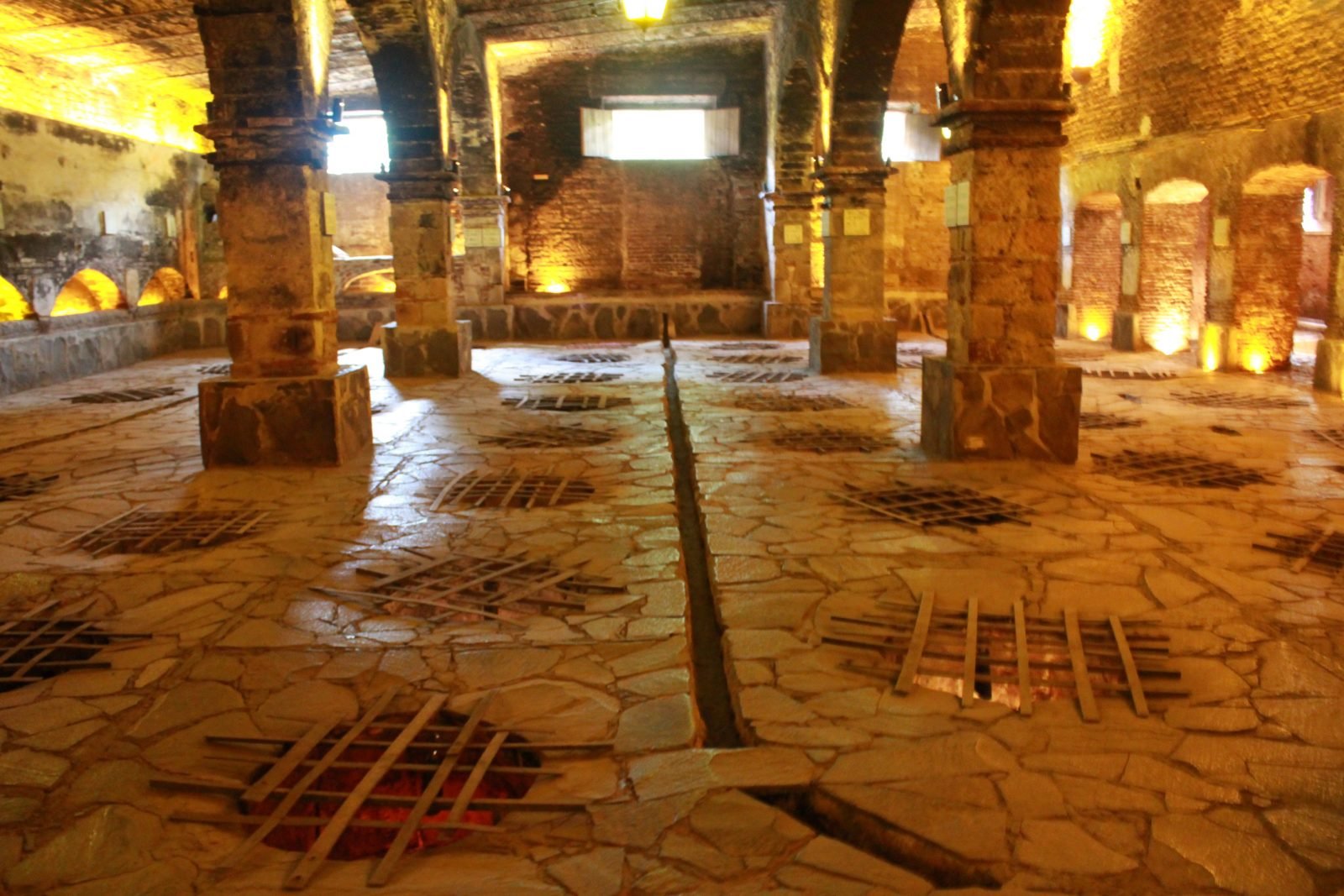
Hacienda San José del Refugio in Amatitán is the historic home of Casa Herradura, one of Mexico's most formally recognized tequila producers and holder of a Pearl 2 Star Prestige rating in 2025. Set within a working agave estate in the Jalisco Highlands lowlands corridor, the hacienda offers a direct encounter with the terroir and production tradition that has shaped Herradura's house style for generations.
At a glance
- Price
- $$$
- Neighborhood
- Amatitán
Where the Lowlands Speak in Agave
The road into Amatitán descends from the higher, cooler reaches of the Jalisco tequila corridor into a valley floor where volcanic soils run darker and heat accumulates differently than it does in the Los Altos highlands to the northeast. This distinction matters. The agave plants raised in this zone, classified as the Tequila Valley appellation, develop at a different pace and accumulate sugars with a mineral, earthy register that highland agave, grown in the red clay soils around Arandas and Jesús María, typically does not express. Hacienda San José del Refugio, the production estate of Casa Herradura, sits squarely in this lowland environment, and the character of what is made here is inseparable from it.
Amatitán is not a visitor-circuit town in the way that the city of Tequila, a short drive west, has become. That quieter positioning is part of what makes the hacienda a different kind of encounter with the spirit's geography. The estate grounds, structured around colonial-era architecture, frame the visit as something closer to an agricultural property than a hospitality operation, which, functionally, it primarily is.
Terroir in Practice: What the Valley Delivers
Tequila production is, at its core, an agricultural process shaped by soil chemistry, elevation, rainfall patterns, and agave maturation cycles. In the Tequila Valley, the combination of volcanic basalt-derived soils and lower altitude creates conditions where blue agave typically matures somewhat faster than in the highlands and produces a spirit profile associated with earthier, more herbaceous notes alongside the cooked agave sweetness. These are not abstract distinctions, they are the reason that distillers in different sub-zones of the Denomination of Origin Tequila produce spirits that taste demonstrably different even when using the same base ingredient and similar production methods.
Casa Herradura's 2025 Pearl 2 Star Prestige award positions the estate within a formally evaluated group of tequila producers. That rating places it in a peer group where production consistency, raw material quality, and process discipline are the differentiating factors, not novelty or volume. Among comparators in the Jalisco corridor, operations like Cazadores Distillery in Arandas and El Pandillo (G4) in Jesús María occupy their own positions in the highlands tier, with soil profiles and production philosophies that contrast with what Herradura produces in Amatitán. The difference is not a hierarchy but a geography: each reflects where it comes from.
The hacienda model itself carries terroir logic. Historically, haciendas functioned as integrated estates where agave cultivation, jimador labor, cooking, fermentation, and distillation occurred within a single property boundary. That vertical integration meant the spirit's character was tied to a specific place rather than assembled from inputs sourced across the denomination. Hacienda San José del Refugio maintains that integrated structure, which is relatively uncommon at this scale in contemporary tequila production.
The Hacienda as Production Document
Production facilities that retain their historical architecture are increasingly rare in the tequila industry, where industrial scaling has driven most large-volume producers toward purpose-built plants that prioritize efficiency over continuity. The colonial-period structure at Hacienda San José del Refugio functions as a document of earlier production logic, the physical arrangement of spaces reflects how the process was organized before electrification, automated conveyor systems, and stainless steel standardized the industry. Walking through a working hacienda is, in that sense, a way to read the history of Mexican spirits production in spatial form.
That historical layer connects the Herradura estate to a broader tradition of hacienda-based spirits production across Mexico. Comparable hacienda formats exist in other spirit categories: Hacienda Corralejo in Pénjamo, operating in the tequila denomination, and properties like Lágrimas de Dolores (Hacienda Dolores) in Durango in the raicilla category represent the same structural tradition applied to different agave spirits and different regional terroirs. The hacienda as a production site is, in other words, a format with deep roots across Mexican distillation, not a preservation exercise unique to one producer.
Amatitán in the Wider Agave Spirit Map
The Denomination of Origin Tequila covers a specific geographic and regulatory zone, but the broader Mexican agave spirit map extends well beyond it. Mezcal producers operating from Oaxaca, such as Don Amado (Arellanes family) in Santa Catarina Minas, Los Danzantes in Santiago Matatlán, and El Rey de Matatlán in Tlacolula de Matamoros, work with different agave species, different elevation profiles, and different production traditions than those found in Jalisco. The contrast sharpens understanding of what Amatitán's lowland tequila actually represents within this broader picture. Further along the map, cooperative producers like Banhez (UPADEC cooperative) in San Miguel Ejutla and palenques like Casa Cortés – La Soledad Palenque in La Compañía (Ejutla) operate within even smaller-scale, terroir-specific traditions. And from outside Mexico entirely, the comparative logic of place-driven distillation appears in properties like Origen Raíz (Vinata El Ojo) in Nombre de Dios, which applies similar geographic rootedness to Durango's agave landscape.
Against that wider map, Amatitán and Hacienda San José del Refugio represent a specific coordinate: the valley floor of the original tequila zone, producing within a regulated denomination using an estate model that predates modern industry standardization. That positioning is particular enough to merit the visit as an educational anchor point, not just as a brand experience.
Planning a Visit
Amatitán sits in Jalisco, close to the city of Tequila and accessible from Guadalajara. Casa Herradura's hacienda is the primary production and visitor site for the brand, though reaching out through the brand's official channels before arrival is advisable. For additional reference points in the Jalisco corridor, Jose Cuervo (La Rojeña) in Tequila and La Primavera (Don Julio) in Atotonilco El Alto represent different scales and ownership structures within the same denomination, offering useful contrast if you are building an itinerary across multiple estates. For those whose spirits interests extend to Scotland, the production philosophy comparison with Aberlour in Aberlour or Napa's Accendo Cellars in St. Helena illustrates how estate-rooted production logic travels across categories and continents.
Know before you go
- Dress code
- casual
- Reservations
- recommended
- Parking
- on_site_lot
- Groups
- Welcomed
Frequently asked
Is Casa Herradura (Hacienda San José del Refugio) more low-key or high-energy?
The hacienda operates at a measured, production-focused pace rather than a high-throughput tourist attraction. Amatitán itself is a quieter stop on the Jalisco tequila corridor compared to the town of Tequila, which gives the estate a more deliberate atmosphere. The Pearl 2 Star Prestige recognition (2025) signals serious quality credentials rather than spectacle.
Where can I find Casa Herradura (Hacienda San José del Refugio)?
Casa Herradura (Hacienda San José del Refugio) is located at 45380, Doña Gabriela Pena Lozada 2S, Hacienda San José del Refugio, 45380 Amatitán, Jal., Amatitán.
Does Casa Herradura (Hacienda San José del Refugio) have any notable recognition?
Casa Herradura (Hacienda San José del Refugio) has received recognition including: Pearl 2 Star Prestige (2025).
What do visitors recommend trying at Casa Herradura (Hacienda San José del Refugio)?
The draw is the estate's production architecture and the lowlands terroir story it tells through its spirits. Visitors consistently point to guided distillery access as the core experience, where the volcanic valley soils of Amatitán and traditional production methods become tangible rather than abstract. The 2025 Pearl 2 Star Prestige award provides a useful benchmark for which expressions to prioritise at tasting.
What makes Casa Herradura (Hacienda San José del Refugio) worth visiting?
Few tequila producers operate from a working hacienda with intact historical architecture at this scale. The estate sits in Amatitán's lowland valley, where darker volcanic soils and distinct elevation produce agave with a different chemical profile than highland Highlands plantations. The Pearl 2 Star Prestige award in 2025 confirms the liquid quality behind the heritage setting.
Can I walk in to Casa Herradura (Hacienda San José del Refugio)?
The hacienda at Doña Gabriela Pena Lozada 2S, Amatitán, Jalisco (45380) does receive visitors, but advance arrangements are advisable for a structured tour given the production-estate format. Arriving without notice at a working distillery of this scale often limits what you can access.
How does Casa Herradura's Amatitán location differ from other major tequila distilleries in Jalisco?
Casa Herradura sits in the lowlands valley of Amatitán, at a lower elevation than the highland producers concentrated around the town of Tequila and the Los Altos region. The valley's volcanic soils and warmer temperatures influence agave maturation differently, producing a distinct base material for distillation. This lowlands positioning, combined with the estate's Pearl 2 Star Prestige recognition in 2025, places Hacienda San José del Refugio in a specific geographic and quality tier within Jalisco's agave spirit map.
Address
45380, Doña Gabriela Pena Lozada 2S, Hacienda San José del Refugio, 45380 Amatitán, Jal.
Amatitán
How it compares
Casa Herradura (Hacienda San José del Refugio)
- Cuisine
- 100% agave azul tequilana weber
- Price
- $$$
- Awards
- 1 recognition
- Notes
- Amatitán
La Cofradía
- Cuisine
- Agave tequilana Weber azul
- Price
- $$
- Awards
- 1 recognition
- Notes
- Tequila
Productos Finos de Agave (NOM 1416)
- Cuisine
- blue weber agave
- Price
- $$$
- Awards
- 1 recognition
- Notes
- Jesús María
Casa Armando Guillermo Prieto (AGP)
- Cuisine
- Winery
- Price
- —
- Awards
- 1 recognition
- Notes
- Tlacolula de Matamoros
La Perseverancia (Casa Sauza)
- Cuisine
- Blue Weber Agave
- Price
- $$
- Awards
- 1 recognition
- Notes
- Tequila
Lágrimas de Dolores (Hacienda Dolores)
- Cuisine
- cenizo, verde
- Price
- $$$
- Awards
- 1 recognition
- Notes
- Durango City