Barbera raised in oak and acacia
- Falstaff Winery - Listed · 2026
The cellar taken in hand in 1997
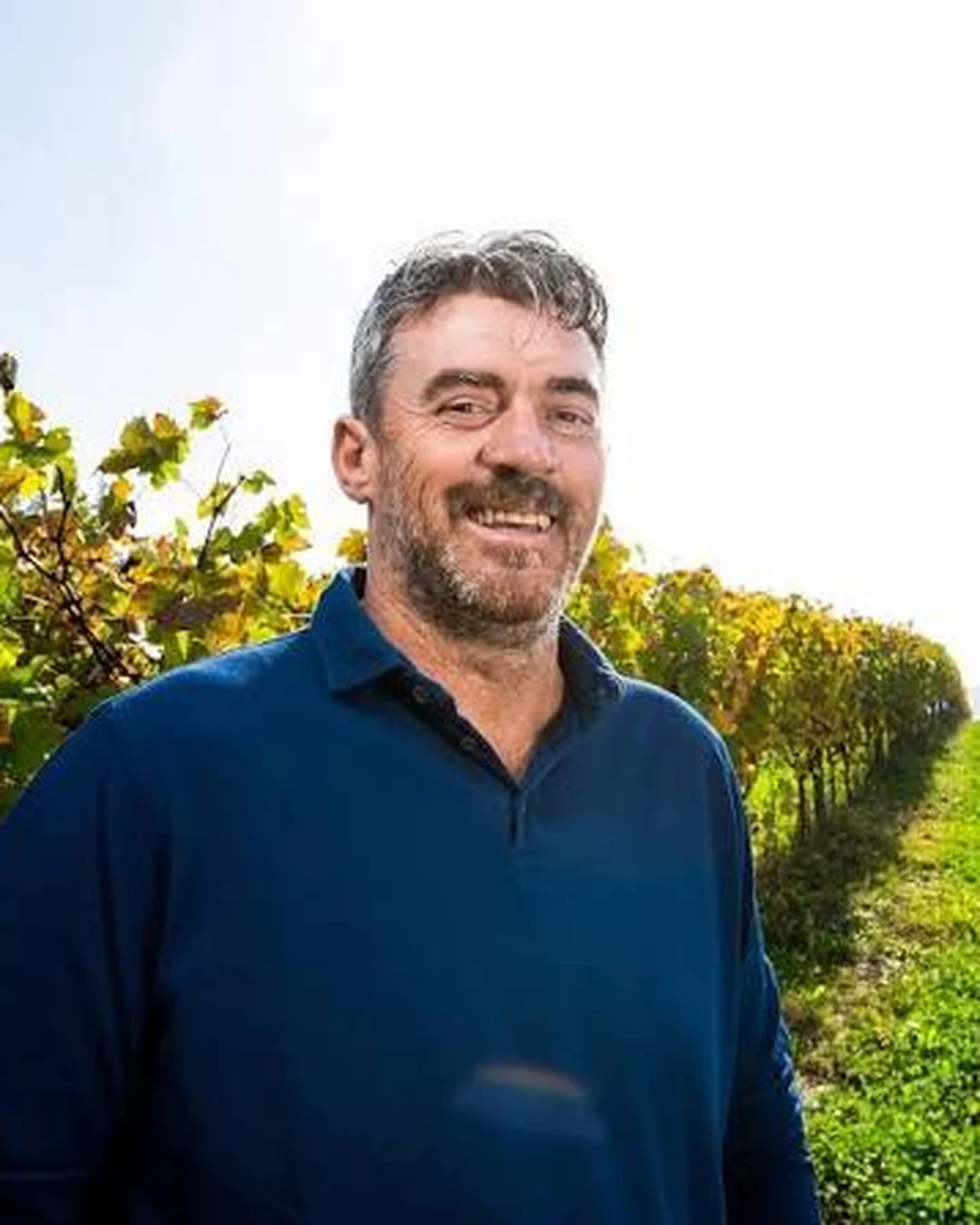
Guido Berta works from the vineyard inward, reading Barbera and Moscato before they reach the press. As winemaker at Cascina Guido Berta in San Marzano Oliveto, he has kept the estate’s direction tied to one property since 1997. The handover that year gave him the practical frame for the work: a family farm in Regione Saline, a cellar of his own, and a production axis built around Barbera, Moscato d’Asti, Nizza DOCG and Chardonnay.
Guido Berta learned vine work from his vine-grower parents, whose return to agriculture set the estate’s foundation. Before opening his own cellar, he worked briefly as a cantiniere in the 1990s, close to the daily grammar of vats, must, cleaning, waiting. That apprenticeship did not lead him away from San Marzano Oliveto. It tightened his attention there. Today the role is proprietor as much as winemaker, a position measured less by title than by the repeated decisions of pruning, picking, fermenting and aging fruit grown under his eye.
Barbera, Moscato and controlled heat
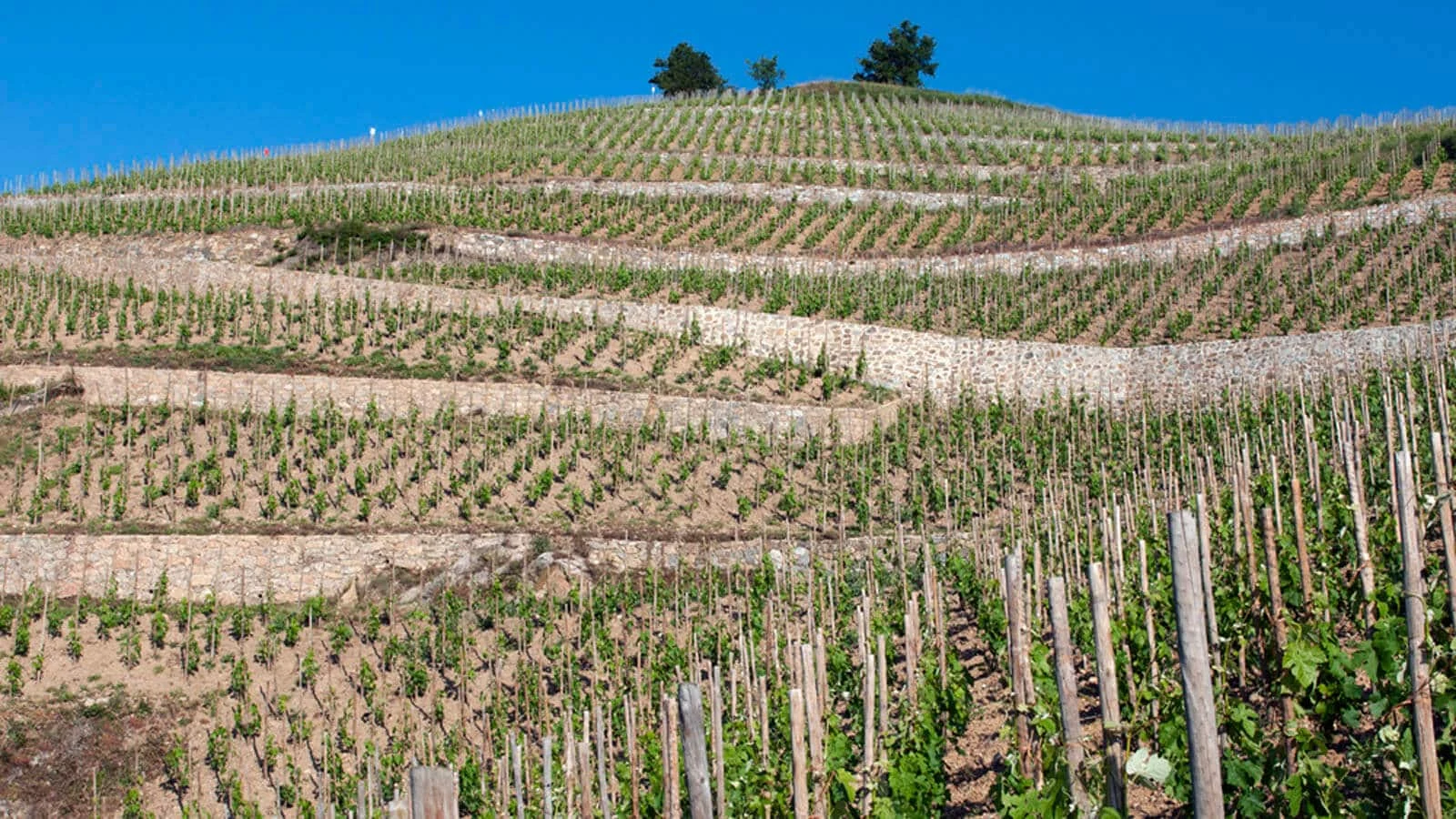
The estate sits within the Asti “Golden Triangle,” on clay-limestone ground in the UNESCO-listed Monferrato hills. Its scale remains legible: about 25 hectares under vine, with production centered on around 10 still wines plus a Charmat-method sparkling. Barbera carries the main weight of the cellar, with Moscato, Nebbiolo and Chardonnay forming the rest of the field vocabulary.
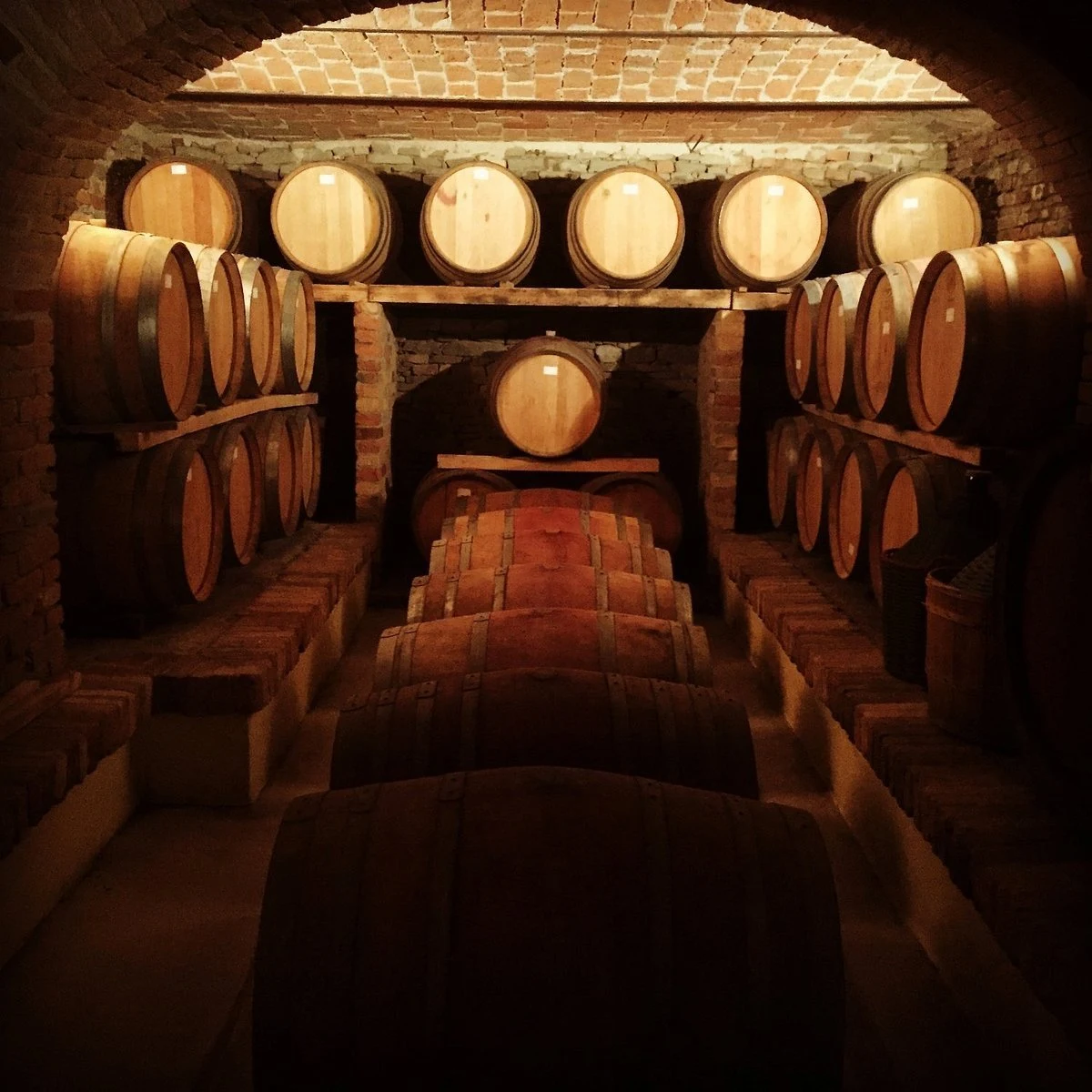
For Moscato d’Asti, Berta begins with intact grapes, separates must from skins, clarifies and filters before the must enters autoclaves at low temperature. Fermentation stops at 5 degrees of alcohol, then the wine moves through micro-filtration. The reds follow another discipline. Hand-harvested mature grapes are destemmed, gently pressed, and fermented in vats at 26°-28°C. Barbera d’Asti Superiore takes new French oak barrique of 225 liters for 6 months, then 6 months in large acacia barrels. In that sequence, the cellar does not ask the grape to disappear into wood. It asks the structure to hold.
Red brick below the farmhouse
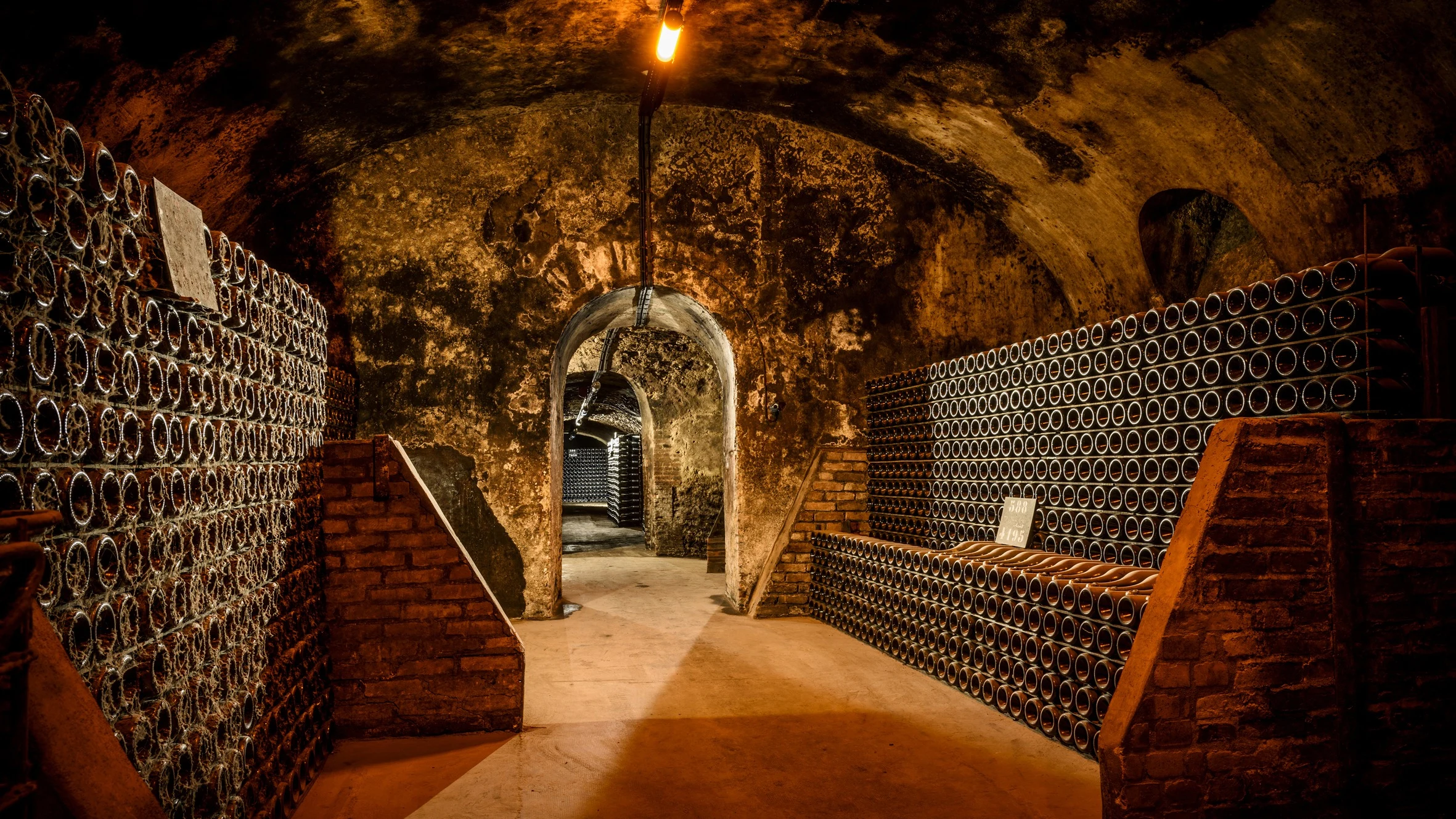
The cellar has the temperature of a working room rather than a stage. Classic Piedmontese red brick frames the subterranean space, and small oak barrels hold wines such as Canto di Luna while they rest and change. Above it, the farmhouse looks across vineyard rows and the folded countryside of San Marzano Oliveto, quiet enough that the work keeps its own pace.
Visitors meet a family-run estate rather than a reception script. The room is personal, rural, and close to the vines; the tasting room opens onto the same agricultural logic that shapes the cellar below it. Sustainable farming, with a move toward organic practice, shows most clearly between the rows, where grasses and legumes remain part of the ground’s life. The next release is not announced as spectacle here. It arrives through the same bench-side patience that carries Barbera d’Asti, Moscato d’Asti and Canto di Luna from the Saline vineyards into bottle.
Questions
Frequently asked
Who is behind Cascina Guido Berta?
Guido Berta is the winemaker and proprietor, working the estate in San Marzano Oliveto since 1997. He learned vine work from his parents, who returned the family to agriculture, and he also spent time as a cantiniere before opening his own cellar.
What does the estate produce?
The cellar is built around Barbera and Moscato, with production also including Nizza DOCG, Chardonnay, Nebbiolo and a Charmat-method sparkling wine. Barbera carries the main weight of the range.
What is the winery like when visitors arrive?
Cascina Guido Berta is a family-run estate in Regione Saline, set in the Asti Golden Triangle on the clay-limestone hills of Monferrato. The cellar is underground, lined with classic Piedmontese red brick, and the tasting room opens onto the same agricultural setting as the vineyard rows.
Is booking recommended?
Yes, reservations are recommended.
The field
How it compares
| Place | Notes | Awards |
|---|---|---|
| Cascina Guido Berta | Regione Saline, San Marzano Oliveto, $$ | · |
| Billecart-Salmon | Aÿ | World's 50 Best |
| Carussin | San Marzano Oliveto | · |
| Cascina Valle Asinari | San Marzano Oliveto | · |
| Domaine Jean-Louis Chave | Mauves | · |
| Franco Mondo | San Marzano Oliveto | · |
| Poderi Cusmano | San Marzano Oliveto | · |