Castello della Sala - Marchesi Antinori
- 01CityFiculle, Italy
- Falstaff Winery - Listed · 2026
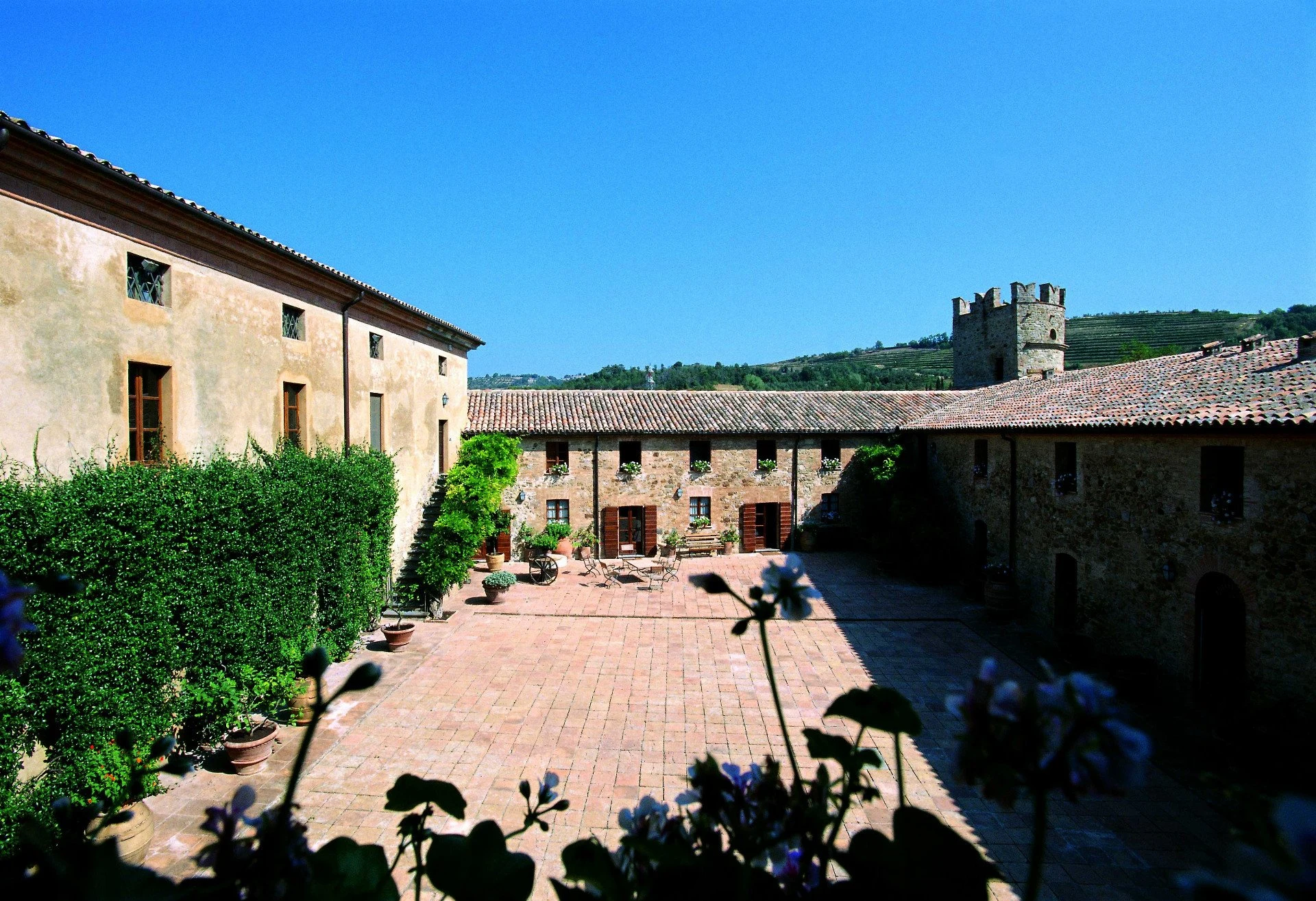
Approaching the estate, the first impression is architectural rather than theatrical: a medieval castle set above Umbrian hills, with vineyard rows and cellar work carrying equal weight in the story. This is not Tuscany by proxy, despite the Antinori name and the borderland geography. The point here is Umbria’s aptitude for white wine, expressed through altitude, fossil-rich soils, and the cool rhythm of morning mist followed by sun.
Castello della Sala - Marchesi Antinori sits in Ficulle, near Orvieto, on a large agricultural estate whose history reaches back to 1350. Marchesi Antinori acquired the property in 1940, and the modern chapter has been defined by a sharp reading of place: white varieties take the lead, while Pinot Nero remains the red outlier. The result is an Umbrian estate that reads less like a generic castle tasting stop and more like a long-running argument for central Italian white wine with structure and age.
Umbrian altitude, fossil soils, and a white-wine brief
The vineyards run across 229 hectares within a 600-hectare estate, planted between 220 and 470 meters above sea level. That altitude matters. In a warm central Italian context, cooler nights and morning mists slow ripening and help preserve acidity, while sun exposure gives the wines breadth. The soils are clay and calcareous, with fossil shells, a detail that explains why the wines are often discussed through texture and mineral tension rather than fruit weight alone.
The grape mix also tells the story of the estate’s position. Grechetto and Procanico connect it to Orvieto’s white-wine tradition, while Chardonnay, Sauvignon Blanc, Sémillon, Riesling, Pinot Blanc, Viognier, and Gewürztraminer place it in a more international register. Chardonnay and Grechetto form the core of Cervaro della Sala, the estate’s reference wine; Muffato della Sala uses botrytized fruit in a sweet-wine idiom; Bramìto della Sala offers the more accessible Chardonnay expression; Pinot Nero della Sala is the red counterpoint rather than the main thesis.
Production choices reinforce that split between freshness and depth. Grechetto is associated with stainless-steel handling to protect aromatics and acidity, while Chardonnay and Pinot Nero see French oak barriques. Cervaro della Sala is tied to malolactic fermentation and barrique aging, a technique that helped shift expectations for serious Italian white wine beyond the old divide between light local whites and oak-heavy international styles.
Castle cellar below, modern winery above
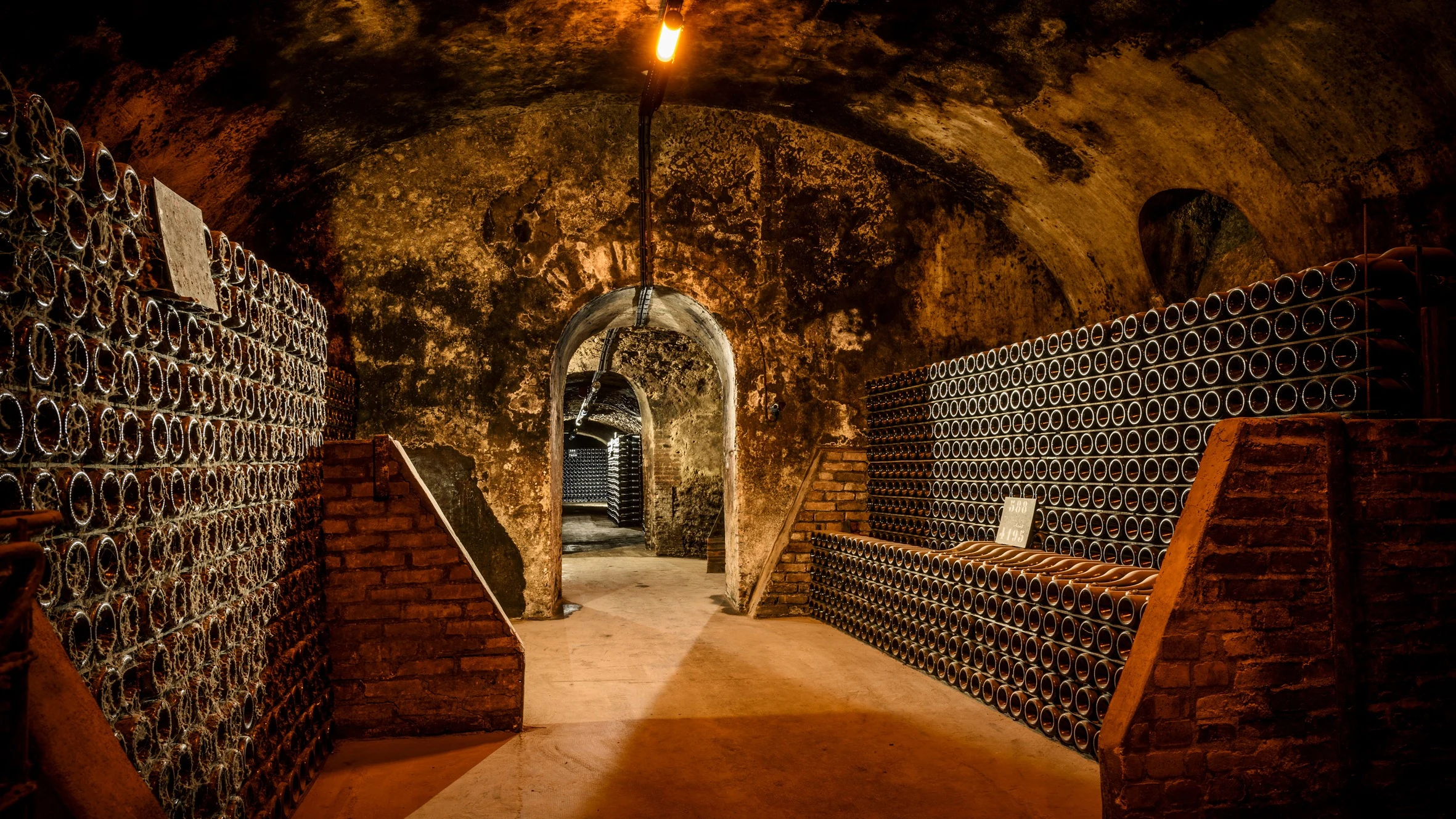
Estate’s hospitality has a strong architectural advantage: a 16th-century cellar sits 30 meters underground, while a modern winery built in 2005 handles contemporary production needs. That pairing is the useful lens for the visit. The castle setting supplies history, but the more interesting point is how cellar conditions and modern equipment serve the same white-wine agenda: controlled aging, aromatic precision, and a production scale large enough to make the wines visible well beyond Umbria.
Castello della Sala - Marchesi Antinori works for travelers who want wine education with a strong sense of place rather than a casual drop-in tasting. The format includes private tasting, vineyard tour, and cave tasting elements, and the mood is quiet and structured. Smart casual dress fits the setting. Groups can work here, though the tone is more cellar-led than picnic-led; children and dogs are not the natural audience for this experience.
The estate also gives Ficulle a useful anchor for visitors building a wine-focused itinerary. Local winery context can be extended through Castel Noha - Aziende Agricole Cirulli and Tenuta Vitalonga, while broader planning sits in Our full Ficulle wineries guide. For the rest of the trip, use Our full Ficulle restaurants guide, Our full Ficulle hotels guide, Our full Ficulle bars guide, and Our full Ficulle experiences guide.
How it fits into an Italian wine route
For serious wine travelers, the value of the estate is not just the castle or the Antinori surname. It is the chance to see how a major Italian house has treated Umbria as a white-wine laboratory over decades, using native grapes, international varieties, underground aging space, and a large hillside estate to make a clear regional claim. Cervaro della Sala remains the reference point, but the broader lesson is terroir discipline: altitude, limestone-clay soils, and cellar choices all pulling in the same direction.
Those mapping a wider Italian cellar itinerary can place this stop alongside producers in other regions without forcing direct comparison. Northern and southern routes might include 3GP SRL in Treviso, 47 Anno Domini in Trebaseleghe, A Mano Wine in Noci, a6mani in Fragagnano, Abbadia Ardenga in Torrenieri, and Abbazia di Crapolla in Neapel. Cross-border detours can extend the same cellar-first logic to »der Steiner« Hans Steiner in Podersdorf am See and & Handwein in Mannheim.
Questions
Frequently asked
How expensive is Castello della Sala - Marchesi Antinori?
Castello della Sala - Marchesi Antinori is listed at a price level of $$$.
The field
How it compares
| Place | Notes | Awards |
|---|---|---|
| Castello della Sala - Marchesi Antinori | Ficulle, $$$ | · |
| Billecart-Salmon | Aÿ | World's 50 Best |
| Bodegas Muga | Haro | World's 50 Best |
| Castel Noha - Aziende Agricole Cirulli | Ficulle | · |
| Domaine Faiveley | Nuits-Saint-Georges | World's 50 Best |
| Tenuta Vitalonga | Ficulle | · |
| Weingut Egon Müller | Wiltingen | · |