- Falstaff Winery - Listed · 2026
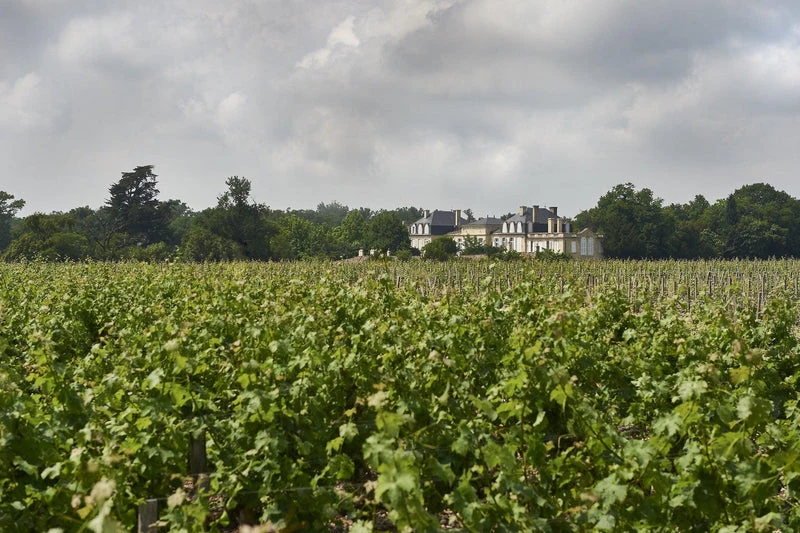
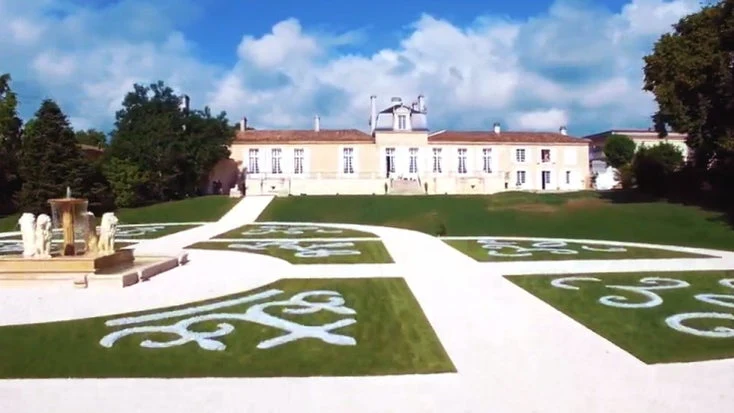
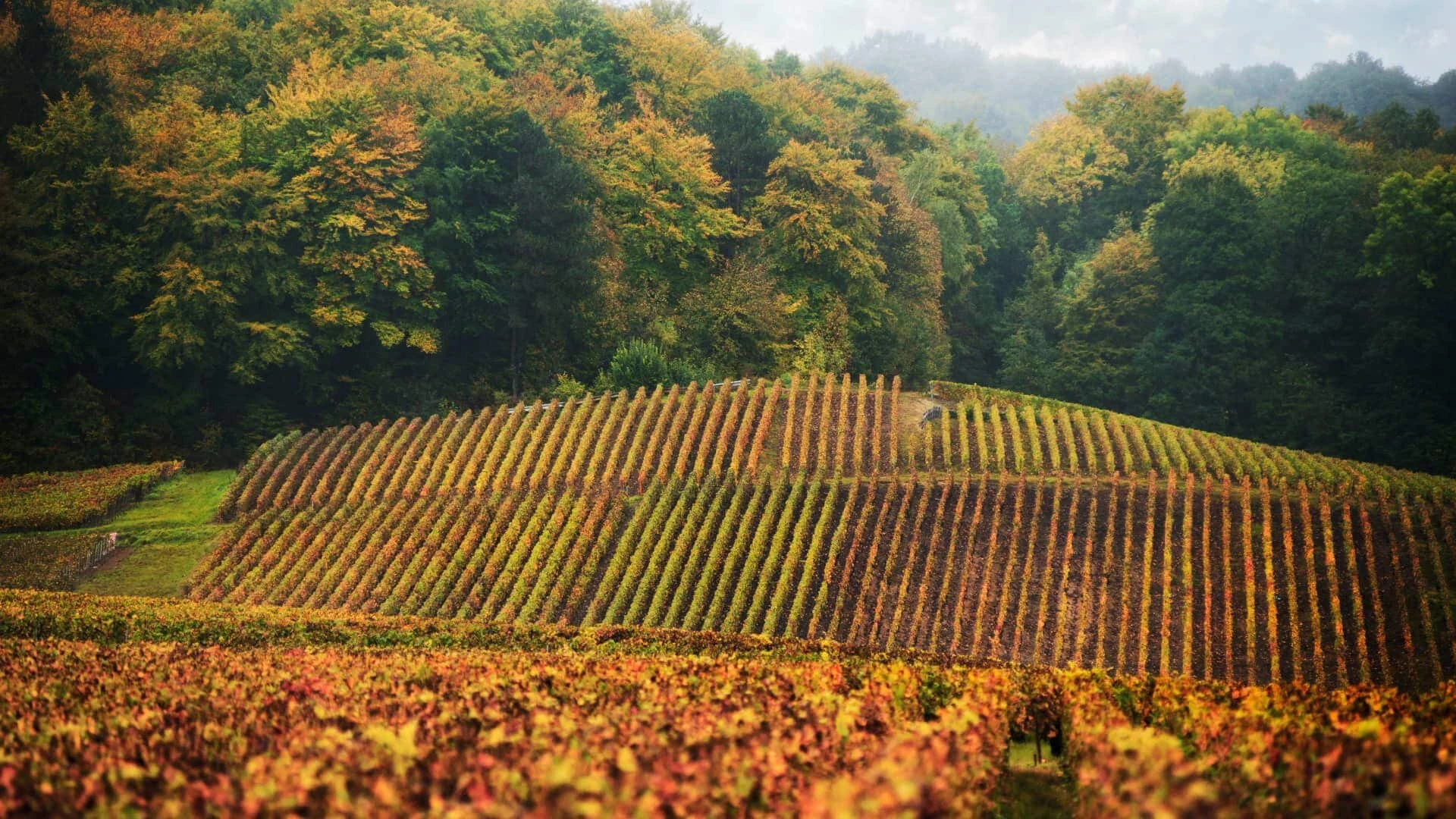
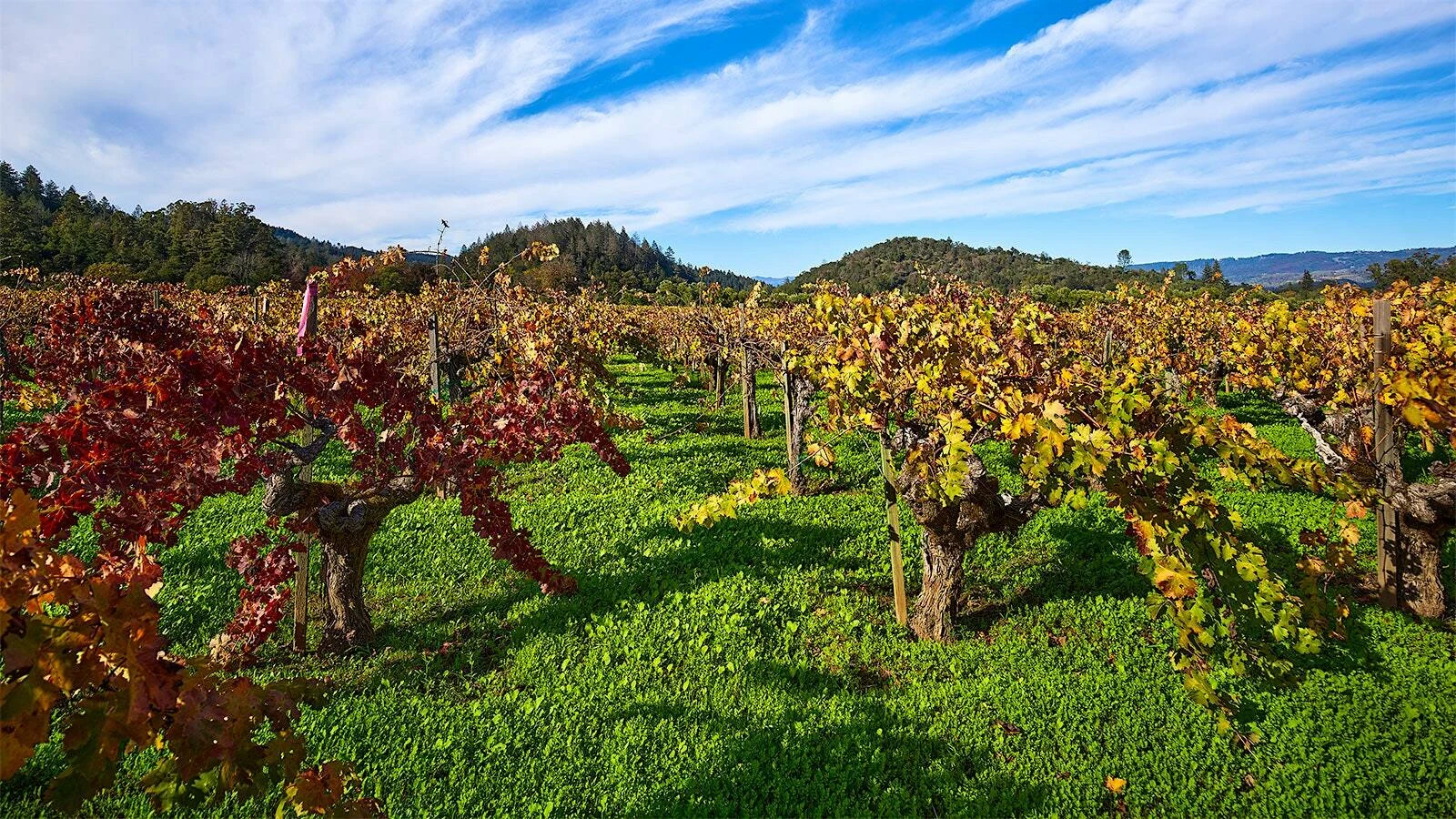
In Champlan Grimisuat, Cave et Domaine de l'Adret is best understood as a family-run Valais winery with a traditional, rural feel. The picture is direct and intentionally unembellished: vineyards on the sunny right bank slopes of the Rhône, a simple cellar space used for tastings, and an atmosphere focused on terroir rather than display. It is the kind of venue where the surrounding landscape matters as much as the room itself, because the sense of place comes from the hillside context, the cellar setting and the broader Valais wine-country character.
That makes the venue a grounded stop for visitors interested in place, slope and cellar hospitality. The appeal is not built around a formal restaurant-style experience; it is a down-to-earth winery setting where the landscape and the tasting context do most of the work. Instead of looking for a polished hospitality concept or a theatrical presentation, visitors should read the venue through its rural simplicity: a family-run cellar, wines understood through their local setting, and a visit shaped by the immediate relationship between vineyard slopes and tasting space.
Sunny Rhône-bank vineyards set the tone
The clearest feature is the setting. Cave et Domaine de l'Adret is associated with vineyards on the sunny right bank slopes of the Rhône, and that hillside context gives the visit its sense of place in Champlan Grimisuat. The phrase is important because it places the winery within a recognisably Valais landscape: slope, sun exposure and river-bank orientation are not decorative details here, but part of how the venue should be understood.
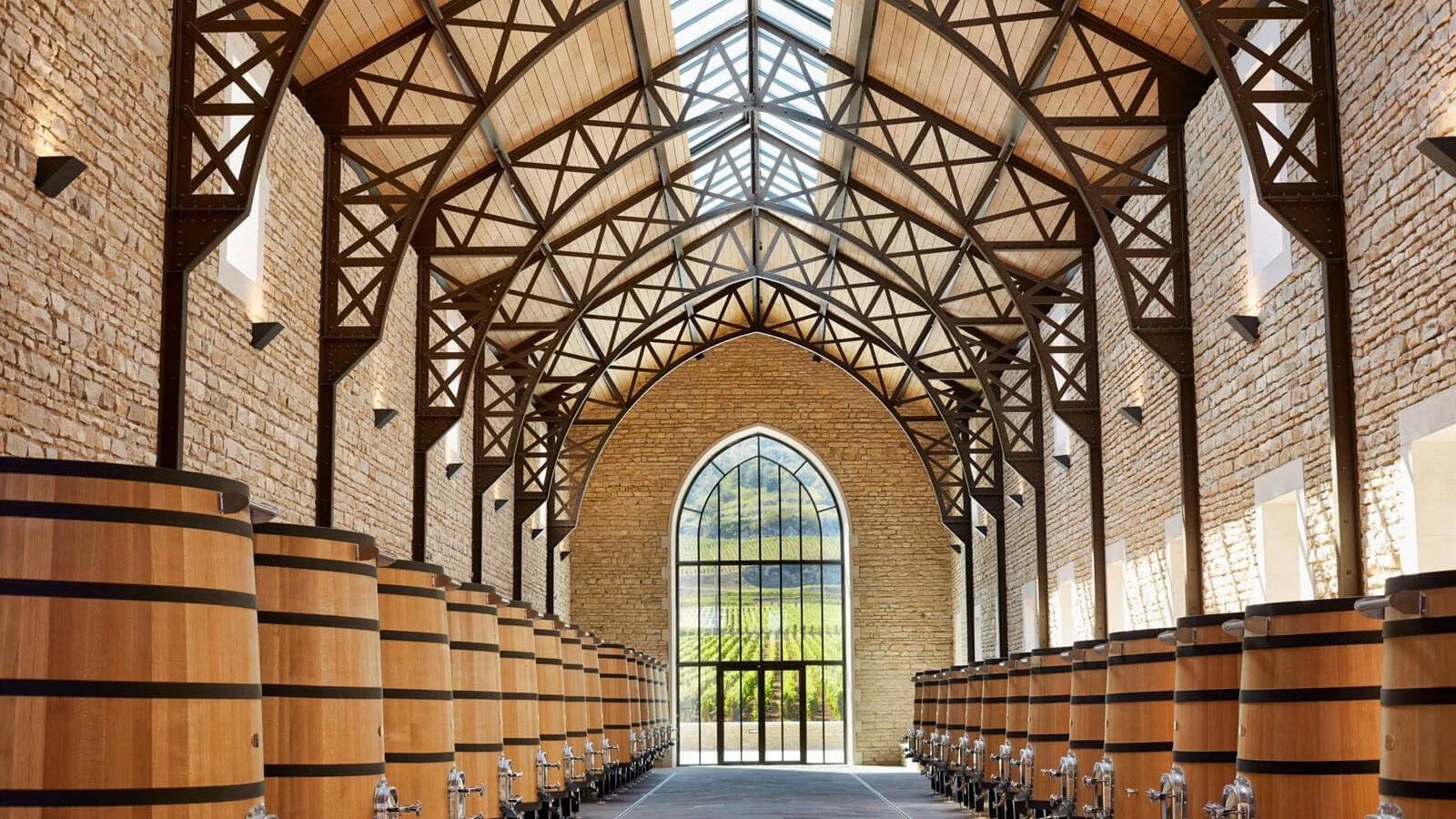
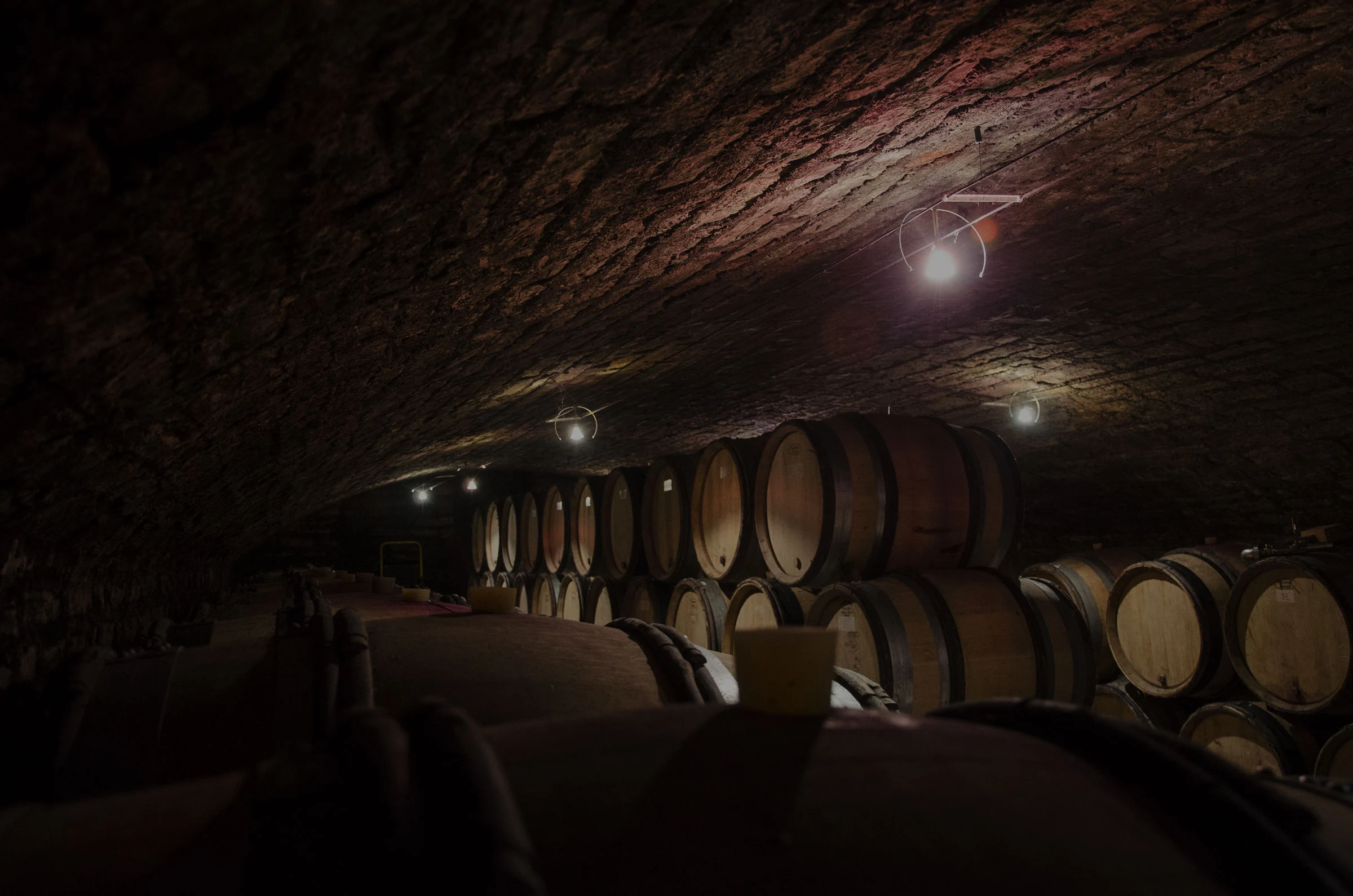
The atmosphere is traditional and rural rather than polished or theatrical. Visitors should expect a simple cellar tasting environment, with attention directed toward the wines and the surrounding Valais terroir rather than toward design-led hospitality. That simplicity is part of the value of the stop. It frames the tasting as an encounter with a working wine setting, not as a staged dining experience or a venue whose main strength is interior design.
Planning details should be confirmed directly before visiting. That is especially important for a place best approached as a cellar and winery rather than as a standard restaurant or bar. The core reason to go is clear, but the practical shape of a visit should be checked with the venue itself.
A cellar visit for terroir study, not design theatre
Cave et Domaine de l'Adret is strongest as a place to understand a family-run Valais winery in its rural setting. The atmosphere is authentic, simple and down-to-earth, with the emphasis on terroir and the Rhône-bank hillside context. Those qualities give the venue its identity: it is not trying to separate the tasting from the land around it, but to make that connection feel immediate and legible.
That makes it a useful contrast to more urban or highly designed hospitality experiences. Here, the draw is the relationship between cellar, vineyard setting and local landscape, not a documented chef, formal dining room, award profile or elaborate service model. Visitors who come with that expectation are more likely to appreciate the venue on its own terms. The experience is less about a programmed sequence and more about being in a traditional Valais wine environment, where the cellar acts as a direct point of contact with the surrounding vineyards.
This also means the venue is best assessed with a narrow, wine-focused lens. It should not be overread as a full gastronomic destination or presented as something more elaborate than the information supports. Its strength is precisely its grounded character: a family-run winery, a simple tasting setting, and a landscape-led sense of terroir. For travellers, that kind of restraint can be valuable, because it keeps attention on what is actually present rather than on an inflated hospitality narrative.
For travellers, the practical takeaway is to treat Cave et Domaine de l'Adret as a wine-focused stop in Champlan Grimisuat. Specific details such as opening times, tasting arrangements and available wines should be checked directly, since they are not part of the public record provided here. That approach keeps the visit realistic and respectful of the information available, while still recognising the venue’s appeal as a cellar rooted in its local hillside setting.
How it fits into a Champlan Grimisuat wine itinerary
Champlan Grimisuat is best approached here through its wine-country character. Cave et Domaine de l'Adret offers a traditional, family-run Valais cellar setting with vineyards on the sunny right bank slopes of the Rhône, making it a focused stop for visitors interested in terroir and rural winery atmosphere. In itinerary terms, it is not the broad, all-purpose anchor for every kind of traveller; it is most relevant for those who want a direct cellar visit shaped by place, slope and local wine context.
When comparing options, keep the comparison local and general unless a venue is specifically verified. Other dining or drinking stops in Champlan Grimisuat can round out a visit, but Cave et Domaine de l'Adret itself is the relevant named reference. Its role is clearest when it is allowed to remain what the available information supports: a modest, traditional Valais winery setting rather than a restaurant-led destination. Used that way, it gives a Champlan Grimisuat itinerary a concrete wine-country stop, with the Rhône-bank vineyards and simple cellar atmosphere providing the essential frame.
Questions
Frequently asked
Who works at Cave et Domaine de l'Adret?
Made By profiles Paul-Henri Roux (Winemaker) at Cave et Domaine de l'Adret.
How expensive is Cave et Domaine de l'Adret?
Cave et Domaine de l'Adret is listed at a price level of $$.
The field
How it compares
| Place | Notes | Awards |
|---|---|---|
| Cave et Domaine de l'Adret | Champlan (Grimisuat), $$ | · |
| Château Léoville Barton | Saint-Julien-Beychevelle | · |
| Chateau Leoville Las Cases | Saint-Julien-Beychevelle | · |
| Domaine Faiveley | Nuits-Saint-Georges | World's 50 Best |
| Domaine Hubert Lignier | Morey-Saint-Denis | · |
| Ruinart | Reims | World's 50 Best |
| Scarecrow | Napa | · |