- Falstaff Winery - Listed · 2026
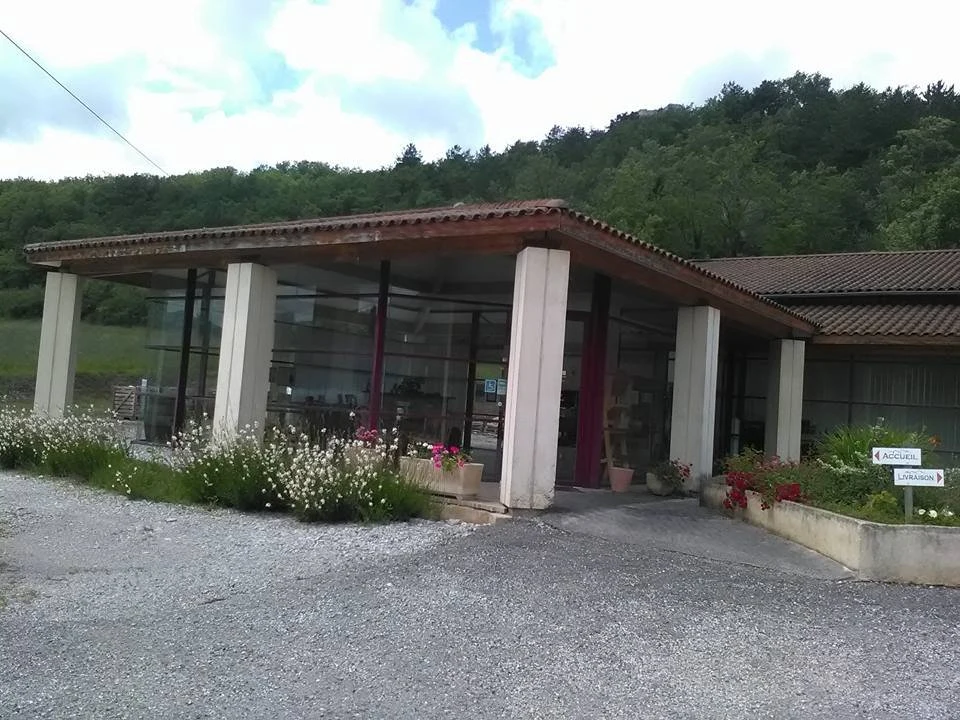
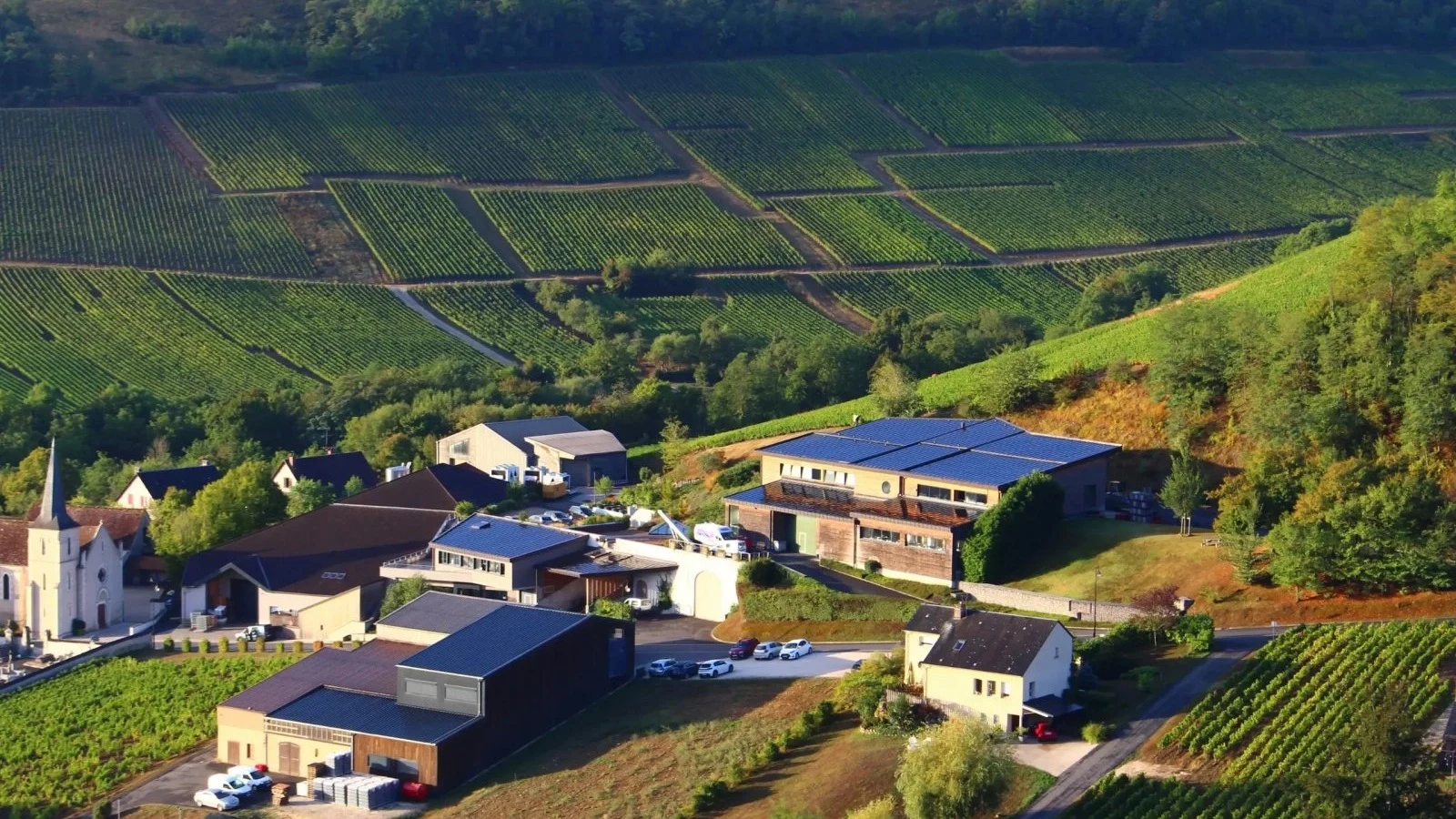
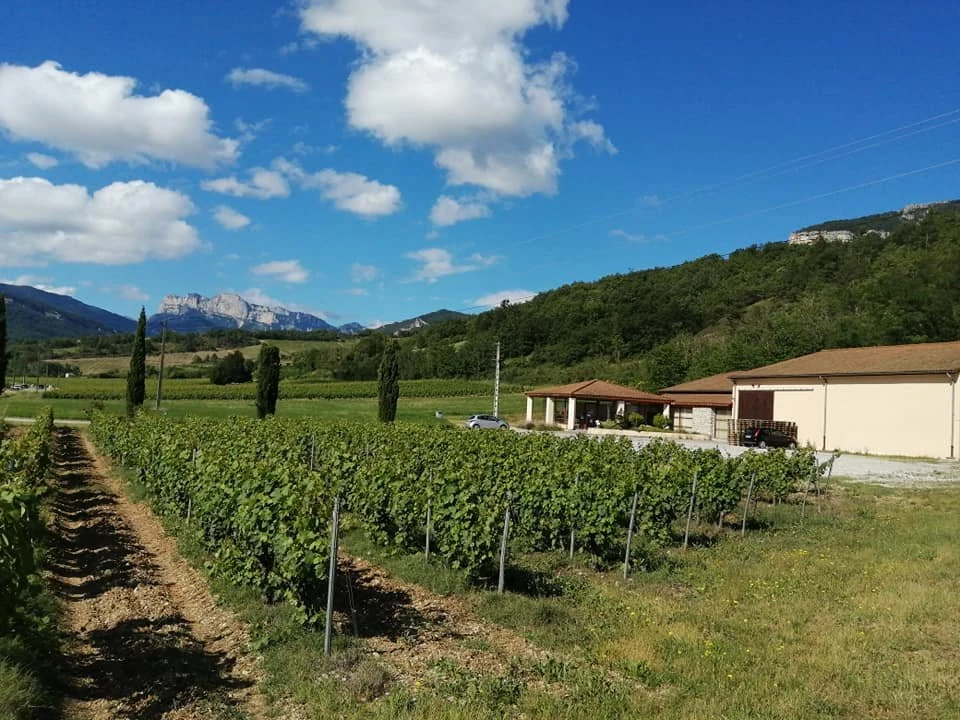
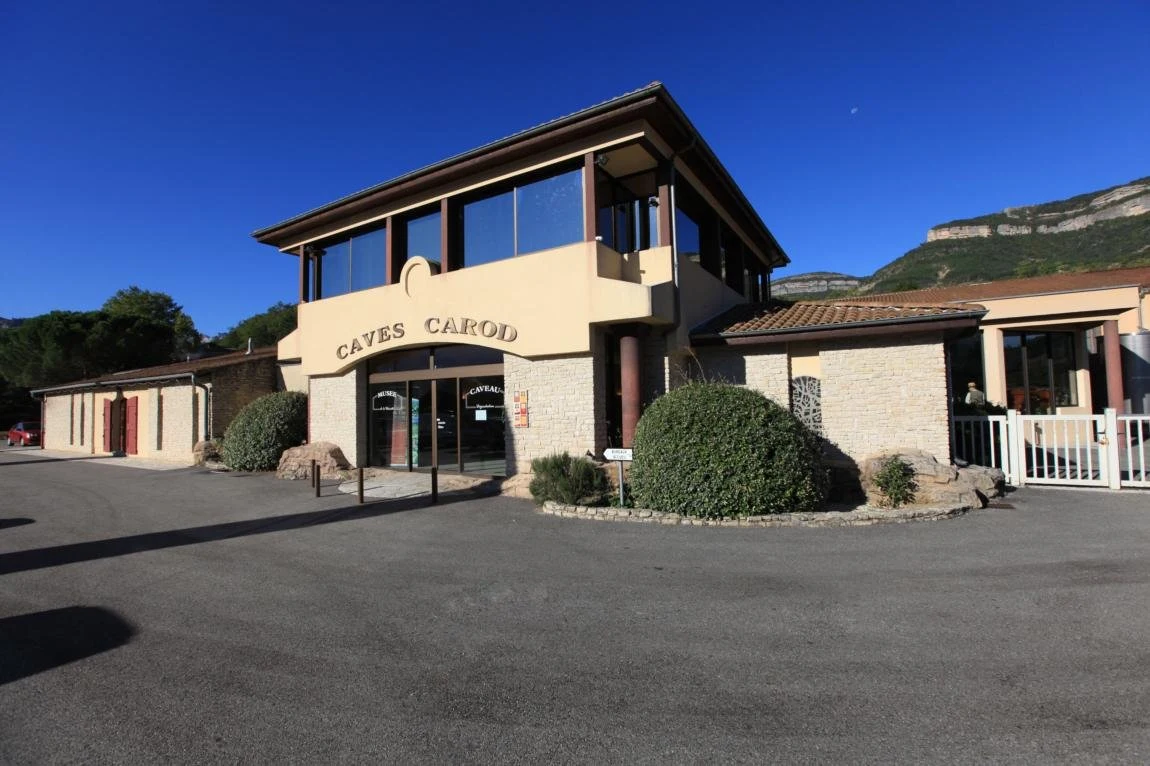
In Vercheny, Caves Carod is best described as an educational wine-visitor setting focused on the history of Clairette de Die production. The visitor details are interpretive rooms, audio commentary in French and English, and a view of bottling and labeling operations. The setting is quiet, classic, rustic, and instructional rather than a polished luxury tasting-room experience, so expectations should be framed around learning, observation, and regional context.
That makes the visit useful for travelers who want context before anything else. The emphasis is on Clairette de Die as a local production story: how the region presents its wine history, how the process is explained to visitors, and how a working bottling and labeling line helps connect the interpretation to real production. It is the kind of stop where the value comes from seeing how the narrative is assembled, not from the spectacle of a high-design cellar or an elaborate hospitality script.
Clairette de Die explained through rooms, commentary, and the bottling line
Caves Carod works strongest as a teaching stop because the visitor experience connects production history with visible operations. The interpretive rooms provide the framework, while the French- and English-language audio commentary makes the material accessible to a wider range of visitors. Together, those elements give structure to the visit: the rooms introduce the subject, the commentary guides the explanation, and the production view gives the material a practical anchor.
The view of bottling and labeling matters because it shifts Clairette de Die from an abstract regional idea into a practical production setting. Rather than relying on grand claims or luxury presentation, the site gives visitors a direct look at how the wine story is organized and communicated in Vercheny. Even a simple glimpse of these operations can make the visit feel more grounded, because the visitor is not only hearing about production history but also seeing part of the work that turns that history into a finished bottle.
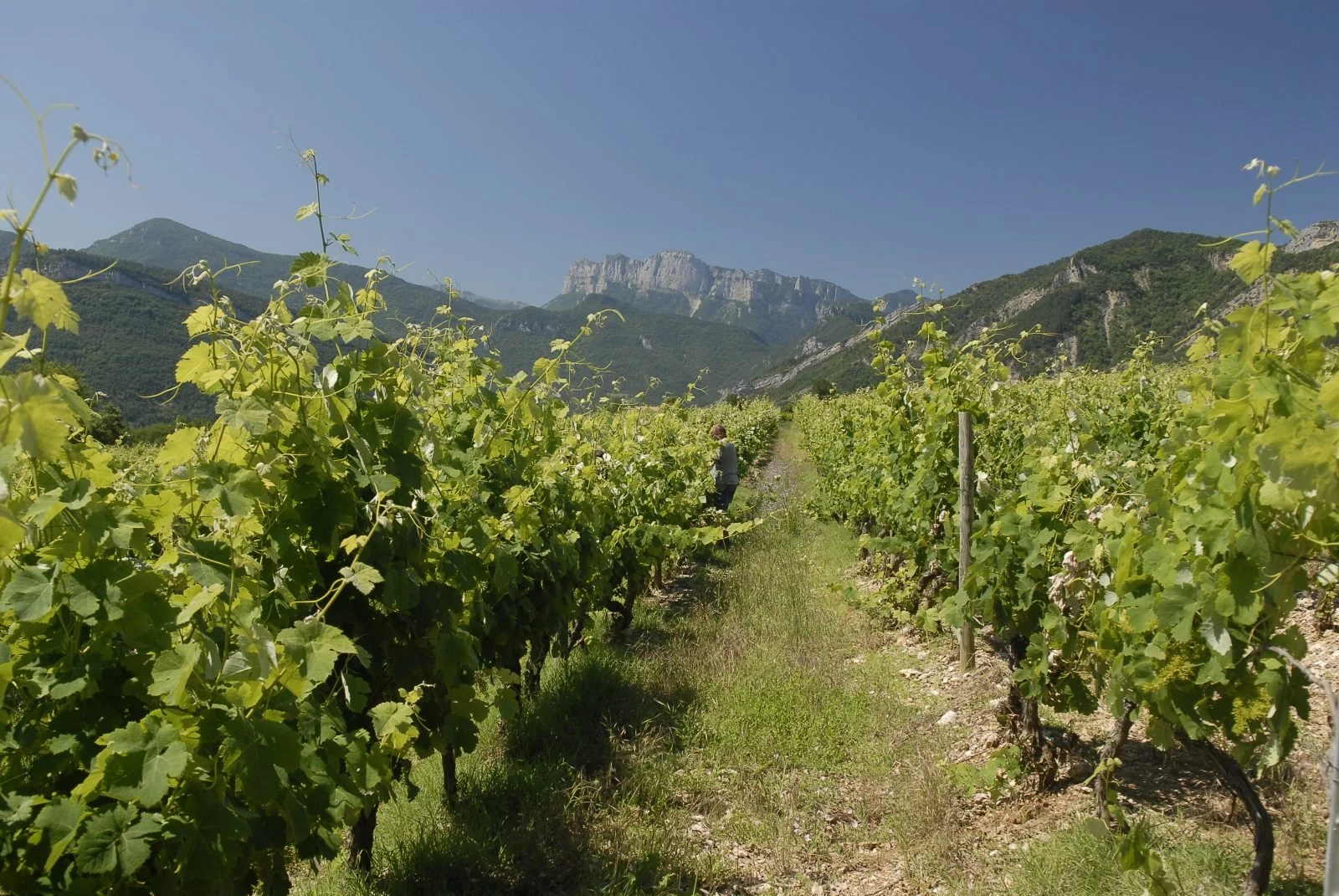
The appeal here is not a list of technical vineyard statistics or a detailed production dossier. It is the combination of wine-history interpretation, bilingual audio commentary, and the chance to see bottling and labeling operations as part of the visit. That combination is modest but coherent: it gives travelers enough orientation to understand why Clairette de Die matters locally, while keeping the experience centered on clear explanation rather than specialist overload.
A stop for wine education, not luxury theater
Atmosphere is quiet, classic, rustic, and educational. That makes Caves Carod a strong fit for visitors who prefer a clear introduction to Clairette de Die production history over a highly staged hospitality experience. The rustic character is part of the point: the visit reads as a working, interpretive place, where the emphasis is on the product, the region, and the process rather than on creating a glamorous tasting-room mood.
Page should not be read as a promise of a particular tour format, food pairing, dining service, or extended tasting program. The grounded information is simpler: Caves Carod is a Vercheny wine-visitor setting with interpretive rooms, French and English audio commentary, and views of bottling and labeling. In practical terms, that means the safest expectation is an educational encounter with Clairette de Die, built around explanation and observation, not a broad leisure complex or a full culinary stop.
Within Vercheny, Caves Carod can be understood as a practical educational stop for learning about Clairette de Die. Other local dining or travel plans are best treated as separate logistics around the visit rather than as part of the Caves Carod experience itself. That distinction matters for planning: the visit can add useful wine context to a day in the area, but it should be valued for what it clearly offers rather than stretched into something broader.
How it fits into a wider French wine itinerary
For travelers building a France wine route, the useful comparison is by format rather than by prestige. Caves Carod represents the educational end of a wine visit: interpretive rooms, production history, bilingual commentary, and a view of bottling and labeling operations. It can sit comfortably alongside more tasting-led or scenery-led stops because it answers a different need: it explains a local wine identity in a direct, visitor-friendly way.
The editorial case is clear: choose this stop when the priority is understanding Clairette de Die in Vercheny through a calm, rustic, and instructional visitor setting. Its value lies in clarity and context rather than luxury theater. For travelers who appreciate wine regions as places with working processes and local histories, that clarity is the main reason to include Caves Carod in the plan.
Questions
Frequently asked
Who works at Caves Carod?
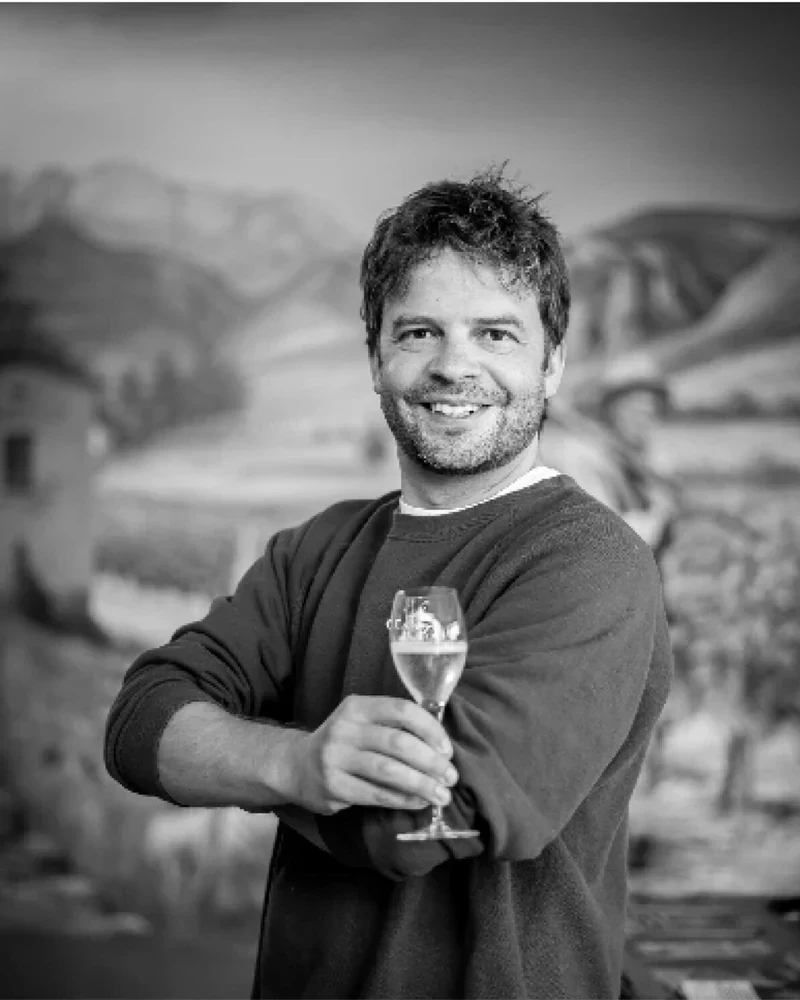
Made By profiles Alain Carod (Winemaker) at Caves Carod.
How expensive is Caves Carod?
Caves Carod is listed at a price level of $.
The field
How it compares
| Place | Notes | Awards |
|---|---|---|
| Caves Carod | Vercheny, $ | · |
| Bollinger | Aÿ | World's 50 Best |
| Cave Monge Granon | Vercheny | · |
| Cave Poulet & Fils | Vercheny | · |
| Edmond Vatan | Vatan | · |
| POULET ET FILS | Vercheny | · |
| Union des Jeunes Viticulteurs Récoltants | Vercheny | · |