Caviro
- 01CityFaenza, Italy
- Falstaff Winery - 2 Stars · 2026
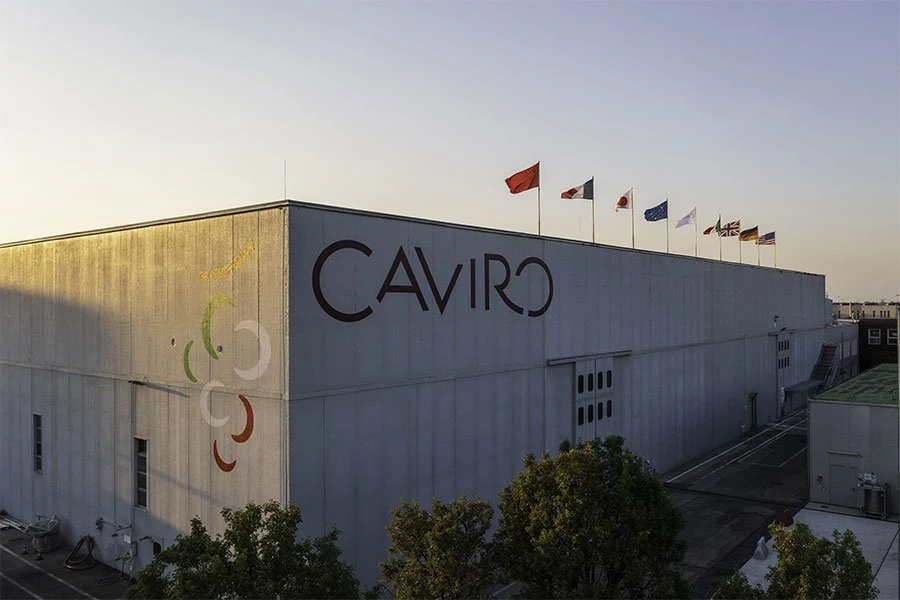
Caviro in Faenza is best approached not as a small, intimate cellar visit but as a large cooperative winery and industrial campus. The atmosphere is modern and eco-industrial, with the emphasis placed on technology, renewable energy, environmental regeneration, and a circular-economy ethos rather than on estate romance. In other words, the point of the place is not to create the feeling of a secluded country house or a quietly atmospheric barrel room, but to show how wine production can be understood through organization, infrastructure, and sustainability-minded systems.
That distinction is the useful starting point for understanding the venue. Caviro’s identity, as here, rests on scale, cooperation, and sustainability-focused production. The experience is best framed around how a major winery campus presents wine through systems, environmental thinking, and industrial organization. For visitors, this means adjusting expectations before arrival: the interest lies less in intimacy and more in the broader mechanics of a cooperative model, where wine is connected to energy use, regeneration, and the practical realities of operating at significant scale.
Romagna identity seen through scale rather than estate intimacy
Caviro belongs to a different category from the small, intimate winery model. Its Faenza setting is described as a large cooperative winery and industrial campus, so the tone is more functional, modern, and infrastructure-led than rustic or private-estate in character. That does not make it less relevant to the wine range of Romagna; it simply places it in a different register, one where the region is interpreted through cooperative production, contemporary facilities, and an emphasis on how a complex site is managed.
For visitors comparing wine experiences in Faenza, that difference matters. Caviro’s appeal is not built around a narrowly defined boutique atmosphere. It is better understood as a place where wine, cooperative scale, technology, and environmental priorities are part of the same identity. The venue’s character comes from that combination: a winery presence shaped not by smallness or seclusion, but by the visible logic of a campus built around production and sustainability.
Other dining and wine-related options in Faenza may offer a more intimate or traditional mood, but Caviro’s profile points in another direction: a sustainability-focused campus with a circular-economy ethos and an eco-industrial atmosphere. That contrast is important because it helps prevent the wrong kind of expectation. Caviro is not primarily about the romance of a tucked-away estate; it is about seeing a different face of wine culture, one in which scale and environmental responsibility are central to the story.
The circular-economy argument is the real subject
The most distinctive theme at Caviro is sustainability. The venue is described through a circular-economy ethos, with attention on renewable energy, environmental regeneration, technology, and the practical systems behind a large cooperative winery. This is the core lens through which the place should be read. Rather than treating environmental language as a decorative add-on, Caviro’s profile places it at the center of the venue’s identity, alongside the cooperative and industrial dimensions of the site.
That is why the setting feels central rather than incidental. The atmosphere is modern, eco-industrial, and strongly connected to production infrastructure. Visitors should expect the identity of the place to lean toward systems and environmental thinking rather than intimate cellar charm. The interest comes from the way these elements are presented together: technology is not separate from wine, renewable energy is not separate from production, and environmental regeneration is part of the larger story of how the campus defines itself.
Within this guide, Caviro is therefore best presented as a sustainability-led winery campus in Faenza. Its price level is listed as $$, while the description emphasizes the character of the site more than a specific menu, tasting format, award record, or visitor schedule. That restraint is useful, because it keeps the focus on what is most clearly defining here: a broad, systems-based view of wine production in which cooperation, infrastructure, and circular-economy thinking carry the editorial weight.
How to read Caviro against Italy's wider winery map
Caviro is most useful when read as a case study in scale and sustainability. Against a wider Italian winery map often associated, in the visitor imagination, with intimate estates and highly personal cellar narratives, Caviro represents another type of relevance. It suggests that wine tourism and wine culture can also be understood through large cooperative structures, modern production environments, and the environmental choices attached to them.
The editorial verdict is direct: Caviro is strongest for travelers interested in the idea of a large cooperative winery campus in Faenza, especially one associated with technology, renewable energy, environmental regeneration, and circular-economy thinking. Those seeking intimate atmosphere should note that the profile is modern and eco-industrial rather than private and secluded. For the right visitor, that is precisely the reason to pay attention: Caviro offers a way to think about wine through scale, shared production, and sustainability, rather than through the familiar language of estate romance alone.
Questions
Frequently asked
How expensive is Caviro?
Caviro is listed at a price level of $$.
The field
How it compares
| Place | Notes |
|---|---|
| Caviro | Faenza, $$ |
| Château Montrose | Saint-Estèphe |
| Château Rieussec | Fargues |
| Domaine Hubert Lignier | Morey-Saint-Denis |
| Domaine Jean-Louis Chave | Mauves |
| Fattoria Zerbina | Faenza |
| Trerè | Faenza |