Château Bellefont-Belcier

In Residence
Dominique Hebrard
Winemaker
- 01CitySaint-Laurent-des-Combes, France
- Falstaff Winery - Listed · 2026
- Michelin 1 Grape · 2026
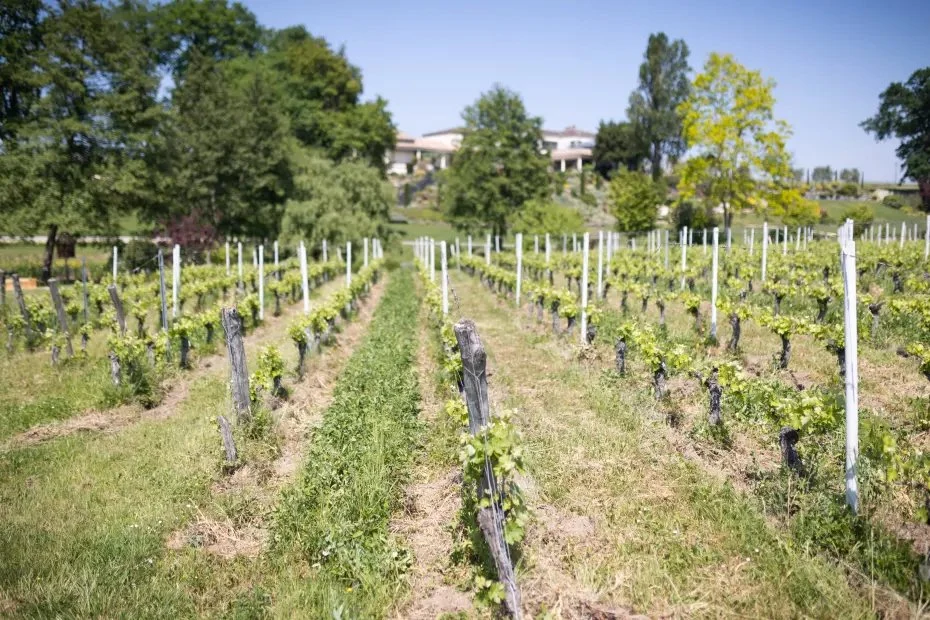
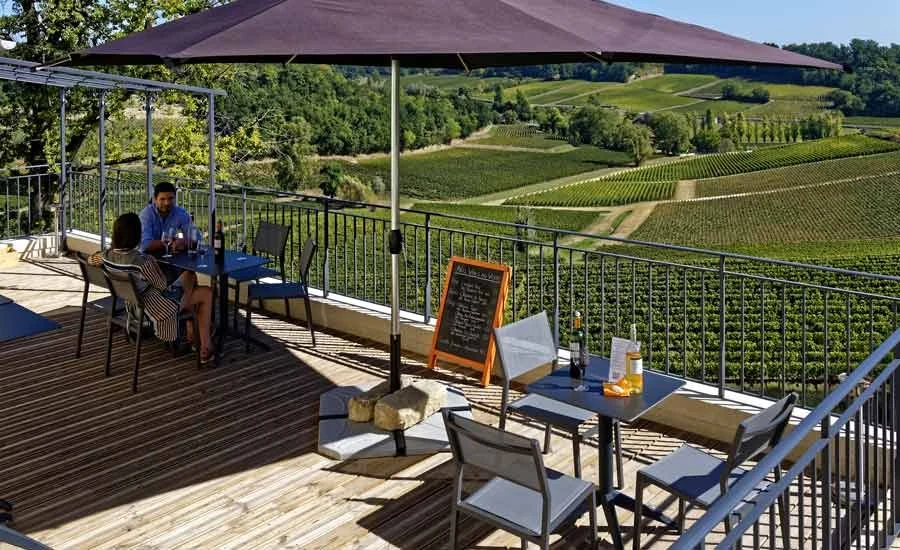
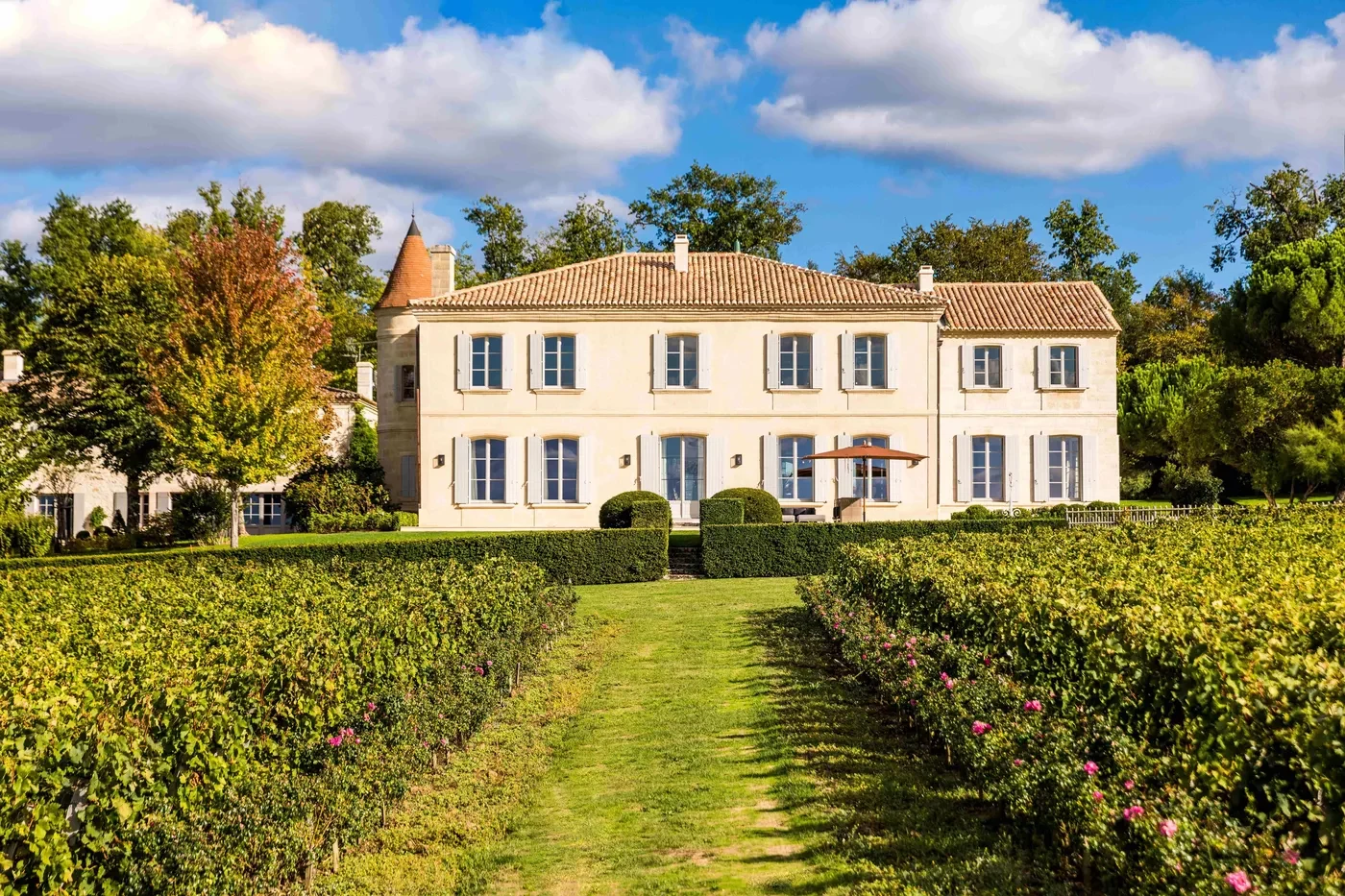
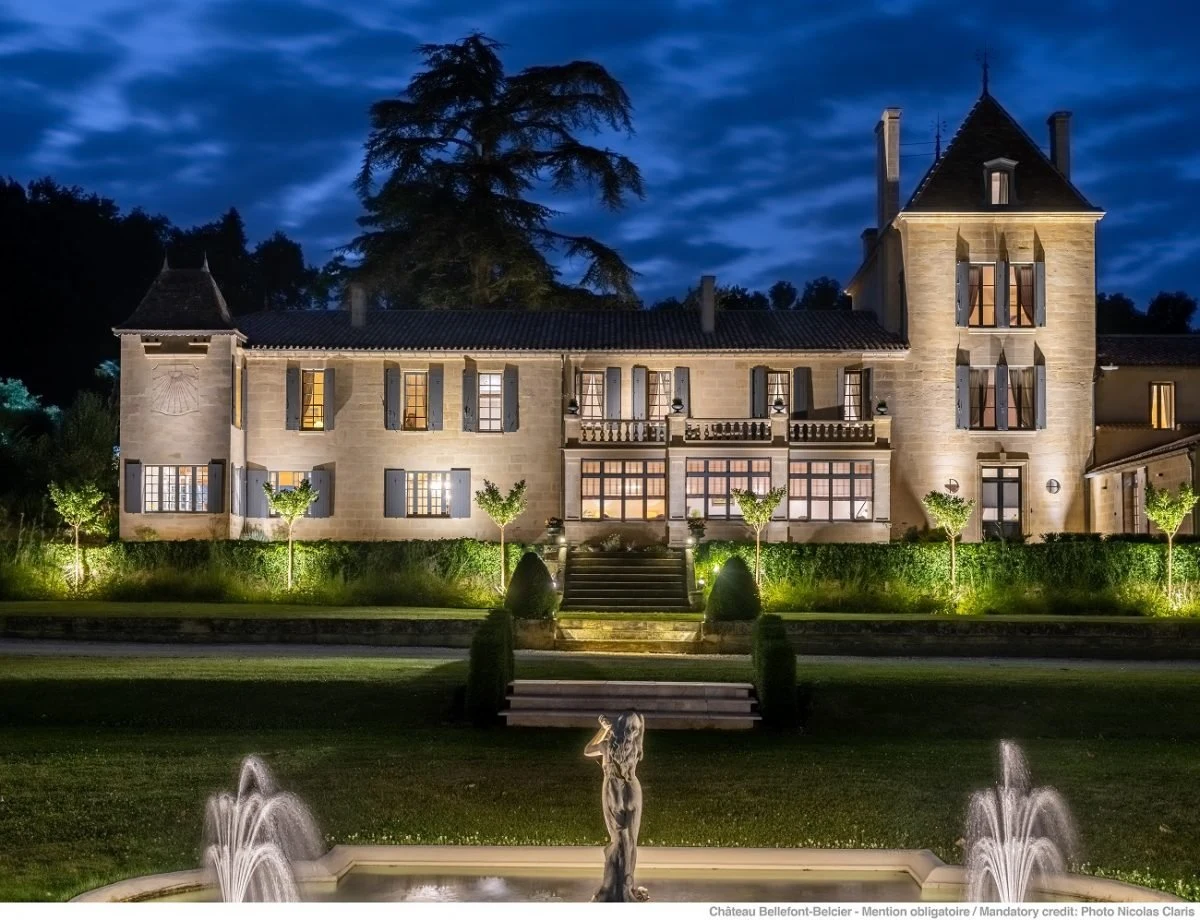
Approaching the château, the first impression is not scale for its own sake, but orientation: vines, garden, old stone and the south-facing fall of Saint-Émilion’s clay-limestone slopes. This is the Right Bank read through geology. Merlot leads, Cabernet Franc and Cabernet Sauvignon provide frame, and the site’s 14 hectares give the estate enough detail to speak in parcels rather than slogans.
Saint-Émilion can be a difficult appellation for visitors to read. The village carries UNESCO prestige, postcard architecture and a heavy classification vocabulary, yet the serious distinction often lies below the surface: limestone plateau, clay-limestone slope, lower clay and sand. Château Bellefont-Belcier is useful because the estate compresses that lesson into a single property. Its contiguous vineyard is divided into 28 plots, a compact but varied map of how exposure and soil shape Right Bank red wine.
Clay-limestone Saint-Émilion, explained through Merlot
The wine style here belongs to the Merlot-led Saint-Émilion tradition, but not the broad, soft caricature sometimes attached to the grape. The estate’s blend typically centers on Merlot, with Cabernet Franc and Cabernet Sauvignon in supporting roles. In practical terms, that means the wine’s identity is built first around the clay-limestone slope, then around structure and lift from the Cabernets.
The classification signal matters. Château Bellefont-Belcier is a Saint-Émilion Grand Cru Classé estate, placing it inside the appellation’s more scrutinized tier rather than among casual cellar-door stops. That designation should not be read as decoration; in Saint-Émilion it shapes expectations around vineyard management, cellar discipline and aging capacity. The 2025 vintage is framed for a long drinking window from 2032 to 2060, which is a clear indication that the wine is being positioned for cellaring rather than immediate fruit alone.
There is also a sustainability marker with substance: the vineyard is certified organic across 14 hectares. In Bordeaux, where mildew pressure and vintage variation make organic viticulture harder than in drier regions, that certification has practical meaning. It does not guarantee a certain flavor, but it does indicate a farming stance that matters on slopes where soil life, drainage and vine balance are central to the wine’s shape.
An 18th-century château with a 1890 gravity-fed cellar
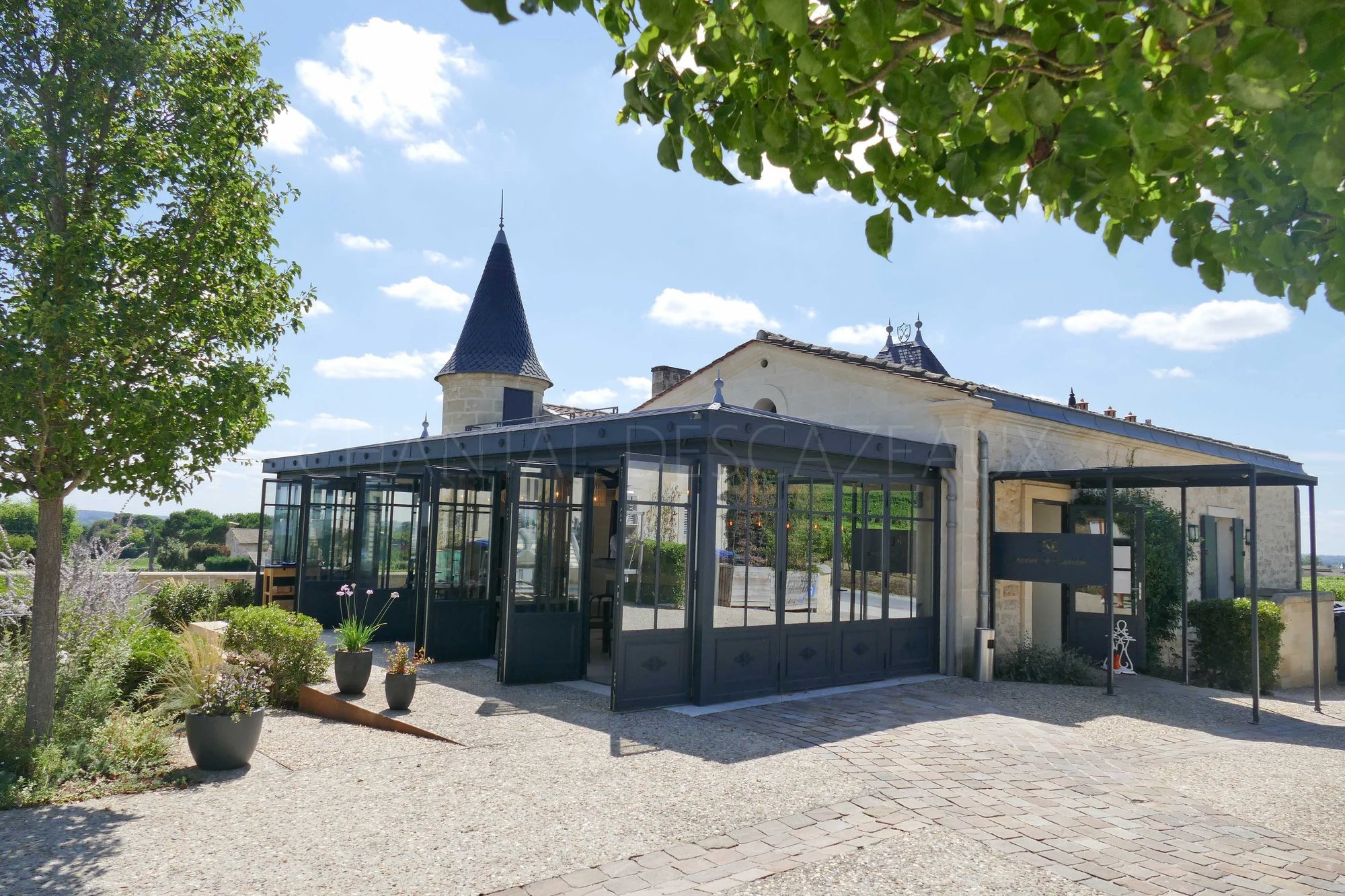
The estate’s hospitality setting has more architectural interest than many polished tasting rooms. The 18th-century château sits with landscaped parkland and vineyard views, but the more technical object is the circular gravity-fed vat room built in 1890. Gravity-fed design matters because it reduces the need for aggressive pumping during vinification, a detail that connects cellar architecture to texture in the glass.
That room also places the property in a longer Bordeaux conversation: the Right Bank has often been discussed through family ownership, classification and Merlot dominance, but its technical history is just as revealing. A late-19th-century circular vat room is not a lifestyle flourish. It is infrastructure, and it shows how ambitious estates were already thinking about flow, extraction and cellar efficiency well before contemporary winery design made those terms fashionable.
Modern ownership adds another layer. Since 2014, the estate has been part of Vignobles K, the Right Bank group associated with Peter Kwok and directed by Jean-Christophe Meyrou. That context is relevant not as biography, but as a sign of how Saint-Émilion has changed: capital, classification pressure and renewed vineyard work have pushed several properties from quiet reputations into sharper focus. Bellefont-Belcier sits in that pattern, with historic architecture on one side and a more current, terroir-led message on the other.
How to place it in a Saint-Laurent-des-Combes itinerary
Saint-Laurent-des-Combes rewards visitors who think in clusters rather than single stops. The village and surrounding slopes are compact enough to make a wine-focused day coherent, but the interest comes from comparing formats: historic château settings, vineyard-view tastings, small family estates and more contemporary cellar architecture. For a broader local map, use Our full Saint-Laurent-des-Combes wineries guide, then place this estate alongside nearby pages such as Château Bellisle Mondotte, Château de Candale, Château La Commanderie, Château La Croizille and Château Rozier - Vignobles famille saby.
The estate’s strongest audience is the visitor who wants a clear reading of Saint-Émilion terroir without turning the tasting into theatre. It is quiet, structured and educational in the literal sense: slope, vat room, blend, classification, organic farming. That makes it especially useful for travelers building a fuller regional stay around Our full Saint-Laurent-des-Combes restaurants guide, Our full Saint-Laurent-des-Combes hotels guide, Our full Saint-Laurent-des-Combes bars guide and Our full Saint-Laurent-des-Combes experiences guide.
For readers expanding beyond Bordeaux, the same question follows across regions: what does a visit teach about place rather than branding? Compare that lens with pages such as A. Margaine in Villers-Marmery, Abbaye de Fontfroide in Narbonne, Abbotts & Delaunay in Marseillette, »der Steiner« Hans Steiner in Podersdorf am See and & Handwein in Mannheim. Bellefont-Belcier’s answer is precise: Saint-Émilion through south-facing clay-limestone, Merlot-led structure and a cellar built to let gravity do part of the work.
Questions
Frequently asked
Who works at Château Bellefont-Belcier?
Made By profiles Dominique Hebrard (Winemaker) at Château Bellefont-Belcier.
How expensive is Château Bellefont-Belcier?
Château Bellefont-Belcier is listed at a price level of $$$.
The field
How it compares
| Place | Notes |
|---|---|
| Château Bellefont-Belcier | Saint-Émilion, $$$ |
| Château Bellisle Mondotte | Saint-Laurent-des-Combes |
| Château de Candale | Saint-Laurent-des-Combes |
| Château La Commanderie | Saint-Laurent-des-Combes |
| Château La Croizille | Saint-Laurent-des-Combes |
| Château Rozier - Vignobles famille saby | Saint-Laurent-des-Combes |
| Château Troplong Mondot | Saint-Laurent-des-Combes |
In residence
Similar places
Château Bellisle Mondotte
Saint-Laurent-des-Combes, France
Château de Candale
Saint-Laurent-des-Combes, France
Château La Commanderie
Saint-Laurent-des-Combes, France
Château La Croizille
Saint-Laurent-des-Combes, France
Château Rozier - Vignobles famille saby
Saint-Laurent-des-Combes, France
Château Troplong Mondot
Saint-Laurent-des-Combes, France