Château Branda
- 01CityPuisseguin, France
- Falstaff Winery - Listed · 2026
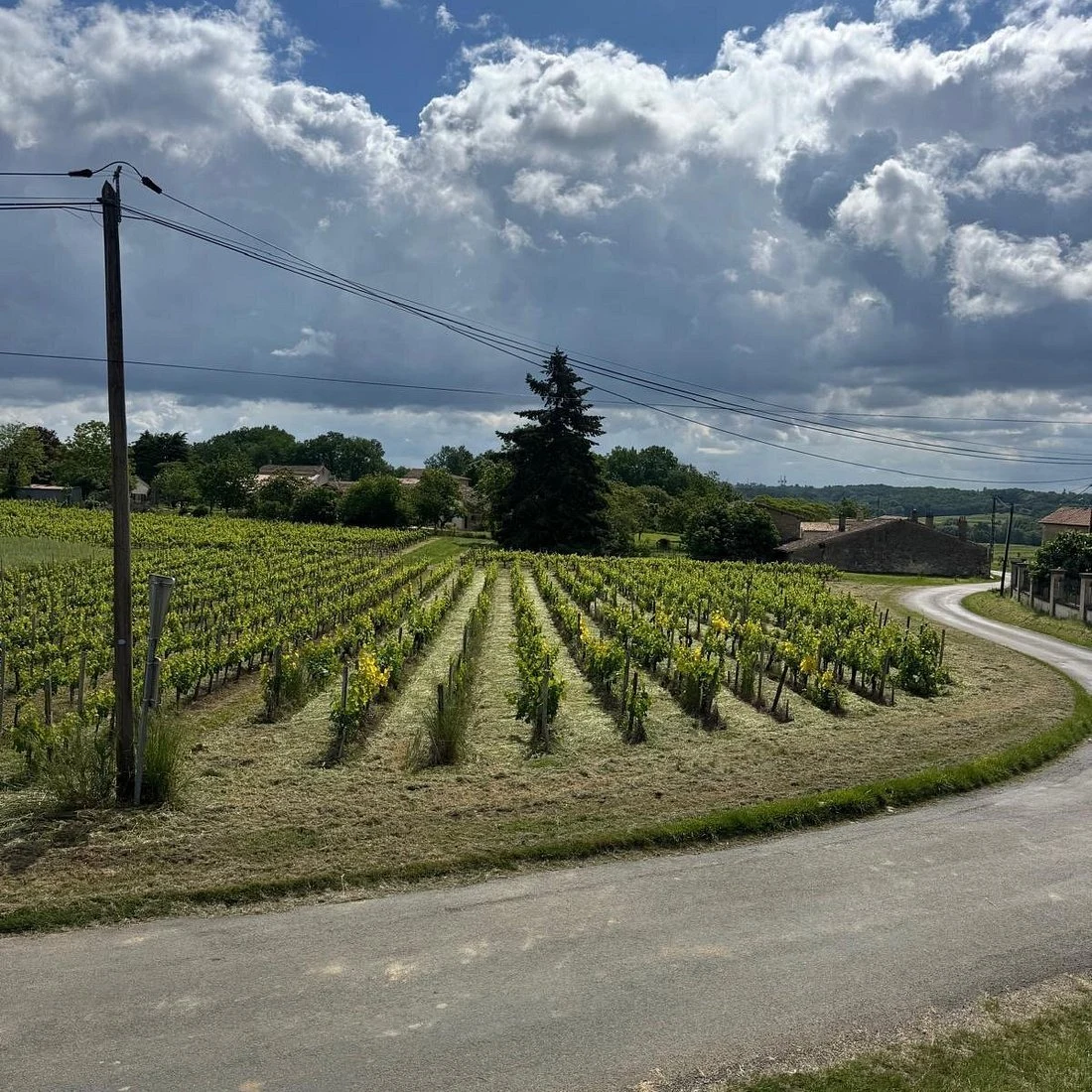
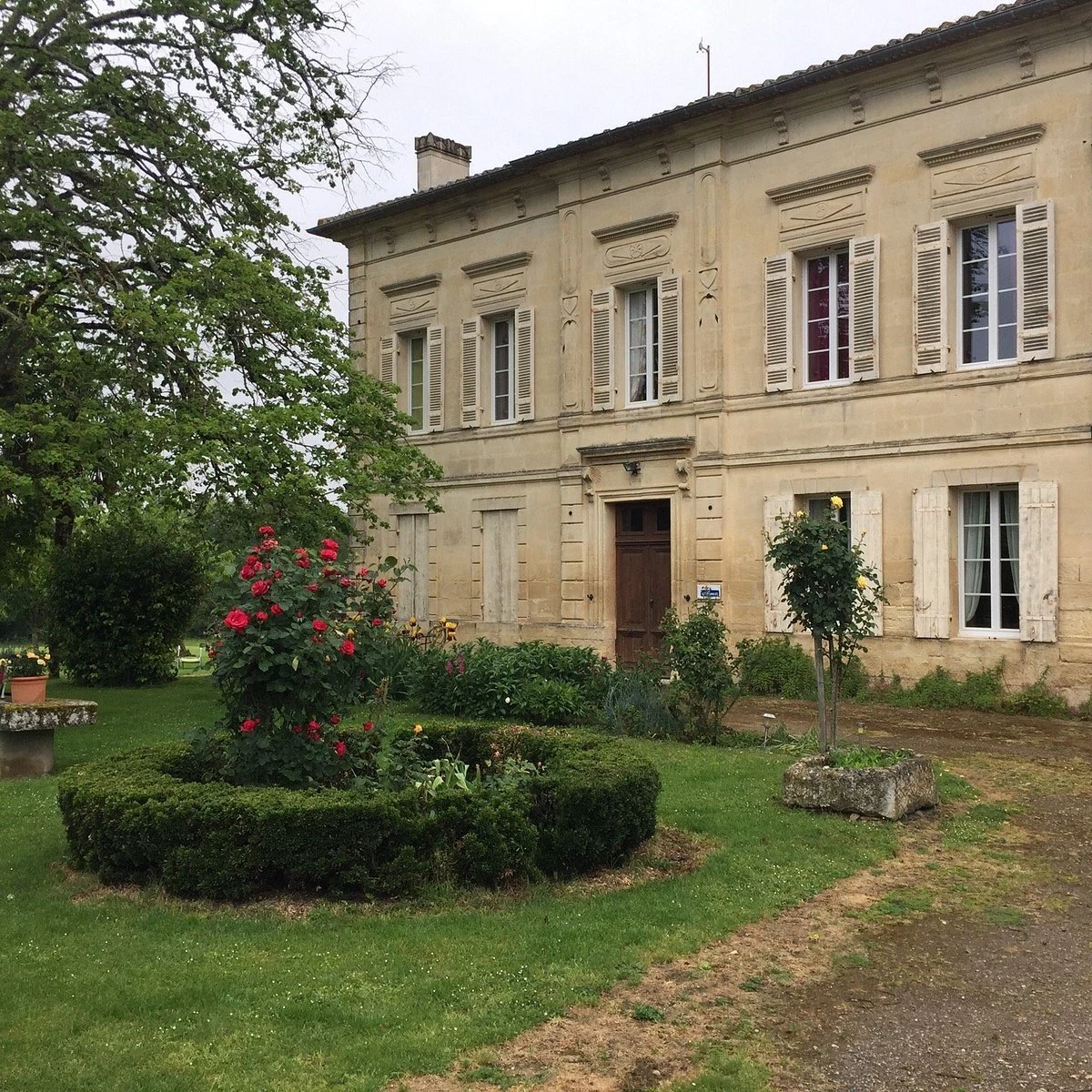
Approaching Château Branda in Puisseguin, the tone is quiet, classic, and rooted in Bordeaux winery tradition. The picture is not one of a flashy hospitality concept, but of a rustic, sophisticated estate identity shaped by clay-limestone terroir, structured red wines, and sustainable viticulture cues from AB and HVE3 labeling. That combination gives the venue a clear editorial frame: it reads as a place where the land, the red-wine profile, and the understated estate setting matter more than any theatrical visitor experience. For travelers building a Bordeaux route, the appeal is therefore not based on excess detail, but on a coherent sense of place.
Clay-limestone terroir and a structured red-wine identity
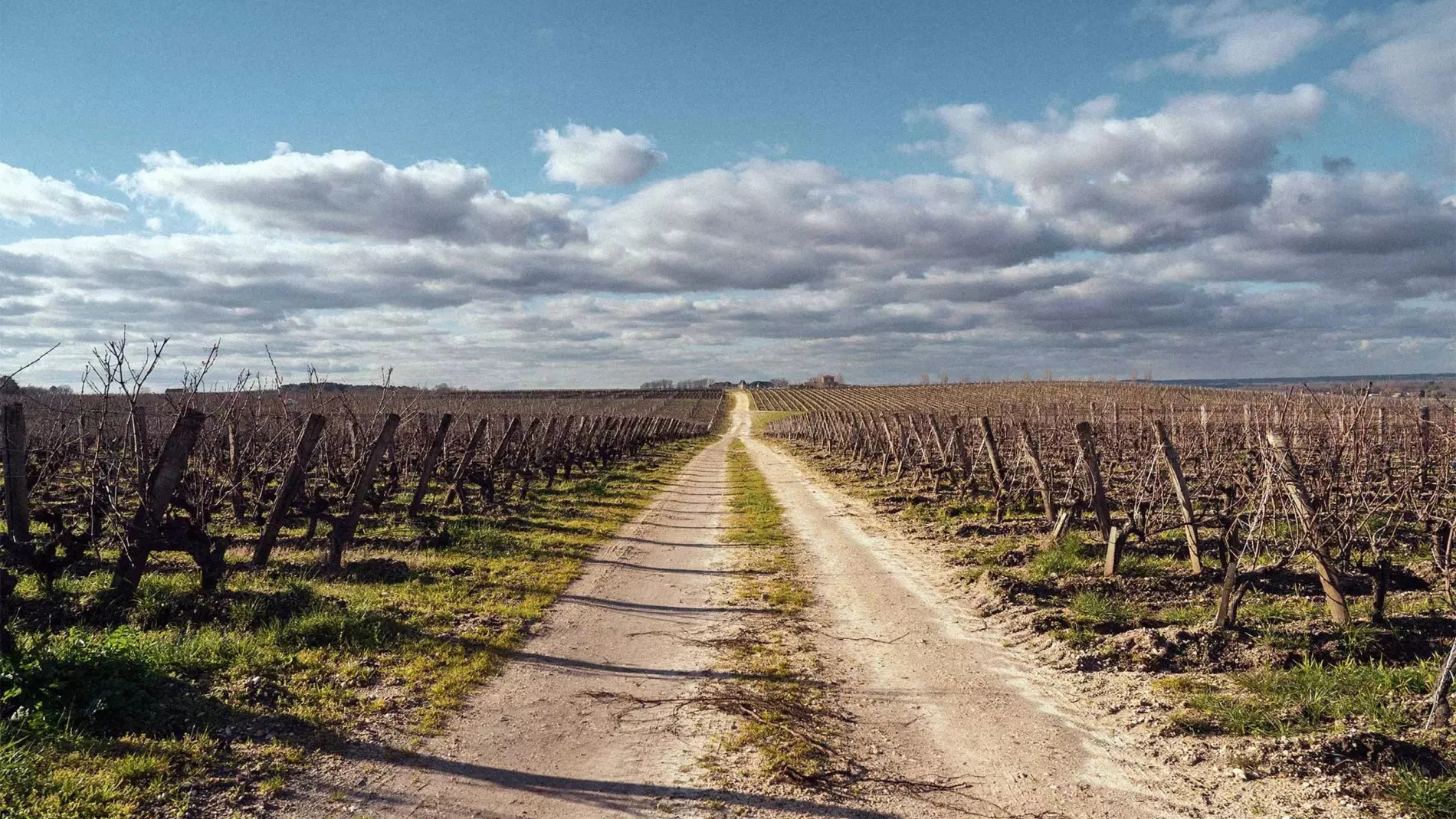
Château Branda is best understood through its estate context in Puisseguin. The emphasis on clay-limestone terroir is important because it anchors the property in a familiar Bordeaux vocabulary of soil, structure, and red-wine expression. Rather than treating the venue as a generic winery stop, that context helps explain why the identity feels grounded and traditional. The available information points toward a focused estate character: a place associated with red wines that are framed as structured, not casual or novelty-driven.
The sustainable viticulture cues associated with the estate identity are AB and HVE3 labeling. Those references give the page a grounded way to discuss the property’s modern farming signals without overstating what is publicly here. They also add useful texture to the classic Bordeaux impression. Château Branda can be described as traditional in tone while still carrying contemporary sustainability cues, a balance that fits the quiet, rustic, sophisticated positioning already present in the venue profile.
Because the data is limited, the most honest reading of Château Branda is focused rather than encyclopedic: a quiet Puisseguin estate with a classic, rustic, sophisticated Bordeaux feel, a moderate price level, and an identity tied to terroir and structured red wines. That restraint is useful. It keeps the description from drifting into unsupported claims and lets the strongest available signals do the work. The estate is not being presented through a long list of amenities, named bottlings, or visitor features. Instead, it is defined by its place, its farming cues, and the style of wine identity attached to it.
A quiet estate experience, not a showpiece tasting room
The atmosphere associated with Château Branda is classic, quiet, rustic, and sophisticated. That makes it better framed as a composed Bordeaux winery setting than as a destination built around spectacle. The draw is the estate identity itself: clay-limestone ground, structured red wines, and a calm Puisseguin setting. In editorial terms, the value is in the restraint. Nothing in the available profile suggests a loud, heavily produced experience; the more accurate reading is of a venue that should be approached with an interest in the estate and its wine context.
Specific claims about tastings, tours, food pairings, reservations, clubs, seating, or service formats are not part of the information. Travelers should therefore treat the estate as a wine-focused Puisseguin stop and confirm practical visit details directly before planning around them. That caution matters, especially for anyone trying to build a timed itinerary. The known profile supports interest in the property, but it does not support assumptions about how a visit is structured, what is included, or what kind of hospitality is available on a given day.
For a fuller read on the village, use general Puisseguin planning resources and compare Château Branda with other unnamed dining, lodging, bar, and experience options in Puisseguin as needed. The comparison should be made at the level of mood and purpose: Château Branda belongs on the wine side of the plan, with a quiet and classic estate emphasis, while other parts of the trip can fill in meals, overnight stays, or broader village context. That keeps expectations clean and helps travelers avoid asking one venue to supply every part of the itinerary.
Who should put it on a Bordeaux route
Château Branda is a strong fit for travelers who want a quieter Bordeaux winery atmosphere in Puisseguin rather than a highly staged venue. The grounded case rests on its classic estate feel, clay-limestone terroir, structured red-wine identity, $$ price level, and sustainable viticulture cues from AB and HVE3 labeling. It will make the most sense for visitors who enjoy reading a winery through its essentials: where it is, how its terroir is described, what kind of wine identity is emphasized, and what overall atmosphere the estate projects.
It is less useful to frame the venue around amenities or programming. The sharper move is to treat it as a focused Puisseguin wine stop: classic, quiet, rustic, and sophisticated, with the estate identity centered on terroir and structured red wines. In that role, Château Branda can add a measured, traditional note to a Bordeaux route without needing to be described as something larger or more elaborate than the information supports. Its appeal is precise rather than expansive, and that precision is what gives the page its credibility.
Questions
Frequently asked
How expensive is Château Branda?
Château Branda is listed at a price level of $$.
The field
How it compares
| Place | Notes | Awards |
|---|---|---|
| Château Branda | Puisseguin, $$ | · |
| Château Clarisse | Puisseguin | · |
| Château Guibeau | Puisseguin | · |
| Château Le Bernat | Puisseguin | · |
| Chateau Mouton Rothschild | Pauillac | World's 50 Best |
| Château Rieussec | Fargues | · |
| Château Soleil | Puisseguin | · |