Eleven hectares, two Médoc soils
- Falstaff Winery - Listed · 2026
Selection before the cellar
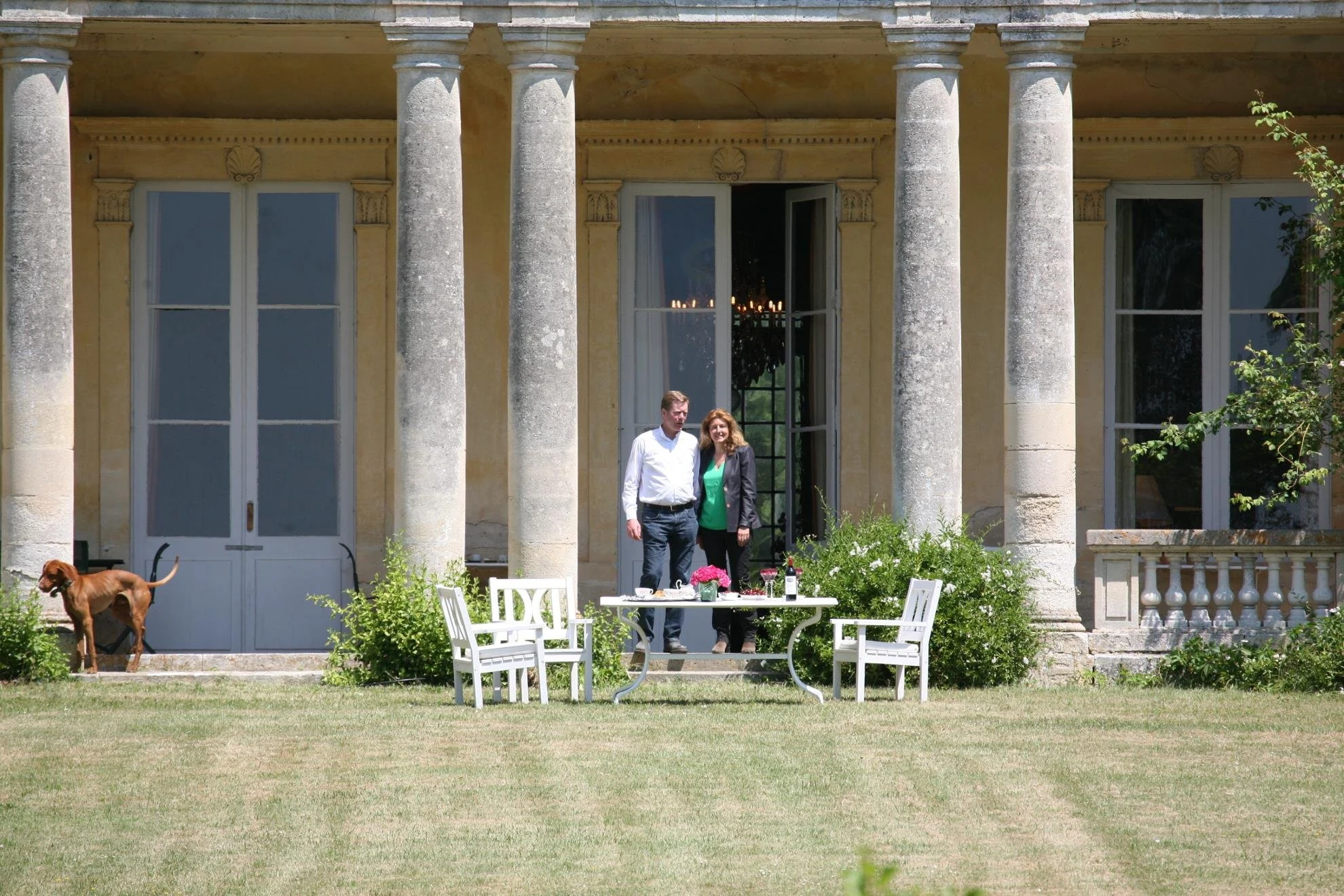
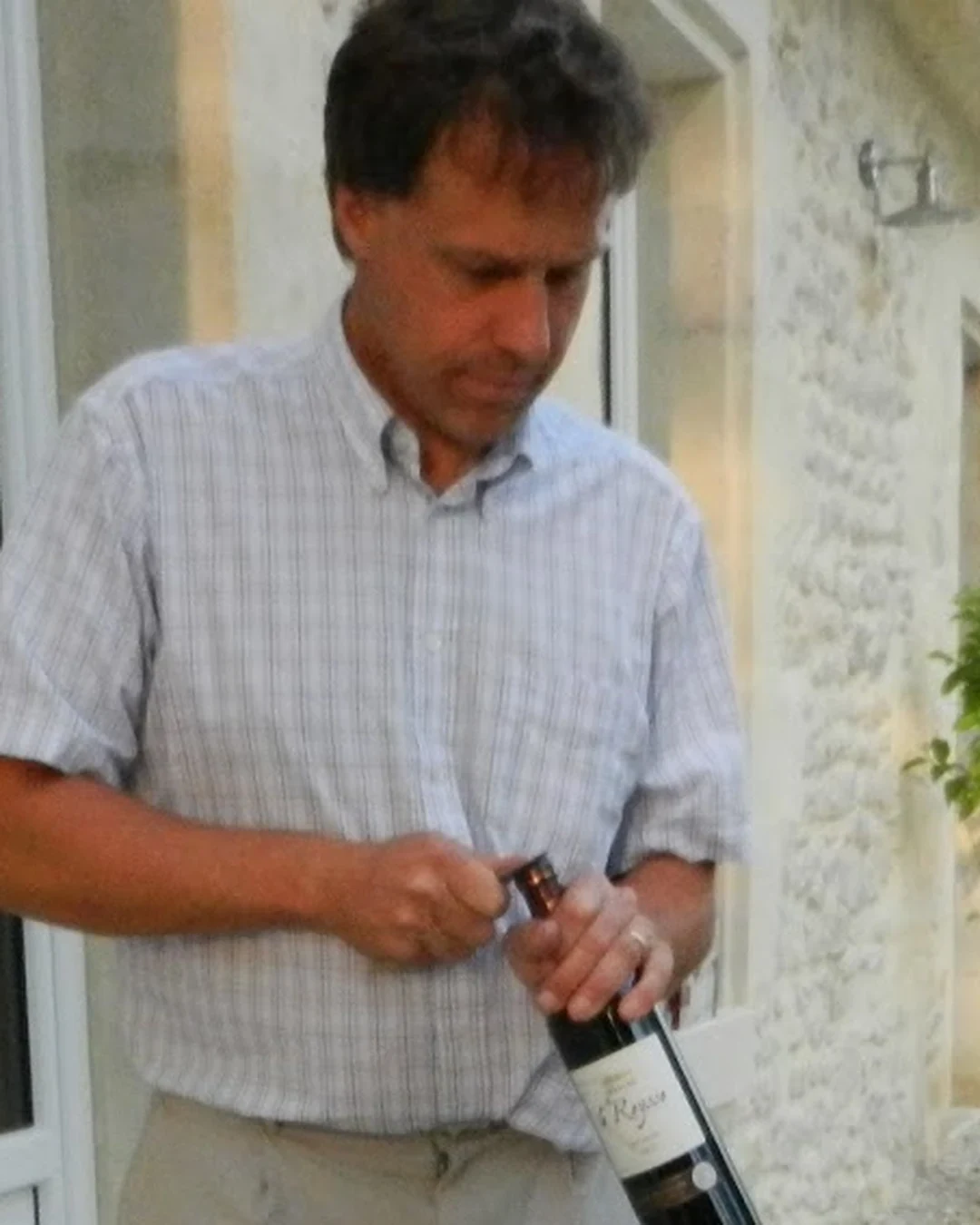
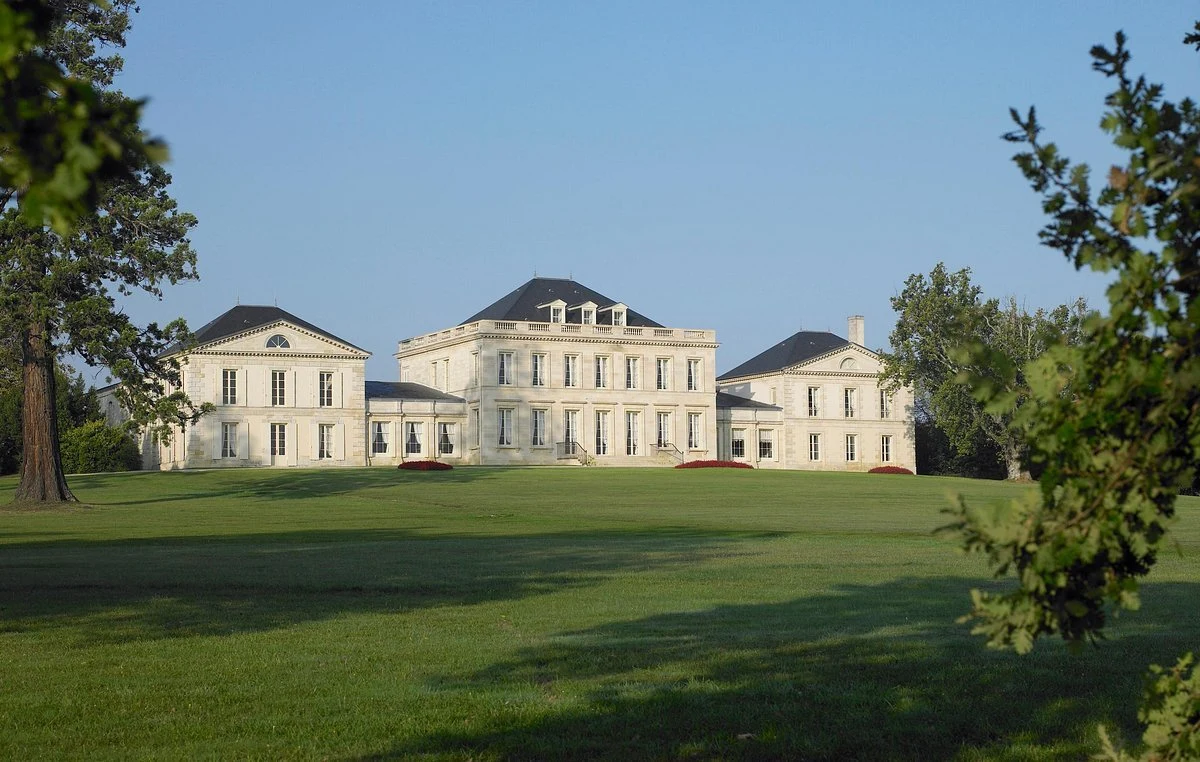
Strict grape selection sets the first limit for Stefan Paeffgen, winemaker at Château Clos du Moulin in Begadan, before the Médoc fruit reaches the cellar. The estate sits within Vignobles Paeffgen, the family group that took over the former Boyer vineyards in 2011, and Paeffgen’s role here is tied to the same regional discipline that has kept him working in Bégadan since 2010. The house itself is older than its present chapter. Its open date is given as 1800, and its Cru Bourgeois history reaches back to 1932, with the classification lost in 2003 and regained in 2011. That kind of chronology matters in the Médoc because a château is never only a label. It is a set of parcels, a cellar routine, and a way of deciding what the fruit can bear. Paeffgen’s training as an agronomist from Cologne gives the vineyard work a technical edge, but the practice remains local in its pressure: gravel by the Gironde, limestone farther inland, Cabernet Sauvignon and Merlot brought to the same table without letting either one flatten the other.
Eleven hectares, two soils
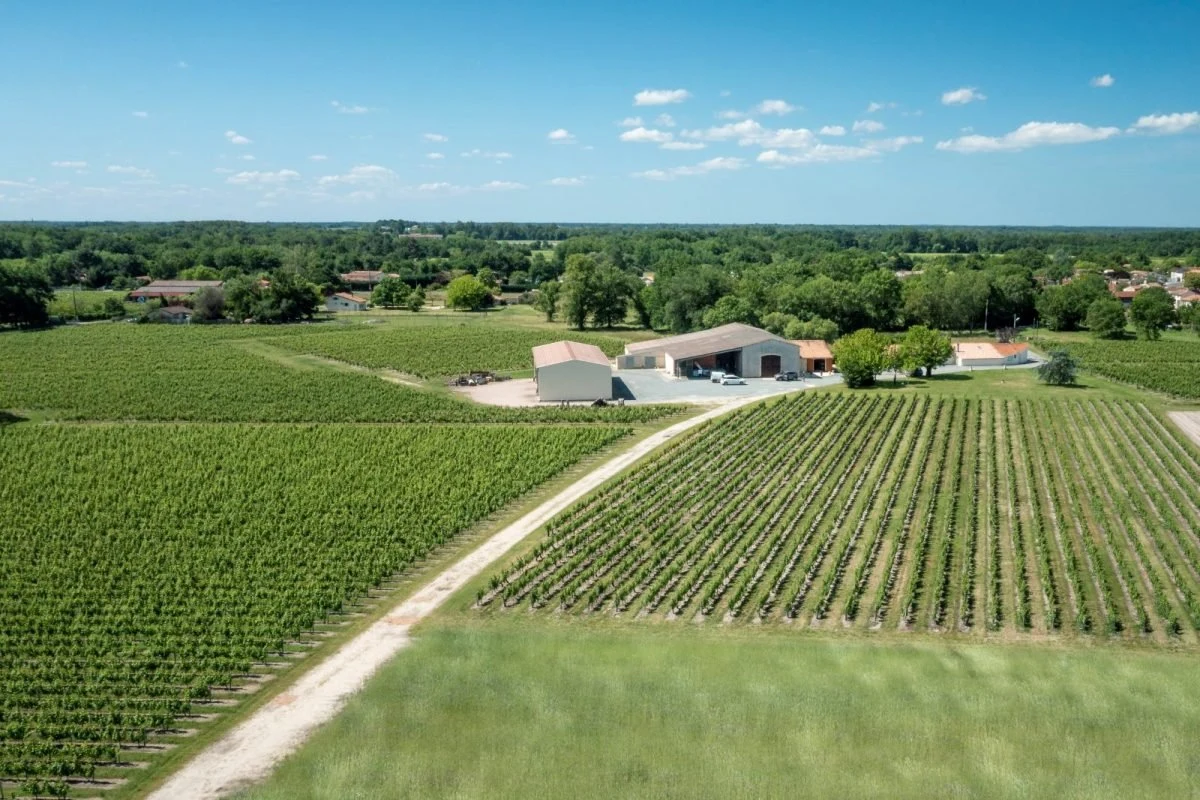
The estate works from 11 hectares of vines, split between Saint-Christoly-en-Médoc and Couquèques. In Saint-Christoly, the gravelly parcels near the Gironde estuary suit Cabernet Sauvignon, giving drainage and warmth to a variety that needs structure before generosity. In Couquèques, limestone plateaus carry Merlot with a different kind of tension. The blend is stated plainly, 50/50 Cabernet Sauvignon and Merlot, and that symmetry gives the cellar its brief. The vineyard is planted at 5,000 vines per hectare, with an average vine age of 30 years. Production is small by Bordeaux measure, approximately 45,000 to 56,000 bottles a year, and the work follows a conventional philosophy rather than a declared natural or biodynamic program. Fermentation uses stainless steel vats and wooden tanks, then the wine moves through élevage with a high proportion of new oak. The estate describes extended maceration, strict selection, deep color, and smooth tannins as part of the method. These are not decorative choices. They are the architecture of a Médoc red built for fruit, frame, and cellar time.
A working château, not a stage
The room here is the cellar, the vineyard, the practical passage between them. Château Clos du Moulin is a traditional Médoc château rather than a visitor-built estate, with a working winery and cellars at the center of its life. The setting keeps its attention on production: gravelly land near the estuary, limestone inland, vats, barrels, and the repetition of seasonal decisions. The noise is low. That quiet suits a place where the main action is not performance but selection, extraction, and aging. In the vaulted cellar, the new oak carries its share of vanilla, spice, and toast into black fruit without being asked to do the whole work. The final blend leaves the cellar under the Château Clos du Moulin name.
Questions
Frequently asked
Who makes the wine at Château Clos du Moulin?
Stefan Paeffgen is the winemaker at Château Clos du Moulin, and he has worked in Bégadan since 2010. His training is in agronomy from Cologne, and his work here is tied to the estate’s vineyard and cellar routine.
What grapes are grown here?
The estate works with Cabernet Sauvignon and Merlot. The blend is stated as 50/50, with Cabernet Sauvignon on the gravel parcels near the Gironde estuary and Merlot on the limestone plateaus inland.
What is Château Clos du Moulin known for?
It is a traditional Médoc château with a long history, opening in 1800. Its Cru Bourgeois history dates back to 1932, was lost in 2003, and was regained in 2011. The house also works with strict grape selection, extended maceration, and high proportions of new oak.
Do visits need to be booked in advance?
Yes. The reservation policy is appointment only.
Is there parking on site?
Yes. There is an on-site lot.
The field
How it compares
| Place | Notes |
|---|---|
| Château Clos du Moulin | Médoc, $$ |
| Château La Branne | Begadan |
| Château la Roque de By | Begadan |
| Château Labadie | Begadan |
| Chateau Laujac | Begadan |
| Château Patache d'Aux | Begadan |
| Château Plagnac | Begadan |