Château Pontet Barrail
- 01CityBegadan, France

- Falstaff Winery - Listed · 2026
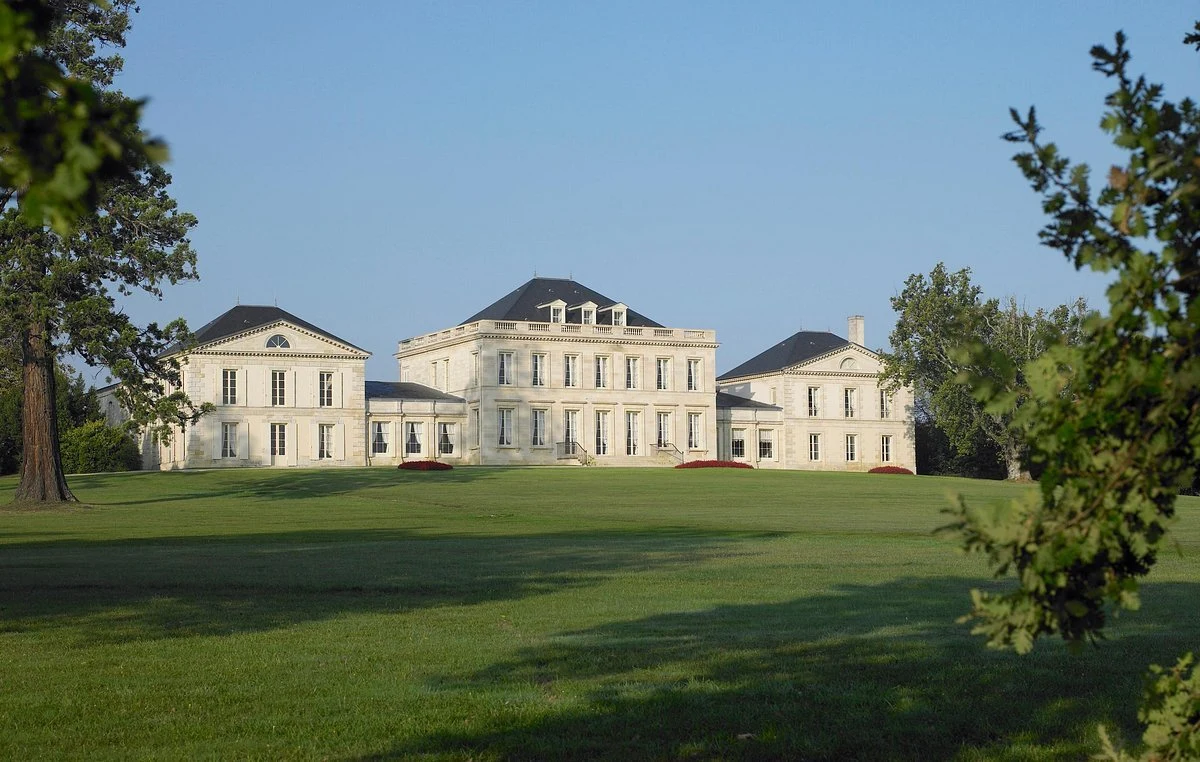
Château Pontet Barrail in Begadan is best understood as a traditional Médoc cru bourgeois estate rather than a design-led destination. The picture is focused and rural: a property whose identity is tied to vineyard work, local soils, and structured, fruit-forward red wines. For travelers using Begadan as a Médoc stop, that makes the château a classic wine-country reference point rather than a venue defined by hospitality extras. Its value, in editorial terms, lies in that clarity: this is a place to read through the lens of the Médoc, not through a checklist of lifestyle features.
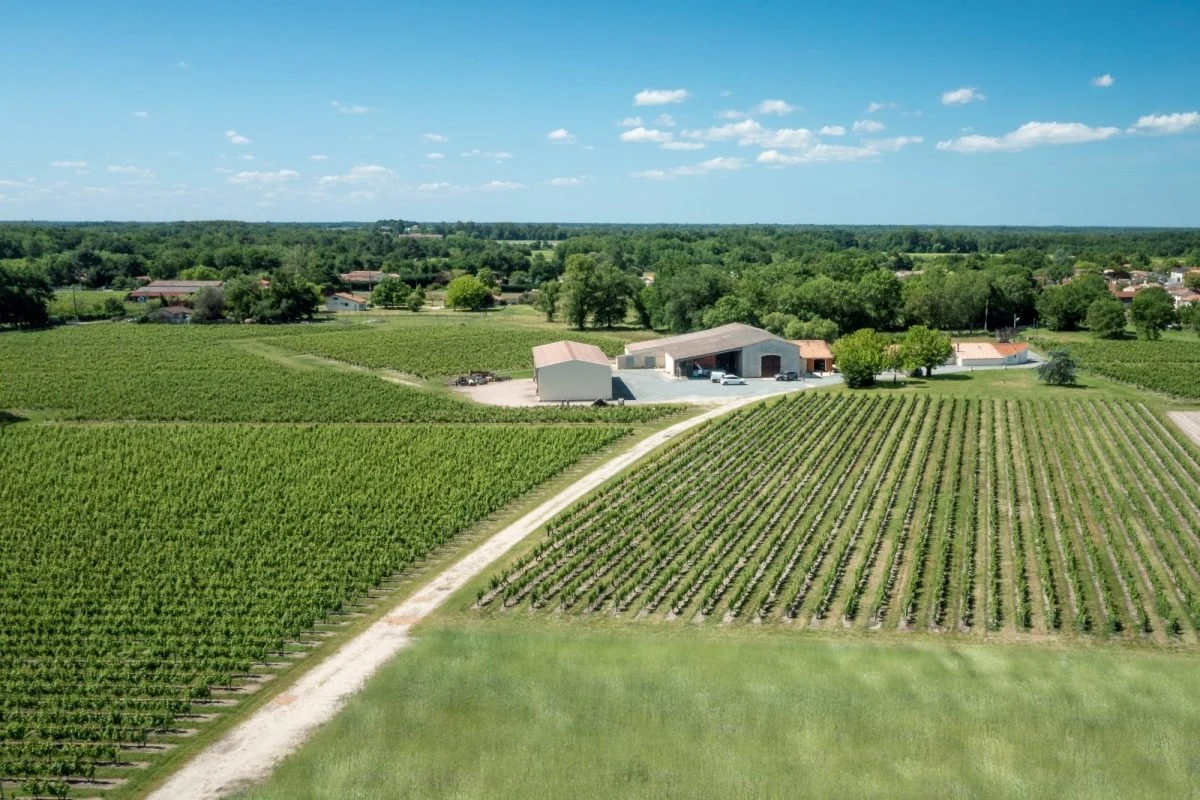
The core detail is terroir. Château Pontet Barrail is associated with clay-limestone and sandy-gravelly soils, a combination that fits the broader Médoc conversation around structure, drainage, freshness, and red-wine shape. What can be said with confidence is simpler: this is a Begadan cru bourgeois estate whose public identity centers on expressing its soils through structured, fruit-forward red wine. That gives the venue a direct sense of place, rooted in land, classification, and regional style.
Clay, gravel, and the northern Médoc's firm red-wine grammar
Médoc terroir is often discussed through gravel, clay, and the way those soils influence red wines. Château Pontet Barrail fits that frame through its clay-limestone and sandy-gravelly terroir. The estate’s appeal comes from that grounded, agricultural identity: the wine is presented as structured and fruit-forward, with a style that reads as classic rather than experimental. In that context, the soils are not decorative background information; they are the main language used to describe why the wines belong so clearly to this part of Bordeaux.
Because the public record here is narrow, it is important not to turn the château into something more specific than the evidence supports. Claims about precise vineyard area, vine age, pruning, yields, individual grape proportions, barrel regime, flavor notes, medals, or vintage pricing are not included in the data. The reliable editorial angle is therefore the relationship between Begadan, the Médoc cru bourgeois context, and a red-wine style shaped by clay-limestone and sandy-gravelly soils. That narrower angle is also the most useful one, because it keeps attention on what is actually documented rather than on assumptions borrowed from other estates.
Cru bourgeois is the key category readers can use to place Château Pontet Barrail. In practical terms, it signals a traditional Médoc estate working within a recognized regional framework, without needing to position the property through grander or accolades. The château’s character, as here, is classic and rural: a vineyard-first address where the emphasis stays on terroir and red-wine structure. For a traveler, that means the appeal is less about spectacle and more about understanding a modest, regionally grounded expression of Médoc wine culture.
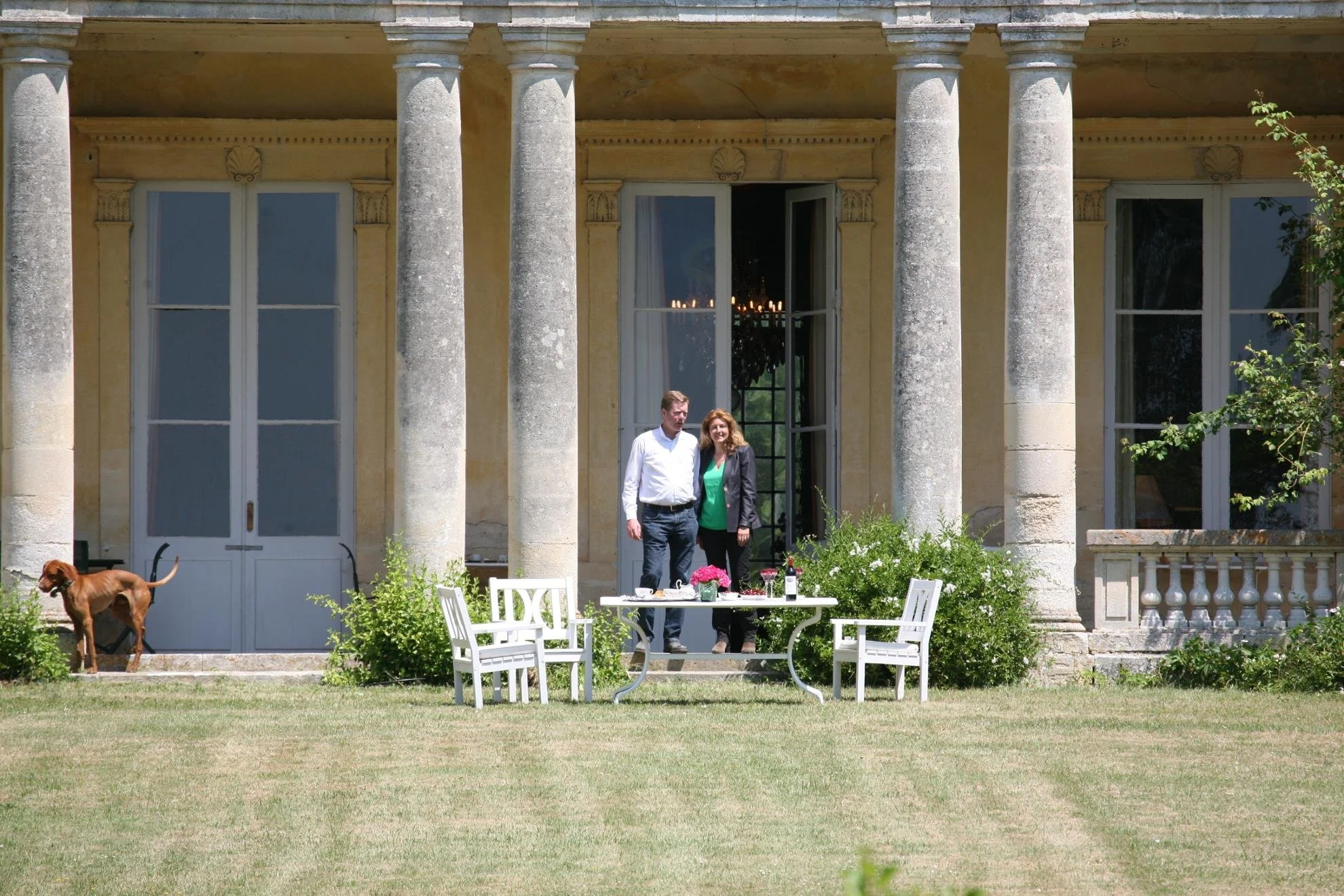
A family-run cellar door where the vineyard remains the main event
Rather than invent those details, the better reading is restrained: Château Pontet Barrail should be approached as a traditional Begadan wine estate whose main point of interest is the vineyard and the wine’s relationship to its soils. The absence of extra confirmed detail does not weaken the profile; it simply narrows it to the fundamentals of place, farming, and red-wine expression.
That restraint is useful for planning. If a visitor is considering Château Pontet Barrail, the most dependable reason to focus on it is not a list of amenities, but the chance to understand a rural Médoc cru bourgeois estate through its classic red-wine identity. The feel is not described here as urban, luxury-driven, or highly designed; the profile is agricultural, traditional, and soil-led. It is best evaluated on those terms, with expectations set around the wine-country context rather than around broader destination polish.
The price level is listed as $$, which places it in a moderate bracket.
How to place it within a Begadan wine itinerary
Begadan is best treated as a working Médoc wine area, and Château Pontet Barrail fits that setting naturally. Its profile points to a classic rural estate rather than a venue built around elaborate visitor services. Travelers comparing options in Begadan can use this as a grounded reference for the cru bourgeois side of the local wine landscape. It works particularly well as a point of orientation: a way to anchor the area’s identity in traditional red wine, local soils, and an estate style that does not need embellishment to make sense.
For itinerary planning, keep the confirmed facts clear: the venue is Château Pontet Barrail in Begadan; the price level is $$; the estate is described as traditional and rural; and its red wines are tied to clay-limestone and sandy-gravelly terroir. Those details are enough to frame expectations accurately and to distinguish the château from venues whose appeal depends more heavily on design, dining, or formal hospitality programming.
The editorial case for Château Pontet Barrail is therefore concise: it offers a classic Médoc cru bourgeois reference point in Begadan, with a focus on structured, fruit-forward red wines and terroir expression. Its strength is the simplicity of that proposition, which keeps the château firmly within the traditional, rural grammar of the Médoc.
Questions
Frequently asked
How expensive is Château Pontet Barrail?
Château Pontet Barrail is listed at a price level of $$.
The field
How it compares
| Place | Notes |
|---|---|
| Château Pontet Barrail | Begadan, $$ |
| Château Clos du Moulin | Begadan |
| Château La Branne | Begadan |
| Château la Roque de By | Begadan |
| Chateau Laujac | Begadan |
| Château Patache d'Aux | Begadan |
| Château Plagnac | Begadan |