Château de Camensac
- 01CitySaint-Laurent-Médoc, France
- Falstaff Winery - 1 Stars · 2026
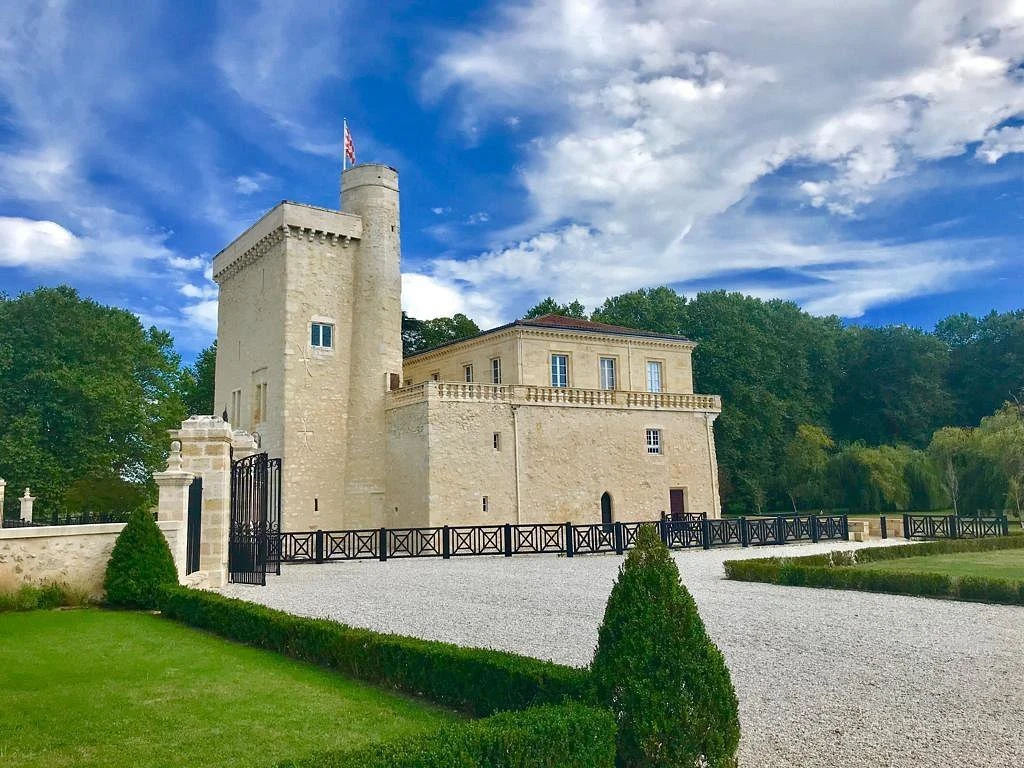
Approaching a Médoc château is rarely just about the building. The gravel underfoot, the low vineyard horizon, and the formal calm of an estate visit all tell the same story before a glass is poured: in Haut-Médoc, land is the argument. Château de Camensac belongs to that old Left Bank grammar, where Cabernet Sauvignon and Merlot are judged by structure, restraint, and their ability to carry time rather than by immediate theatre.
Saint-Laurent-Médoc sits inside a part of Bordeaux where reputation is built slowly. The 1855 classification still shapes the way travelers read these estates, and Camensac’s Fifth Grand Cru Classé status gives the visit a clear historical frame. That matters because the experience is not a casual cellar-door drop-in in the New World sense. It is a guided encounter with a classified-growth property whose identity is tied to gravel soils, château architecture, and the hierarchy of Bordeaux wine.
Gravel, Cabernet and the Haut-Médoc idea of restraint
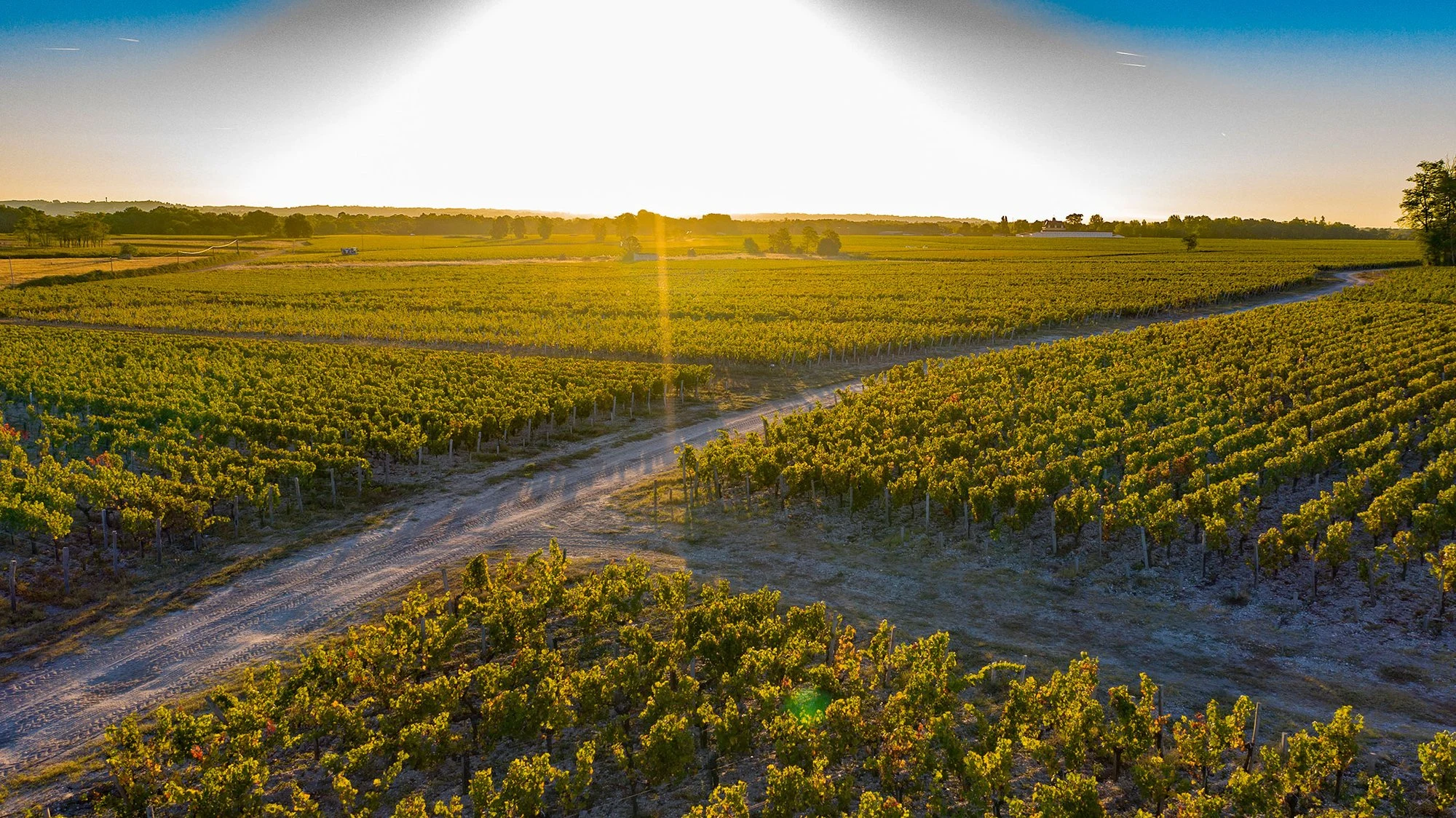
The useful way to read this estate is through its vineyard rather than through decoration. The property works with Cabernet Sauvignon and Merlot, the classic Left Bank pairing, on the gravelly rises of Saint-Laurent-Médoc. In this part of the Médoc, gravel is not a romantic detail; it is the mechanism. It drains quickly, stores warmth, and helps Cabernet reach the structural ripeness that gives Haut-Médoc its familiar spine.
Camensac’s production scale sits in the medium-estate category, with guided tastings and estate visits giving visitors enough context to understand the wine as a product of place. The vineyard work follows a sustainable production philosophy, and the house style is focused on still red wine rather than a broad hospitality catalogue. That narrower focus is useful for travelers who want Bordeaux explained through terroir rather than through lifestyle packaging.
The estate’s modern chapter began in 2005, an ownership marker that matters less as biography than as a sign of how many classified Bordeaux properties have had to reconcile heritage with contemporary precision. In the glass, the relevant question is not whether the château feels old, but whether the wine preserves the Haut-Médoc balance between Cabernet structure and Merlot roundness. The format of the visit helps answer that question through guided tasting, private tasting options, vineyard context, and the estate grounds.
A classified-growth visit without resort theatrics
The atmosphere is classic Bordeaux: quiet, formal, scenic, and more educational than performative. A historic château setting can easily become stagecraft, but the more serious Médoc estates use architecture as context. Here, the point is to connect the visitor to the land and the classification system, not to turn the visit into a spectacle detached from wine.
That makes Château de Camensac a strong fit for travelers who already know the difference between a charming estate and a meaningful appellation visit. The 1855 Fifth Growth classification is the trust signal; the experience adds the practical layer, with guided tasting, private tasting, estate visit formats, outdoor space, and vineyard views. Groups are a sensible match, as are solo visitors using the stop as a focused wine-education anchor in Saint-Laurent-Médoc. Families with young children will find the tone less suited to them, since the experience is built around tasting discipline and quiet estate atmosphere.
Food pairing is part of the hospitality offer, which is useful in a region where tannin, texture, and local dining traditions have always spoken to one another. The château’s price positioning sits in the premium tier, so the visit makes more sense as a deliberate appointment than as an incidental stop between villages. Smart casual dress fits the room’s tone without requiring formality for its own sake.
How to place it within a Saint-Laurent-Médoc wine day
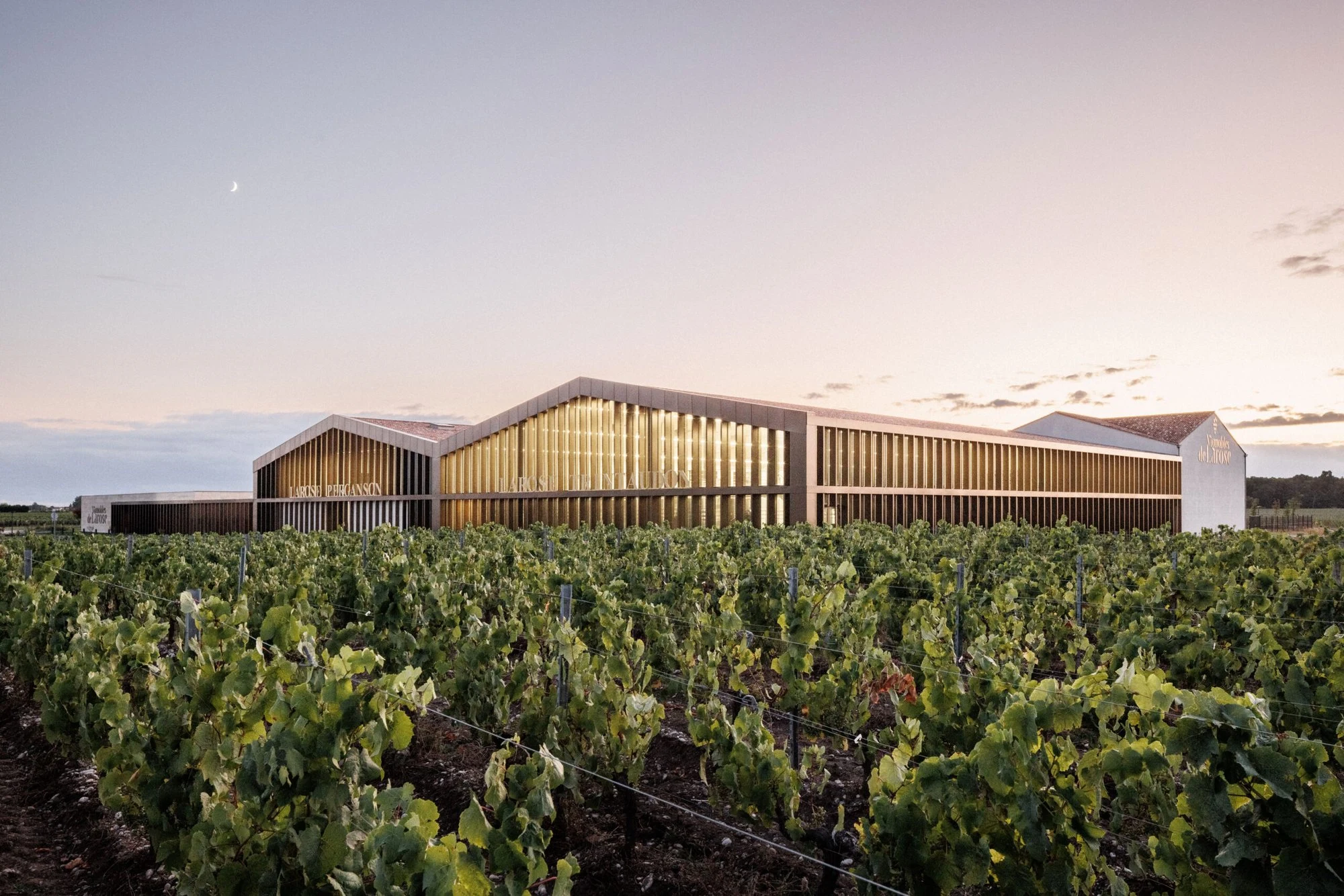
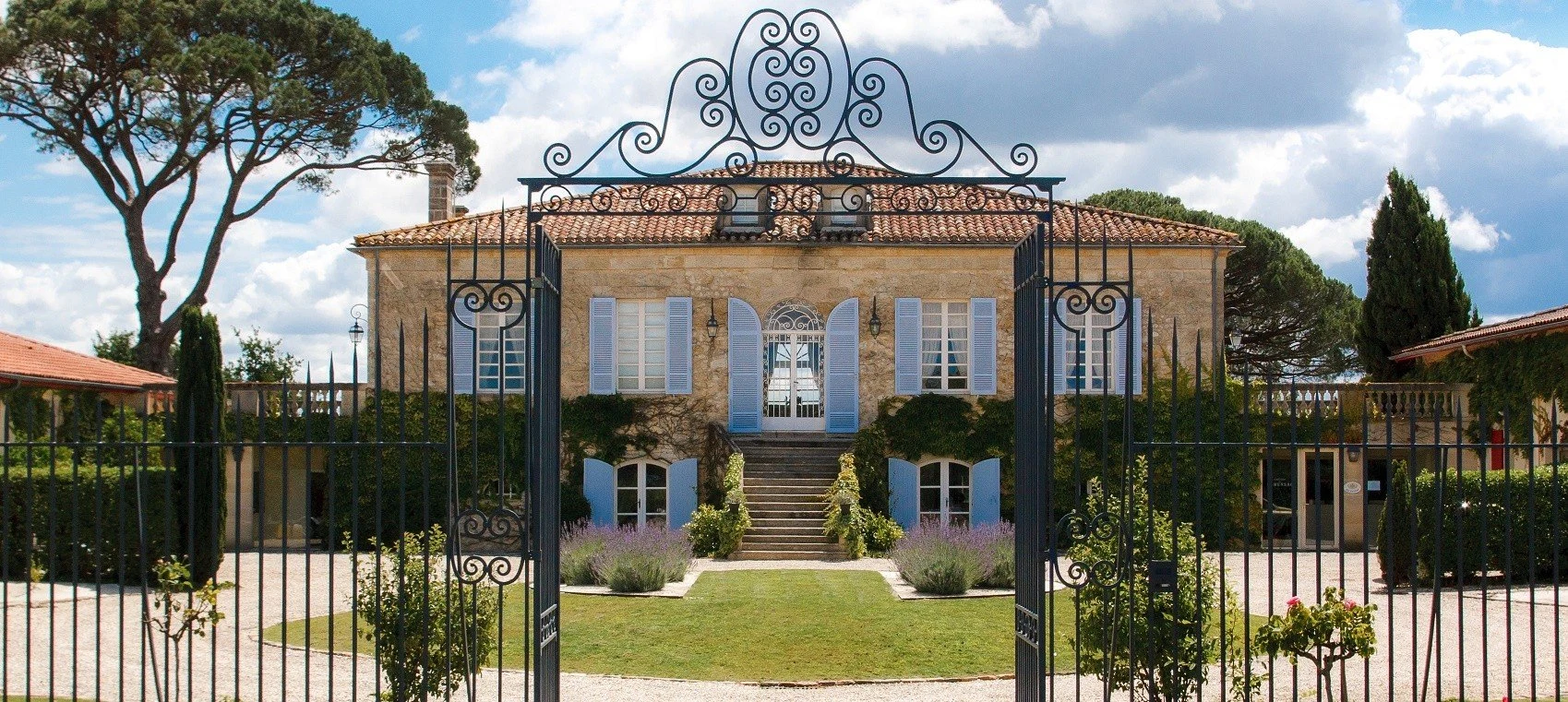
Saint-Laurent-Médoc rewards travelers who plan by rhythm rather than distance alone. One classified-growth visit can anchor the day, then the surrounding commune can fill in the broader picture of Haut-Médoc production, from château estates to less formal local names. For a wider local map, use Our full Saint-Laurent-Médoc wineries guide, then cross-check nearby options such as Château Balac, Château Caronne Sainte Gemme, Château Larose Perganson, Château Larose-Trintaudon, and Château Les Landes de Cach.
The wider trip works better when wine is not the only category on the itinerary. Saint-Laurent-Médoc is compact enough that lodging, dining, and evening plans should be sorted before committing to tasting times. The practical companion pages are Our full Saint-Laurent-Médoc restaurants guide, Our full Saint-Laurent-Médoc hotels guide, Our full Saint-Laurent-Médoc bars guide, and Our full Saint-Laurent-Médoc experiences guide.
For travelers building a broader France-and-Europe wine itinerary, Camensac also belongs in a useful contrast set: Bordeaux classification and Cabernet-led structure on one side, other regional traditions on the other. Champagne, southern French abbey estates, Languedoc houses, Austrian lake-country producers, and German urban wine stops all sharpen the point by difference. See A. Margaine in Villers-Marmery, Abbaye de Fontfroide in Narbonne, Abbotts & Delaunay in Marseillette, »der Steiner« Hans Steiner in Podersdorf am See, and & Handwein in Mannheim.
The editorial case for Château de Camensac is precise: visit for a classified Haut-Médoc reading of gravel, Cabernet Sauvignon, Merlot, and château culture, not for novelty. Bordeaux can overwhelm visitors with hierarchy, labels, and inherited prestige. A focused estate visit here turns that hierarchy into something more legible: soil, classification, cellar discipline, and the calm pace of a serious Left Bank tasting.
Questions
Frequently asked
How expensive is Château de Camensac?
Château de Camensac is listed at a price level of $$$.
The field
How it compares
| Place | Notes |
|---|---|
| Château de Camensac | Saint-Laurent-Médoc, $$$ |
| Château Balac | Saint-Laurent-Médoc |
| Château Caronne Sainte Gemme | Saint-Laurent-Médoc |
| Château Larose Perganson | Saint-Laurent-Médoc |
| Château Larose-Trintaudon | Saint-Laurent-Médoc |
| Château Les Landes de Cach | Saint-Laurent-Médoc |
| Château Peyrat-Fourthon | Saint-Laurent-Médoc |
Similar places
Château Balac
Saint-Laurent-Médoc, France
Château Caronne Sainte Gemme
Saint-Laurent-Médoc, France
Château Larose Perganson
Saint-Laurent-Médoc, France
Château Larose-Trintaudon
Saint-Laurent-Médoc, France
Château Les Landes de Cach
Saint-Laurent-Médoc, France
Château Peyrat-Fourthon
Saint-Laurent-Médoc, France