Château Dillon
- 01CityBlanquefort, France
- Falstaff Winery - Listed · 2026
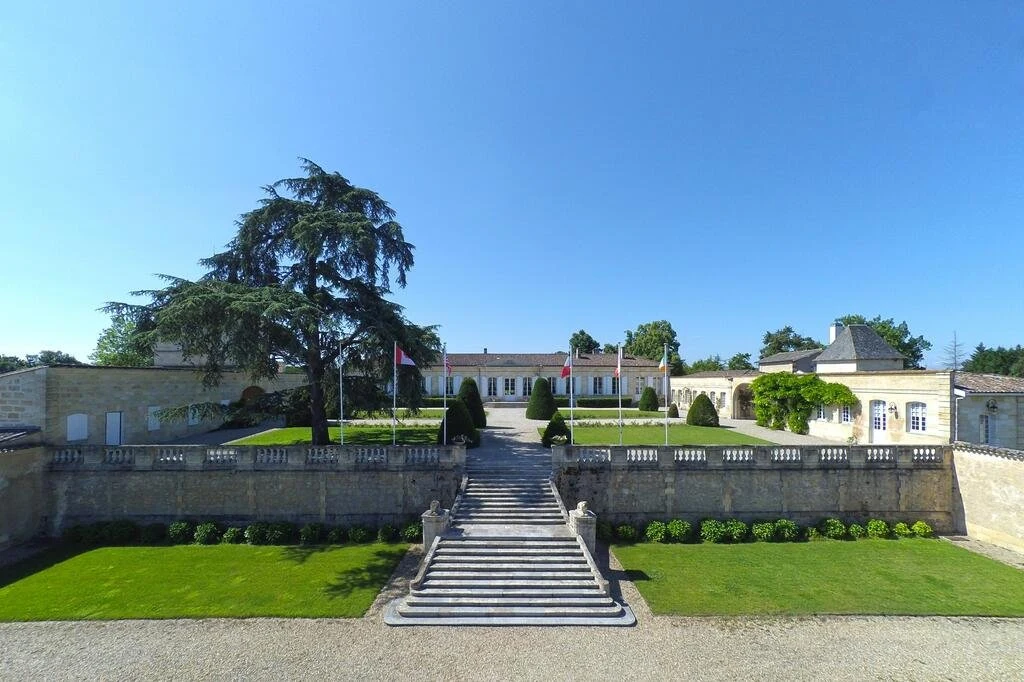
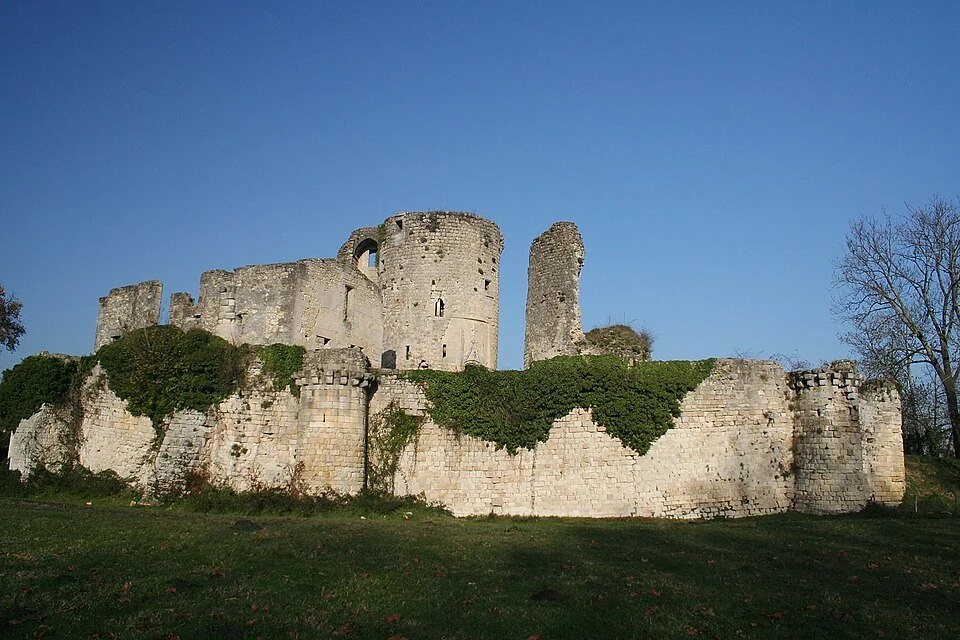
Château Dillon in Blanquefort is best approached as a historic Médoc château with a working winery atmosphere. Its appeal lies less in a checklist of visitor promises and more in the character of the place: a château environment where wine culture, cellar work and practical learning sit close together.
Rather than relying on claims about specific tastings, awards, vineyard size, grape varieties, tours or visitor services, the most reliable way to describe Château Dillon is as a classic château environment connected to practical wine education and winery work in Blanquefort. That restraint matters, because the venue is best understood through what is clearly supported: a historic setting, a wine-producing context and an educational identity rooted in viticulture and sustainable practice.
Historic Médoc setting with an educational focus
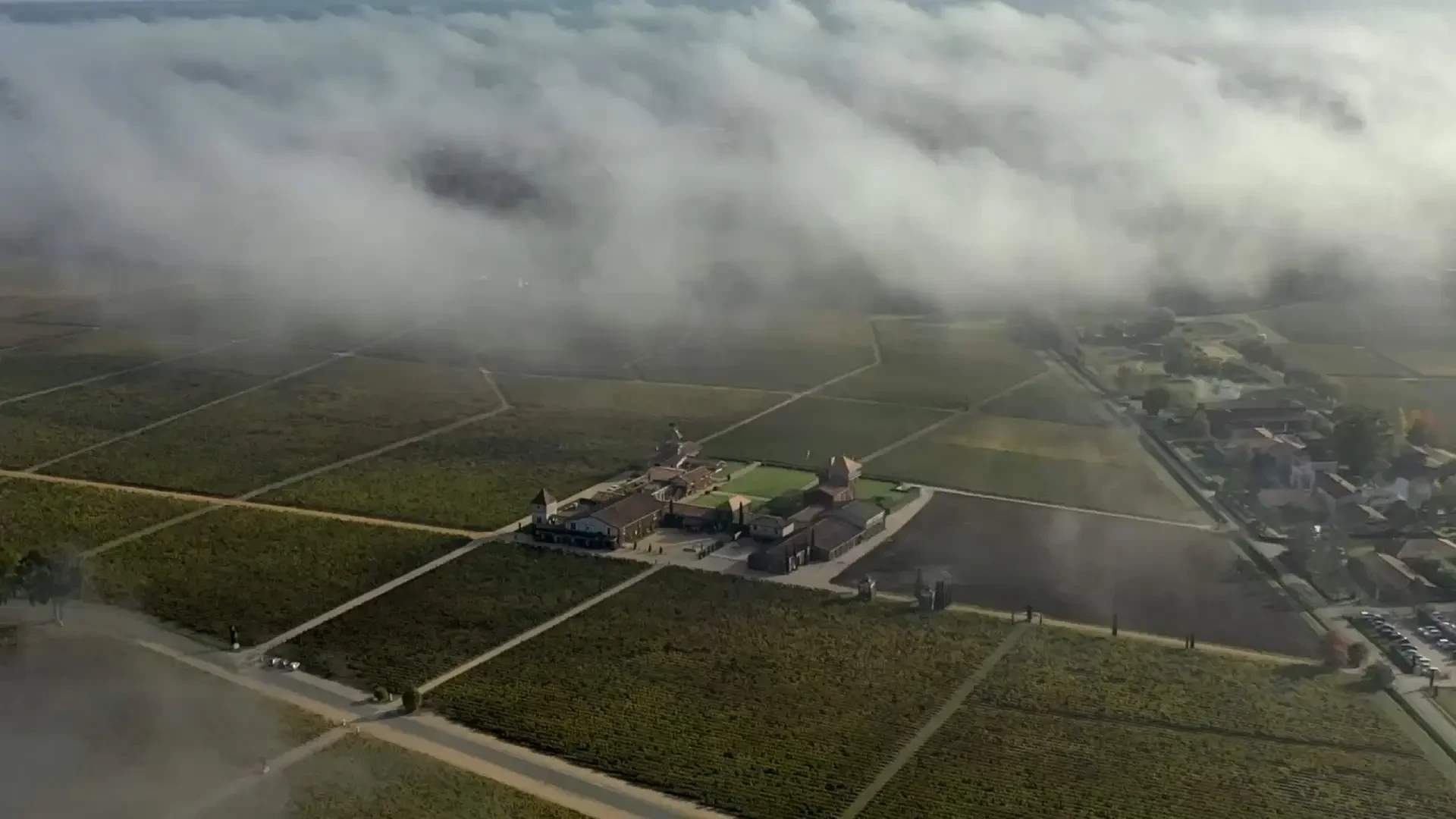
The defining feature of Château Dillon is its combination of traditional cellar character and a working winery atmosphere. The setting is historic and scenic, but its identity is also practical: the emphasis is on viticulture training and sustainable practices rather than on a luxury hospitality script. In that sense, the château reads as a place where the landscape and buildings are not simply a backdrop, but part of a broader culture of learning about wine.
That makes the venue most compelling for visitors who are interested in how a Médoc wine property functions as a place of learning. The information supports a picture of vineyard and cellar culture being treated as a craft to be studied, practiced and explained. The point is not just that the property looks like a château, but that its atmosphere is tied to the everyday disciplines of winegrowing and winery work.
For that reason, Château Dillon is worth thinking about differently from a purely leisure-driven wine stop. The experience suggested by the available information is quieter and more grounded: historic surroundings, a practical wine context and an educational purpose. Visitors drawn to the working side of wine may find that this is the most meaningful way to frame the venue.
Those details should be checked directly before planning a visit.
A château with a working-winery character
Château Dillon’s atmosphere is classic, historic, rustic and iconic, with the feel of a traditional Médoc property rather than a purely decorative estate. The educational dimension is central: the venue is associated with viticulture training and a sustainable approach to winery practice. This gives the château a more functional identity than a venue built only around presentation, comfort or spectacle.
Within the limits of information, the most grounded description is simple: Château Dillon offers a historic château setting in Blanquefort where the working life of a winery and the teaching of viticulture are part of the identity. The value of that description is that it keeps the focus on the elements that are actually supported, while still giving a clear sense of why the venue may interest wine-minded visitors.
The phrase working-winery character is important here. It suggests an atmosphere shaped by production, training and practical knowledge, not merely by the romance of château architecture. The rustic and traditional qualities sit alongside the educational purpose, creating a profile that is more about wine culture in use than wine culture as display.
No confirmed awards, scores, production statistics, grape varieties, founding dates or formal classifications are available in the data provided here, so those claims should not be treated as established facts in this guide. The absence of those details does not make the venue less interesting, but it does mean the description should stay careful and avoid turning general château appeal into unsupported specifics.
How to read the visit in Blanquefort
For planning purposes, Château Dillon belongs to the wine and heritage side of Blanquefort rather than to a dining-focused itinerary. It may suit travellers who value historic settings, winery atmosphere and the educational side of viticulture. The venue is best framed as part of a broader interest in Médoc wine culture and the practical environments that sustain it.
Other dining or drinking options in Blanquefort can be considered separately, but Château Dillon’s appeal is its château-and-winery context. The safest expectation is a scenic, traditional and practical environment shaped by wine education and sustainable practices. Visitors should not assume a particular format, service style or programme unless those details have been confirmed with the venue itself.
This makes Château Dillon especially relevant for travellers who prefer context over polish: people interested in the relationship between place, training and wine work, rather than only in a conventional hospitality experience. Its strengths, as presented here, are atmosphere, heritage and the sense of a winery identity that remains connected to learning.
The editorial verdict: Château Dillon is a grounded choice for visitors interested in a historic Médoc château setting with a working winery and viticulture-training identity. For any specifics beyond that, including hours, booking process, tours or tastings, confirm directly with the venue.
Questions
Frequently asked
How expensive is Château Dillon?
Château Dillon is listed at a price level of $$.
The field
How it compares
| Place | Notes | Awards |
|---|---|---|
| Château Dillon | Blanquefort, $$ | · |
| Barton & Guestier Château Magnol | Blanquefort | · |
| Château Castel Frères | Blanquefort | · |
| Château de Haut Coulon | Blanquefort | · |
| Château Magnol | Blanquefort | · |
| Château Smith Haut Lafitte | Martillac | World's 50 Best |
| Dom Pérignon | Hautvillers | · |