Château Haut-Chaigneau
- 01CityNeac, France
- Falstaff Winery - Listed · 2026
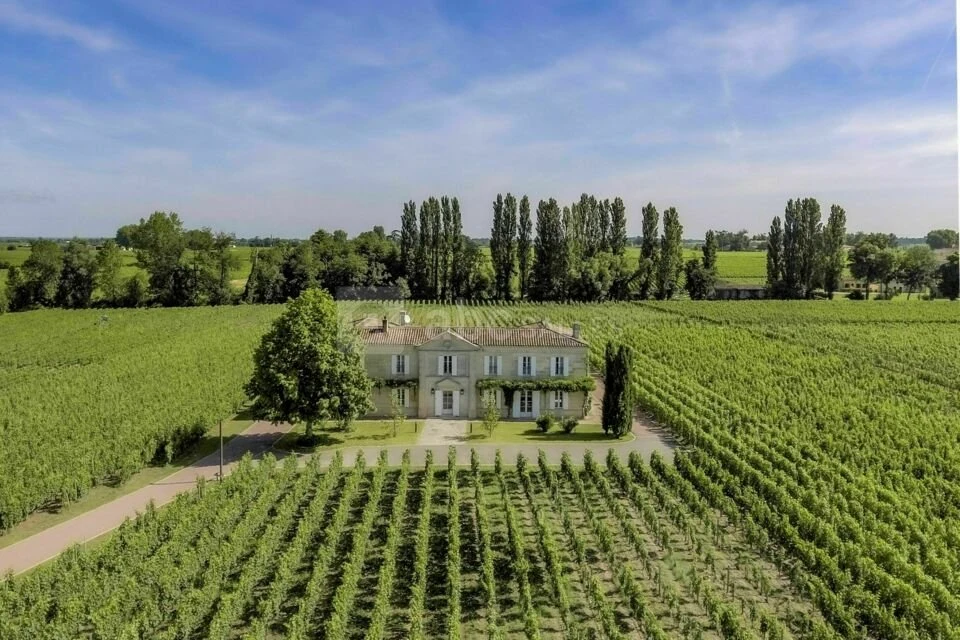
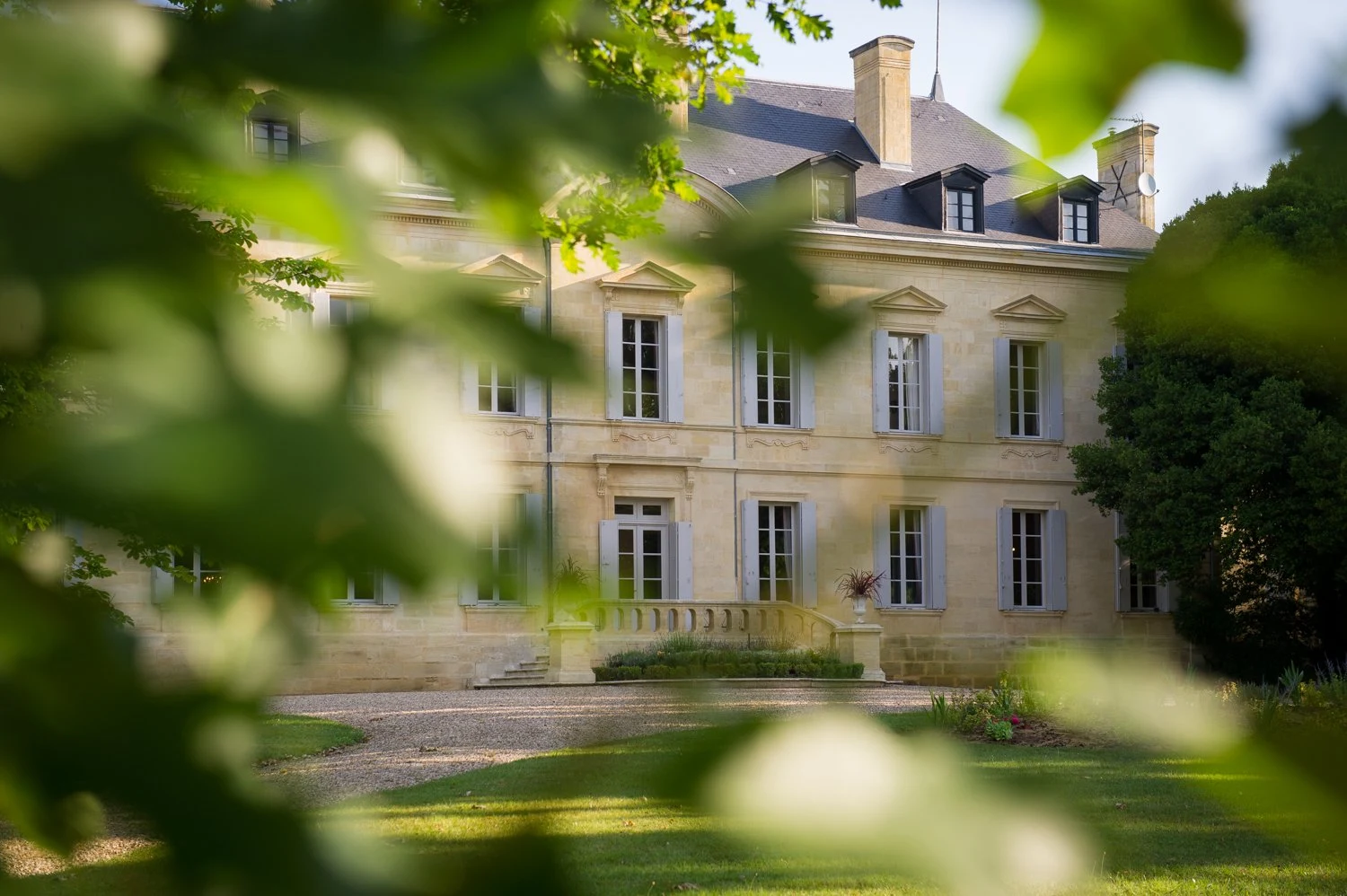
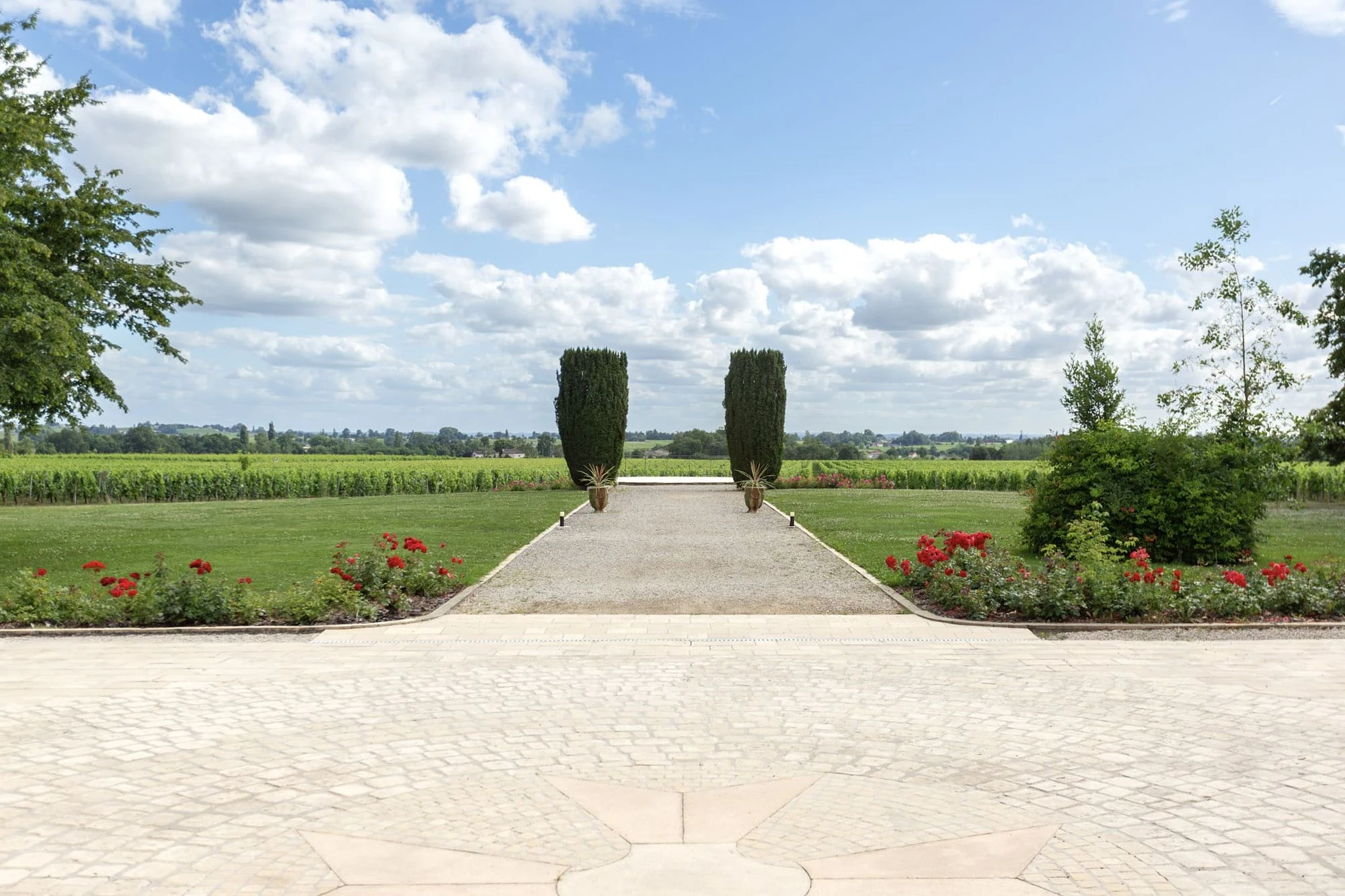
The first impression is not a counter or a cellar door, but space: parkland, vines, château architecture and the quiet formality Bordeaux estates use when they want the land to speak before the label does. In Néac, that matters. Lalande-de-Pomerol is often discussed in relation to its more famous neighbour, but the sharper way to read it is through soil and position: Merlot on clay-limestone, Cabernet Franc used for line and aromatic lift, and estates working in a zone where the plateau’s geology carries much of the argument.
Château Haut-Chaigneau sits inside that Right Bank conversation as part of Vignobles Chatonnet, a 30-hectare family estate focused on still red wine. The flagship blend is 85% Merlot and 15% Cabernet Franc, a proportion that tells the reader more than a dozen adjectives would. This is not a Cabernet-dominant Médoc frame; it is the Right Bank grammar of flesh, structure and plateau-grown depth, with Cabernet Franc acting as a supporting beam rather than the house itself.
Néac's plateau gives the wines their editorial weight
Lalande-de-Pomerol is split by terrain as much as by commune. Lalande brings lower gravel and sand terraces; Néac carries the clay-limestone emphasis that makes the appellation’s more serious wines feel connected to the Pomerol plateau. Château Haut-Chaigneau’s vineyards are described within that Néac setting, with clay, limestone and iron deposits forming the geological case for the estate’s Merlot-led style.
The distinction is useful for travellers because Bordeaux wine tourism can flatten quickly into château façades and cellar visits. Here, the point is not only to see an estate, but to understand why this corner of the Right Bank can produce a different register from broader Bordeaux reds. Merlot is not merely a grape choice in this context; it is the variety that responds to the plateau’s water-retentive clay and limestone structure. Cabernet Franc’s 15% share gives the blend a more defined spine, keeping the wine inside a classical Right Bank frame rather than a soft international red idiom.
Pascal Chatonnet’s association with the estate adds a technical credential without turning the story into biography. In Bordeaux, the oenologist’s role often sits behind the château name, shaping extraction, élevage and blending decisions while the estate identity remains tied to place. Château Haut-Chaigneau and La Sergue, the latter drawing on three terroirs, signal a portfolio built around site interpretation rather than stylistic sprawl.
The visit format favours terroir education over spectacle
The hospitality model follows the traditional château rhythm: grounds, vineyard context, aging cellar and reception spaces, followed by a guided tasting. That sequence is useful because it puts the wine after the place, not before it. A four-wine tasting gives enough range to discuss the estate’s red-wine focus and blending logic without turning the visit into a long technical seminar.
The atmosphere is formal in the Bordeaux sense but not urban-luxury polished: garden views, vineyard perspective, cellar architecture and a quiet estate tempo. The setting works for travellers who want a measured Lalande-de-Pomerol stop rather than a high-volume tasting circuit. It is also a sensible choice for groups interested in wine education, since the estate’s format gives structure to the visit and keeps attention on appellation, soil and blend.
Recognition here is strongest when read within the appellation. The flagship wine has been ranked third among Lalande-de-Pomerol wines by critic-score aggregation, a useful signal in a region where many estates trade on proximity and reputation rather than transparent comparative markers. The 2025 vintage has also drawn a critic note for its dark ruby-garnet colour and opaque core, pointing to concentration in a young Right Bank red. Those details do not make the estate a substitute for Pomerol’s grand names; they make it a sharper lens on what Néac can do at a more accessible rung of the Bordeaux hierarchy.
How to place it in a Neac wine itinerary
For travellers building a local wine day, Château Haut-Chaigneau belongs in the Lalande-de-Pomerol portion of the map, where the emphasis is on Merlot-led reds and the geological continuation of the Right Bank plateau. It pairs naturally with a broader look at the commune through Our full Neac wineries guide, while adjacent planning can be rounded out through Our full Neac restaurants guide, Our full Neac hotels guide, Our full Neac bars guide and Our full Neac experiences guide.
Within Néac, estate-to-estate reading is less about declaring winners than noticing how each property frames the same appellation. Useful local references include Château Altimar, Château Haut-Surget, Château L'Archange, Château La Fleur de Boüard and Château La Fleur Saint Georges. For a wider French and European wine lens, contrast the Right Bank structure with A. Margaine in Villers-Marmery, Abbaye de Fontfroide in Narbonne, Abbotts & Delaunay in Marseillette, »der Steiner« Hans Steiner in Podersdorf am See and & Handwein in Mannheim.
The editorial reason to come is the clarity of the proposition: a family-run Lalande-de-Pomerol estate, a 30-hectare vineyard base, a Merlot-dominant blend and a château visit that keeps the conversation close to terroir. In a region where prestige can drown out analysis, this is the kind of stop that rewards visitors who want to understand the Right Bank from the soil upward.
Questions
Frequently asked
How expensive is Château Haut-Chaigneau?
Château Haut-Chaigneau is listed at a price level of $$.
The field
How it compares
| Place | Notes |
|---|---|
| Château Haut-Chaigneau | Néac, $$ |
| Château La Fleur de Boüard | Neac |
| Château La Sergue | Neac |
| Château Lécuyer | Neac |
| Château Maine Chaigneau | Neac |
| Château Siaurac | Neac |
| Château Tournefeuille | Neac |