Château La Grave Trignant de Boisset

In Residence
Christian Moueix
Winemaker
- 01CityLibourne Cedex, France

- Falstaff Winery - Listed · 2026
Approaching Château La Grave Trignant de Boisset, the emphasis is on restraint rather than spectacle. This is a historic Right Bank Bordeaux estate in Libourne Cedex, framed by the classic language of a château, cellars and Pomerol wine. The picture is deliberately focused: a classic, understated château with renovated cellars, producing elegant and delicate Pomerol wines noted for silky texture, poise and linearity from gravel soils.
For readers mapping the wider area, it helps to treat Libourne Cedex as a wine-country base rather than a single-note destination. Other dining, hotel, bar, winery and experience options in Libourne Cedex can fill out a broader stay, but Château La Grave Trignant de Boisset is best understood through its own quiet identity: an historic Right Bank estate, a romantic château setting and a Pomerol profile that favors balance over display.
Gravel, poise and the quieter side of Pomerol
Château La Grave Trignant de Boisset sits within the emotional vocabulary many visitors associate with the Right Bank: heritage, measured architecture, cellar work and a sense of place that does not need theatrical embellishment. The character of the estate is classic and understated rather than flashy. That matters for travelers who are choosing between different kinds of Bordeaux experiences. Here, the appeal is not a loud hospitality concept or a menu of extra services; it is the coherence of an historic estate whose wines are described through elegance, delicacy and line.
The gravel-soil reference is central to the estate’s identity. In the description, the wines are noted for a silky texture, poise and linearity from gravel soils. Those are useful words because they set expectations without inventing a technical dossier. A visitor or buyer should not expect this page to confirm acreage, blend percentages, production numbers, visit duration, ownership history, barrel program or vintage scores, because those details are not part of the record here. What can be said with confidence is narrower but meaningful: Château La Grave Trignant de Boisset is a Pomerol estate whose style is presented as elegant, delicate, silky and composed.
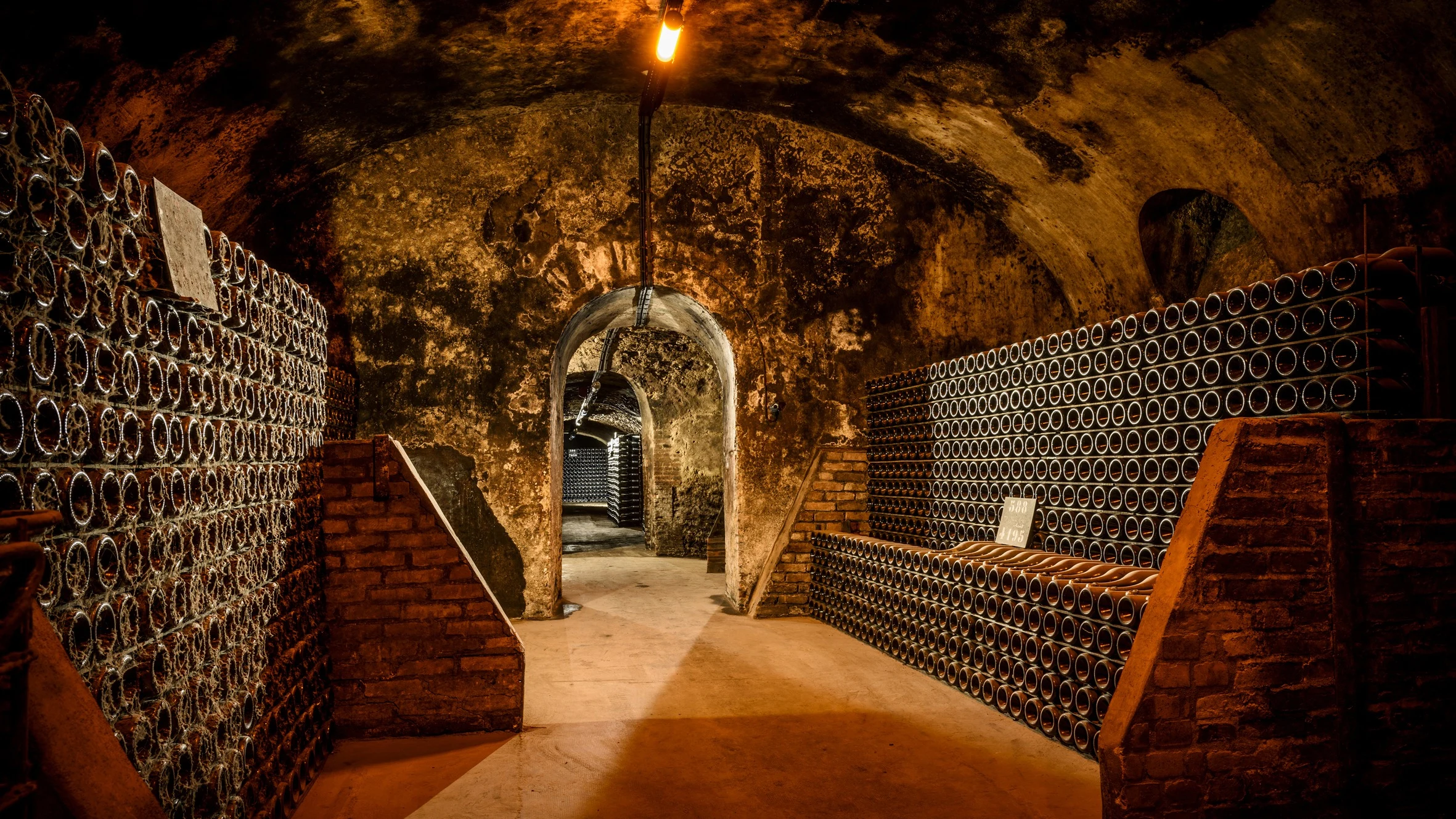
That restraint is also part of the château’s atmosphere. The description points to a classic, understated château and renovated cellars. It suggests a place with historic Right Bank character rather than a venue built around spectacle. The setting reads as elegant, classic, romantic and iconic, which makes it especially relevant for travelers who value mood and heritage as much as breadth of services.
What the bottle tells you about the estate
The most reliable way to describe the wines of Château La Grave Trignant de Boisset is through the stylistic frame: elegant, delicate Pomerol wines with silky texture, poise and linearity. That language is specific enough to distinguish the estate from more opulent or highly extracted impressions of Bordeaux, but it avoids unsupported claims about exact grape composition, cellar aging, critic scores, award history or individual vintages.
For a buyer, this means the attraction is proportion. The wine is presented as Pomerol with a classic Right Bank sensibility: polished but not ostentatious, textural but not described here through weight, and shaped by gravel soils in a way that emphasizes line. The premium price marker, $$$$, also matters. It signals that Château La Grave Trignant de Boisset belongs in a higher-budget category, so the value question should be framed around whether the estate’s elegant and delicate profile is the style of Pomerol you want to explore.
The grounded editorial position is simple: consider Château La Grave Trignant de Boisset for its historic château identity, renovated cellars and poised Pomerol character, not for extras.
The sensory language attached to the estate is compact but useful. Silky texture suggests a wine that speaks through feel as much as aroma. Poise suggests balance. Linearity suggests shape and direction rather than heaviness. Together, those terms make Château La Grave Trignant de Boisset a strong fit for drinkers who appreciate controlled elegance and the quieter side of Pomerol.
Who should put it on a Right Bank itinerary
Château La Grave Trignant de Boisset is a good match for travelers drawn to classic Bordeaux atmosphere. The descriptors, historic, elegant, classic, romantic and iconic, point toward a venue that suits reflective wine-country travel, special occasions and visitors who prefer understated estate character to high-energy production.
It is also a sensible choice for people using Libourne Cedex as a base and looking for a Pomerol reference point with a clear identity. The estate’s strengths are not breadth of amenities or a confirmed visitor program; they are heritage, château atmosphere, renovated cellars and a wine style built around elegance, delicacy, silk and line. That makes the page intentionally leaner than a full-service hospitality listing, but more honest: the confirmed story is about place and wine character.
For broader context, compare Château La Grave Trignant de Boisset with other Libourne Cedex dining and travel options only in general terms. This estate’s role is not to compete as a restaurant, bar or hotel, but to represent a classic Right Bank Bordeaux expression. If your itinerary is built around Pomerol, gravel-soil character and a romantic château setting, Château La Grave Trignant de Boisset is the name to keep in focus.
Questions
Frequently asked
Who works at Château La Grave Trignant de Boisset?
Made By profiles Christian Moueix (Winemaker) at Château La Grave Trignant de Boisset.
How expensive is Château La Grave Trignant de Boisset?
Château La Grave Trignant de Boisset is listed at a price level of $$$$.
The field
How it compares
| Place | Notes | Awards |
|---|---|---|
| Château La Grave Trignant de Boisset | Pomerol, $$$$ | · |
| Billecart-Salmon | Aÿ | World's 50 Best |
| Bodegas Muga | Haro | World's 50 Best |
| Creation Wines | Hermanus | World's 50 Best |
| Domaine Georges Roumier | Chambolle-Musigny | · |
| Domaine Jacques-Frédéric Mugnier | Premeaux-Prissey | · |
| Nyetimber | Horsham | World's 50 Best |