Château Maison Raymond
- 01CitySaint Laurent Du Bois, France
- Falstaff Winery - Listed · 2026
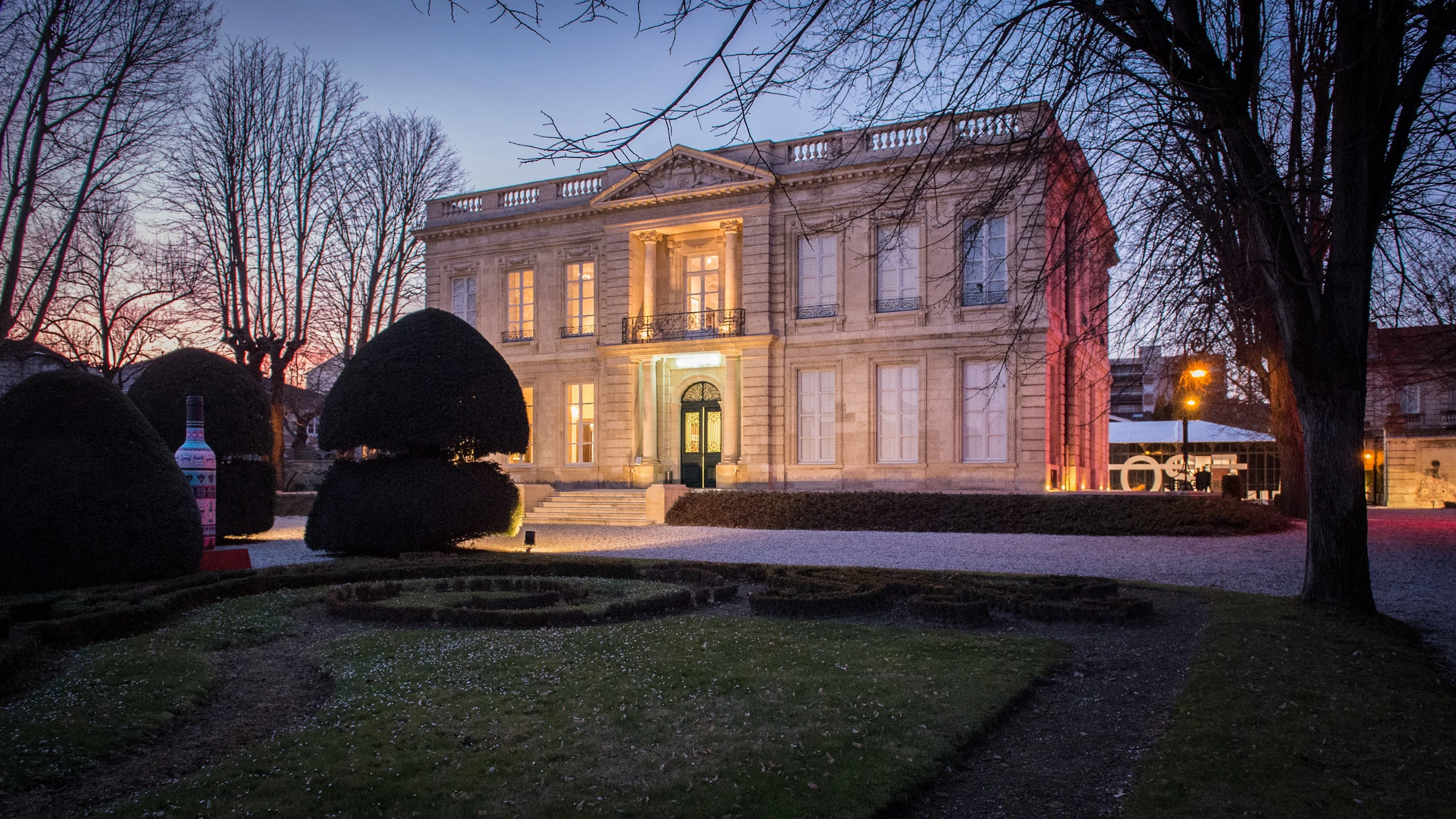
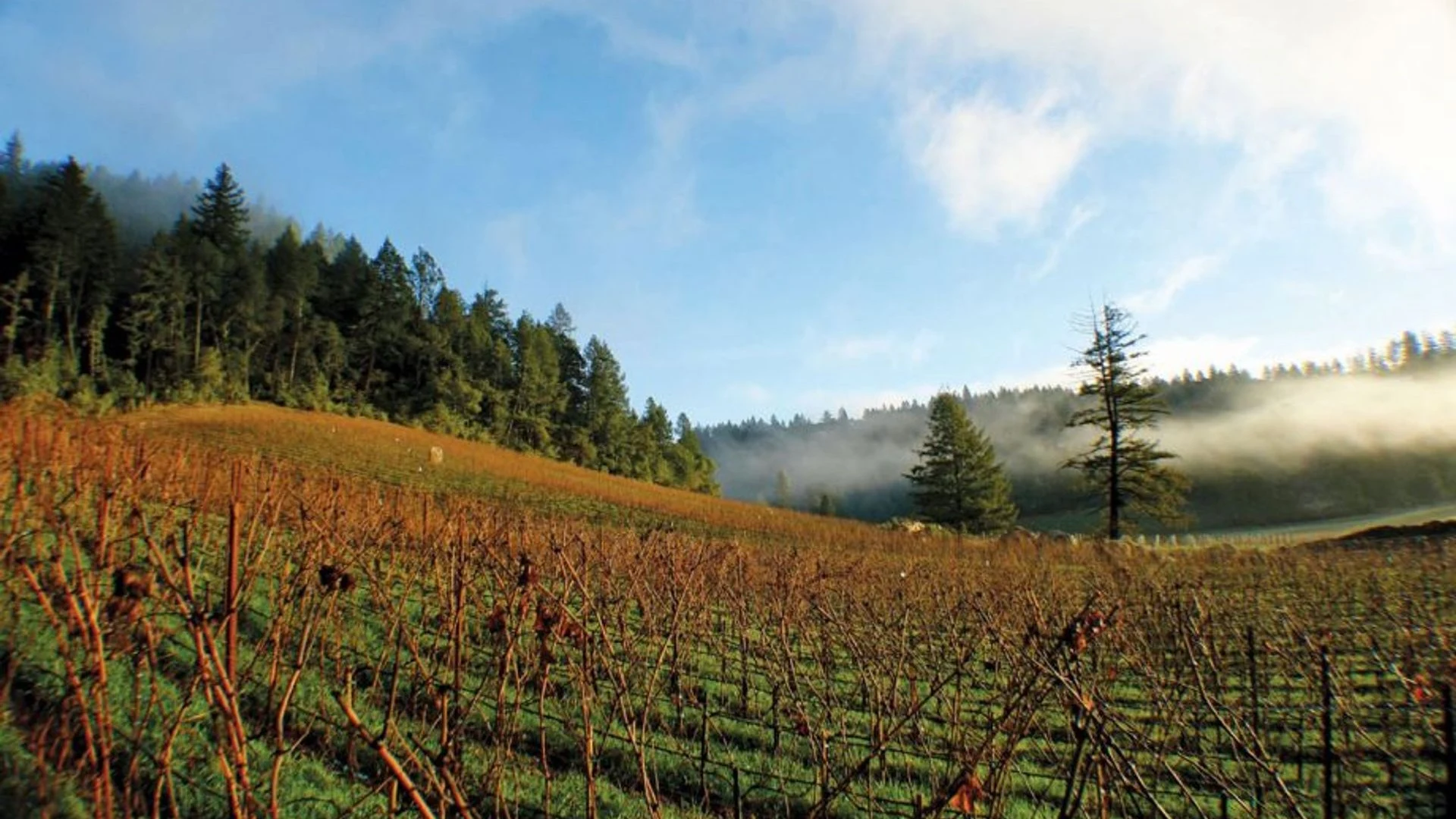
Approach Saint Laurent Du Bois and the mood shifts from postcard Bordeaux to working countryside: vineyard rows, farm buildings, cellars, and the quieter rhythm of Entre-Deux-Mers. This is not the Médoc theatre of gravel drives and classified-growth ceremony. The appeal here is more agricultural and more revealing: how clay-limestone, sand, flint, maritime weather, and scale shape everyday Bordeaux when the estate is built around production rather than display.
Entre-Deux-Mers seen through organic Bordeaux at scale
Entre-Deux-Mers has long been associated with dry whites, particularly Sauvignon Blanc, Sémillon, and Muscadelle, while red Bordeaux blends remain part of the broader regional grammar. Château Maison Raymond sits inside that practical tradition. The estate works with Merlot, Cabernet Sauvignon, Cabernet Franc, Sauvignon Blanc, and Sémillon, a set of varieties that keeps the portfolio anchored in Bordeaux AOC rather than in experimental branding.
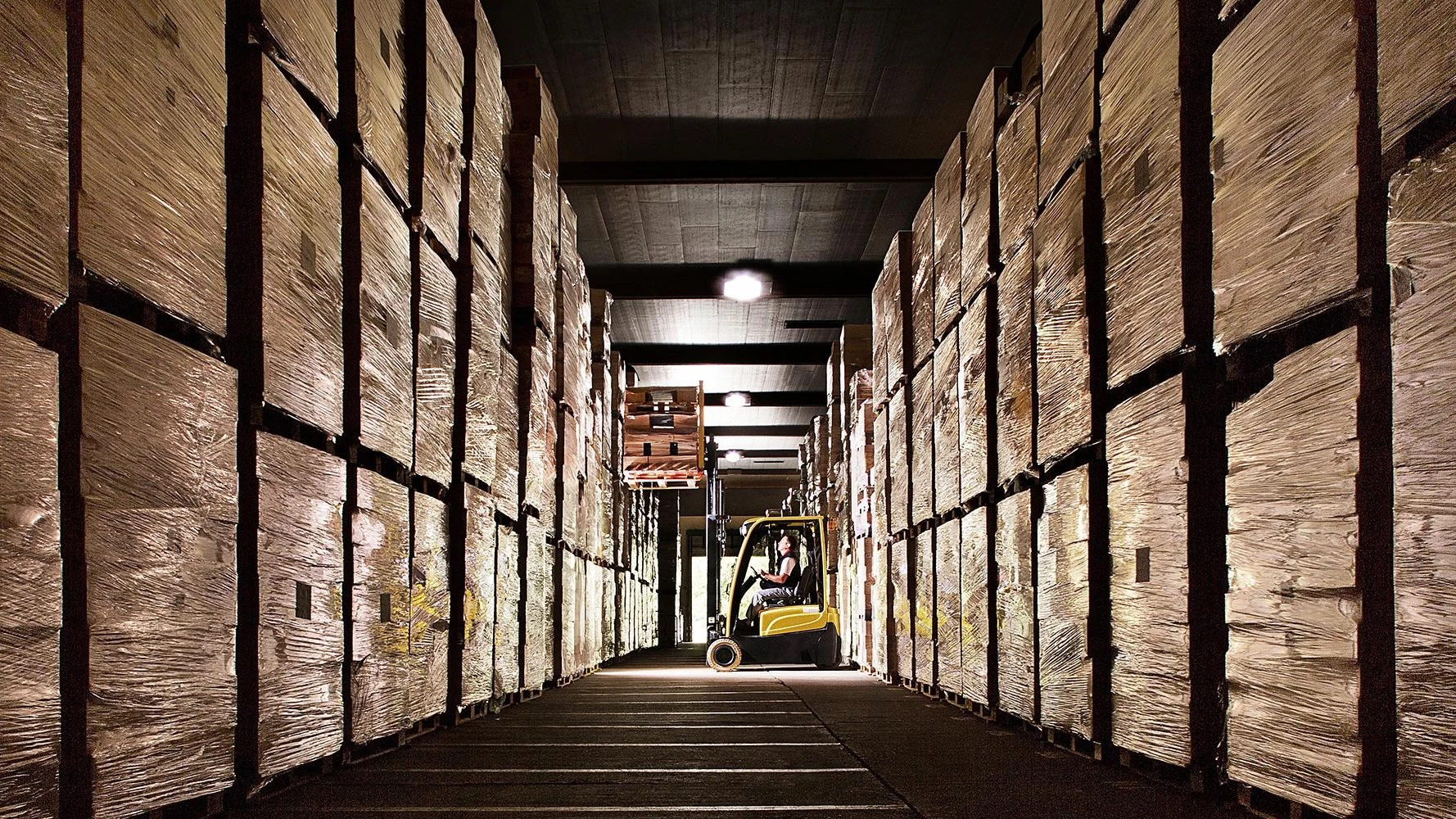
The more interesting point is scale. Organic Bordeaux is often discussed through small domaines, yet this family operation manages more than 400 hectares of certified organic vineyards and produces about one million bottles a year across its holdings. That changes the conversation. The question is not whether organic viticulture can work in a boutique setting; it is whether it can be maintained across a large family-owned estate and négociant model without losing regional identity.
The vineyard spread across Saint-Laurent-du-Bois and nearby Entre-Deux-Mers villages gives the wines a broad soil register. Clay-limestone brings structure, sandy parcels tend to ease texture, and flint-rich ground is especially relevant for the white varieties that define the area’s reputation. The climate is maritime, with mild winters and warm summers, which suits Bordeaux’s need for ripeness without severing acidity. For readers mapping France beyond trophy appellations, this is useful context: Entre-Deux-Mers is not a footnote to Bordeaux, but a working engine for clean, drinkable, regionally legible wines.
A family estate where the cellar matters more than ceremony
Raymond family has been tied to Saint-Laurent-du-Bois since 1850, and the current estate identity is shaped by seven generations rather than a single founder narrative. That matters because Bordeaux often sells continuity as architecture, lineage, or label prestige. Here, continuity is more functional: land under vine, organic conversion, cellar work, and the ability to act as both grower and négociant.
Production model allows estate fruit to sit alongside sourced organic grapes from trusted partners across the Southwest. In less careful hands, that structure can blur identity. In this case, it explains the breadth of the portfolio: still reds, still whites, and rosé, with Bordeaux varieties kept at the center. The estate’s sweet-wine work also reaches toward Monbazillac through L’Étoile de Compostelle, made from Sémillon, Sauvignon Blanc, and Muscadelle affected by noble rot. Its Vivino footprint, 3.5 from more than 25,000 ratings, points less to collector scarcity than to broad consumer reach.
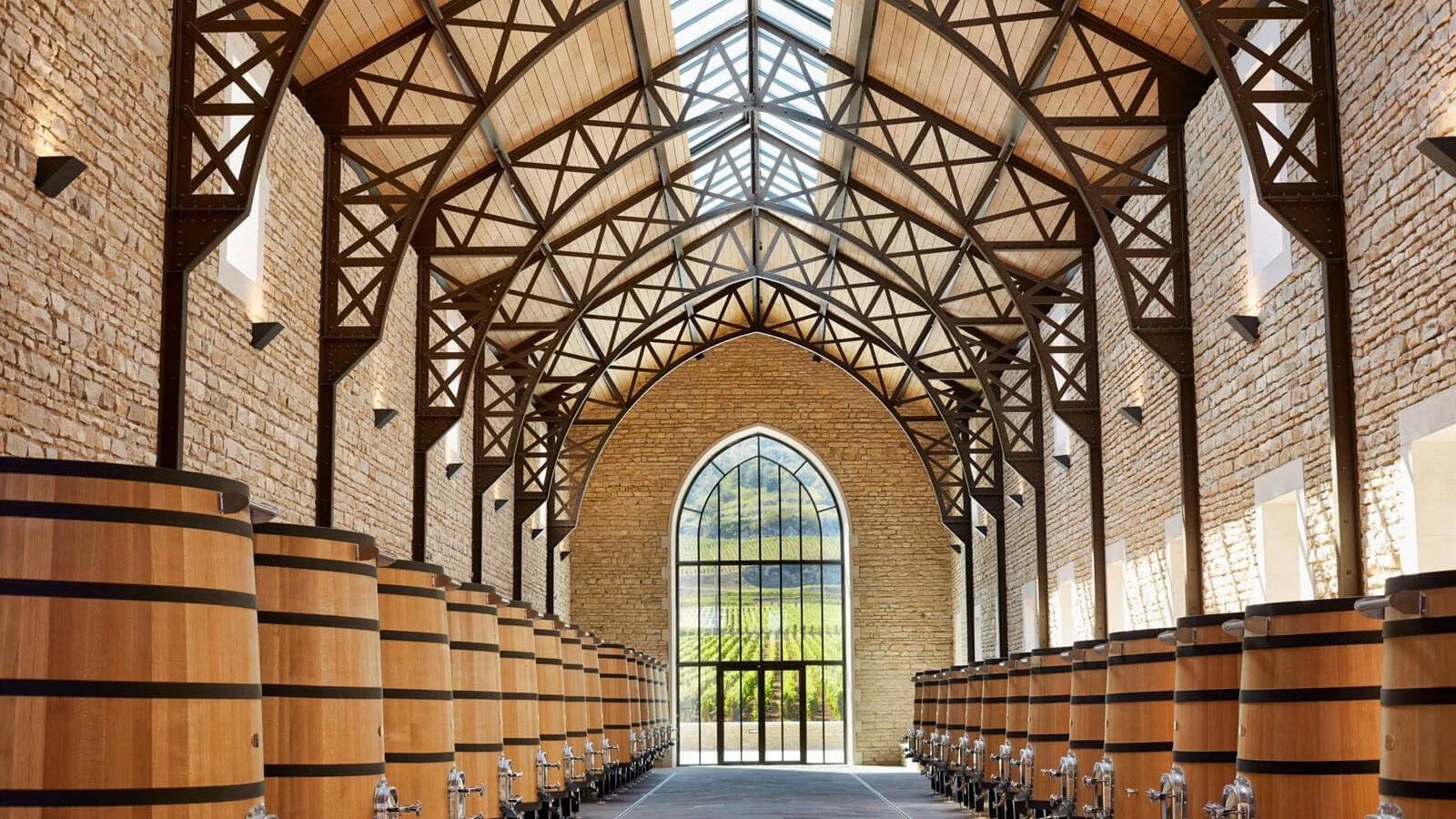
Hospitality style follows the same logic. This is a rural Bordeaux wine estate with a cellar and estate tasting format, not a polished tourism complex. The setting is quiet, scenic, and production-led, better suited to visitors who want to understand how a large organic Bordeaux operation functions than to those looking for a long lunch, elaborate pairing format, or architectural set piece.
Where it fits in a Saint Laurent Du Bois wine itinerary
Château Maison Raymond works as a terroir lesson in a village context. It is strongest for wine education, solo exploration, or a focused group outing where the interest is farming, scale, and Bordeaux AOC structure. The estate has on-site parking, tastings are offered in French and English, and the visit format is listed as cellar and estate tasting. Shipping is available, which matters for travelers who treat a winery visit as research rather than souvenir shopping.
Saint Laurent Du Bois is a small base, so the wider editorial map helps. For local planning, use our full Saint Laurent Du Bois wineries guide, with broader context from our full Saint Laurent Du Bois restaurants guide, our full Saint Laurent Du Bois hotels guide, our full Saint Laurent Du Bois bars guide, and our full Saint Laurent Du Bois experiences guide. For readers comparing French wine travel across regions, the wider cellar map includes A. Margaine in Villers-Marmery, Abbaye de Fontfroide in Narbonne, Abbotts & Delaunay in Marseillette, Advini in Saint Felix De Lodez, Agrapart & Fils in Avize, Alain Brumont in Castelnau Riviere Basse, Alain Gras in Saint-Romain, Albert Boxler in Niedermorschwihr, »der Steiner« Hans Steiner in Podersdorf am See, and & Handwein in Mannheim.
Questions
Frequently asked
How expensive is Château Maison Raymond?
Château Maison Raymond is listed at a price level of $$.
The field
How it compares
| Place | Notes | Awards |
|---|---|---|
| Château Maison Raymond | Entre-Deux-Mers, $$ | · |
| Château Pape Clement | Pessac | World's 50 Best |
| Chateau Petrus | Pomerol | · |
| Domaine Faiveley | Nuits-Saint-Georges | World's 50 Best |
| Hundred Acre | Napa | · |
| Rippon Vineyard | Wānaka | World's 50 Best |
| Screaming Eagle | Napa | · |