Château Olivier
- 01CityLéognan, France
- Falstaff Winery - 2 Stars · 2026
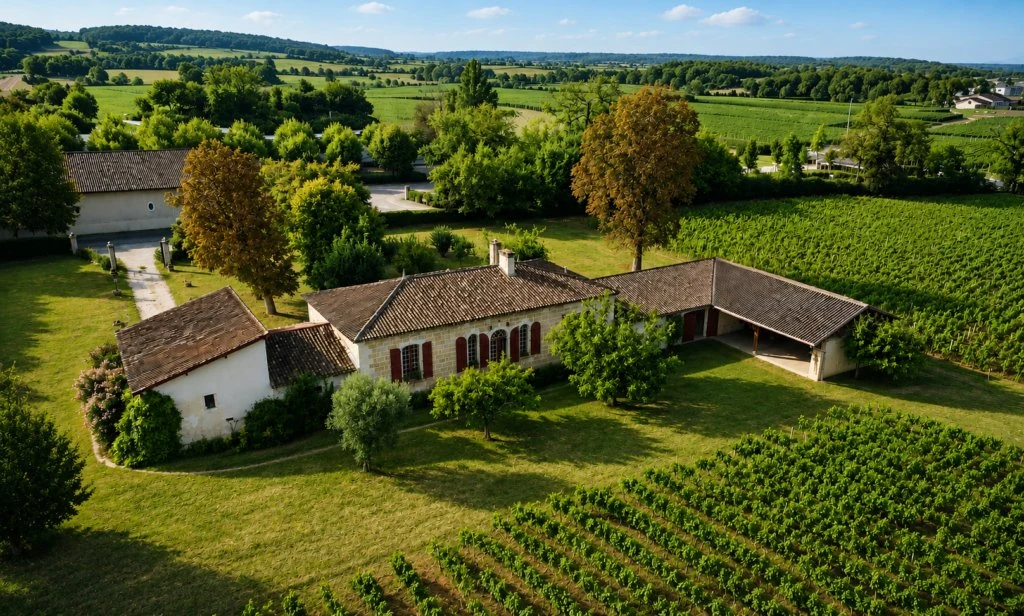
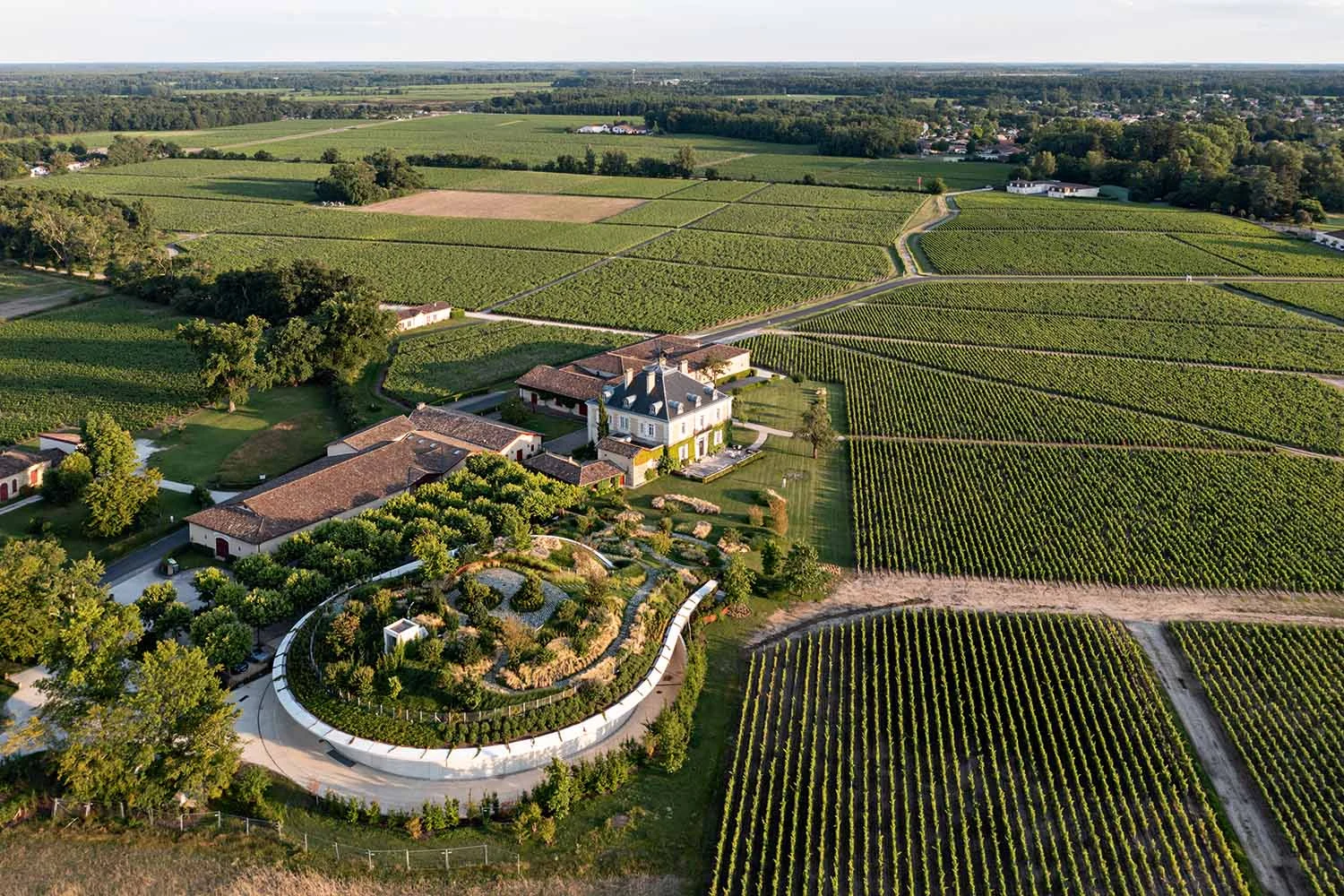
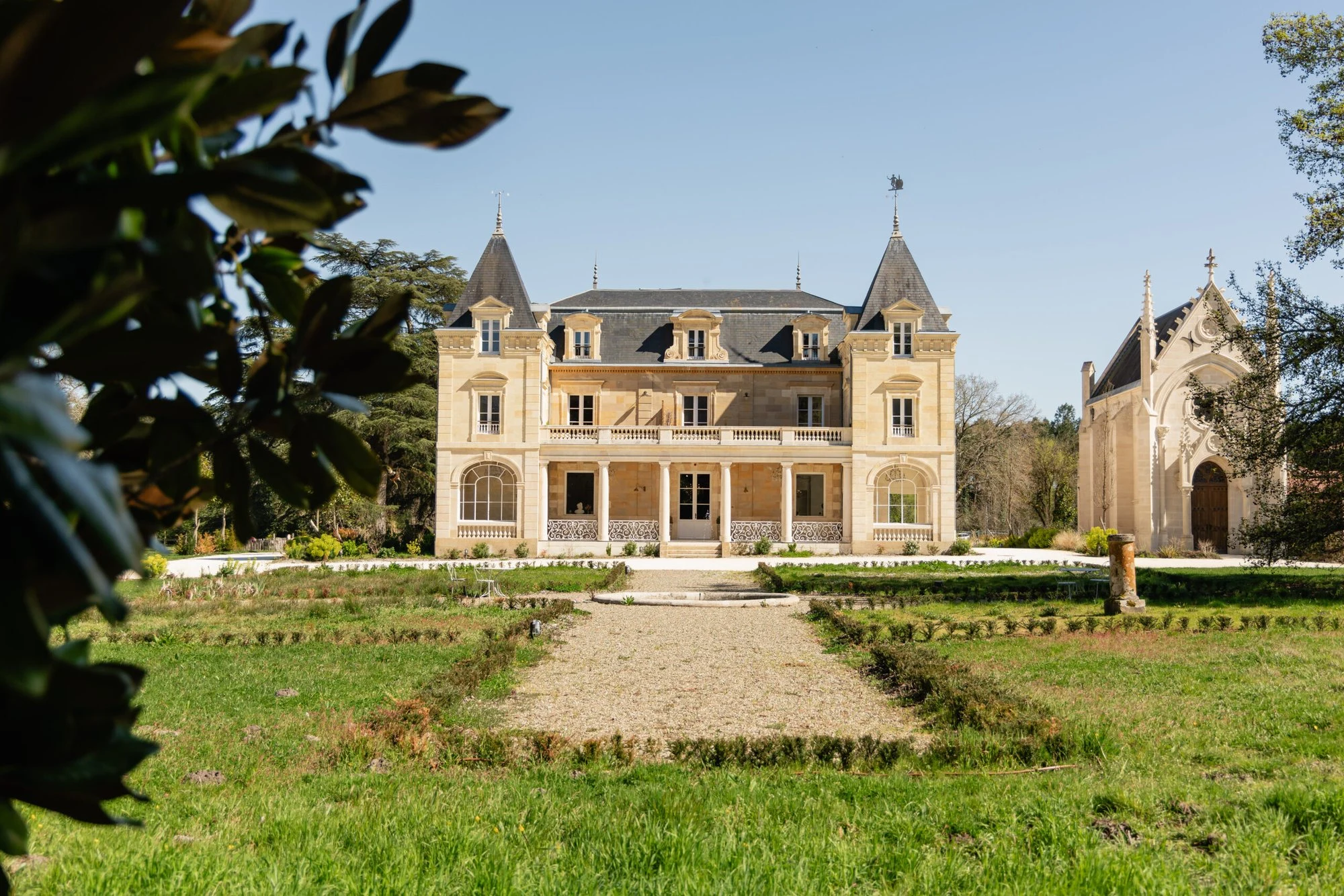
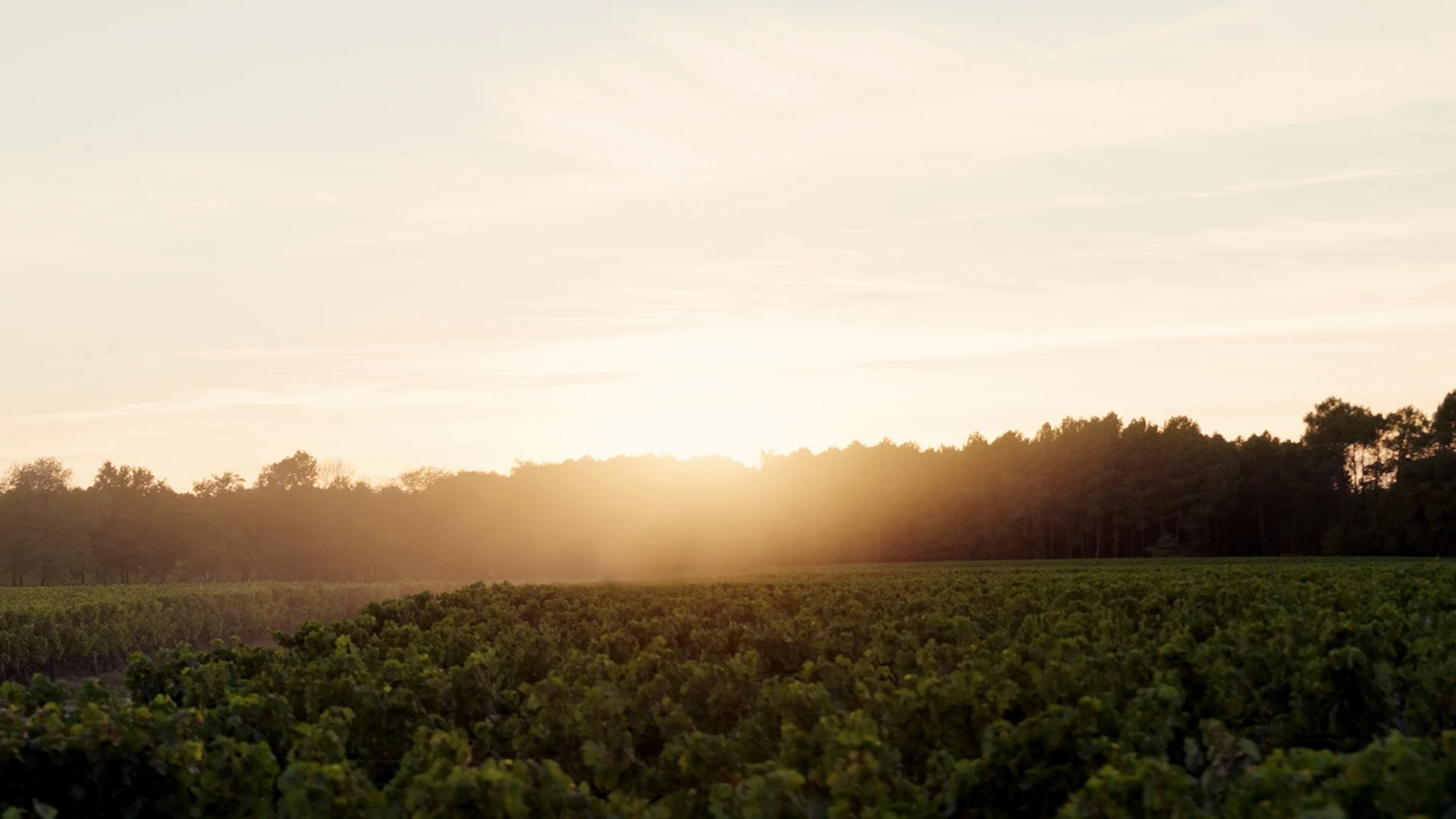
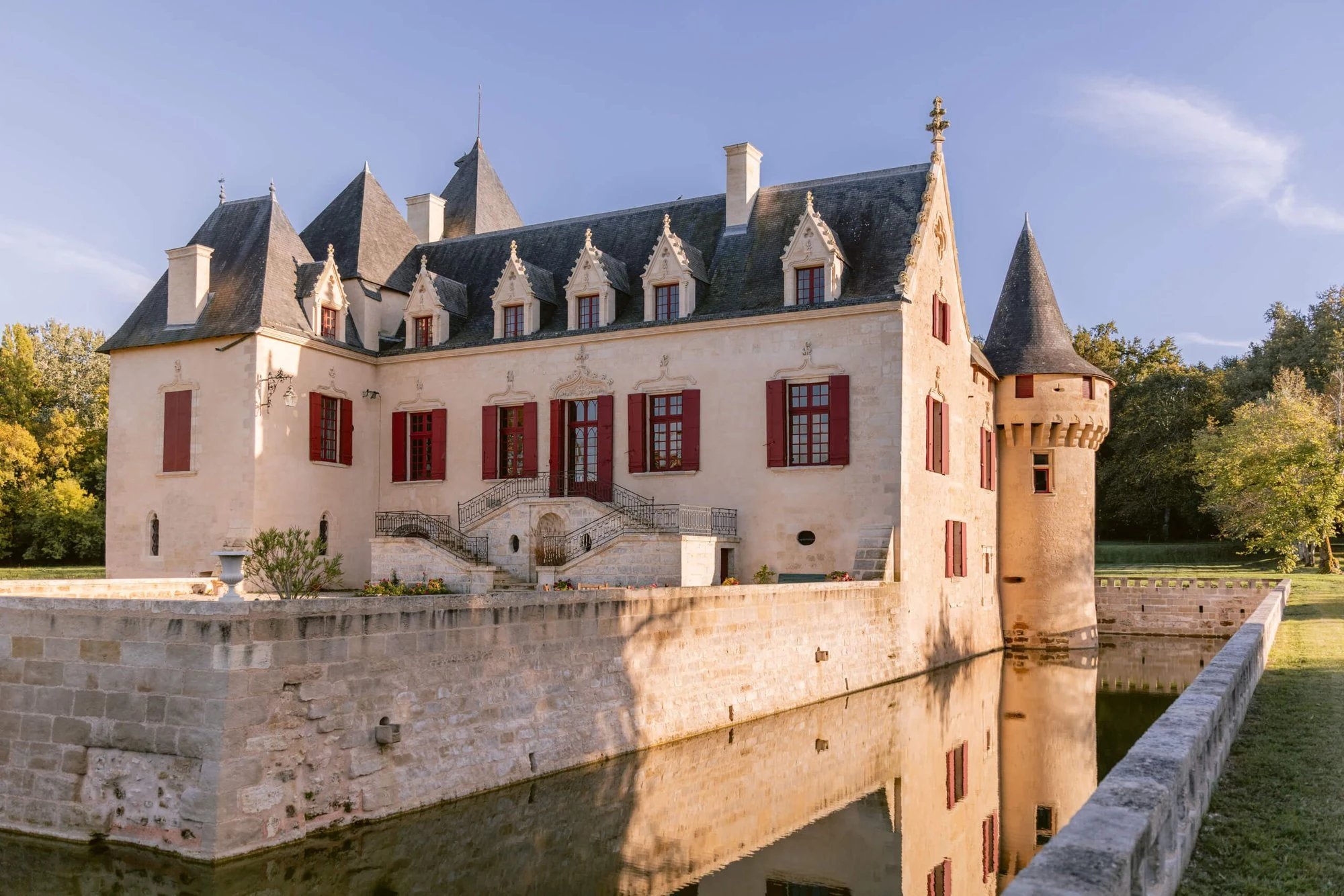
Château Olivier in Léognan offers a peaceful, classic Bordeaux atmosphere on a vast, forested estate. Its character comes from the contrast between centuries-old architecture and modern, high-quality winemaking: moats, mullion windows and a feudal château setting frame an experience rooted in place rather than spectacle. The impression is not one of a venue trying to overwhelm visitors with novelty, but of a property whose appeal rests on setting, continuity and the calm authority of old Bordeaux architecture.
For travellers planning time in Léognan, the appeal is direct. Château Olivier is a historic medieval château set within a large wooded property, with an atmosphere that feels calm, traditional and distinctly Bordeaux. The listed price is $20 per person. That makes it easy to understand at the planning stage: the visit is anchored by a recognisable sense of place, a château environment and the broader wine identity of Léognan, rather than by a long list of extras that would need further verification.
A historic château setting in Léognan
What can be said with confidence is that Château Olivier presents itself as a Léognan château where historic architecture and contemporary winemaking meet in a forested estate setting. The value of that description is its clarity. It places the estate firmly within Bordeaux wine country while also making the architectural character part of the experience, not merely a backdrop.
The setting is central to the experience. The moats, mullion windows and feudal château atmosphere give the property a strong architectural identity, while the estate’s modern winemaking context keeps the focus connected to Bordeaux wine rather than heritage alone. In practical terms, this means the château can be approached as both a historic property and a working wine reference point: the old stone, water features and formal medieval character shape the mood, while the contemporary winemaking element prevents the visit from feeling like a purely architectural stop.
That combination makes Château Olivier useful for visitors who want a calm, classic Bordeaux stop in Léognan: a historic property, a wooded estate and a wine-focused setting without relying on claims about specific production methods, rankings or awards. It is especially well suited to travellers who appreciate atmosphere as much as detail, and who want a stop that feels grounded in Bordeaux’s long relationship between landscape, château architecture and wine.
A château experience built around setting, not spectacle
Château Olivier is best understood as a historic estate in Léognan, shaped by its medieval architecture, peaceful grounds and high-quality winemaking. Any specific details about languages, duration, group size, parking, accessibility, children’s suitability or exact visit format should be confirmed directly before visiting. This is important because the reliable description of the property is strongest when it stays close to what is established: the château, the wooded estate, the Bordeaux atmosphere and the listed price.
The atmosphere is quiet and classic rather than casual or urban. Visitors should expect the estate’s physical character, forested land, moats, old stonework and château architecture, to be part of the experience alongside the wine context. Those elements are not incidental; they define the tone of the place. The forested surroundings suggest a more secluded feel, while the château details create a sense of history that is immediate and visible, giving the visit a slower and more traditional rhythm.
For local planning, keep the itinerary focused on Léognan and confirm current visit details directly with Château Olivier. The dependable facts are the setting, the historic château character, the Bordeaux estate atmosphere and the listed $20 per person price. With that in mind, travellers can treat Château Olivier as a direct, setting-led stop: one where the main expectation should be the encounter between a large wooded property, a medieval château identity and the wine culture associated with this part of Bordeaux.
Where it sits in a Léognan wine day
Within a Léognan wine day, Château Olivier stands out for its medieval château setting and large forested estate. Rather than comparing it through rankings, production details or named neighbouring estates, it is safest to position it as a calm, historic Bordeaux stop with modern winemaking in a classic architectural setting. That framing keeps expectations realistic and useful: visitors are not being asked to judge the estate through claims, but to understand its appeal through its setting and character.
Travellers can compare it with other dining in Léognan generically, but Château Olivier’s own draw is clear enough: a peaceful wooded estate, centuries-old architecture, moats, mullion windows and a feudal château atmosphere connected to contemporary Bordeaux winemaking. In a day built around Léognan, that gives the property a distinct role. It can serve as the quieter, more historic-feeling stop, where the pleasure comes from the estate’s physical presence as much as from its place in Bordeaux wine country.
Questions
Frequently asked
How expensive is Château Olivier?
Château Olivier is listed at a price level of $$$.
The field
How it compares
| Place | Notes |
|---|---|
| Château Olivier | Léognan, $$$ |
| Château Branon | Léognan |
| Château Hannetot | Léognan |
| Château Haut-Bailly | Léognan |
| Château Le Pape | Léognan |
| Château Leognan | Léognan |
| Domaine de Chevalier | Léognan |