- Falstaff Winery - Listed · 2026
Grevenmacher’s wine culture can be quiet and cellar-focused, and Château Pauqué fits that understated side of the Moselle. The appeal is not scale or spectacle, but the slower feel of a small, family-run estate where the visit is shaped around wine, place, and conversation rather than polished tourism infrastructure. In a region where the landscape and the cellar often matter as much as formal presentation, that restraint is part of the point. Château Pauqué reads as the kind of address where the experience is less about being entertained and more about paying attention.
For readers looking at premium wine stops in Grevenmacher, Château Pauqué is best understood as an intimate Moselle estate with a terroir-driven, characterful approach. The price level is $$$, and the atmosphere is closer to a quiet, rustic, wine-geek cellar visit than a broad visitor-center experience. It is the sort of stop that makes most sense for people who already enjoy listening closely to what a wine is trying to express, rather than for visitors simply checking off a quick attraction between larger itinerary items.
Terroir before variety: the Moselle argument in the glass
The most reliable way to read Château Pauqué is through its stated emphasis on terroir-driven wines. Rather than framing the estate around an list of grapes, cuvées, parcels, or winemaking techniques, the useful takeaway is simpler: this is a small Grevenmacher address for drinkers who care about character, site, and the more focused side of Moselle wine. The emphasis on terroir suggests that the wines are meant to be understood through their connection to place, with the estate’s identity coming from that relationship rather than from a more promotional list of features.
That makes it a different kind of stop from casual wine tourism. The language around the estate points toward patience, quiet, and cellar attention, not a large hospitality operation. Visitors should expect a more personal, concentrated experience, with the wine itself at the center. In practical terms, that means the pleasure here is likely to come from slowing down: noticing texture, freshness, structure, and the way a wine can feel rooted in its setting. It is a less performative kind of visit, and one that rewards visitors who are comfortable with subtlety.
For Château Pauqué, the grounded story is not a catalogue of specific bottles or technical cellar claims. It is the feel of a premium, family-run Moselle estate in Grevenmacher, where the attraction lies in a quiet setting and a terroir-minded approach. That limitation is also useful, because it keeps expectations realistic. This is not a venue to describe through a long checklist of amenities; its value sits in atmosphere, focus, and the sense that the wines are being treated as the main event.
A small family cellar, not a tourism circuit
Family-run estates can easily be over-romanticized, but here the distinction is practical: Château Pauqué has an intimate, appointment-only feel and is not presented as a high-volume tourism venue. That matters for planning, because the experience is better suited to focused wine interest than to casual drop-in sightseeing. The small-scale character also changes the rhythm of a visit. Instead of expecting a scripted circuit or a steady stream of visitors, it is wiser to think in terms of a quieter exchange built around the cellar and the wines.
The atmosphere is quiet, rustic, and cellar-focused. It suits visitors who want a more reflective wine stop in Grevenmacher, especially those interested in a small estate where the conversation is likely to center on the wines and their sense of place rather than on a broad hospitality package. That rustic quality should be read positively but plainly: the draw is not gloss, branding, or elaborate staging. It is the grounded feeling of a wine address that remains close to its own work.
For context across Grevenmacher, compare Château Pauqué with other local dining and wine-related options only in general terms. Its strongest identity is as a hidden-gem Moselle estate with a reserved, wine-focused character. In an itinerary, that means it can provide contrast: a quieter, more intent pause amid broader eating, drinking, and exploring. It is a venue for visitors who like the idea of stepping away from busier formats and giving one small estate their full attention.
How to place it in a Grevenmacher itinerary
The right way to approach Château Pauqué is as a specialist stop within a Grevenmacher day, not as a casual, infrastructure-heavy attraction. Its strengths are its small scale, quiet atmosphere, and terroir-driven identity. Treating it this way helps avoid the wrong expectations. It should not be slotted in as a rushed filler stop, because the appeal depends on focus and on having enough time to settle into the cellar-minded mood of the place.
Because the information points to an appointment-only feel, visitors should plan ahead rather than assume a walk-in format. Around it, Grevenmacher can still support a broader day of meals, drinks, and local exploring, but Château Pauqué itself is best treated as a focused Moselle wine stop. For the right visitor, that focus is exactly the attraction: a premium, reserved, family-run estate where the experience is measured, quiet, and shaped around wine rather than spectacle.
Questions
Frequently asked
Who works at Château Pauqué?
Made By profiles Abi Duhr (Winemaker and Founder, Château Pauqué) and Laurence Duhr (Winemaker, Château Pauqué) at Château Pauqué.
How expensive is Château Pauqué?
Château Pauqué is listed at a price level of $$$.
The field
How it compares
| Place | Notes | Awards |
|---|---|---|
| Château Pauqué | Grevenmacher, $$$ | · |
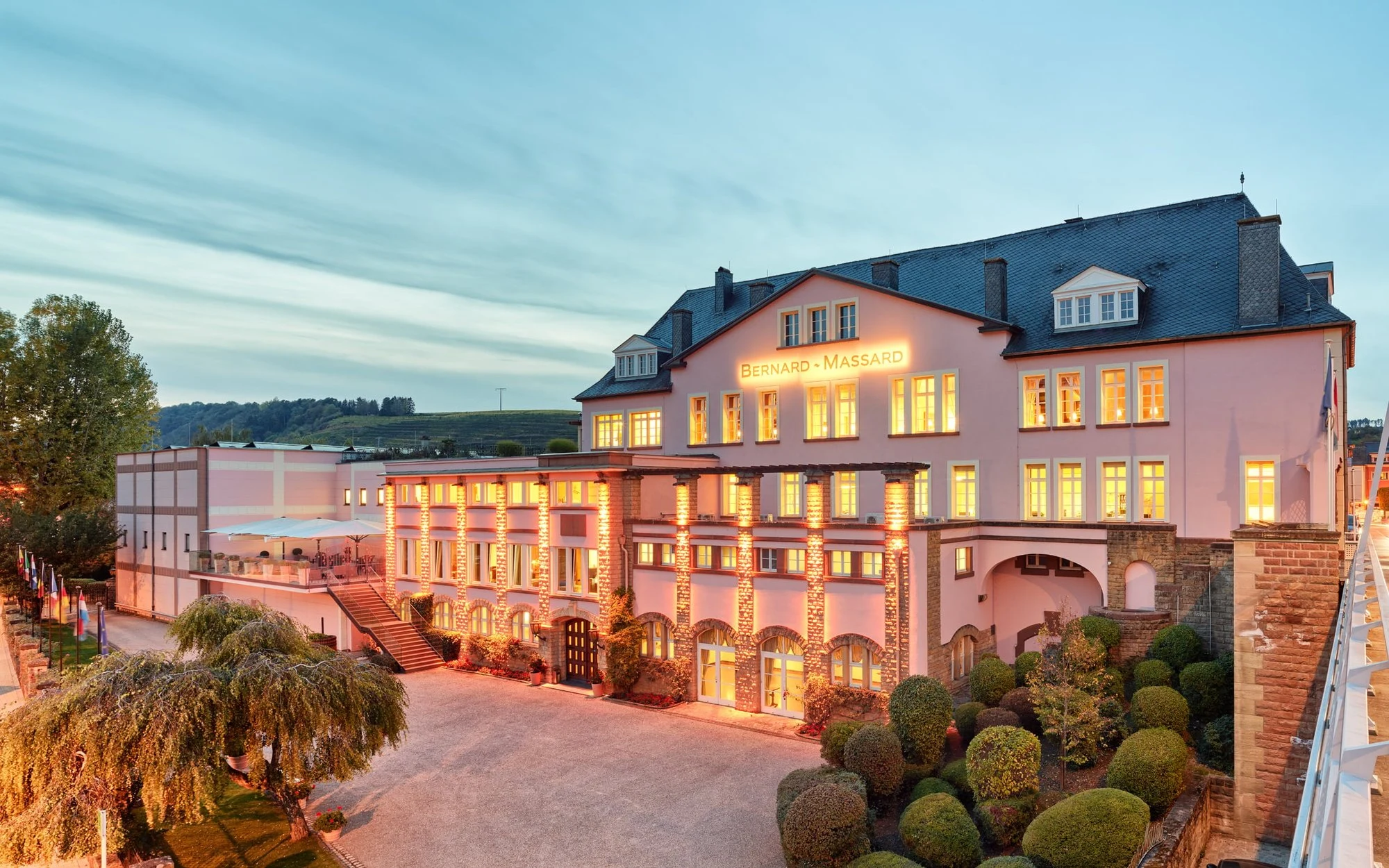
| Caves Bernard-Massard | Grevenmacher | · |
| Château Léoville Barton | Saint-Julien-Beychevelle | · |
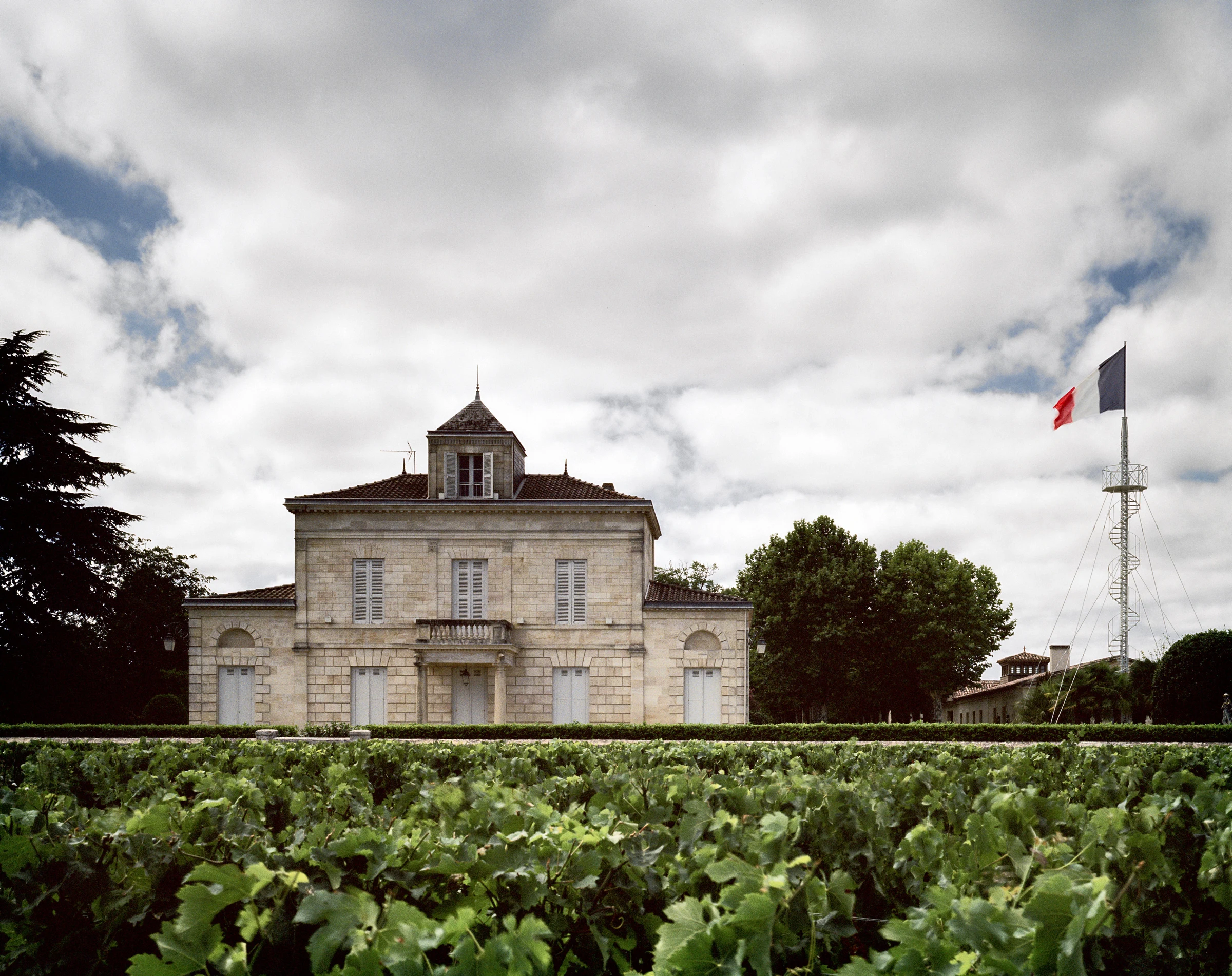
| Château Montrose | Saint-Estèphe | · |
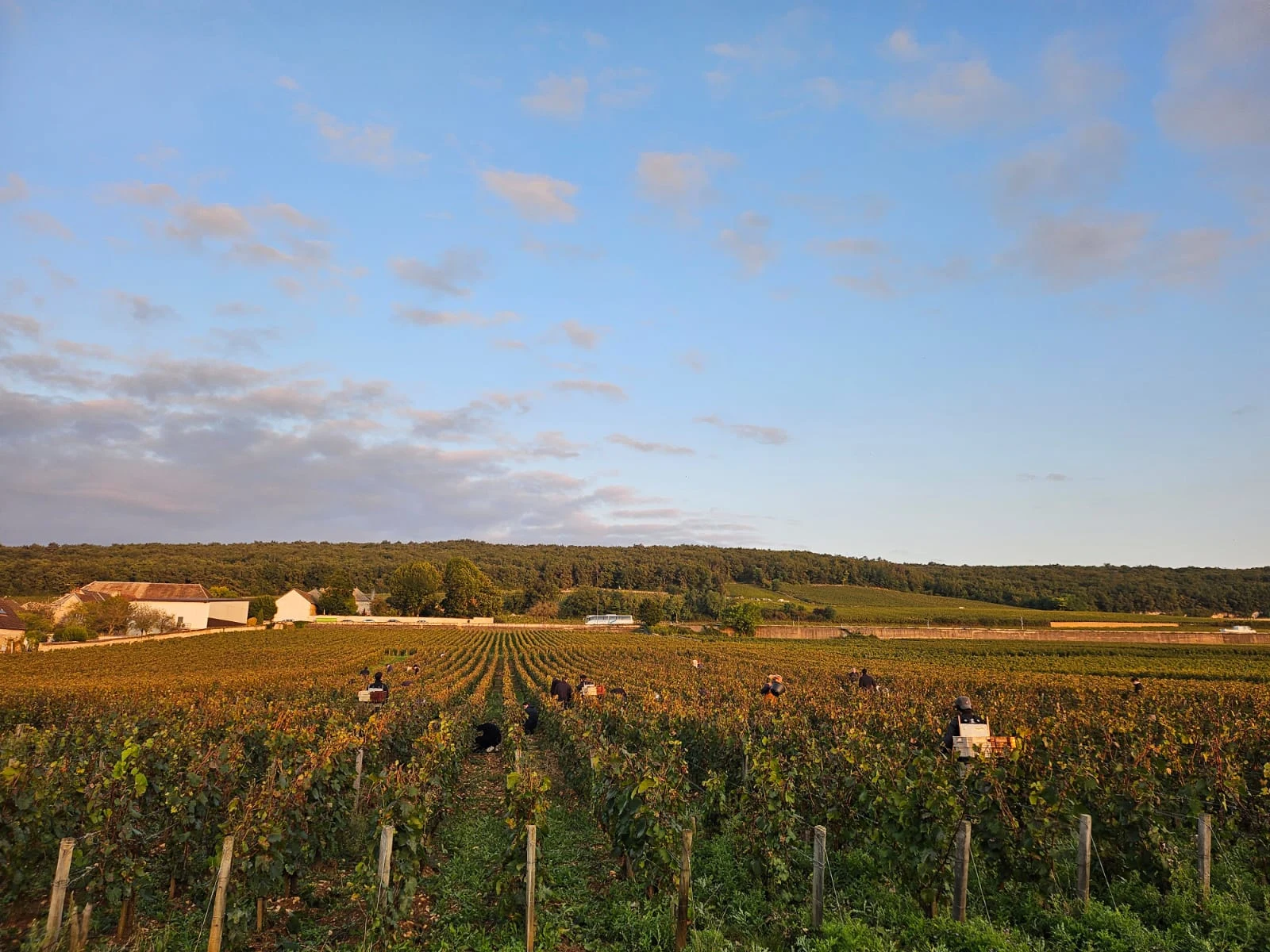
| Domaine du Comte Liger-Belair | Vosne-Romanée | · |
| Domaine Thill - Château de Schengen | Grevenmacher | · |
| Quinta do Crasto | Sabrosa | World's 50 Best |