Château Roquefort
- 01CityLugasson, France
- Falstaff Winery - Listed · 2026
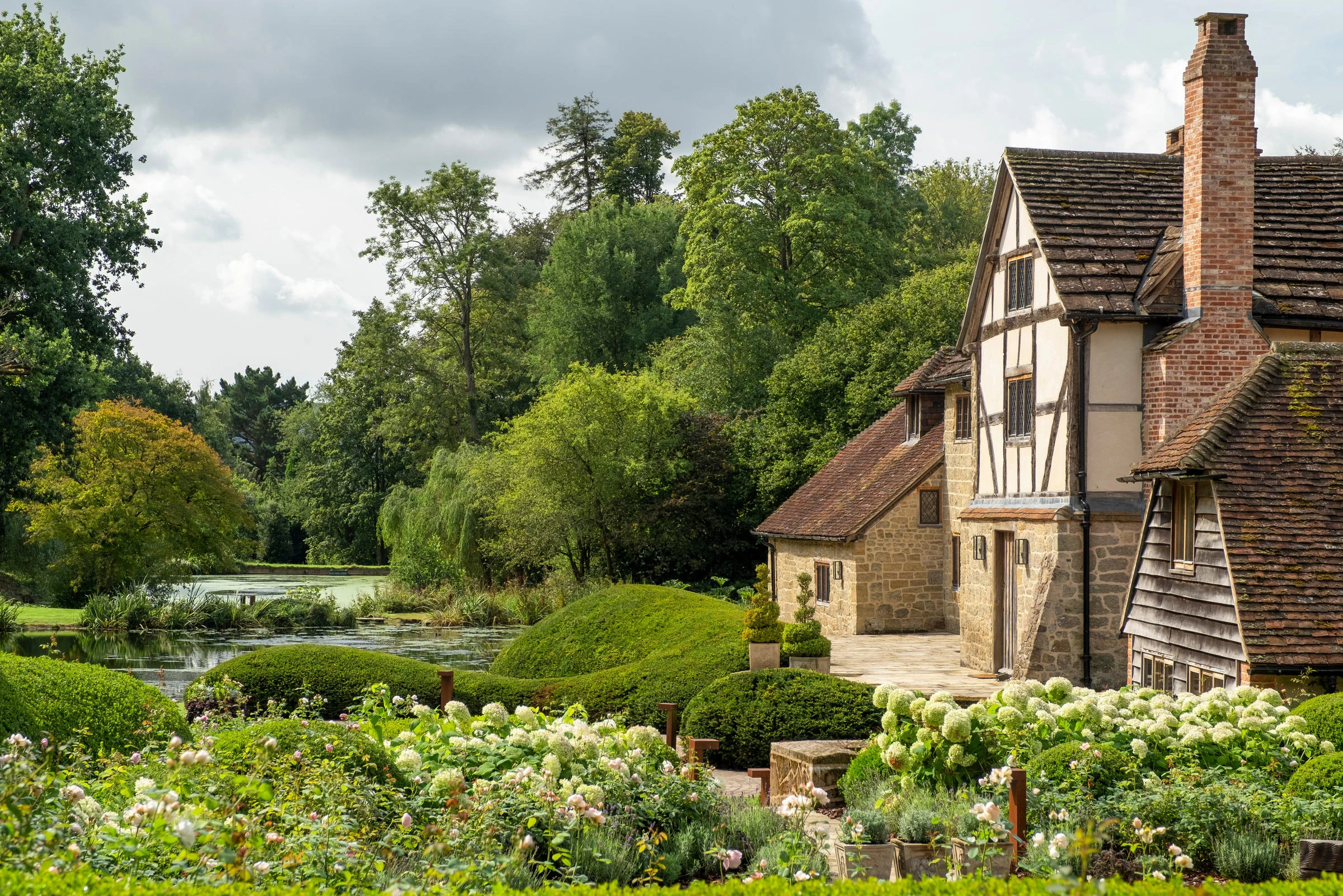
Château Roquefort in Lugasson is best approached as a family-owned Bordeaux estate where the visit is as much about place as it is about tasting. The picture is simple, but that simplicity is part of the attraction: historic château buildings and a dovecote sit amid vines, and the atmosphere is relaxed, educational, and oriented toward discovery rather than ceremony. It reads less like a stop designed to impress through formality and more like a setting where visitors can slow down, look around, and understand how the estate presents itself.
The estate is presented around terroir, sustainability, and the heritage of the property. For travellers looking beyond a standard tasting stop, that combination gives Château Roquefort its clearest appeal: a chance to connect the vineyard setting, the buildings, and the story of the estate in one visit. The value is not only in what is poured, but in the way the surroundings help frame the tasting, giving the experience a stronger sense of origin and continuity.
Terroir, sustainability, and the less formal side of Bordeaux
The stronger reading of Château Roquefort is through context rather than spectacle. The setting amid vines supports a visit focused on terroir, while the tone remains accessible and educational. Rather than relying on claims about production details, grape varieties, certifications, or rankings, the useful confirmed takeaway is that the estate frames its tastings around the land, sustainability, and discovery of the property’s heritage. That makes the visit easier to understand as a whole: the vineyard is not background decoration, but part of the point.
That makes it a good fit for visitors who want a Bordeaux estate experience without a heavily formal mood. The visit is not defined here by a specific menu, ranking, award, or technical wine list; it is defined by the relationship between the château buildings, the dovecote, the vines, and the educational tasting experience. In practical terms, this gives the estate a clear identity for travellers who may be more interested in atmosphere, landscape, and context than in a highly structured or prestige-led tasting format.
For planning, the price is $20 per person. Other details such as precise opening hours, service duration, group capacity, reservation rules, grape varieties, and food service are not confirmed here, so they should be checked directly before arranging a visit. That extra confirmation matters, especially for travellers building a wider Bordeaux itinerary, because the appeal of the stop depends on arriving with the right expectations: a relaxed estate experience centred on heritage, terroir, sustainability, and discovery.
A château visit built around context, not spectacle
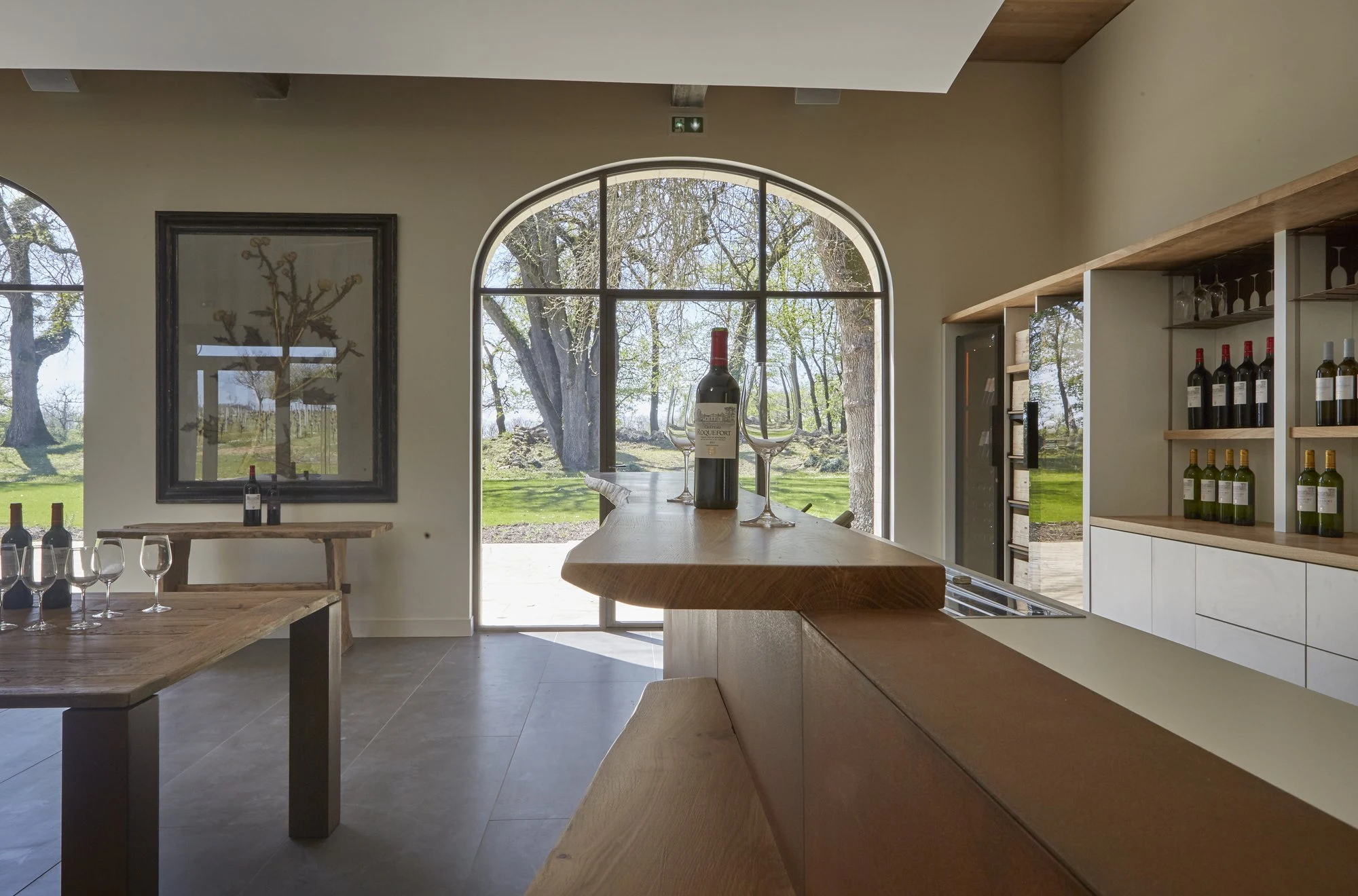
The experience works because it is grounded in the estate itself. Château Roquefort’s confirmed character is relaxed and educational, with self-guided routes and tastings that connect the property’s heritage to the surrounding vineyard landscape. This structure allows the visit to feel more open and exploratory, giving visitors room to absorb the place rather than moving only from one formal tasting note to the next.
The historic château buildings and dovecote give the visit a clear sense of place. The focus is not on a luxury performance or a named accolade, but on understanding a family-owned Bordeaux estate through its setting, sustainability themes, and heritage. Those elements work together: the buildings provide the historic frame, the dovecote adds a distinctive architectural marker, and the vines keep the experience anchored in the land around Lugasson.
For travellers building a day around Lugasson, Château Roquefort can stand as the central estate stop, with other dining or hospitality in Lugasson considered generically as part of the wider plan. Because the confirmed offer is specific enough to shape an itinerary but not overloaded with fixed claims, it is best treated as a thoughtful anchor rather than a checklist destination. The visit can provide the vineyard and château context around which the rest of the day is arranged.
Who should put it on a Bordeaux itinerary
This is the right stop for travellers who want a relaxed, educational Bordeaux estate experience. It suits visitors interested in vineyard settings, historic château architecture, a dovecote, self-guided discovery, and tastings that emphasize terroir, sustainability, and the property’s heritage. It is especially well matched to people who enjoy understanding a wine estate through its surroundings, not just through a glass in isolation.
The editorial case is direct: Château Roquefort offers a grounded way to experience a family-owned Bordeaux estate in Lugasson. Its appeal rests on the combination of vines, heritage buildings, a relaxed atmosphere, and a tasting experience priced at $20 per person. For visitors seeking a more contextual and less formal Bordeaux stop, that combination is the reason to consider it: the estate’s story, setting, and tasting are presented as parts of the same experience.
Questions
Frequently asked
How expensive is Château Roquefort?
Château Roquefort is listed at a price level of $$.
The field
How it compares
| Place | Notes | Awards |
|---|---|---|
| Château Roquefort | Entre-Deux-Mers, $$ | · |
| Azienda Agricola Casanova di Neri di Giacomo Neri | Montalcino | World's 50 Best |
| Château Turon la Croix | Lugasson | · |
| Domaine Leroy | Vosne-Romanée | · |
| Klein Constantia | Cape Town | World's 50 Best |
| Michter's | Louisville | · |
| Nyetimber | Horsham | World's 50 Best |