Château Treilles
- 01CityCahors, France
- Falstaff Winery - Listed · 2026
Château Treilles belongs to the rural vineyard range of Cahors, with a classic southwest France feel and an emphasis on Malbec-driven wines. The picture is intentionally simple: a rustic, scenic estate planted in a horseshoe around the winery, focused on wines that aim for power without losing balance. That combination gives the venue its shape. It is not presented as a glossy destination built around spectacle, but as a grounded Cahors property where the vineyard setting, the sense of countryside, and the local identity of Malbec do most of the work.
For travelers approaching Cahors through wine, that makes Château Treilles less about spectacle and more about setting. The estate is best understood as a hidden-gem stop in the region’s Malbec country, where the appeal comes from the surrounding vineyard character and the grounded, classic profile of the place. Its value lies in the way it reflects the familiar strengths of the area: rural scenery, a direct connection between winery and vines, and a wine style described in terms of structure, depth, and balance rather than decoration or novelty.
Château Treilles through Malbec
The defining feature is the estate’s relationship to Cahors Malbec. In this context, Malbec is not just a grape name attached to the page; it is the main lens through which the estate should be read. The wines are described as Malbec-driven, with an ambition toward power that does not discard equilibrium. That phrasing is important, because Cahors can easily be associated with dark, forceful reds, while the more compelling version of that profile is one that keeps its strength composed.
At Château Treilles, the emphasis on power with balance suggests a classic reading of the region rather than a deliberately showy one. The estate’s identity sits in that middle ground: enough force to feel rooted in Cahors, enough restraint to avoid making strength the only point. For a traveler, that means the most useful expectation is not a long list of extras, but a clear sense of place expressed through Malbec-led wines and the rural landscape around them.
The horseshoe planting around the winery also gives the estate a clear visual identity. It reads as a working rural property rather than a polished showpiece: classic, rustic, and scenic, with the kind of southwestern vineyard atmosphere that makes Cahors distinctive. The layout matters because it reinforces the feeling of the winery being held within its vines, surrounded by the agricultural setting that defines it. Rather than separating the visitor impression from the vineyard, the horseshoe arrangement makes the relationship between land, winery, and wine immediately legible.
A rural Cahors estate, not a spectacle
Château Treilles is best framed as a direct Cahors estate with a quiet sense of place. The information supports a picture of a classic vineyard setting and Malbec-led character, not a page built around unconfirmed services, awards, visitor formats, or technical production claims. That makes the venue easier to understand on its own terms. It is a rural estate, scenic and traditional in feeling, whose appeal comes from the essentials already stated rather than from a catalogue of features that should not be assumed.
That restraint matters. If you are comparing Cahors wine stops, Château Treilles stands out for its rural estate feel, its horseshoe vineyard layout around the winery, and its emphasis on balanced strength in Malbec-driven wines. Those are modest claims, but they are also coherent ones. Together, they form a consistent identity: a place anchored in Cahors, visually tied to its vineyard, and stylistically linked to the power and balance associated with its Malbec focus.
It is also useful to treat the lack of spectacle as part of the positioning rather than as a gap to be filled. Some wine venues are best understood through architecture, restaurants, formal programming, or public reputation. Château Treilles, as presented here, belongs to a quieter category. The point is the rural southwest France atmosphere, the scenic vineyard frame, and the direct impression of a winery whose character is closely attached to the land around it.
How to place it in a Cahors itinerary
Cahors rewards travelers who connect wine with the wider feel of the city and surrounding countryside. Château Treilles fits that kind of itinerary as a scenic, rustic estate option rather than as a venue defined by confirmed formal accolades or elaborate service details. It is best placed where the aim is to understand Cahors through its vineyard landscapes and Malbec identity, not where the itinerary depends on highly specific experiences that have not been established here.
For broader planning, compare Château Treilles with other Cahors dining and wine options generically, keeping the focus on what: Cahors, a rural vineyard estate, a classic southwest France atmosphere, and Malbec-driven wines with power and balance. In practical editorial terms, that means using the estate as a grounded reference point within the region: a hidden-gem-style stop whose strengths are setting, simplicity, and a clear connection to the Malbec country around Cahors. It should sit naturally alongside other regional choices without being inflated beyond the facts available.
Questions
Frequently asked
How expensive is Château Treilles?
Château Treilles is listed at a price level of $$.
The field
How it compares
| Place | Notes | Awards |
|---|---|---|
| Château Treilles | Bagat en Quercy, $$ | · |
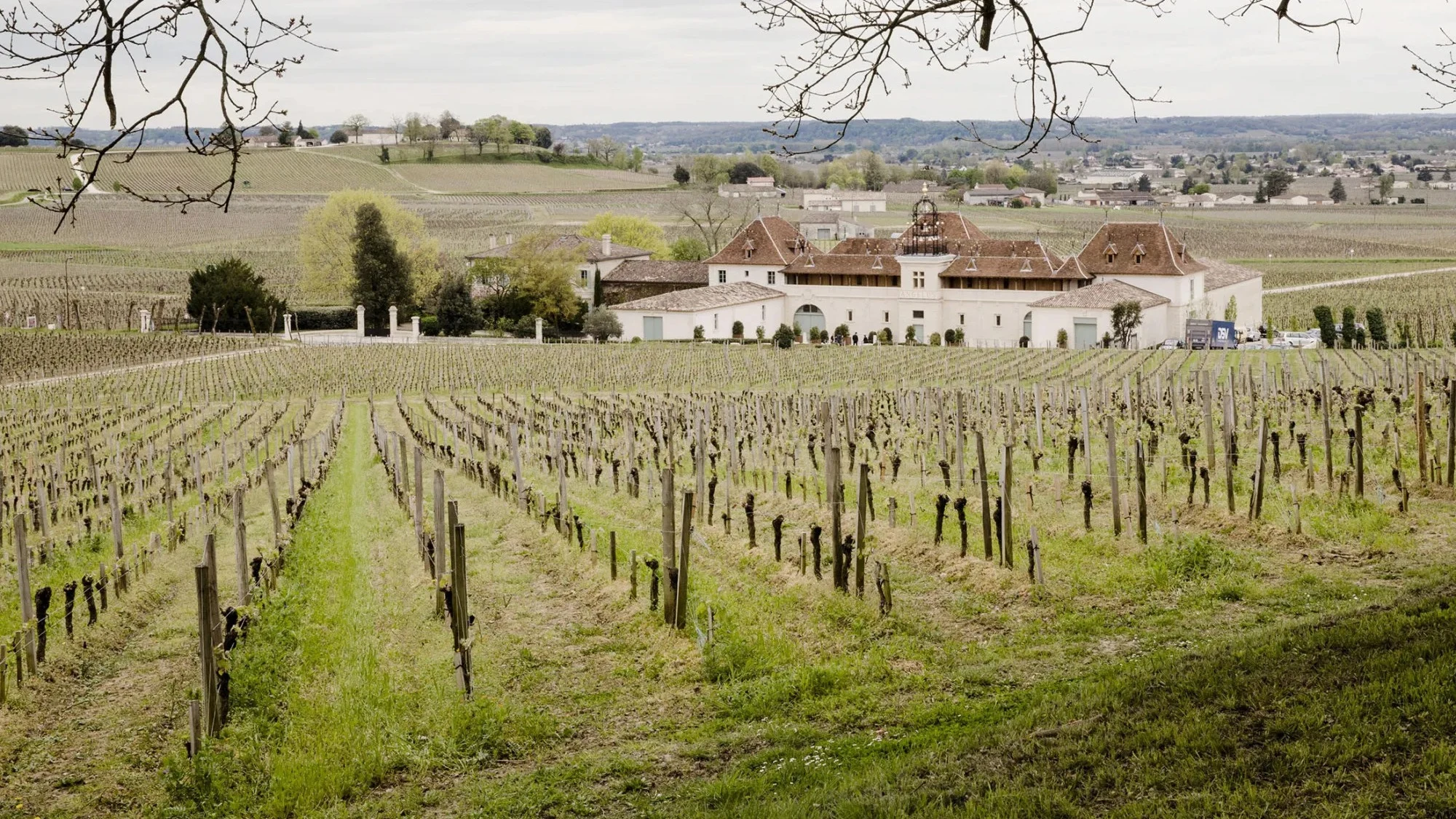
| Château Angelus | Saint-Émilion | · |
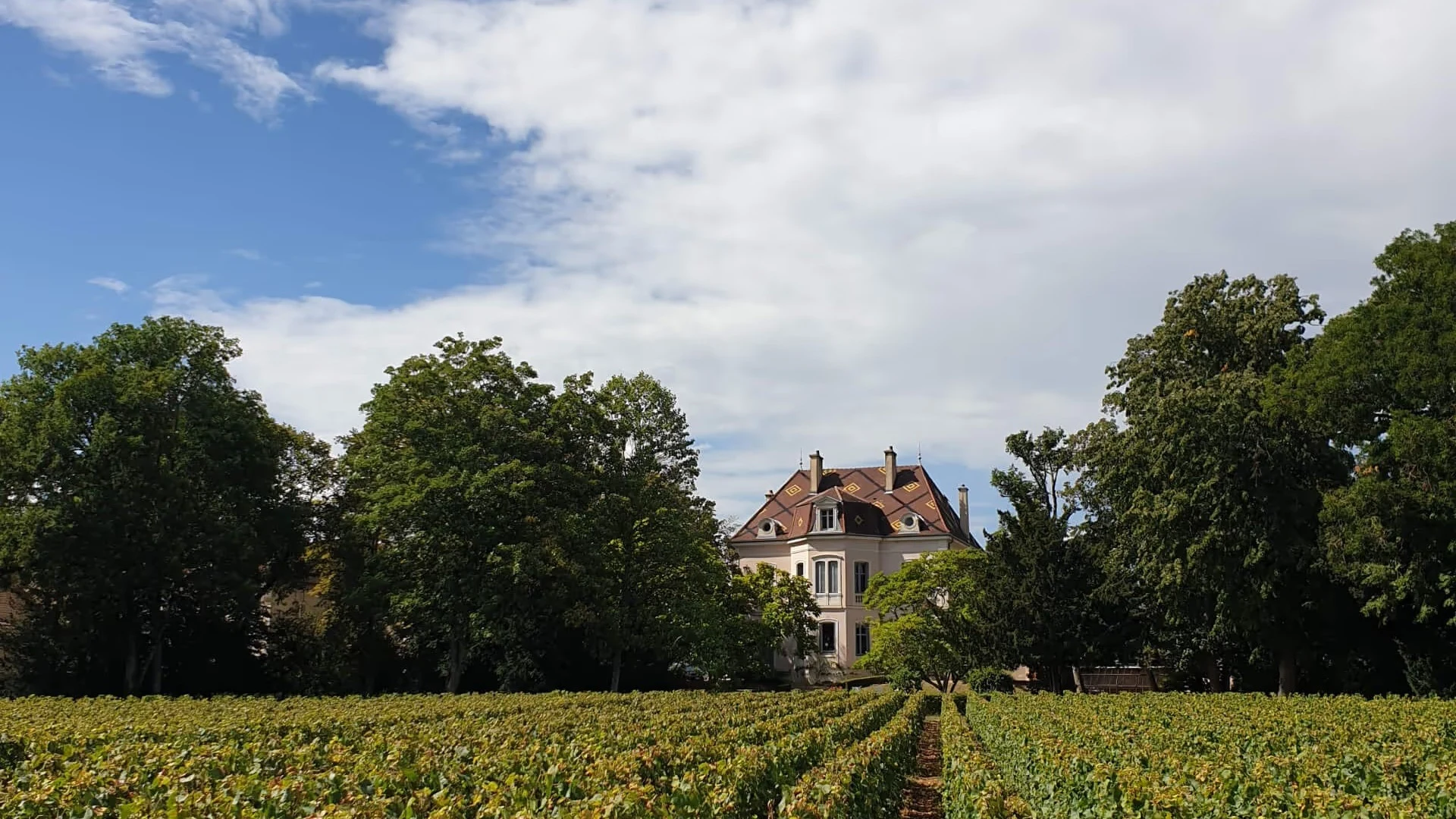
| Domaine des Comtes Lafon | Meursault | · |
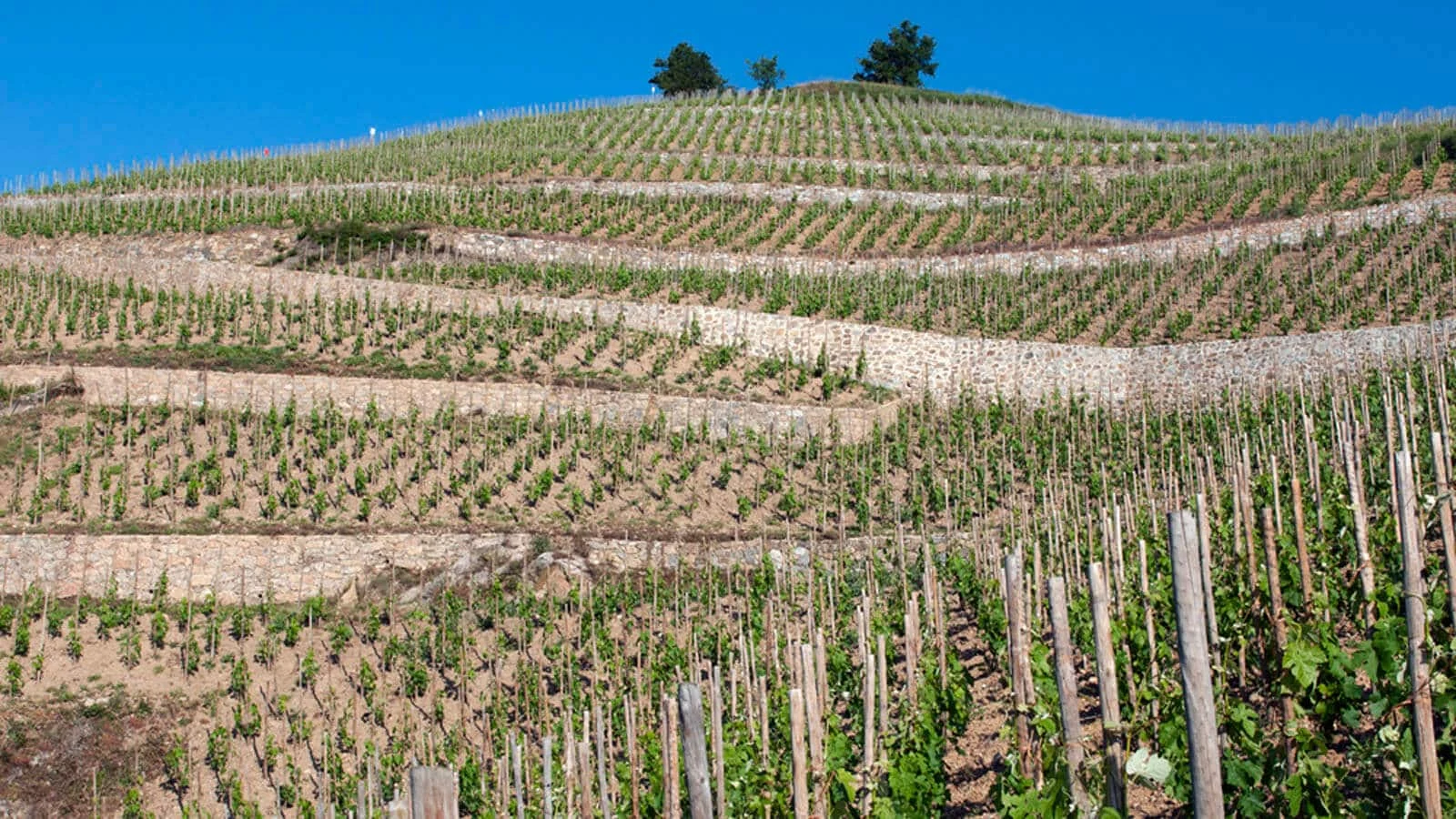
| Domaine Jean-Louis Chave | Mauves | · |
| Famille Vigouroux | Cahors | · |
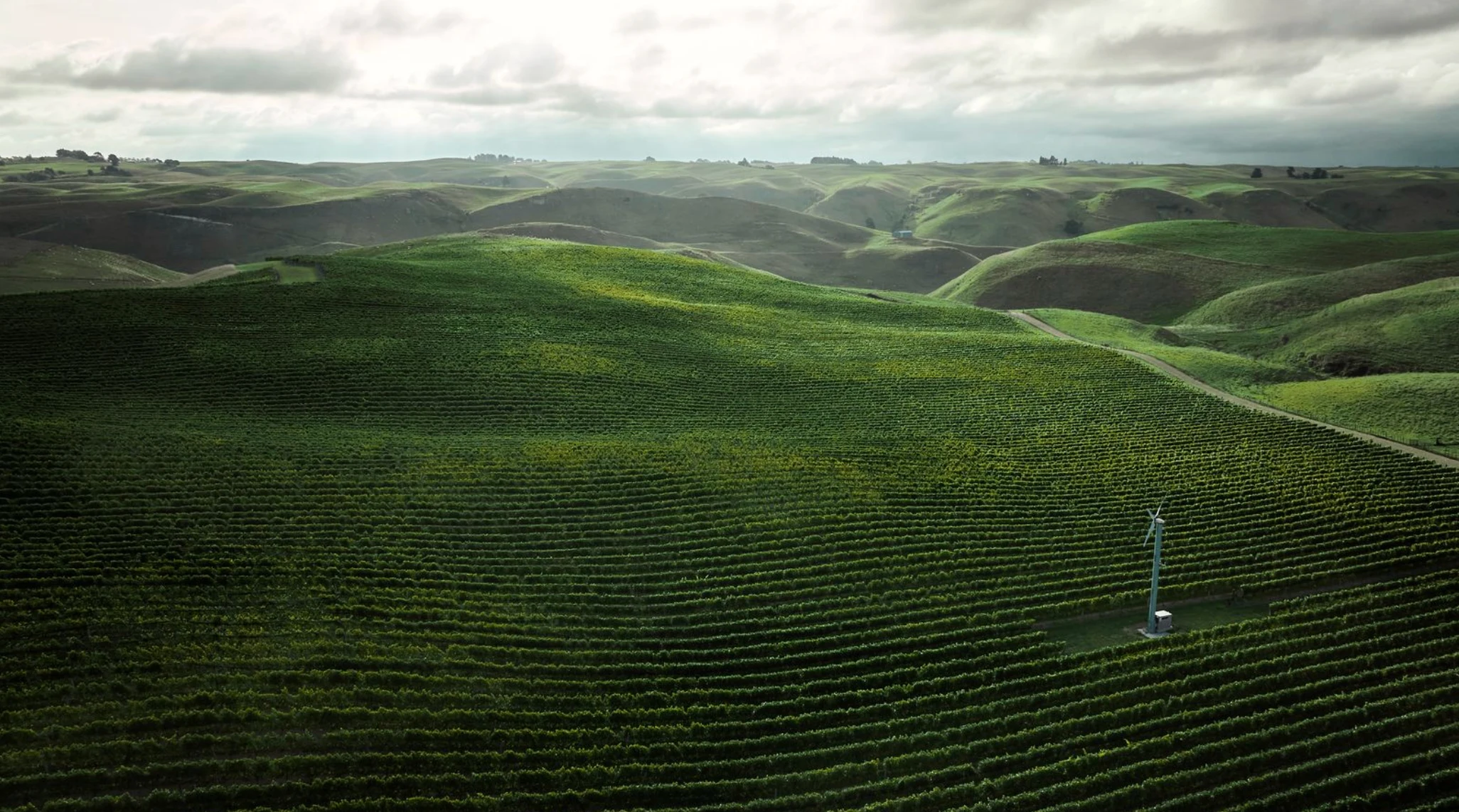
| Kumeu River Wines | Kumeu | World's 50 Best |
| Quinta do Noval | Pinhão | World's 50 Best |