- Falstaff Winery - Listed · 2026
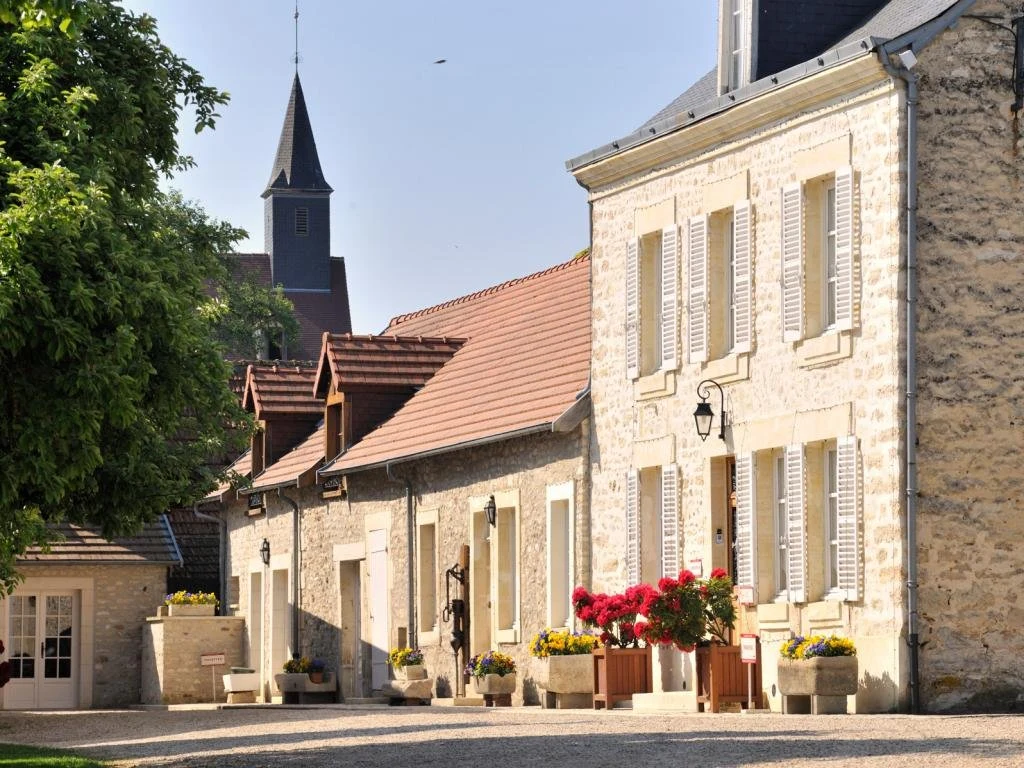
Champagne Aspasie in Brouillet is best understood as a family-run historic Champagne house with an intimate, traditional feel. The picture is not of a flashy hospitality complex, but of an 18th-century estate where old tools, fossils, a working cellar, and vineyard surroundings help set the mood. Those elements matter because they frame the visit less as a polished spectacle and more as an encounter with place: stone, cellar, landscape, and the quiet evidence of work accumulated over time. The tone is romantic, classic, and scenic, with the emphasis on craftsmanship and patience.
What can be said with confidence is that the place presents Champagne through a historic estate setting in Brouillet, with a strong sense of continuity between cellar, vineyard, and family tradition. It is the kind of venue whose appeal comes from restraint and atmosphere as much as from the category of Champagne itself. The setting suggests a house where heritage is not an abstract marketing idea, but something visible in the surrounding materials, the working spaces, and the traditional objects that shape the visitor’s impression.
Champagne in a historic Brouillet setting
The appeal of Champagne Aspasie rests on atmosphere as much as category. Its 18th-century estate, working cellar, vineyard context, old tools, and fossils give the house a grounded, traditional character. Rather than presenting Champagne only as a luxury label, the setting points toward the slower work behind the bottle: time, craft, and an estate shaped by history. That historic frame gives the experience a particular softness. It is not defined by gloss or scale, but by the sense that Champagne is being encountered in the environment from which its identity is drawn.
The old tools and fossils are especially useful in establishing that mood because they pull attention toward time. They suggest layers of human work and natural history without needing to overstate the point. In combination with the cellar and vineyard surroundings, they make the house feel connected to both production and memory. This is the sort of atmosphere that suits visitors who want to look beyond the finished glass and notice the setting that gives the Champagne-house experience its emotional weight.
That makes Champagne Aspasie especially relevant for travellers who prefer a quieter, more intimate Champagne experience. The details support a portrait of a scenic, classic house in Brouillet, not a page built around cuvées, medal claims, specific farming certifications, or named production figures. The editorial emphasis, therefore, should stay with the character of the place: historic, family-run, traditional, and rooted in its estate context. For many visitors, that may be exactly the point, because the attraction lies in the feeling of continuity rather than in a checklist of technical claims.
Craftsmanship, patience, and traditional character
Champagne Aspasie’s identity is rooted in craftsmanship and patience. The old tools and fossils on display add texture to the experience, while the working cellar and vineyard setting keep the house connected to production rather than simple display. The result is a venue whose character is historic, family-run, and traditional. Those words are not incidental here; they describe the way the house is best read. It is a place where the romance of Champagne is anchored by objects, spaces, and surroundings that point back to labour and time.
This matters because Champagne can easily be reduced to celebration alone. At Champagne Aspasie, the available description draws attention instead to the processes and setting behind that celebratory image. The working cellar gives the house a practical centre, the vineyard context keeps it tied to its landscape, and the historic estate provides a sense of depth. Together, these features support a calm and classic profile, one that favours continuity over novelty and atmosphere over spectacle.
For planning purposes, the price level is listed as $$$. Beyond that, specific claims about menus, tasting formats, reservation rules, hours, accessibility, dietary options, or bottle prices are not confirmed here and should be checked directly before visiting. That caution is important, because the most reliable way to describe the venue is through its established character rather than service details. Visitors should treat the historic setting, intimate mood, working-cellar context, and vineyard surroundings as the dependable core of the experience, while confirming practical arrangements separately.
How to place it in a Brouillet wine itinerary
In Brouillet, Champagne Aspasie works well as a stop for visitors drawn to historic Champagne houses with a scenic, intimate feel. It suits a slower itinerary where the setting matters: an estate, cellar, vineyard surroundings, and the visual memory of tools and fossils all contributing to the sense of place. Rather than rushing through it as a generic Champagne stop, it is best approached as a venue whose value is partly atmospheric. The experience is strengthened when there is time to notice the relationship between the family-run identity, the historic estate, and the traditional details that shape the house’s personality.
For broader planning, compare Champagne Aspasie with other dining and hospitality options in Brouillet generically, while treating specific service details as something to verify before arrival. The reliable editorial case is simple: Champagne Aspasie offers a classic, romantic, family-run Champagne-house atmosphere in Brouillet, with a working-cellar and vineyard context that foregrounds tradition and craft. Its strongest appeal is to visitors who want Champagne presented through heritage, patience, and place, rather than through a louder or more commercial style of hospitality.
Questions
Frequently asked
Who works at Champagne Aspasie?
Made By profiles Paul-Vincent Ariston (Winemaker) at Champagne Aspasie.
How expensive is Champagne Aspasie?
Champagne Aspasie is listed at a price level of $$$.
The field
How it compares
| Place | Notes | Awards |
|---|---|---|
| Champagne Aspasie | Ardre Valley, west of Reims, $$$ | · |
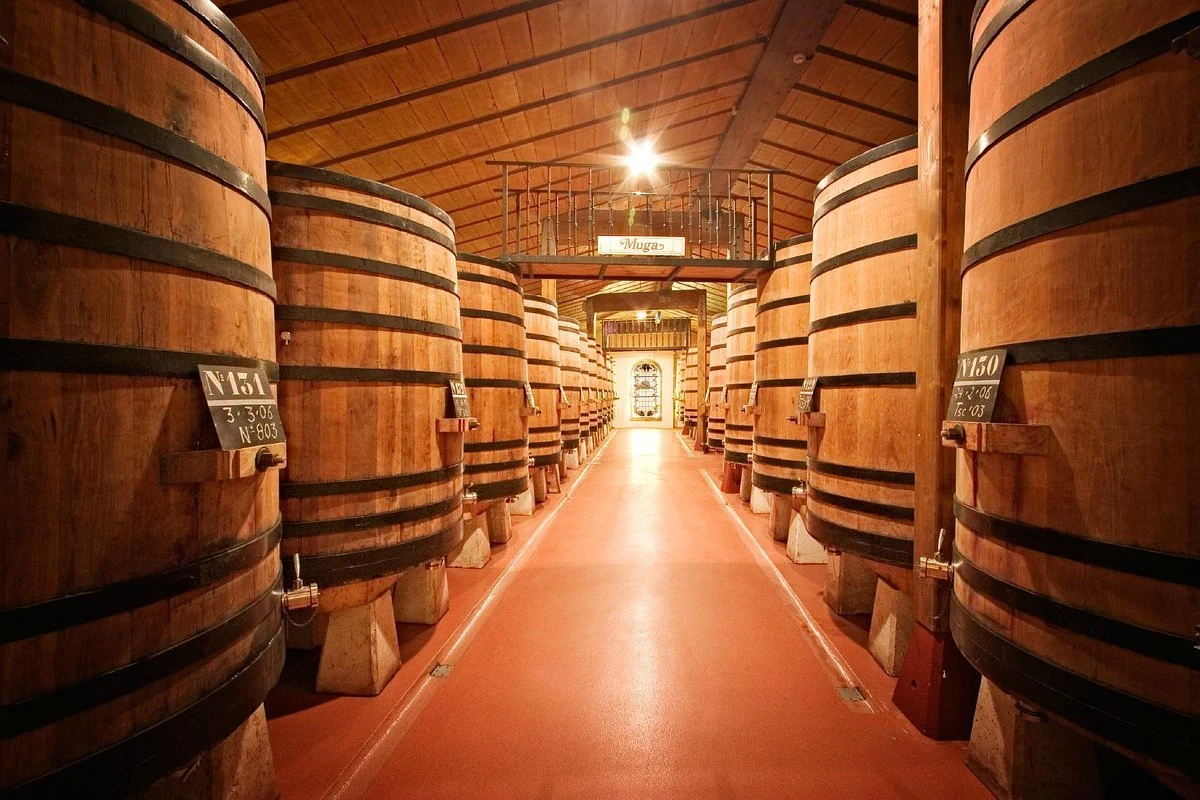
| Bodegas Muga | Haro | World's 50 Best |
| Domaine Denis Mortet | Gevrey-Chambertin | · |
| Domaine Hubert Lamy | Saint-Aubin | · |
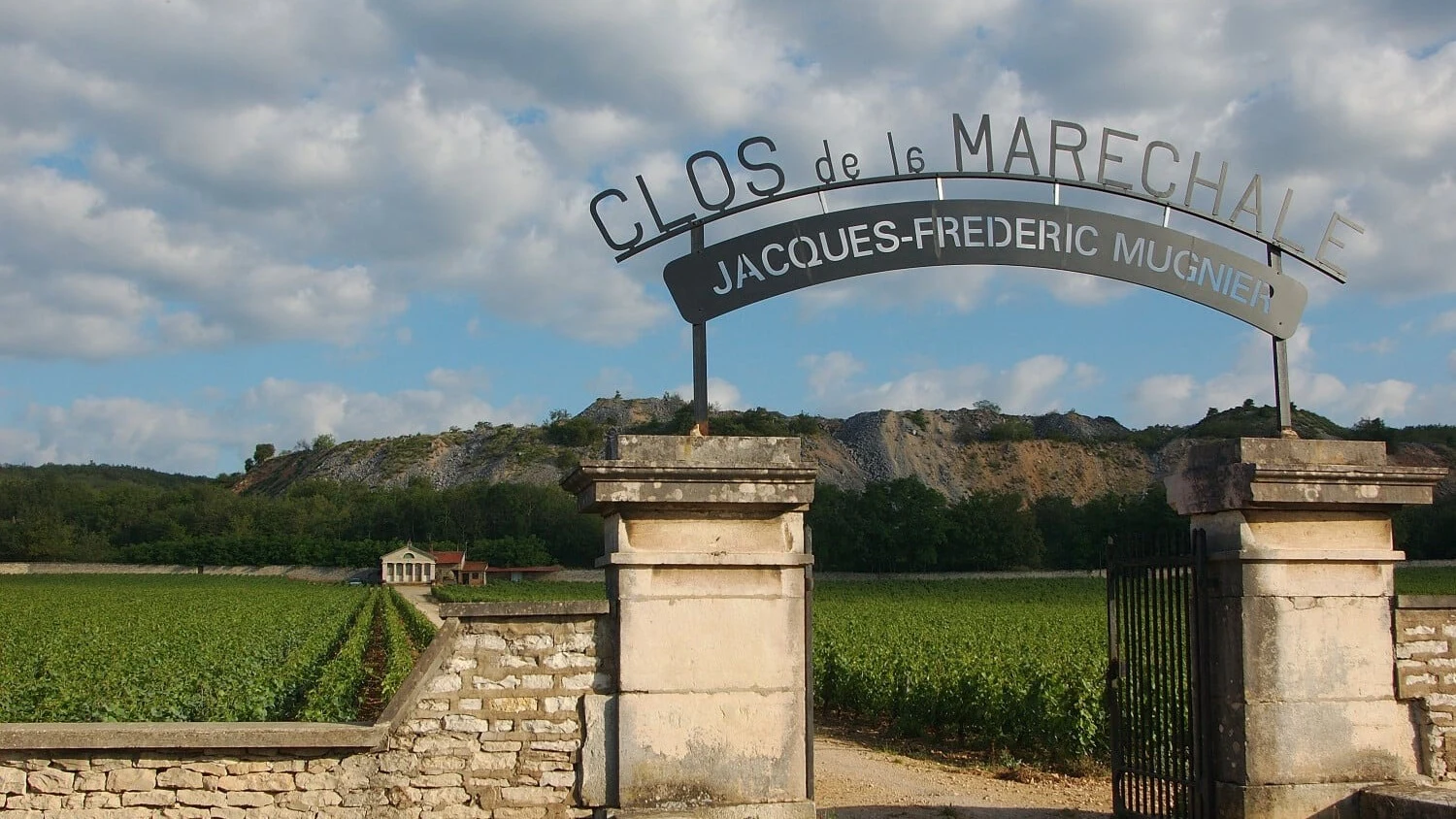
| Domaine Jacques-Frédéric Mugnier | Premeaux-Prissey | · |
| Harlan Estate | Napa | · |
| Michter's | Louisville | · |