Champagne Collet
- 01CityAÿ-Champagne, France
- Falstaff Winery - Listed · 2026
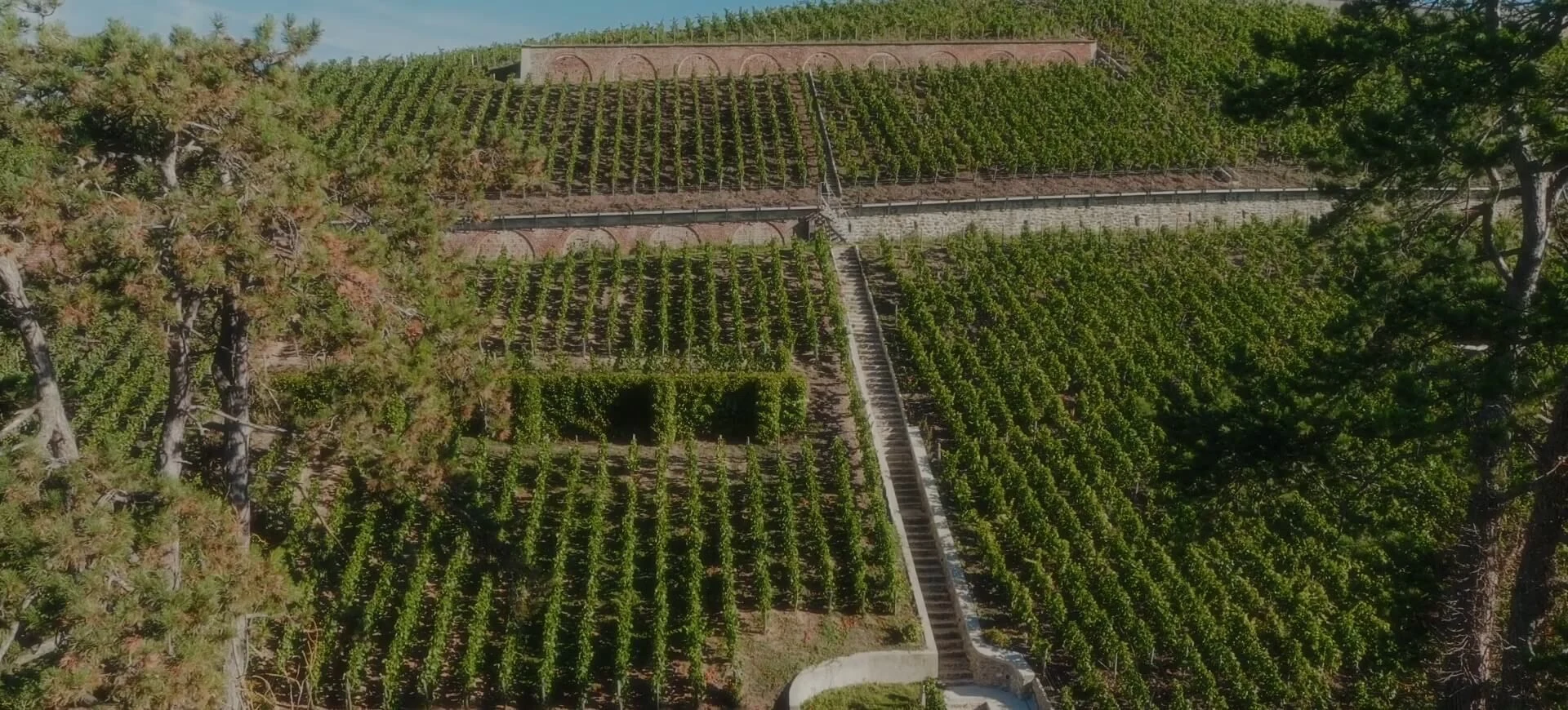
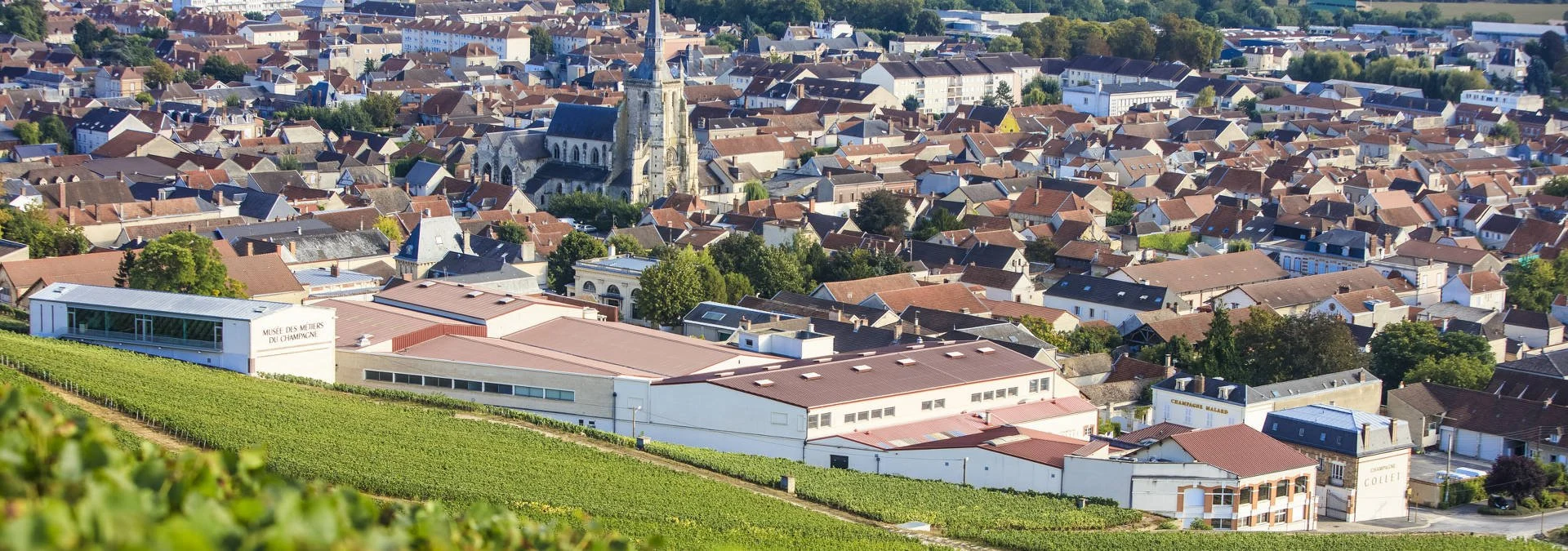
Approaching the Champagne houses of Aÿ-Champagne, the drama is the slope itself: vineyard rows rising above a village whose name carries Grand Cru weight. Here, Champagne Collet is best understood as a lens on the region’s grower-cooperative tradition, where land, blending, and collective viticulture matter as much as house style.
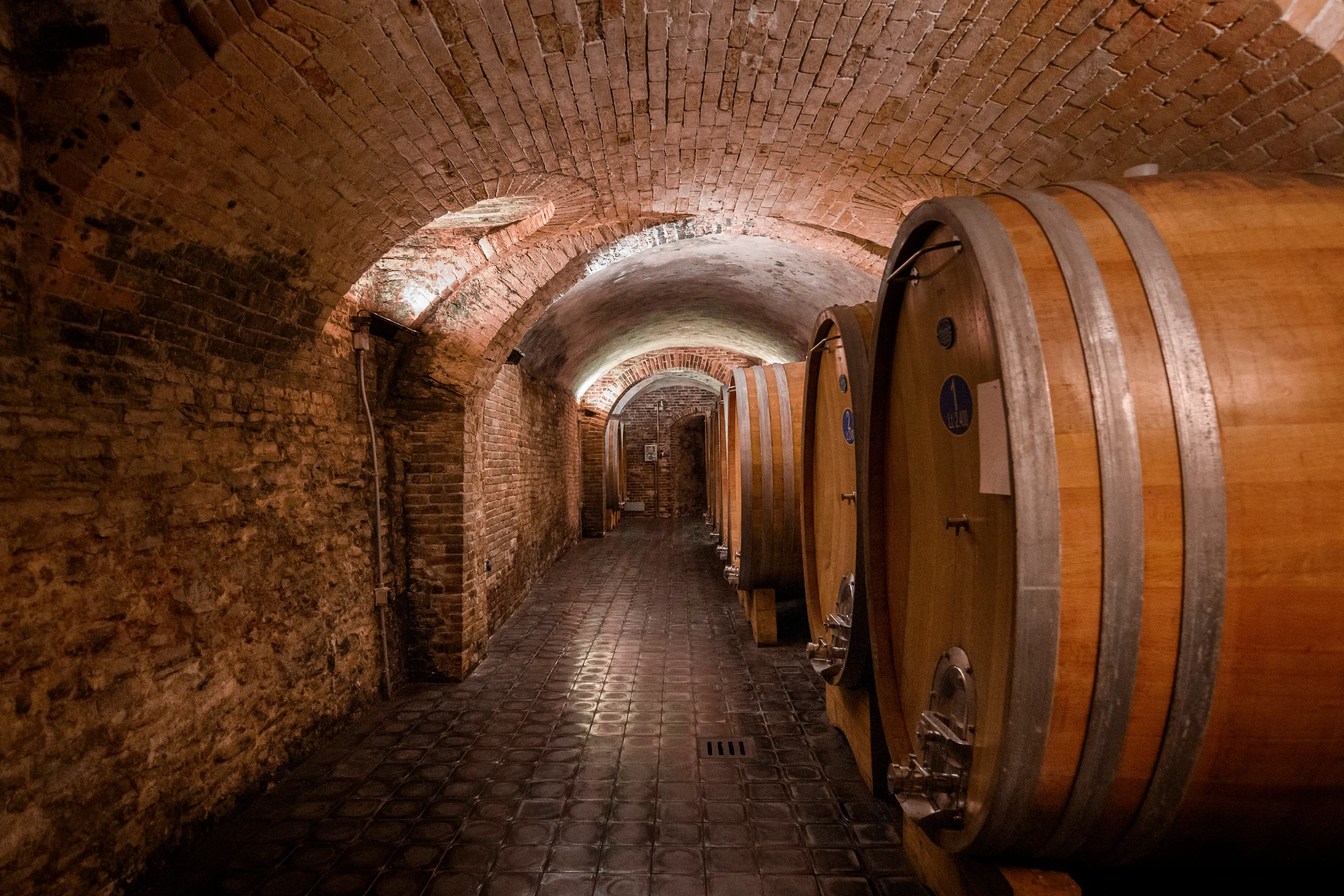
The experience is deliberately educational rather than purely celebratory. Cellar visits, museum-style discovery spaces, and a vineyard-edge panorama return the glass to its context: chalk, hillside exposure, Pinot Noir, Chardonnay, Meunier, and the long administrative memory of Champagne AOC production. For travellers treating Aÿ-Champagne as more than a stop between tastings, it pairs naturally with our full Aÿ-Champagne wineries guide, especially if the aim is to read the village through its houses rather than collect labels.
Aÿ's Grand Cru slope, explained through a cooperative house
Aÿ matters because Champagne is never only méthode champenoise. The village is classified 100% Grand Cru, and its hillside position has long made Pinot Noir central to the local conversation. Founded in 1921, Champagne Collet sits inside that history through a distinctive structure: an independent winegrower house associated with COGEVI, the oldest cooperative of Champagne winegrowers. That matters because cooperative Champagne can be misunderstood by visitors trained to chase small-grower romance or grand maison prestige. Here, scale is part of the argument.
The house draws from a broad viticultural base, with around 150 hectares connected to its own vineyard work and access to fruit through a much larger cooperative network. The point is not volume for its own sake, but how many individual vineyard voices can be kept separate before blending. Collet vinifies crus separately before assemblage, giving the cellar master precision when composing house style. In Champagne, where identity is often built through blending rather than single-site transparency, that is a serious technical signal.
The portfolio makes the terroir argument legible without requiring specialist credentials. Art Déco Brut is the central non-vintage expression; Blanc de Blancs, Blanc de Noirs, Rosé Brut, Extra Brut, demi-sec, vintage releases, and Aÿ Grand Cru bottlings shift the emphasis between grape, dosage, place, and age. The Rosé Brut draws on 20 crus and includes Pinot Noir, Chardonnay, and Meunier, while Esprit Couture Premier Cru is vinified in small aged oak barrels. These details place the wines inside Champagne’s broader grammar: blending can be expansive, oak selective, and Grand Cru identity one voice within a wider house composition.
For a second Aÿ-Champagne reference point, Champagne Philipponnat offers another view of village identity, but Collet’s strength is turning cooperative heritage into a visitor-facing explanation of terroir. Further afield, growers such as Agrapart & Fils in Avize and A. Margaine in Villers-Marmery sit in different Champagne contexts, useful for travellers building a regional picture across villages.
The visit format favors context over spectacle
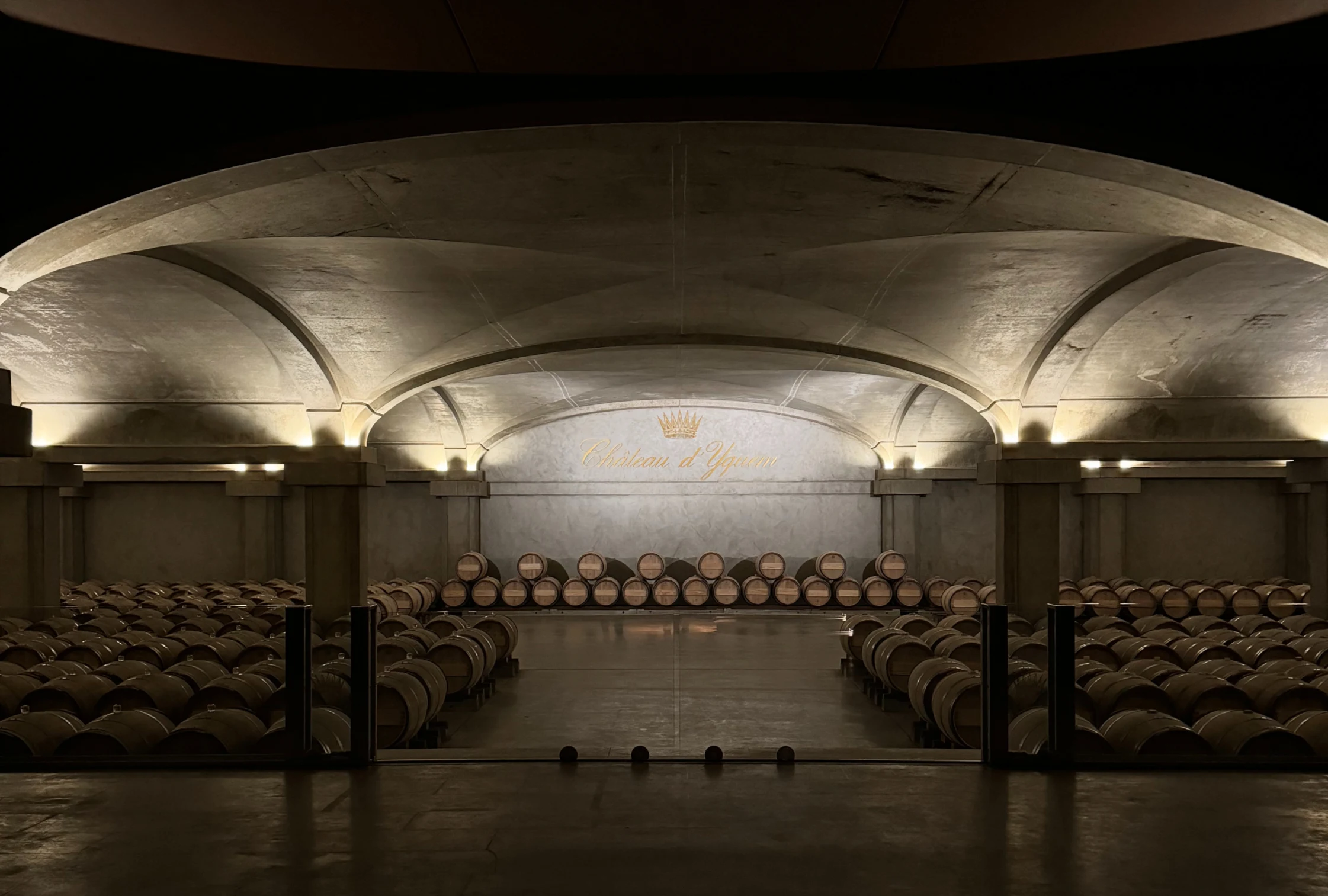
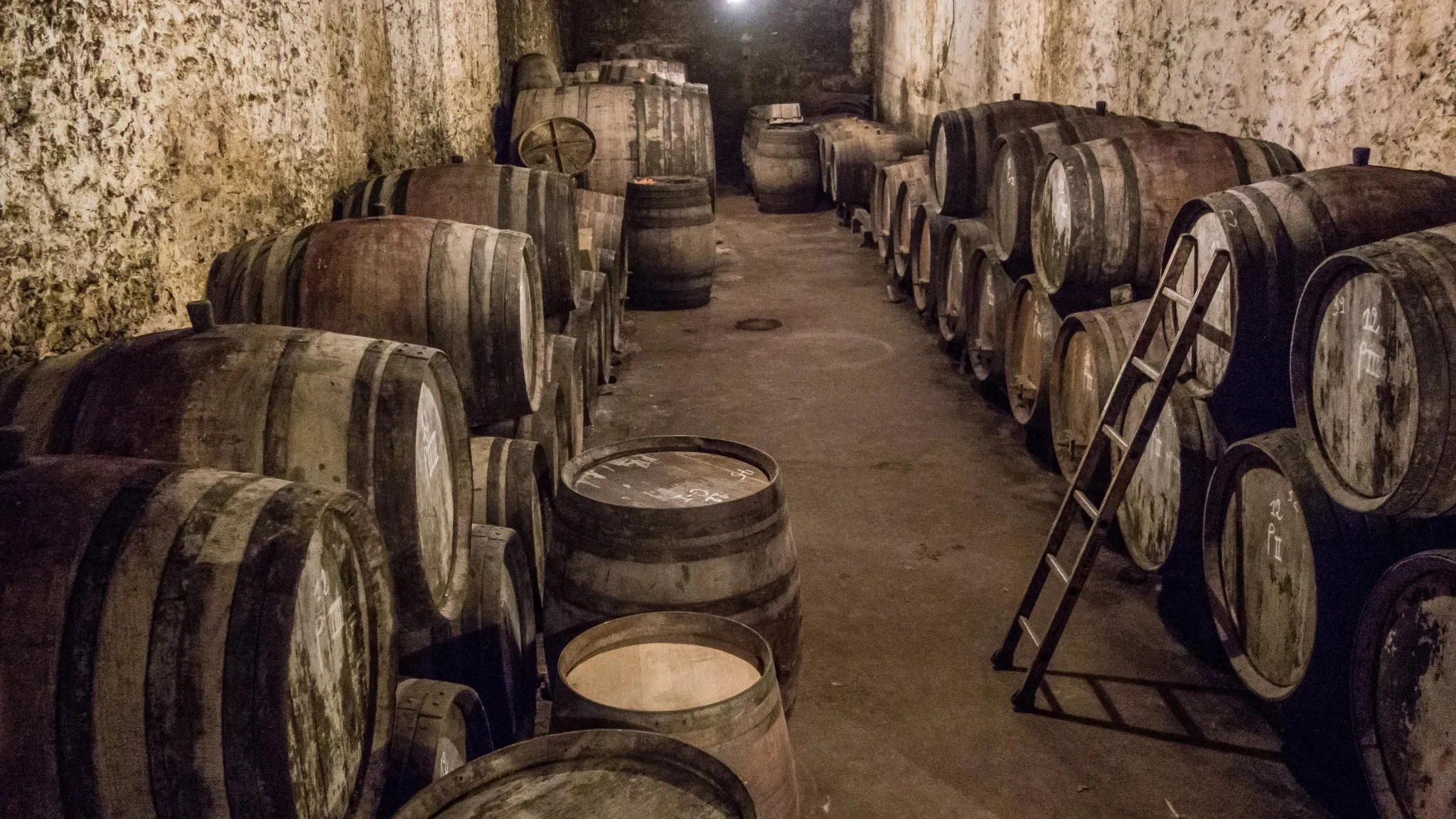
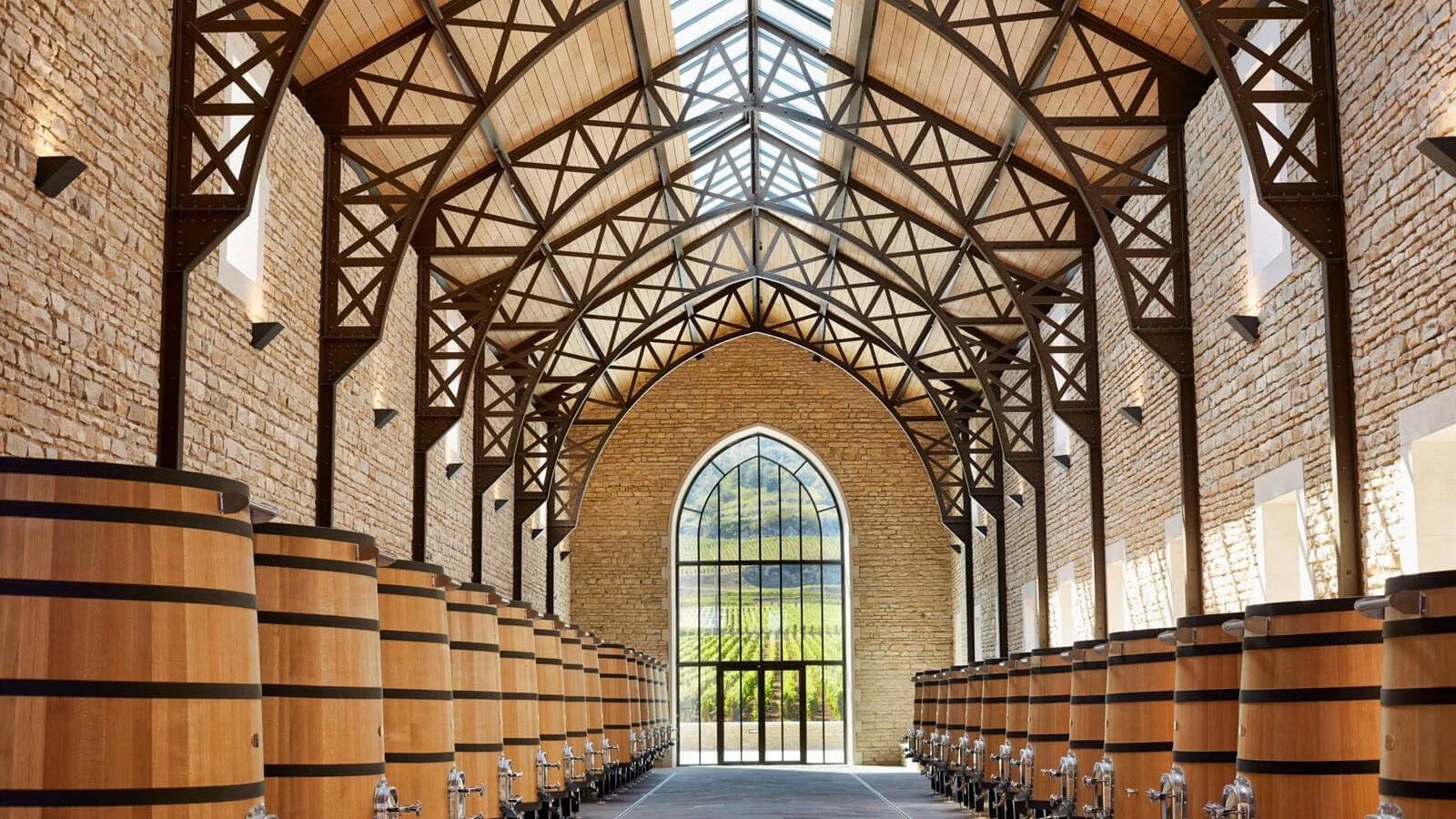
The Cité du Champagne format gives the visit its shape: cellar route, heritage material, production explanation, tasting, and view. That order is sensible. Champagne tourism can become a sequence of pours with little retained understanding; here, the museum collection, with more than 1,500 tools and documents, anchors the tasting in agricultural and cellar work before the glass arrives. The room is quiet, polished, and structured for learning rather than noise.
The vineyard panorama is not decorative. It closes the loop between the Aÿ hillside and the cuvées poured after the visit, exactly what a Champagne-house experience should do when terroir is central. The setting is also practical for groups and wine-education travel, because it can absorb visitors seeking history, production method, and tasting language in one controlled sequence.
Recognition here is more culinary than trophy-driven. Champagne Collet is partner of the 2026 Prosper Montagné Culinary Prize, a useful signal because the house consistently frames its wines around gastronomy and the table. That gives the portfolio a different emphasis from luxury-label Champagne: the question is not only what to drink, but where dosage, grape composition, and ageing sit with food.
How to place it in a wider Aÿ-Champagne itinerary
Aÿ-Champagne rewards slow scheduling. The village is compact, but its meaning comes from vineyard position and house history, not rushing between counters. Travellers building a full day can pair a Champagne-house visit with our full Aÿ-Champagne restaurants guide and use our full Aÿ-Champagne hotels guide if staying close to the vineyards rather than treating the area as a day trip. Evening planning is covered in our full Aÿ-Champagne bars guide, while non-wine pacing sits in our full Aÿ-Champagne experiences guide.
Collet is strongest for travellers who want Champagne explained through land and cooperative structure rather than prestige cues alone. The house has a casual dress code, quiet atmosphere, group-friendly capacity, and guided tasting format; reservations are recommended. The Revelation tasting runs 30 minutes and includes three cuvées, while the broader visit format can stretch toward 45 minutes depending on the route. Parking is handled by nearby garage options, and payment is accepted by cash, credit card, and debit card.
For broader wine travel across France and nearby Europe, the same editorial question applies: what does the visit teach about place? Compare the Champagne structure here with heritage-led wine sites such as Abbaye de Fontfroide in Narbonne, regional producers like Abbotts & Delaunay in Marseillette, larger French wine groups such as Advini in Saint Felix De Lodez, and southwest names including Alain Brumont in Castelnau Riviere Basse. Burgundy-oriented travellers may also file Alain Gras in Saint-Romain for a different expression of village identity, while European outliers such as »der Steiner« Hans Steiner in Podersdorf am See and & Handwein in Mannheim show how format, region, and hospitality change once Champagne’s rules fall away.
The case for Champagne Collet is clearest when the traveller values explanation. It is not the house to choose for secrecy or cult scarcity; allocation is open, production scale is large, and the visit is designed to be accessible. Its interest lies in making Aÿ’s Grand Cru setting, cooperative history, and blended Champagne craft visible in a single visit.
Questions
Frequently asked
How expensive is Champagne Collet?
Champagne Collet is listed at a price level of $$.
The field
How it compares
| Place | Notes | Awards |
|---|---|---|
| Champagne Collet | Aÿ-Champagne, $$ | · |
| Champagne Philipponnat | Aÿ-Champagne | · |
| Château d'Yquem | Sauternes | World's 50 Best |
| Château Rayas | Châteauneuf-du-Pape | · |
| Château Rieussec | Fargues | · |
| Domaine Faiveley | Nuits-Saint-Georges | World's 50 Best |
| Gaja | Barbaresco | World's 50 Best |