Made ByWinery
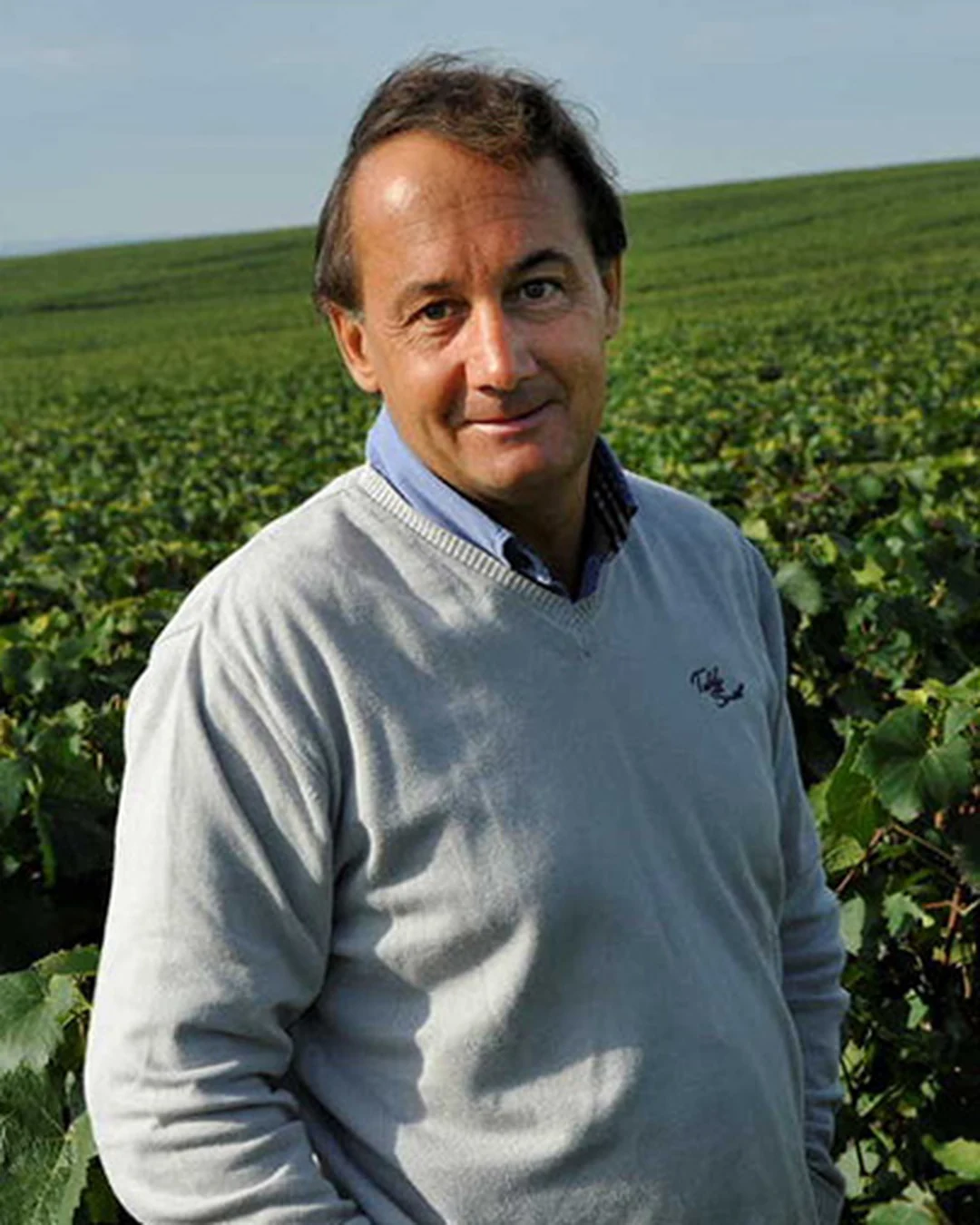
Francis Egly, winemaker at Champagne Egly-Ouriet in Ambonnay, shapes Pinot Noir-led grower Champagne through organic farming and long lees aging.
At a glance
- Price
- $$$$
- Neighborhood
- Ambonnay
Full clusters in the gentle press
Full clusters go into the refrigerated gentle press before the cellar takes over; Francis Egly, winemaker at Champagne Egly-Ouriet in Ambonnay, keeps that first decision close to the vineyard. He has led the family estate since 1982, the fourth generation to work from this Grand Cru village on the Montagne de Reims. His path here is not one of reinvention for its own sake. The estate had farmed vines before his tenure; under Egly, the family name became a direct extension of estate bottling, old-vine farming, ripeness, site, time on lees, and restraint in dosage.
The lineage is practical. Egly took over from his father Michel, and the family name itself joins the Egly and Ouriet sides of the domaine. Clémence Egly now works alongside him, part of the next generation at a house whose attention remains fixed on the vineyard before the cellar. Pinot Noir carries the central register here, especially from Ambonnay, Bouzy, and Verzenay, with Chardonnay and premier cru Pinot Meunier from Vrigny also in the range. The work begins in the parcels, not in a blending room abstracted from them.
Lees as a working material
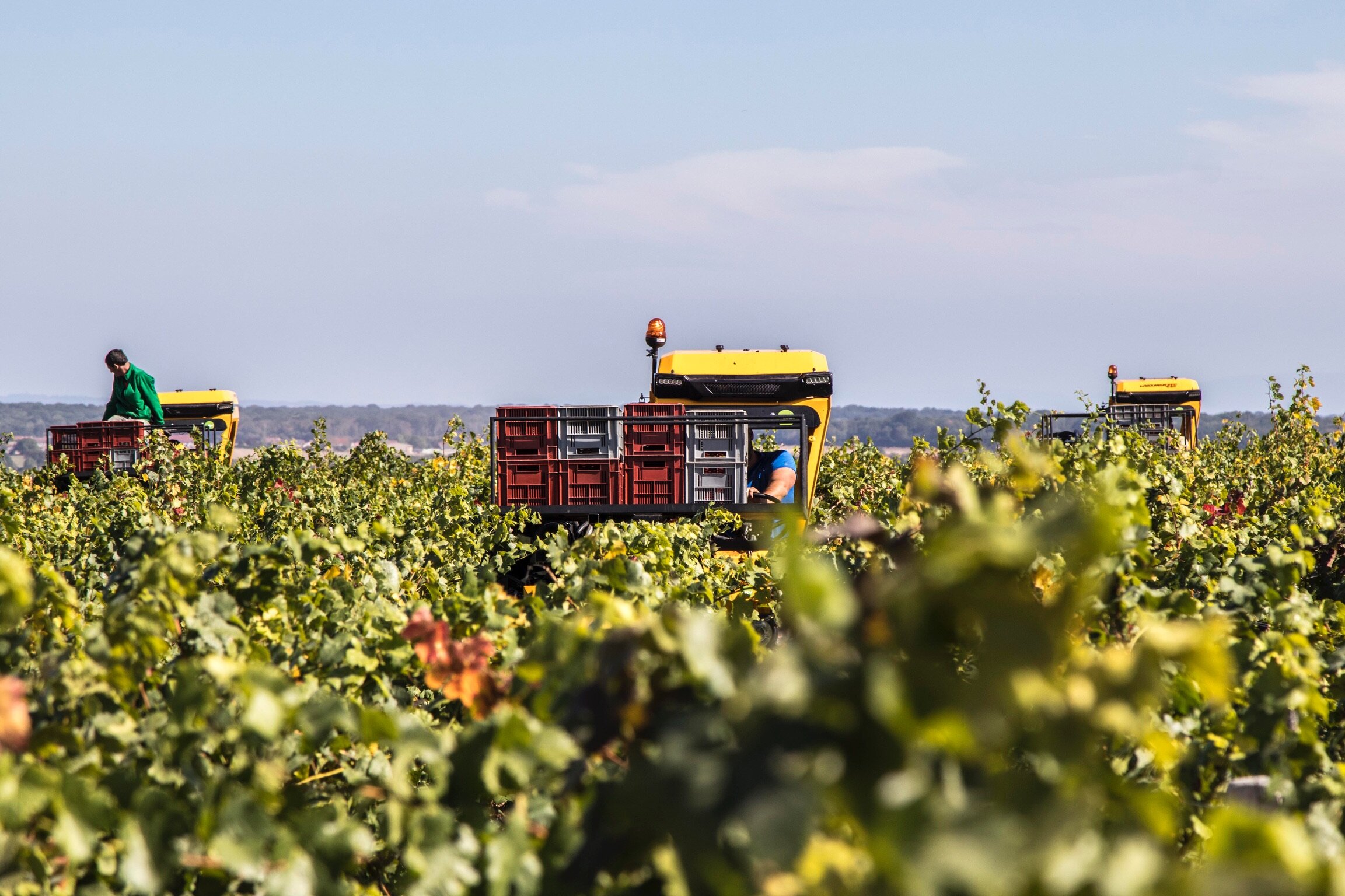
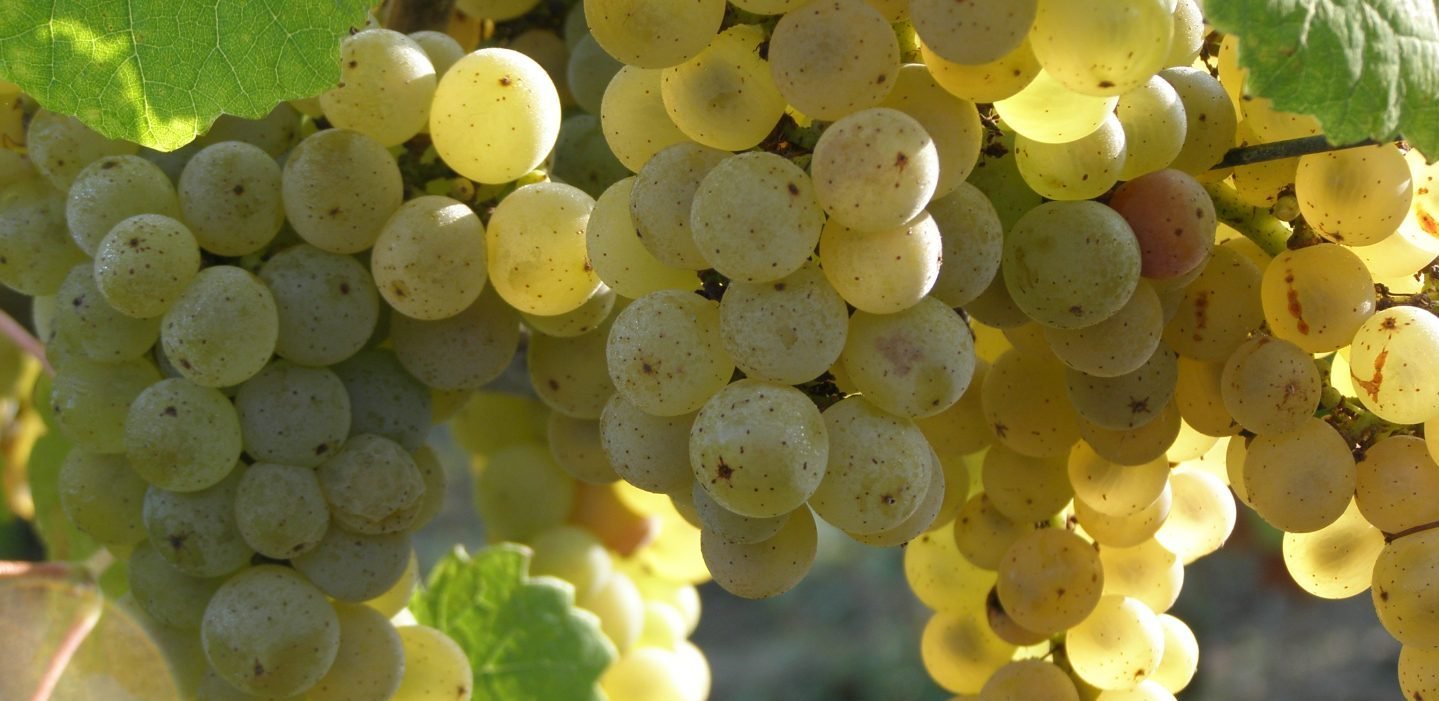
The estate farms organically, restricts yields, replants with massal selections, and harvests by hand at full ripeness. Egly’s aim is not simply sugar; it is material with enough concentration and structure to live through long aging. The holdings are described at roughly 20 hectares, including 10 hectares of Grand Cru vines across Ambonnay, Bouzy, and Verzenay. The core plantings are given as 70% Pinot Noir and 30% Chardonnay, with Pinot Meunier held separately in Vrigny.
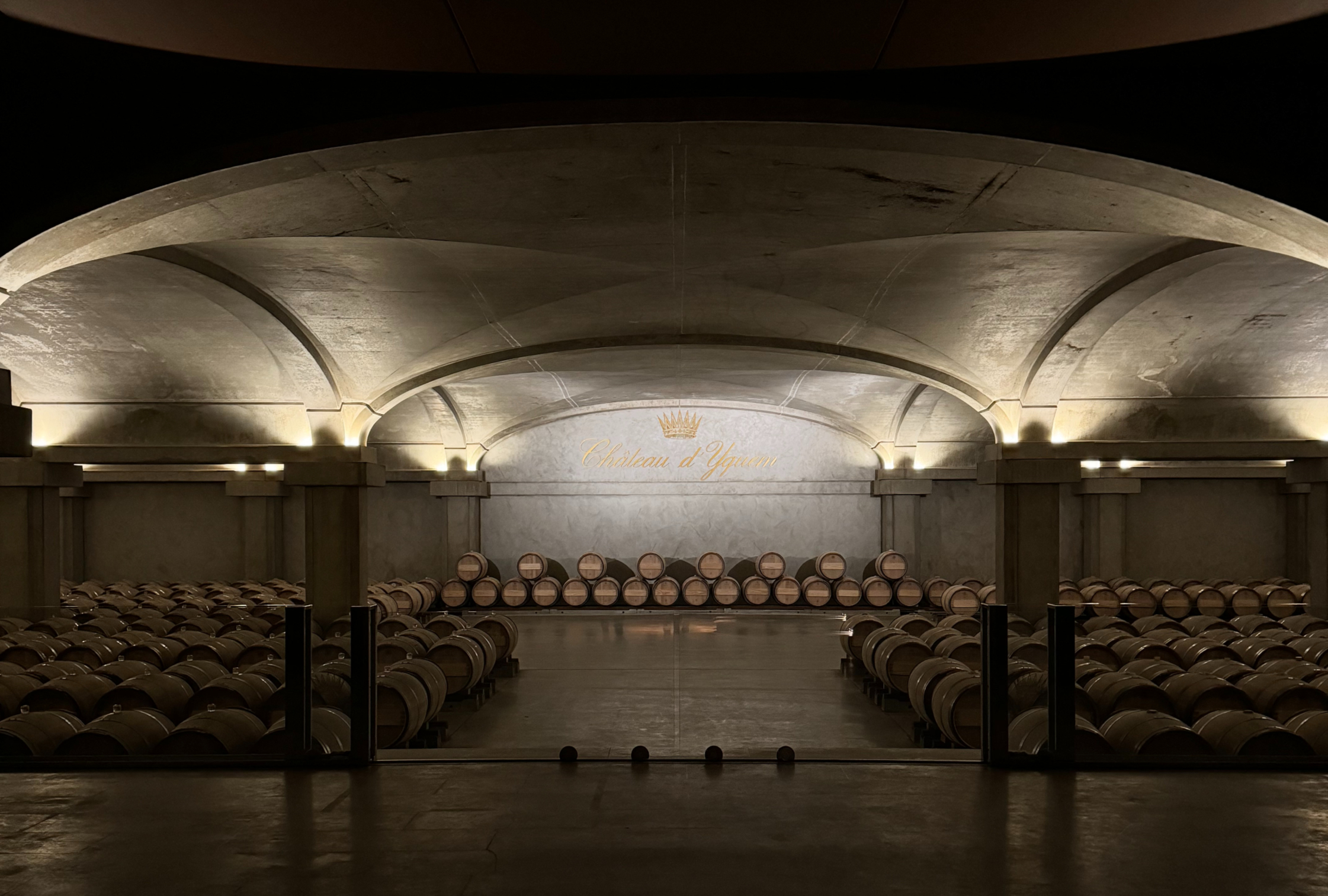
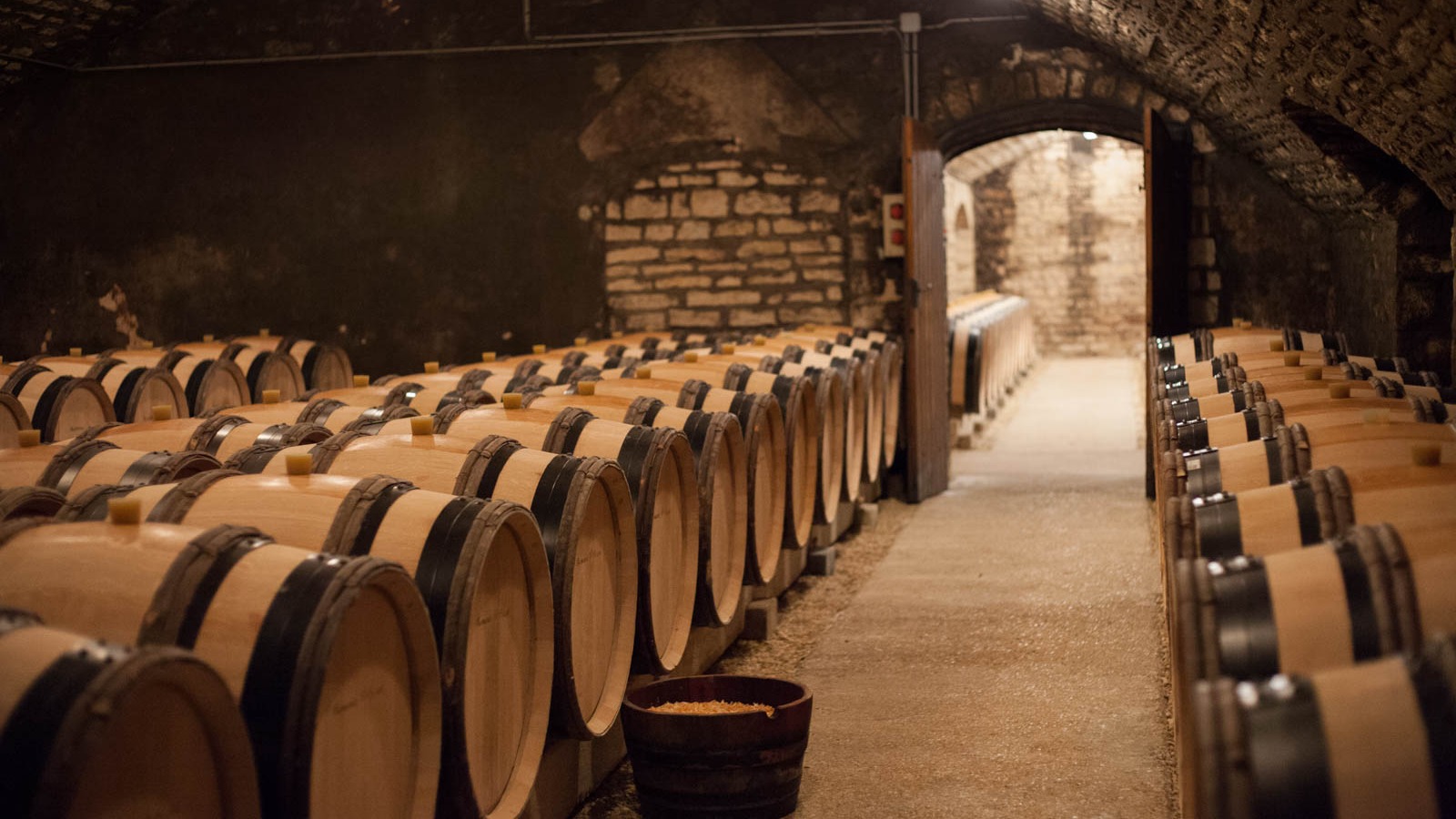
In the cellar, indigenous yeasts start the fermentations, and the wines are raised in French oak barrels and tanks. Malolactic fermentation may happen or may be blocked, depending on what the vintage asks of the base wine. The longer gesture is lees aging. Egly holds bottles on fine lees for a minimum of 36 months, with Grand Cru wines often extended to 48 months. Grand Cru V.P. spends 84 months; Blanc de Noirs Les Crayères spends 72 months. Dosage stays low, around 1g/l to 3g/l, and the wines are bottled unfined and unfiltered, leaving texture intact.
The cellar before the tasting room
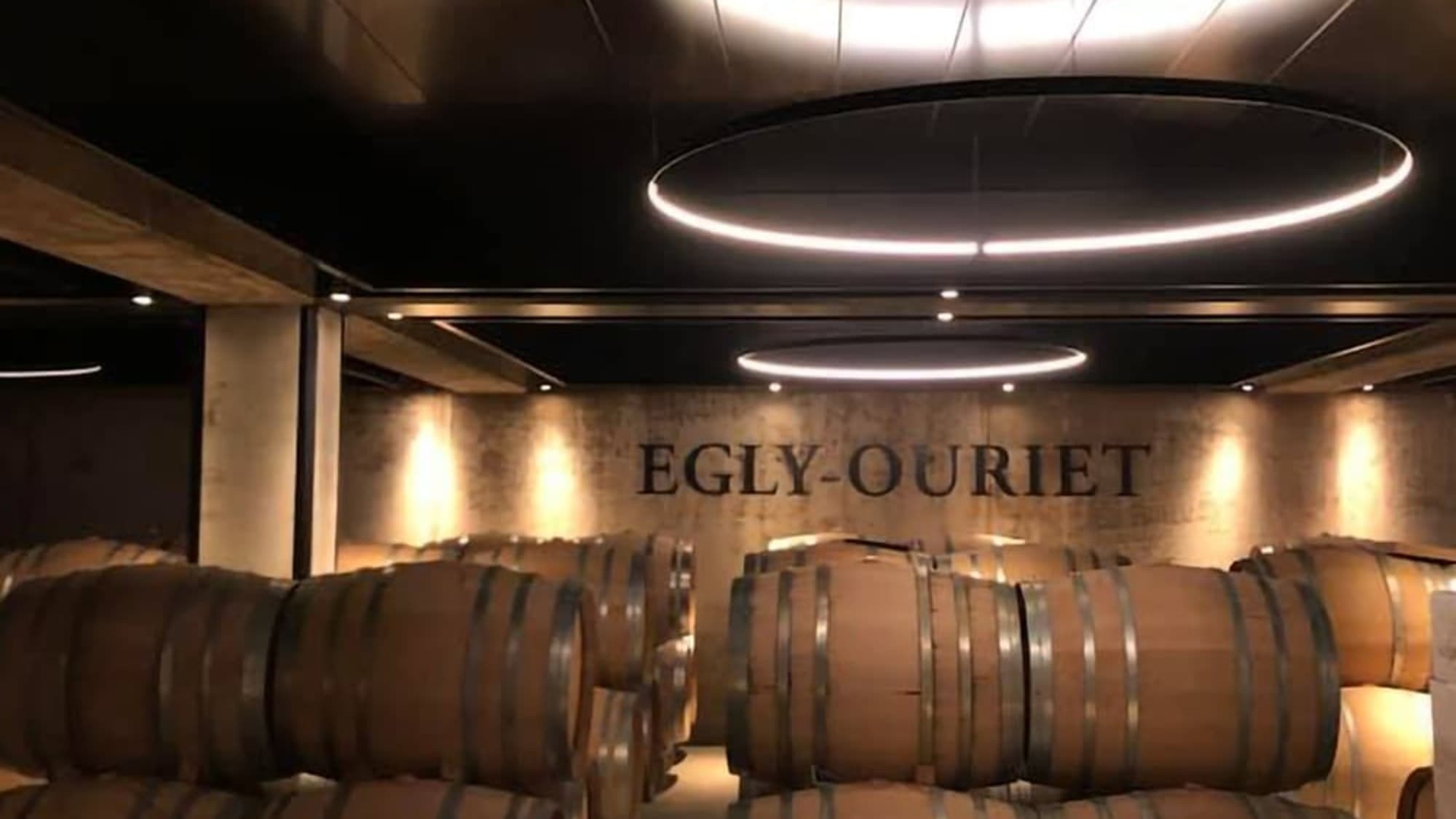
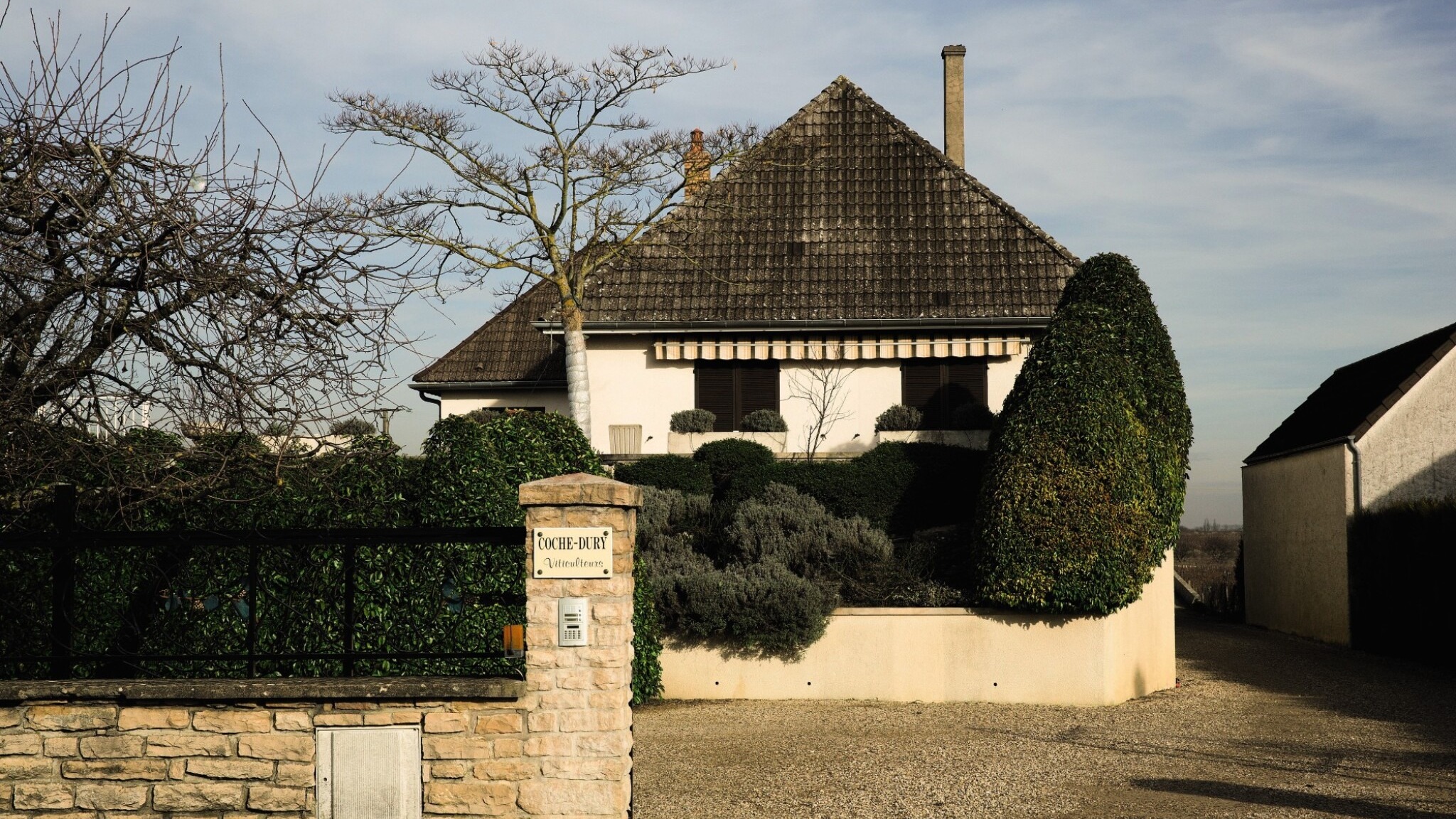
The place reads as a grower domaine rather than a tourism house. The cellar, the vineyard, and the tasting room sit in a quiet order, with the work of Ambonnay Pinot Noir setting the pace. This is Champagne AOC, but the cellar language often feels closer to a domaine in Burgundy: parcels, ripeness, barrel, lees, patience. The room does not need theatricality. Bottles carry the duration.
Les Crayères gives the most direct sense of that discipline. The plot was planted in 1946/7, and the wine is 100% Pinot Noir, drawn from Ambonnay chalk and held long enough for fruit, toast, and mineral pressure to sit together rather than compete. Grand Cru Extra Brut works in a broader register, a structured reading of Ambonnay Grand Cru fruit with Pinot Noir at the front of the blend. The estate’s next statement is likely to come in the same grammar: full ripeness, low dosage, and the patient release of Les Crayères.
Know before you go
- Dress code
- smart_casual
- Reservations
- appointment_only
- Parking
- street
- Payment
- credit_card, debit_card, cash
- Groups
- Welcomed
Address
Ambonnay, Grand Est, Frankreich
Ambonnay