Low dosage, long cellar aging
- Falstaff Winery - Listed · 2026
Brut Origine at the blending bench
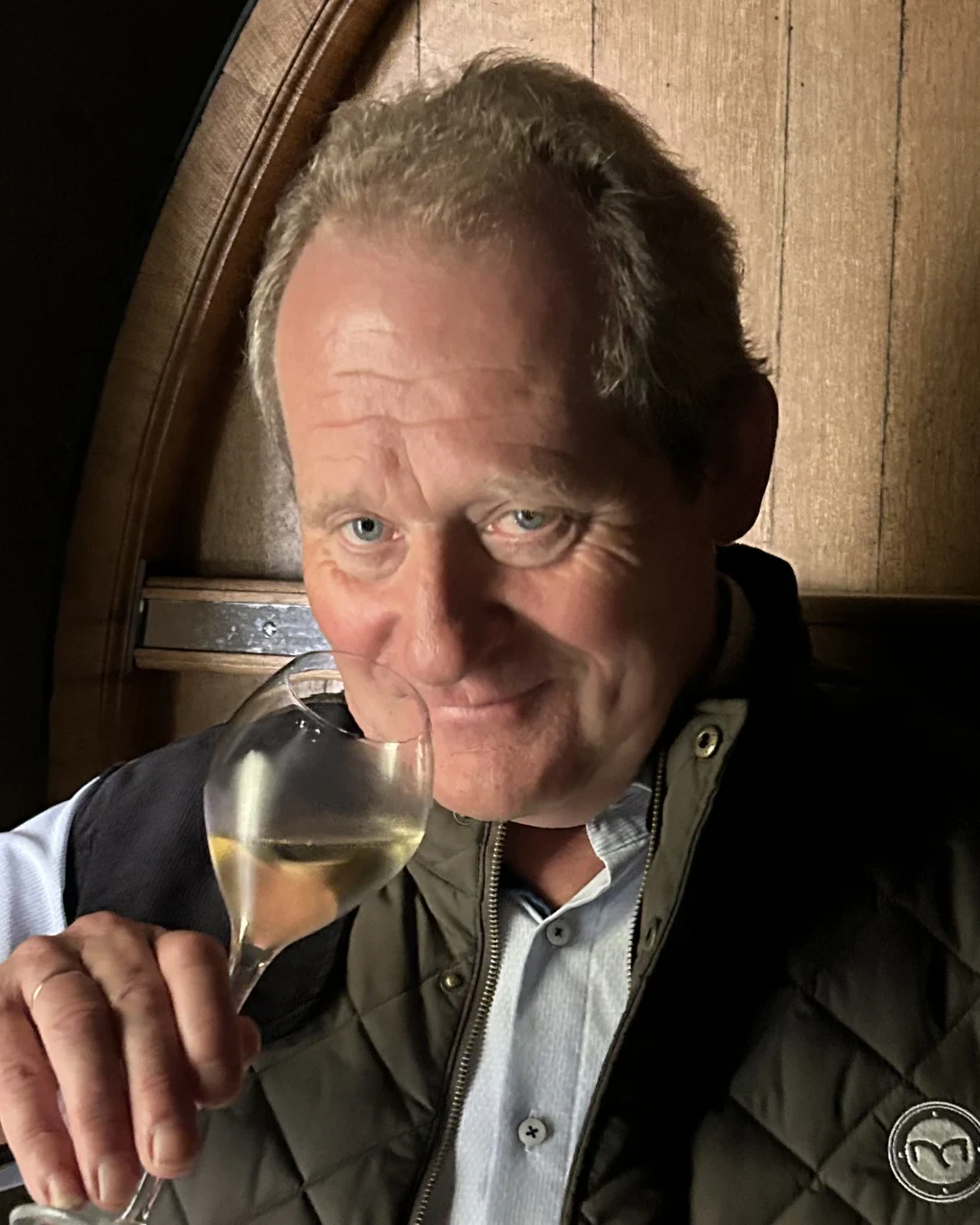
Brut Origine still gives Claude Mandois, winemaker at Champagne Mandois in Pierry, the first measure of his own hand at the estate. He joined the family house in 1982 and made that champagne without help from his father or grandfather, a beginning that placed assembly at the center of his work rather than at its finish. Today he is president as well as the cellar voice of the house, the ninth generation in a line that began when Jean Mandois acquired vineyard plots on the hillsides of Épernay in the mid-18th century. The family house dates to 1735, and its move from grower to maker came in 1862, when Victor Mandois became the first winemaker in the family line. Claude’s tenure has kept that lineage practical: plot decisions, vessel decisions, dosage decisions. His own description of the work is plain: “The blending of Brut Origine is one of the most rewarding aspects of my role as cellar master.” At Champagne Mandois, that sentence lands in the cellar, not in a family tree.
Plot by plot, vessel by vessel
The estate farms about 35–37 hectares across 12 villages, with Chardonnay, Pinot Meunier and Pinot Noir carrying the house’s Champagne AOC work. Under Claude, the farming moved toward organic viticulture over a long conversion, with certification reached in 2017 and 23 hectares closest to Pierry certified organic under the French AB label in 2020. The method in the cellar keeps separate materials in play rather than pushing every lot through one path. Indigenous yeasts begin the fermentations; vinification takes place in foudres or small vats, with stainless steel, concrete tulip tanks, wooden foudres and oak vessels each used where the lot asks for it. Some wines, including Grands Crus, age in oak demi-muids of 600 liters. Filtration stays very light. The house style depends on low dosage without thinning the wine, freshness without losing breadth, and long aging in the cellars before release. Clos Mandois, a 100% Meunier wine, is fermented and matured entirely in wood, then spends over ten years on the lees. That is time as structure, not ornament.
The cellar under Pierry
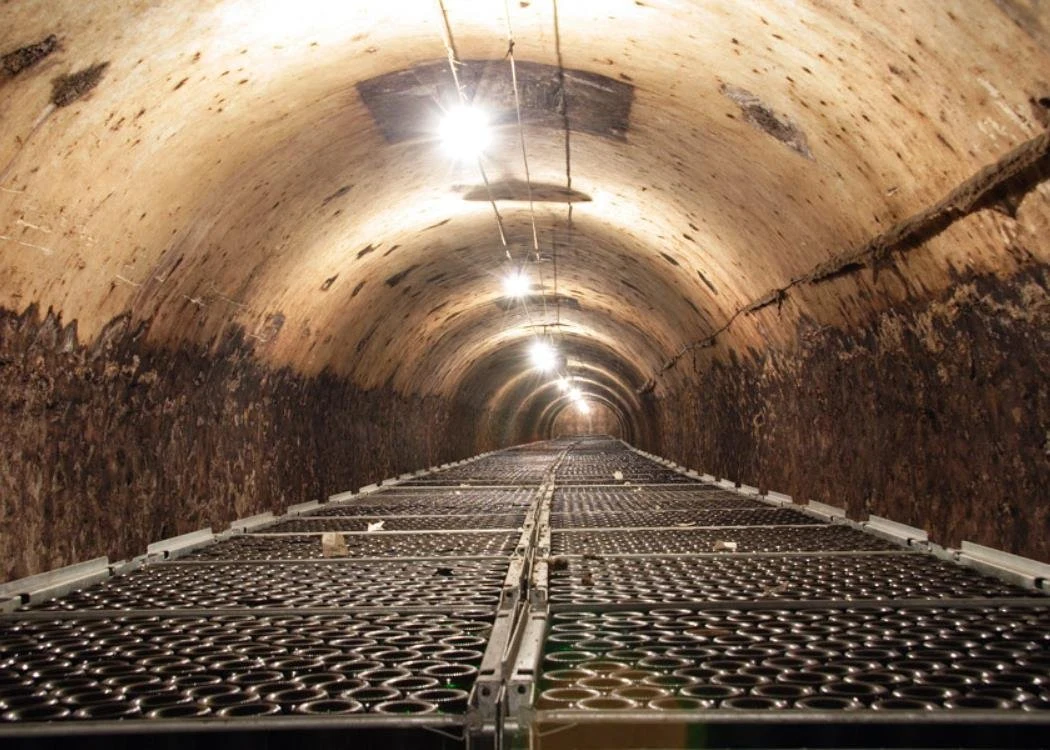
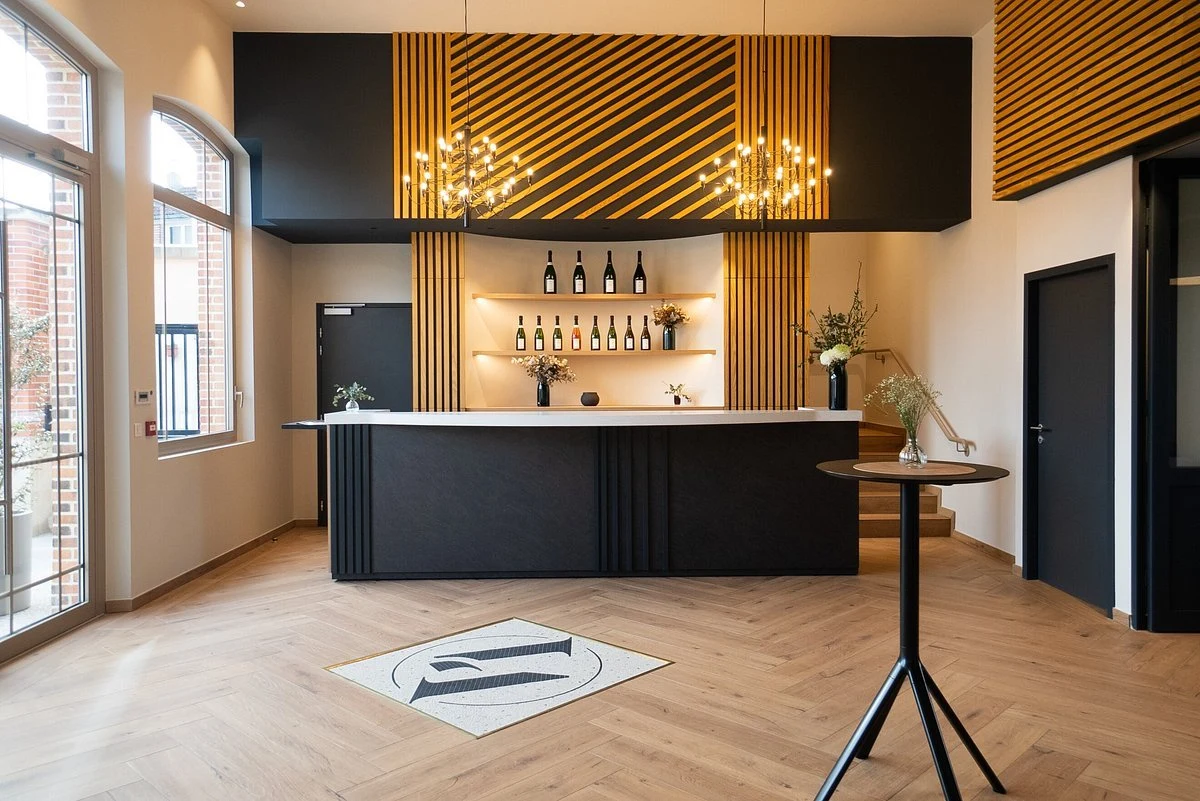
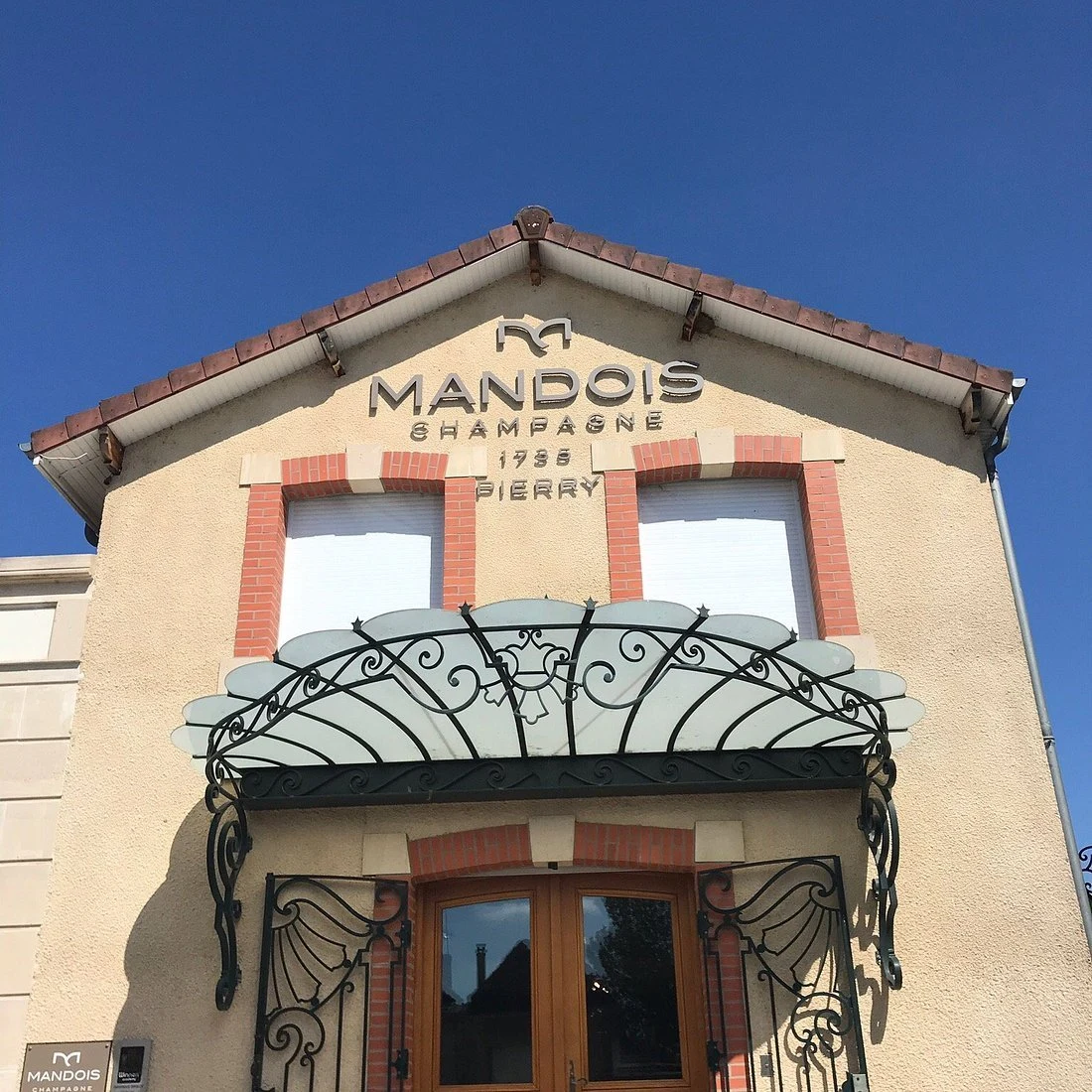
The room above ground is small and conversational, a tasting space attached to a working house rather than a performance of one. Pierry sits in the Côteaux Sud d’Épernay, with the vineyards running out over rolling hillsides and the cellar below holding the slower part of the program. The place carries the atmosphere of a family Champagne estate that still thinks first as a grower: presses, vessels, bottles at rest, then the glass. Staff keep the tasting room friendly and informative, but the center of gravity remains below, in the long-aging cellars and in the blends that return to them. Brut Origine gives the house its daily grammar. Vertus 2020 gives Claude a later marker, a champagne made as a tribute to a founding terroir, and a way to look back through place without leaving Pierry.
Questions
Frequently asked
Who is behind Champagne Mandois in Pierry?
Claude Mandois is the winemaker and president of Champagne Mandois in Pierry. He joined the family house in 1982, and the family line at Mandois dates back to 1735.
What is Champagne Mandois known for?
The house works with organic plots, low dosage and long cellar aging. Its style also relies on separate fermentation and vessel choices, with indigenous yeasts and light filtration.
What grapes and farming practices does the estate use?
Champagne Mandois farms about 35 to 37 hectares across 12 villages, using Chardonnay, Pinot Meunier and Pinot Noir for its Champagne AOC work. The estate moved toward organic viticulture over a long conversion, reached certification in 2017, and had 23 hectares closest to Pierry certified organic under the French AB label in 2020.
What can be said about the cellar work at Mandois?
The cellar work keeps different materials and vessels in play, including stainless steel, concrete tulip tanks, wooden foudres and oak vessels. Some wines, including Grands Crus, age in oak demi-muids of 600 liters, and Clos Mandois spends over ten years on the lees.
Is it necessary to book ahead for a visit?
Reservations are recommended.
The field
How it compares
| Place | Notes | Awards |
|---|---|---|
| Champagne Mandois | Pierry (Côteaux Sud d’Épernay, Premier Cru), $$$ | · |
| Bollinger | Aÿ | World's 50 Best |
| Champagne Bouché Père et fils | Pierry | · |
| Champagne Jean Marc Sélèque | Pierry | · |
| Champagne Vincent d'Astrée | Pierry | · |
| Château Suduiraut | Preignac | · |
| Kumeu River Wines | Kumeu | World's 50 Best |