Biodynamic Verzy across sixty parcels
- Falstaff Winery - Listed · 2026
Stewardship taken up in Verzy
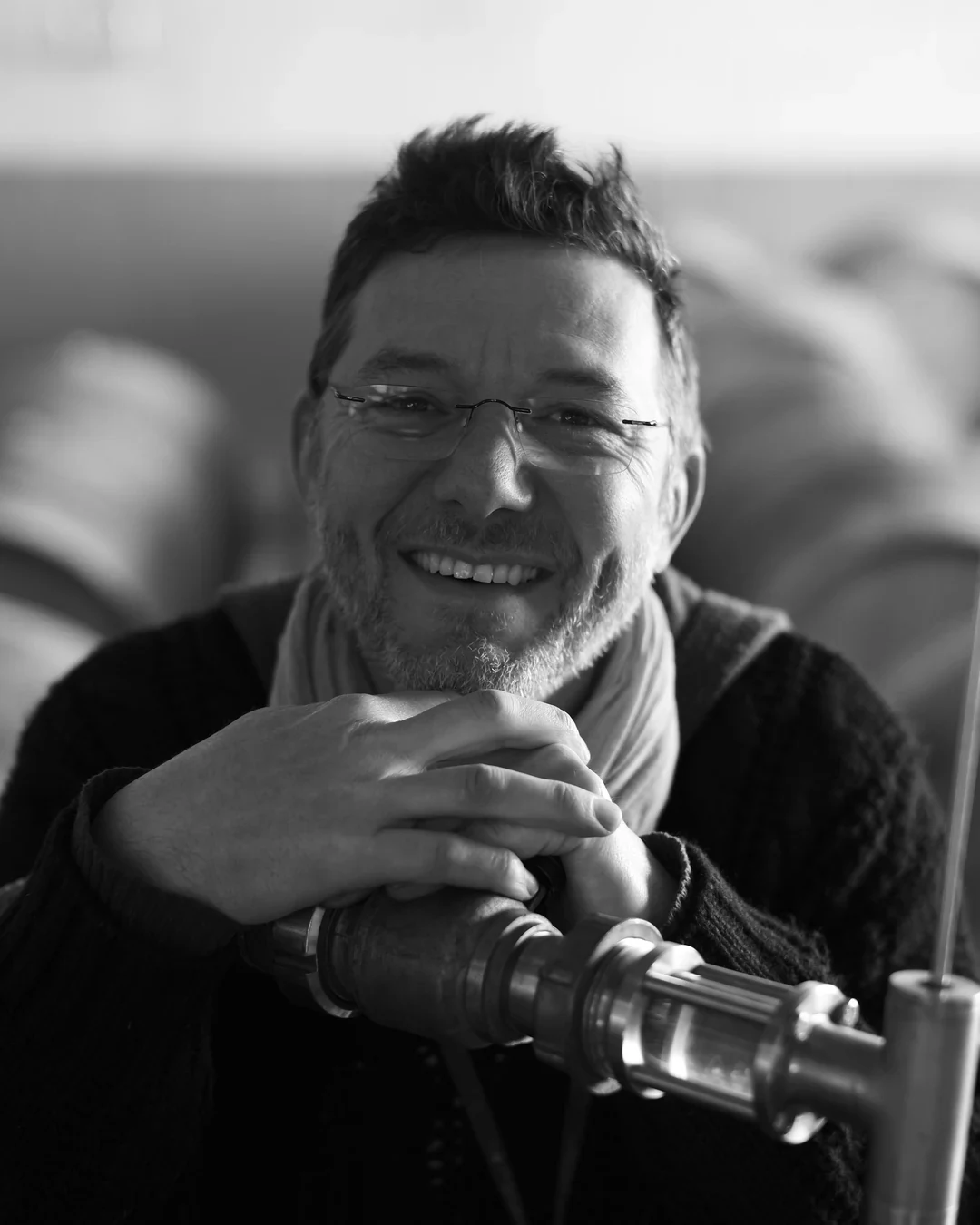
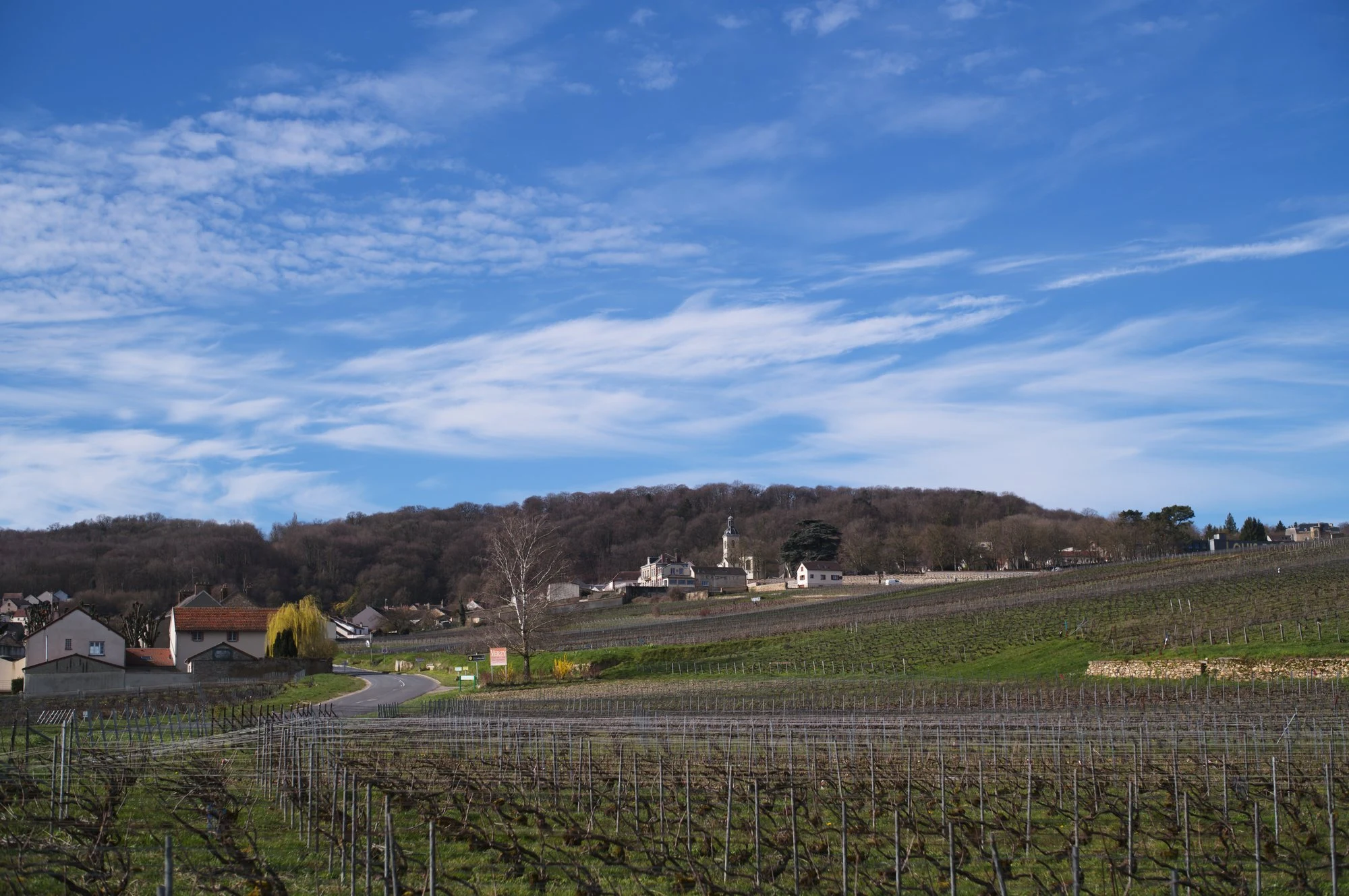
The parcels are worked as separate obligations, not a single block. Sébastien Mouzon-Leroux, winemaker at Champagne Mouzon Leroux et fils in Verzy, keeps that discipline close to the cellar door. Since 2002, his station has been the family estate in the Grand Cru village of Verzy on the Montagne de Reims, where the house name carries both sides of the family line. The property reaches back to 1776, and the modern label carries a later turn in the family’s work: grapes once supplied to a larger Champagne house became wines bottled under the family’s own name. The estate later took the Mouzon-Leroux name after Philippe Mouzon and Pascale Leroux joined their family lines. Sébastien’s role is not presented as a detour through many houses. It is a return held in place by repetition, by the same village, the same chalk, the same cellar, and by the responsibility of making decisions where the family has long farmed.
Sixty parcels, seven varieties, one method
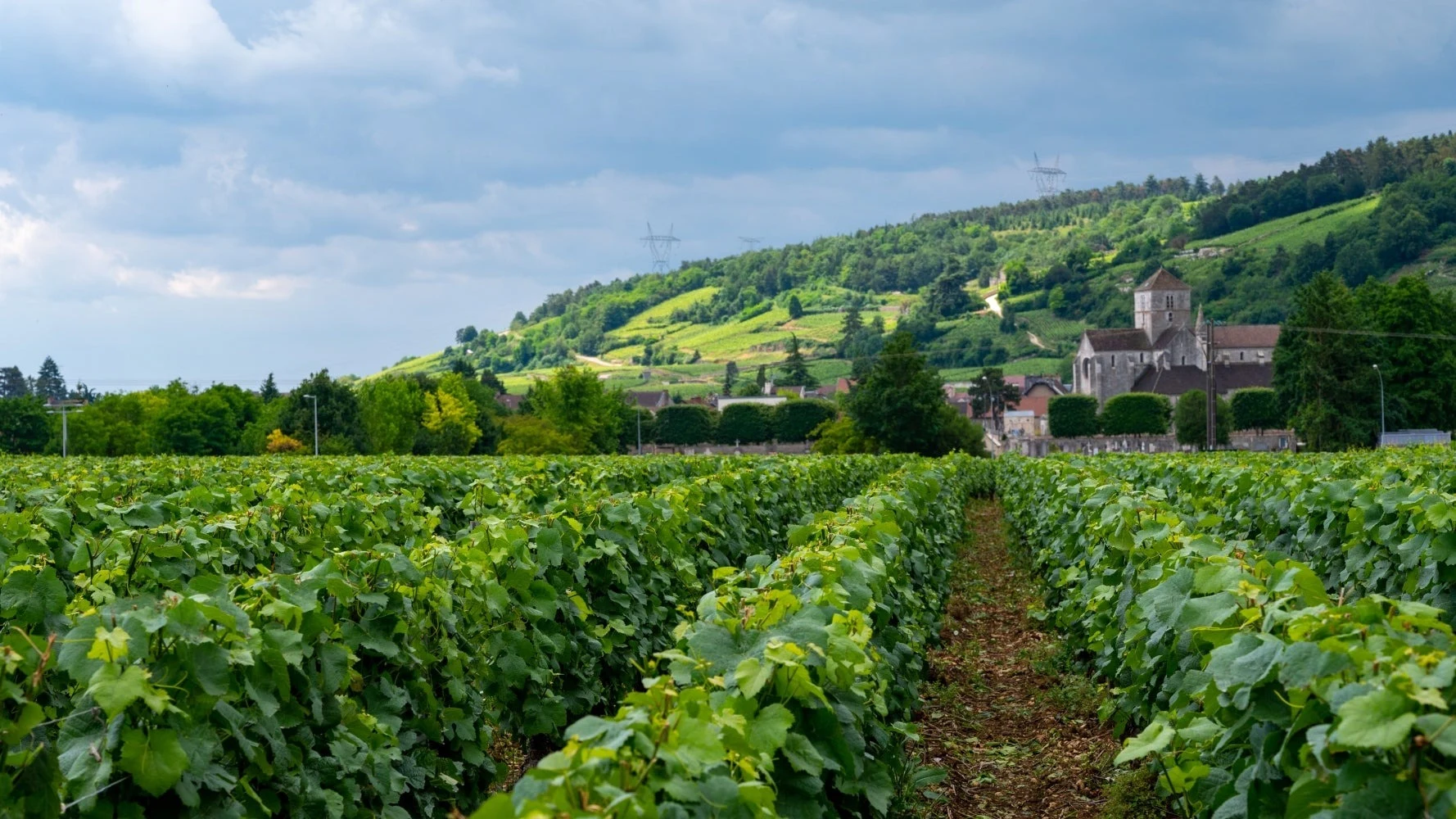
The estate farms about 8 hectares across roughly 60 parcels in Verzy Grand Cru, on chalk, clay-limestone, and flinty soils. Pinot Noir, Chardonnay, and Pinot Meunier remain central, but the vineyard also holds Arbanne, Petit Meslier, Pinot Gris, and other permitted Champagne varieties, a broader field of material than many cellars choose to keep alive. The farming is biodynamic and Demeter-certified, with organic practice, agroforestry, and animals folded into the vineyard work. More than 1,500 trees and shrubs have been planted among the parcels, and chickens and sheep move through the vines as part of the estate’s living system. In the cellar, the work follows the same refusal of cosmetic polish. Fermentations rely on indigenous yeasts, with oak barrels and small tanks both in use, and the wines are made with low intervention, low or no dosage depending on the cuvée, and long aging on lees. The named cuvées, L'Atavique, L'Angélique, L'Ascendant, L'Ineffable, and Les Fervins, give the program its clearest grammar.
The quiet pressure of the cellar
The cellar sits inside a small grower estate rather than a spectacle of Champagne. The pace is quiet, with the practical calm of a place organized around farming first: fruit from many small parcels, base wines kept distinct enough to matter, bottles resting through their lees aging until the blend can carry Verzy without adornment. In the tasting room, the atmosphere follows the same line. There is no need for gloss when the work depends on flint, chalk, late ripening exposures, and the pressure of a family name. The luxury here is time on the land, then time in bottle. Sébastien Mouzon-Leroux’s next statement is most legible in the estate’s own cuvées, especially L'Atavique and Les Fervins.
Questions
Frequently asked
Who makes the wines at Champagne Mouzon Leroux et fils?
Sébastien Mouzon-Leroux is the winemaker at Champagne Mouzon Leroux et fils in Verzy.
What kind of estate is it?
It is a family estate in Verzy Grand Cru on the Montagne de Reims, with roots reaching back to 1776 and wines bottled under the family’s own name.
How is the land farmed?
The estate farms about 8 hectares across roughly 60 parcels, and the work is biodynamic and Demeter-certified, with organic practice, agroforestry, chickens, and sheep all part of the vineyard system.
What grape varieties and cellar methods are used?
Pinot Noir, Chardonnay, and Pinot Meunier are central, alongside Arbanne, Petit Meslier, Pinot Gris, and other permitted Champagne varieties. In the cellar, fermentations rely on indigenous yeasts, oak barrels and small tanks are both used, and the wines are made with low intervention, low or no dosage depending on the cuvée, and long aging on lees.
Should reservations be made in advance?
Reservations are recommended.
The field
How it compares
| Place | Notes | Awards |
|---|---|---|
| Champagne Mouzon Leroux et fils | Verzy Grand Cru, Montagne de Reims, $$$ | · |
| Champagne Louis de Sacy | Verzy | · |
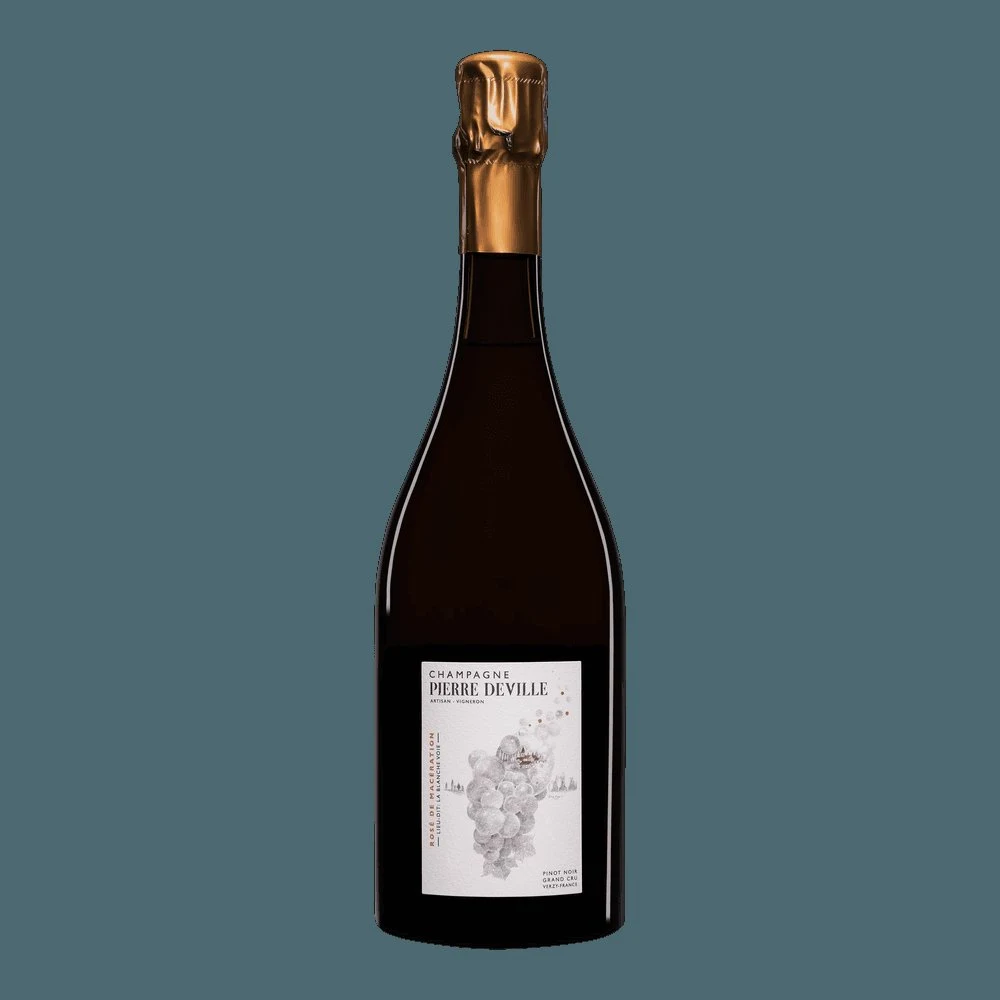
| Champagne Pierre Deville | Verzy | · |
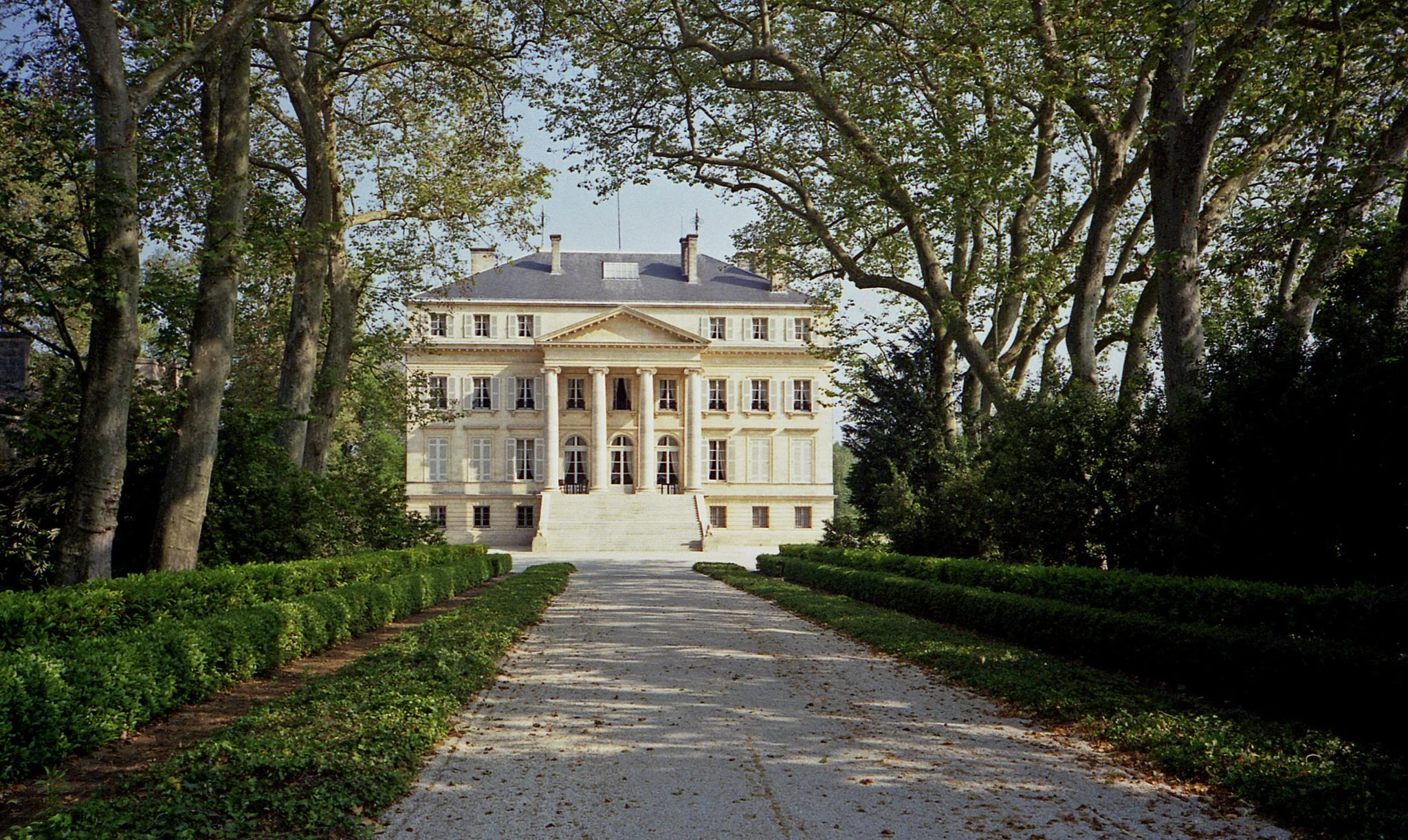
| Château Margaux | Margaux | World's 50 Best |
| Domaine Comte Georges de Vogüé | Chambolle-Musigny | · |
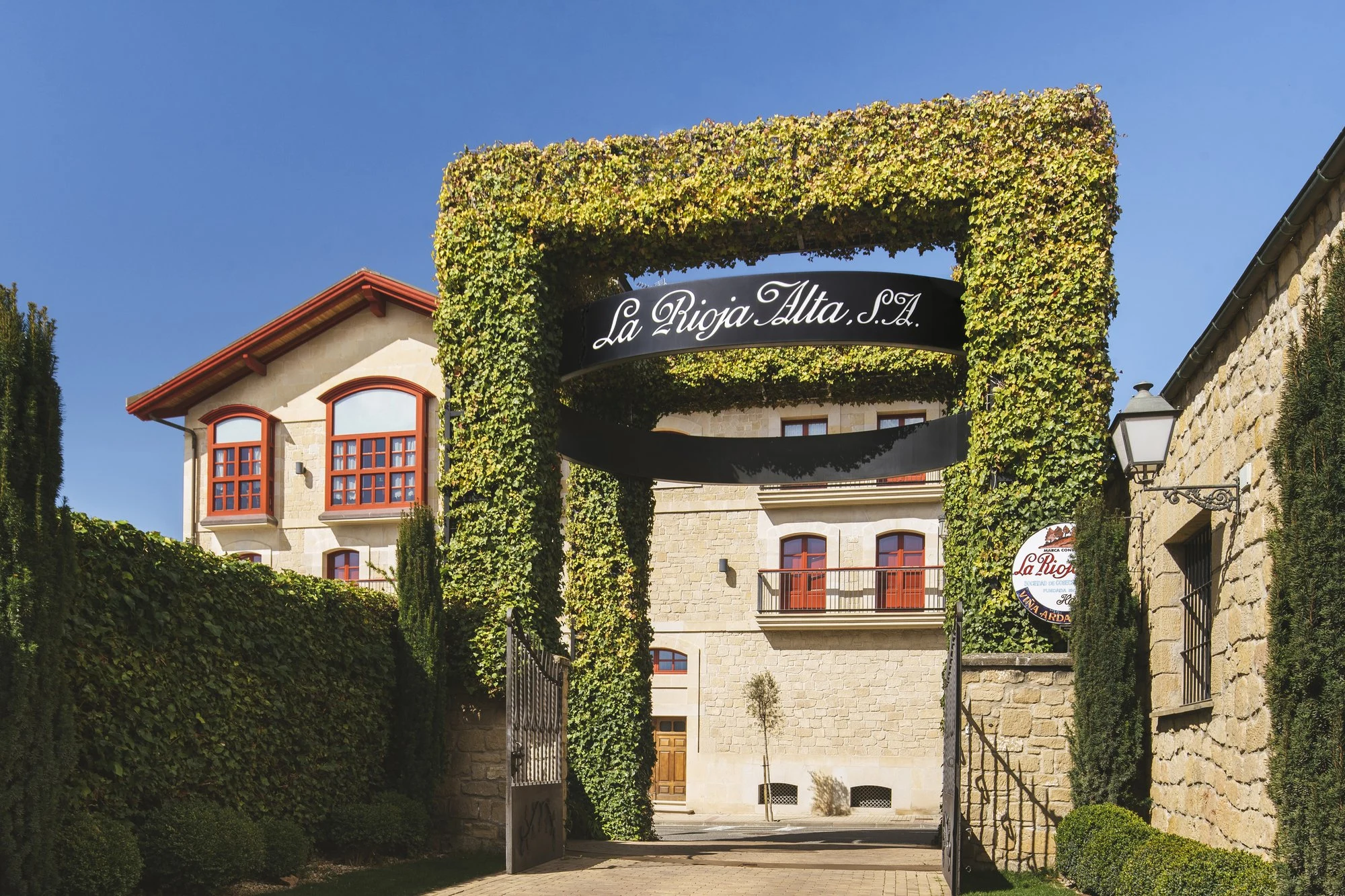
| La Rioja Alta | Haro | · |
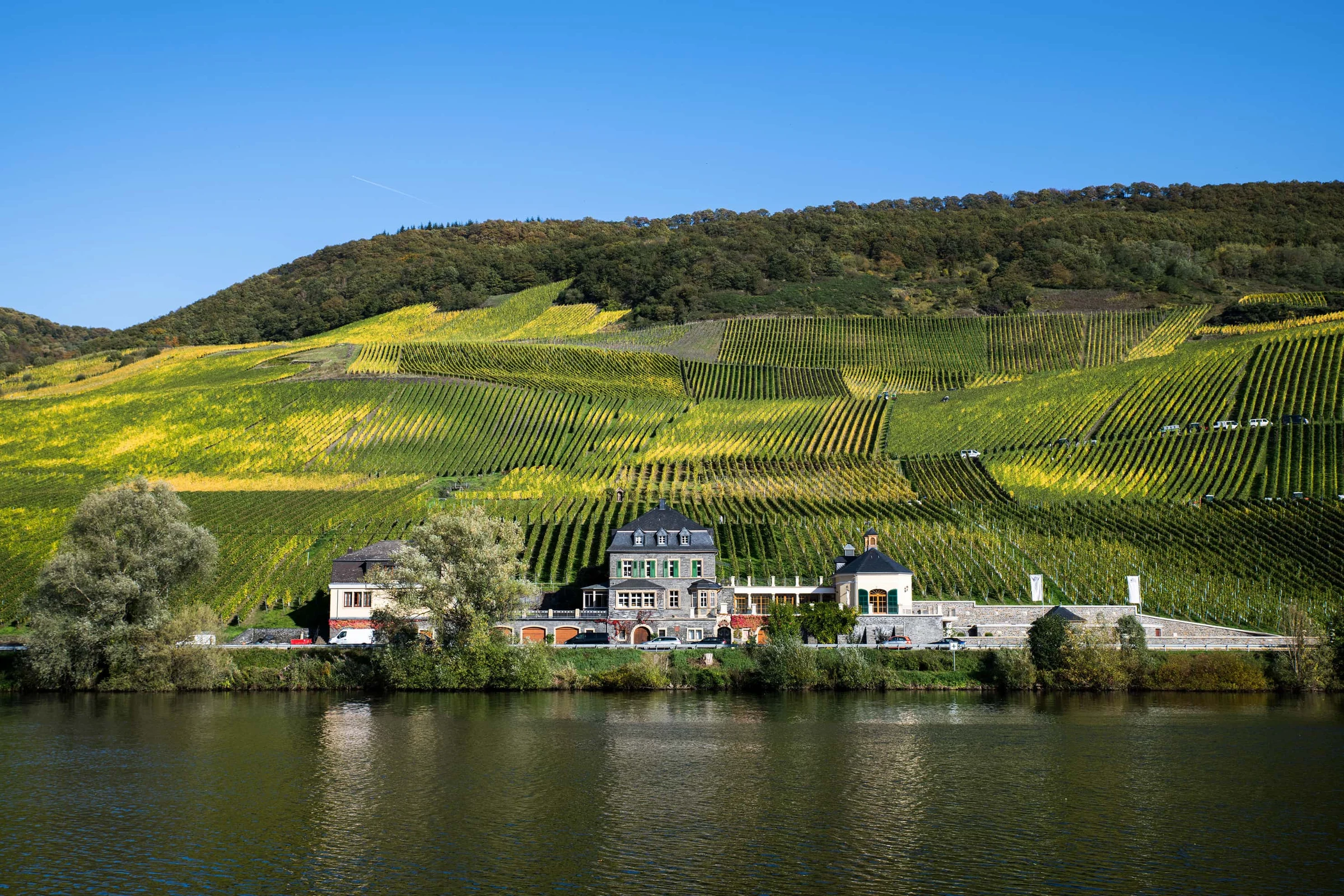
| Weingut Dr. Loosen | Bernkastel-Kues | World's 50 Best |