Made ByWinery

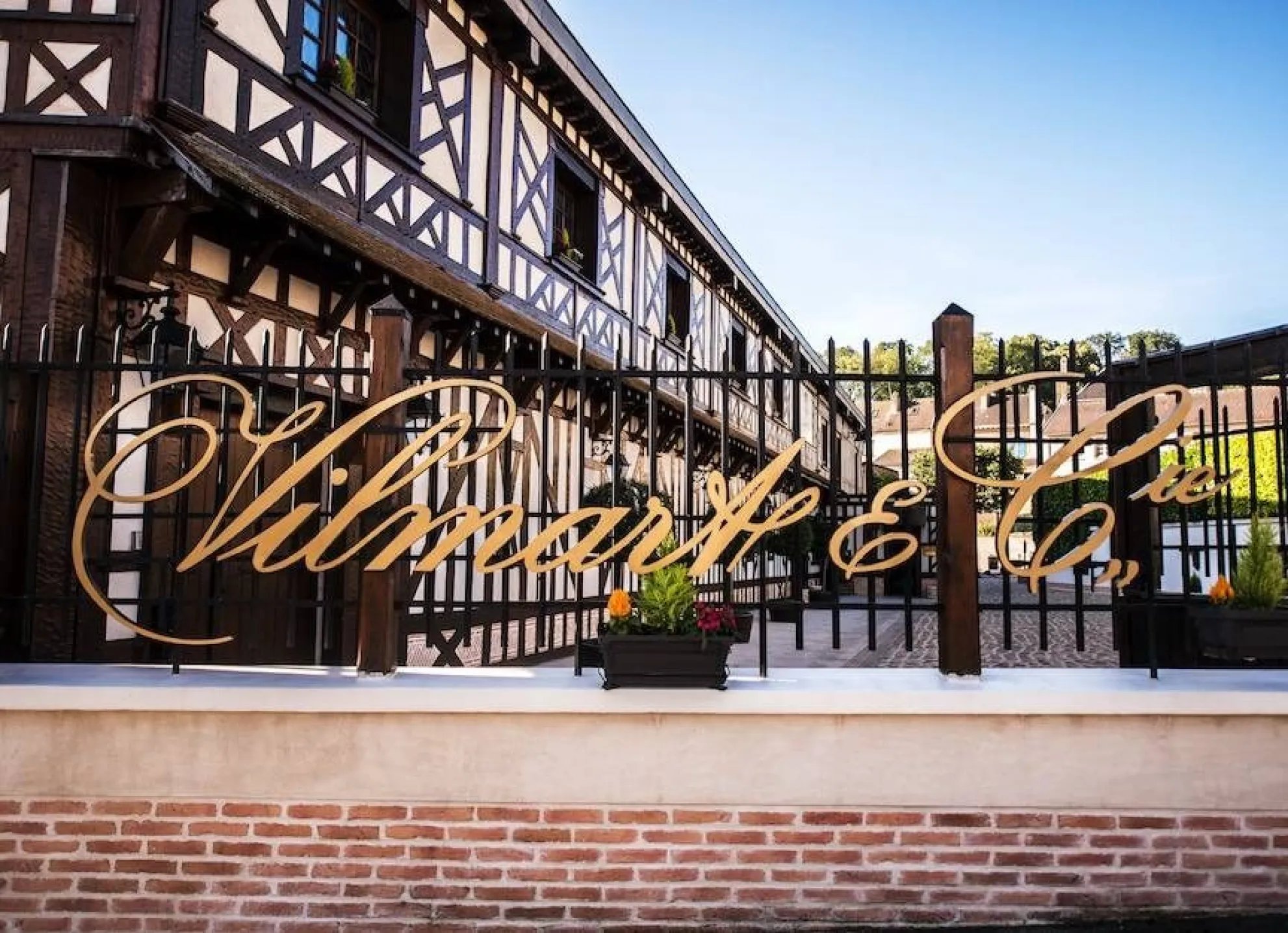
Laurent Champs, winemaker at Champagne Vilmart & Cie in Rilly-la-Montagne, guides estate fruit through oak fermentation with precision.
At a glance
- Price
- $$$
- Per person
- $55
- Neighborhood
- Rilly-la-Montagne
Patience in the wood cellar
Oak takes the first ferment here, not the finishing polish. Laurent Champs, winemaker at Champagne Vilmart & Cie in Rilly-la-Montagne, keeps that choice at the center of the house. Since 1989, he has worked the wines and overseen the family estate, holding a line that depends on restraint as much as intervention. His own sentence for the craft is plain: "My heart and mind are the soul of my wine." It suits a domaine where the cellar practice asks for patience, tasting, and the nerve to wait.
The lineage at Vilmart begins in 1890 with Désiré Vilmart. Charles followed him, then Renan, who rebuilt the estate buildings and installations after wartime destruction, working from the spared cellars that still anchor the house. René Champs, Renan's son-in-law, came to winegrowing from artisanal carpentry and learned the work beside his father-in-law. Laurent is the fifth generation to carry the domaine forward, with the four previous generations close enough to remain part of the method rather than an archive.
Eleven hectares, ten parcels, one cellar habit
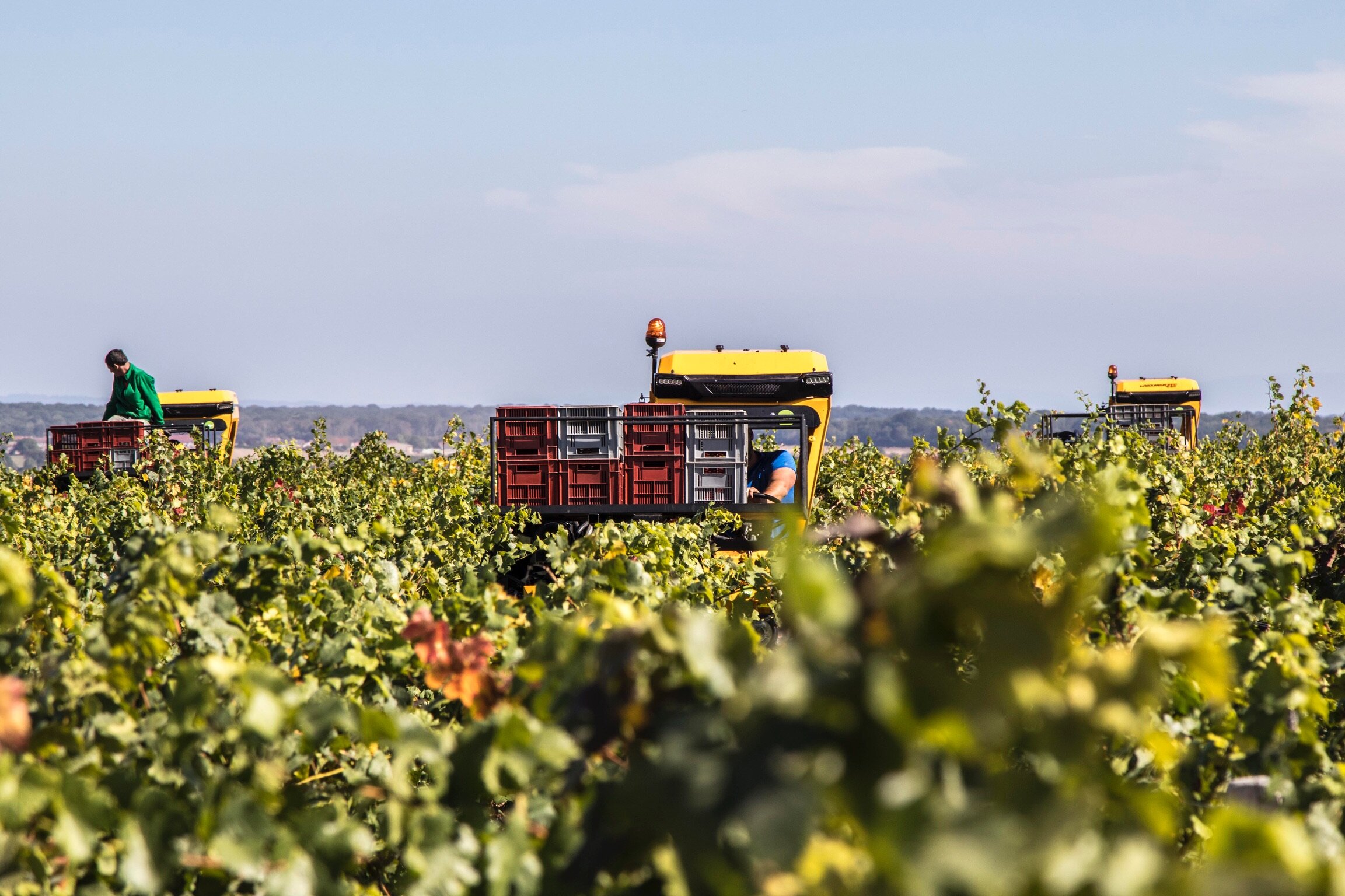
The estate farms 10 parcels over 11 hectares, mainly in the Montagne de Reims, with Premier Cru holdings in Rilly-la-Montagne and neighboring Villers-Allerand. The planted balance is 60% Chardonnay, 36% Pinot Noir, and 4% Meunier, all from estate vineyards. That scale matters because Vilmart works as a grower Champagne house, joining cultivation and cellar decisions under one roof rather than buying its identity from elsewhere.
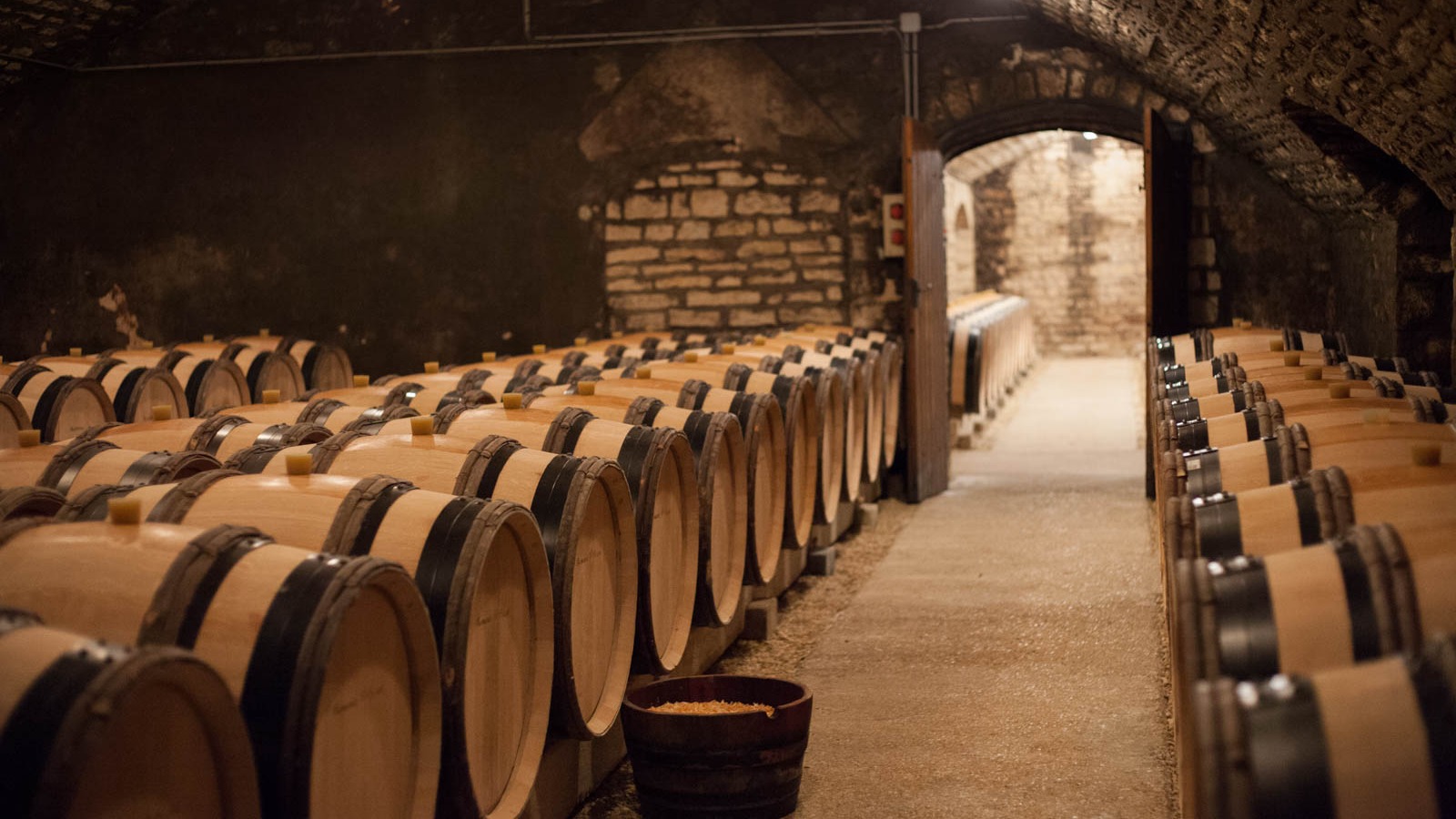
Fermentation happens entirely in oak barrels, a house choice that sets texture before dosage or label language can do the talking. The cellar also uses a traditional Cocquard vertical press, with a very slight sulfur dose at pressing to protect the fruit from excess oxidation. Parcels are vinified separately, giving Champs material that can be read before it is blended. The old-vine fruit is reserved for Coeur de Cuvée and Blanc de Blancs, while Grand Cellier, Rosé Emotion, and Grand Réserve Extra Brut mark the range of his signature work.
A quiet estate in a premier cru village
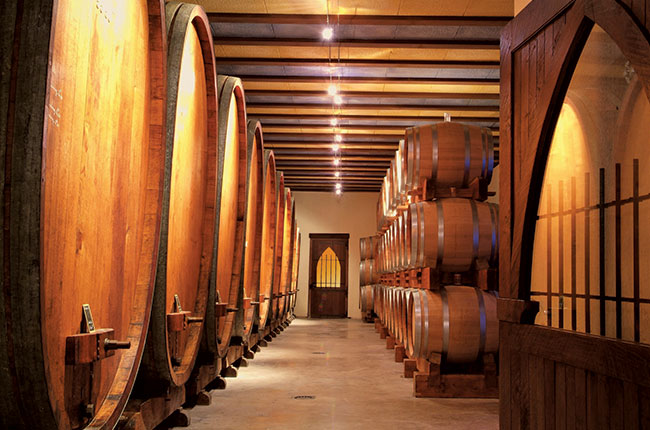
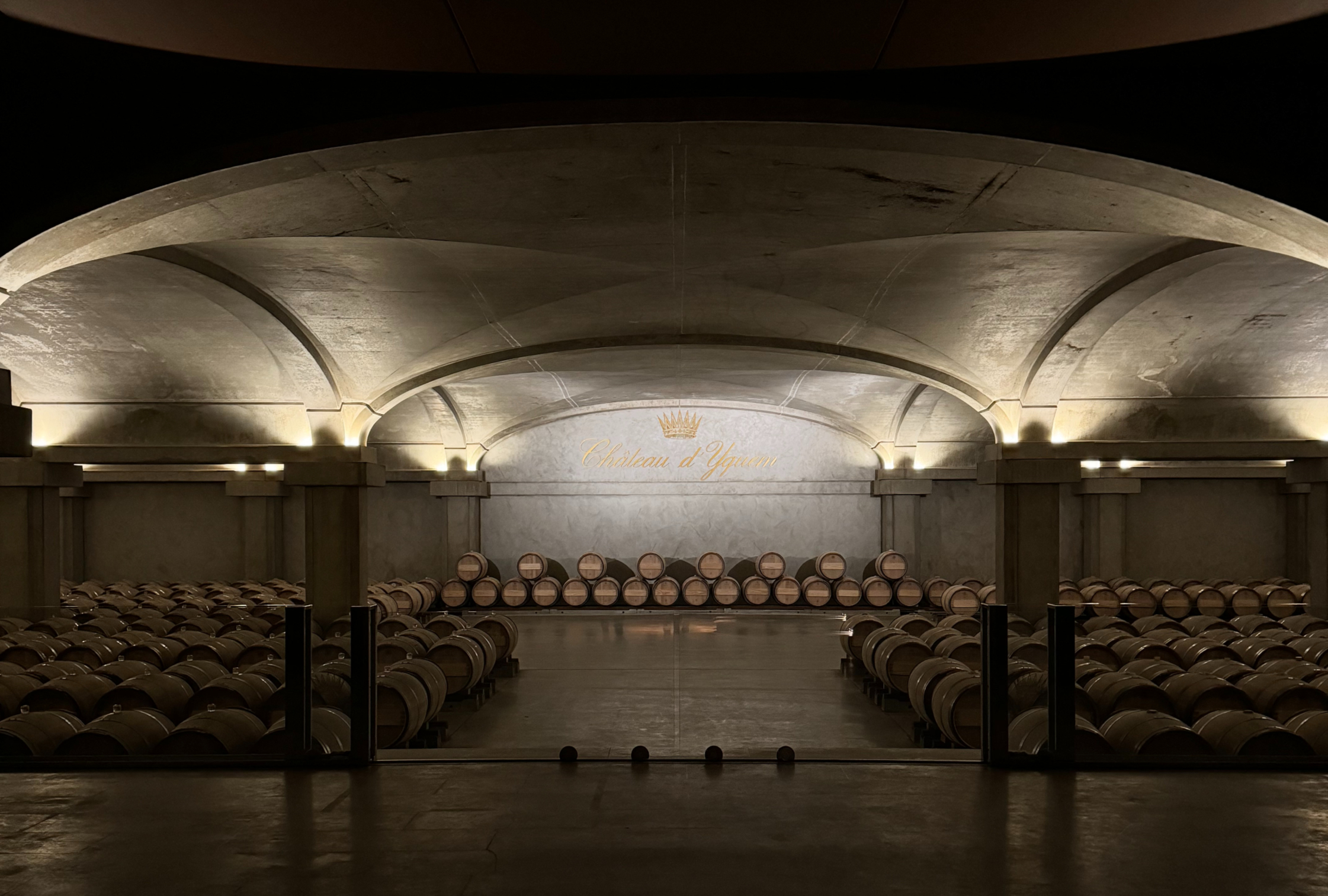
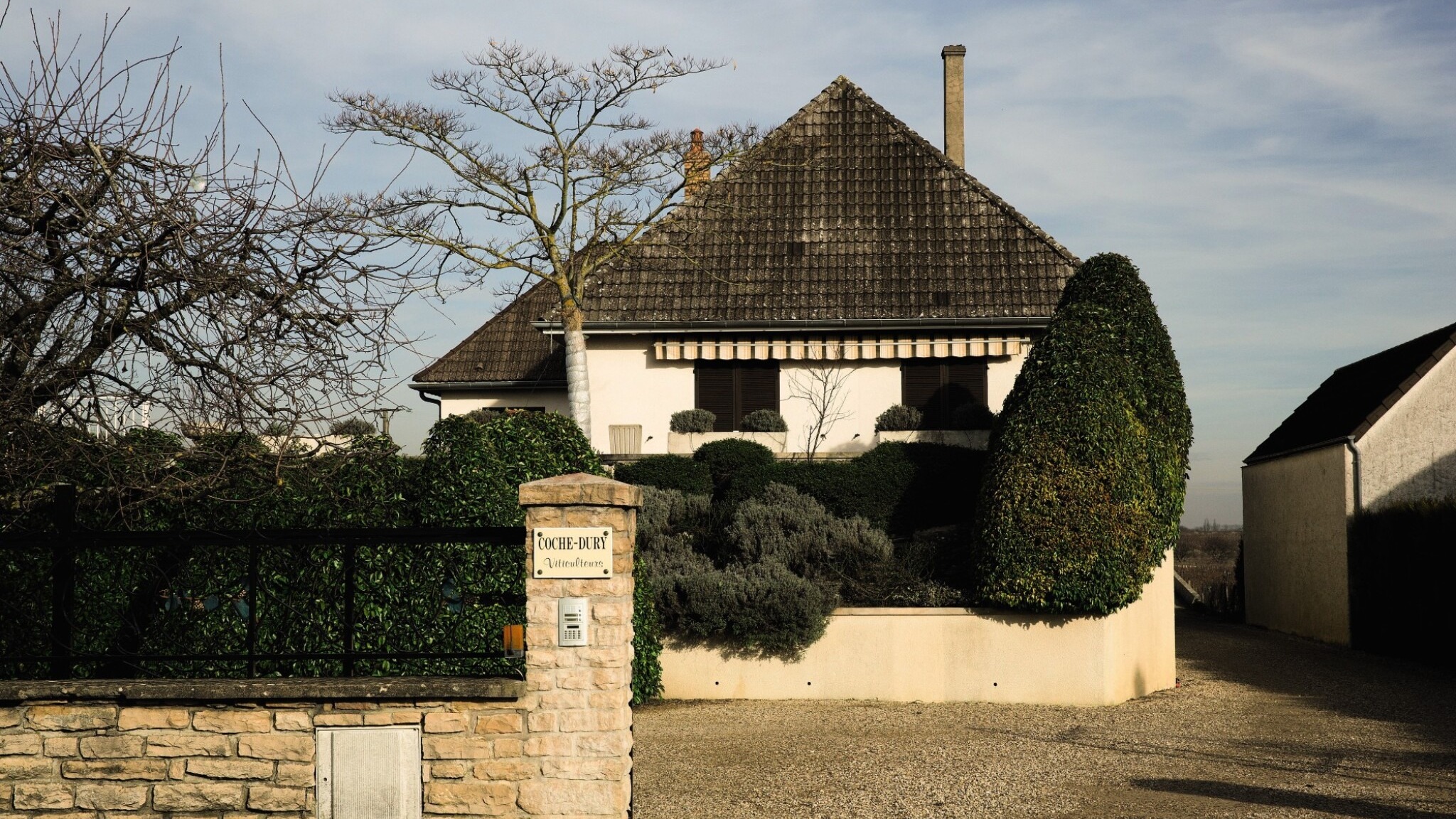
The estate sits in Rilly-la-Montagne with the feel of a family house before it feels like a destination. The cellar, the vineyard, and the tasting room keep the same scale: quiet, close to the work, more attentive to barrels and bottles than spectacle. In the barrel-lined cellars, wood is not decorative. It is the working environment, the vessel through which the wines begin to take their shape.
That atmosphere also explains the pace of a visit. The focus falls on cellar movement, on the difference between parcels, on how Chardonnay, Pinot Noir, and Meunier behave when the house refuses shortcuts. The village position matters without becoming scenery; Rilly-la-Montagne gives the wines their first grammar, and the cellar gives them their cadence.
The next bottle stays close to the bench
Vilmart produces about 8,500 cases annually, small enough that repetition still feels like handwork and large enough for house style to be tested each year. Grand Cellier carries the house habit in its name as much as in the glass.
Know before you go
- Reservations
- recommended
- Parking
- street
- Payment
- cash, credit_card, debit_card
- Groups
- Welcomed
Address
Rilly la Montagne, Grand Est, Frankreich
Rilly-la-Montagne