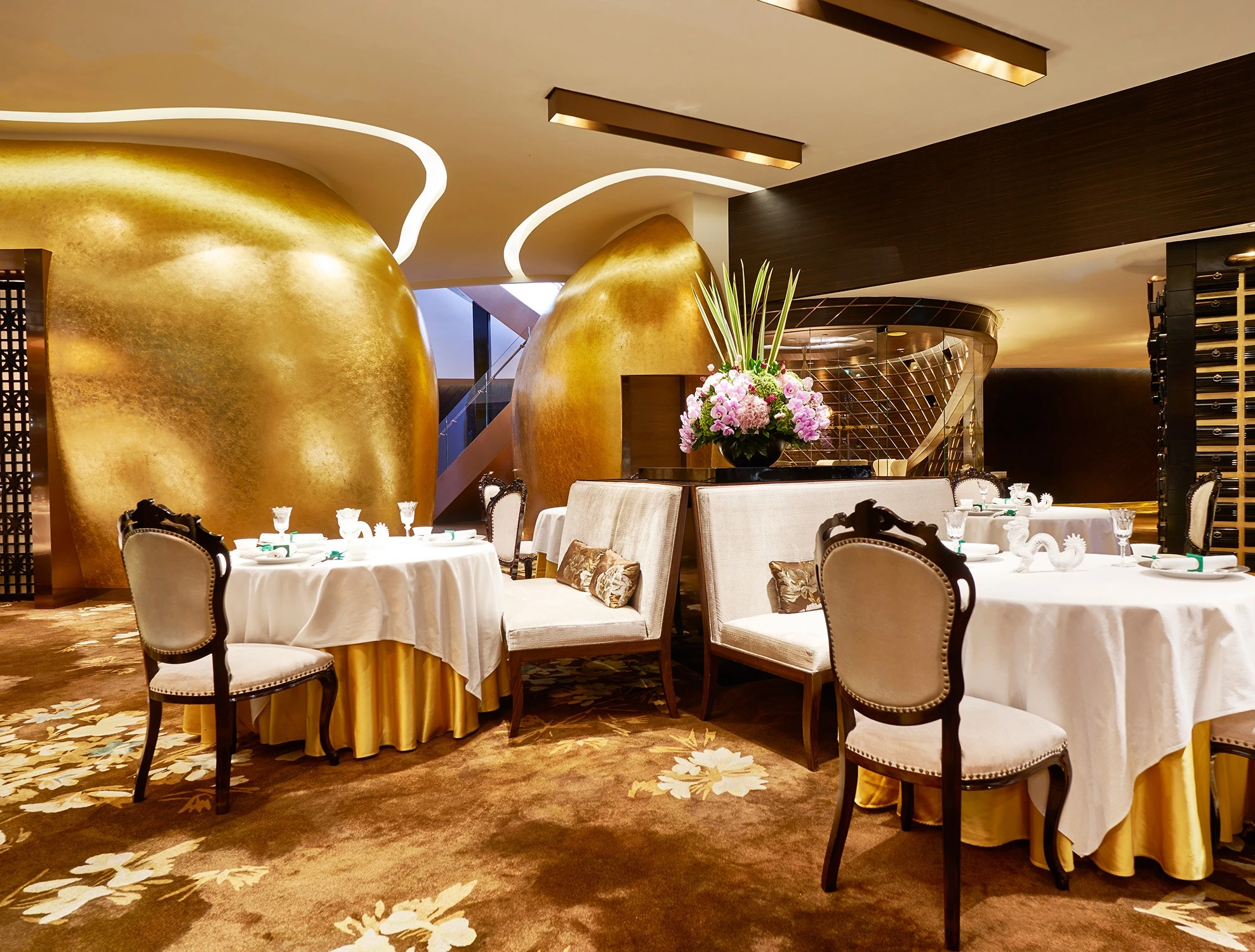
Char Fuego Y Brasas
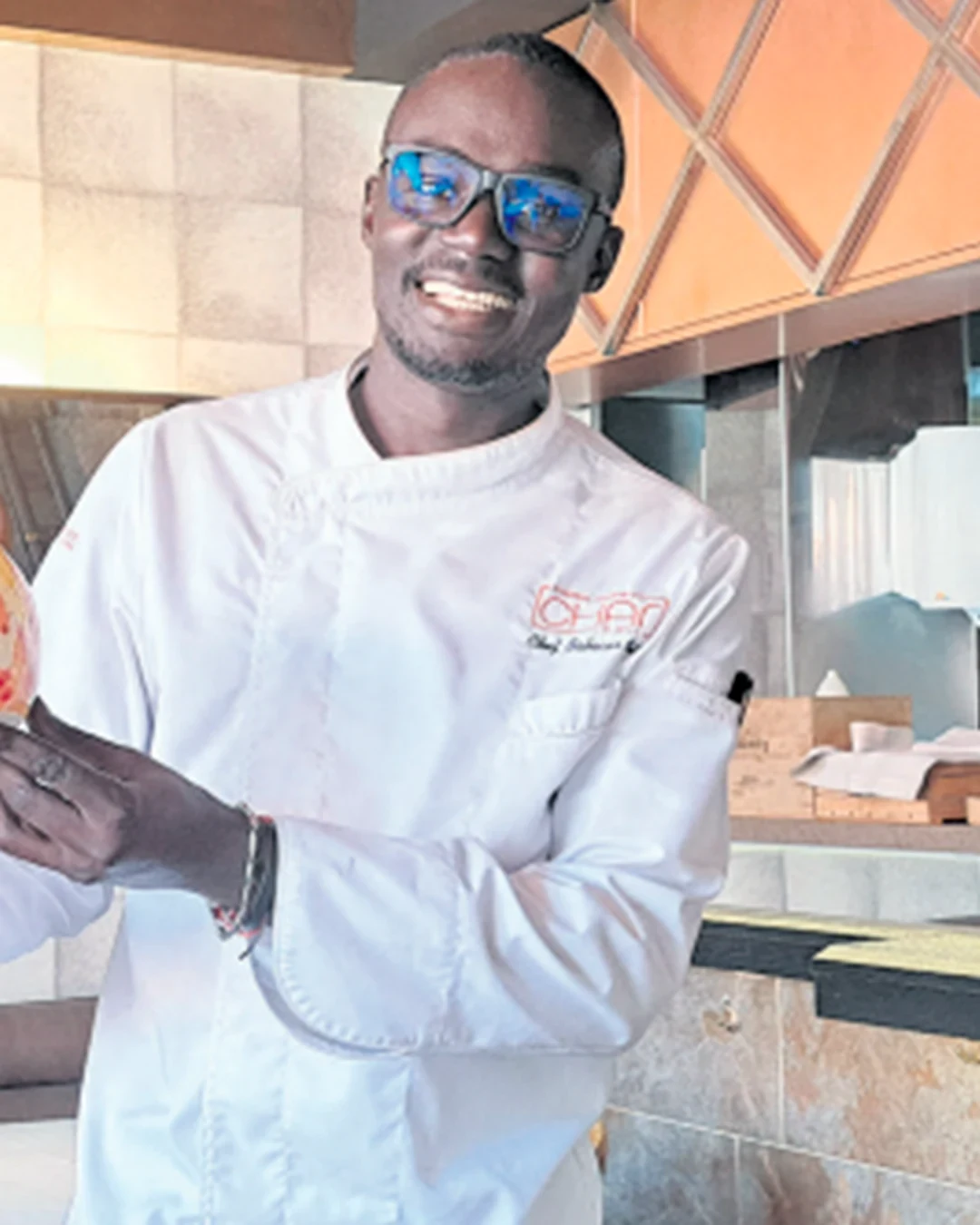
In Residence
Babacar Fall
Chef
- 01CuisineModern Spanish Steakhouse Grill
- 02CityTenerife, Spain
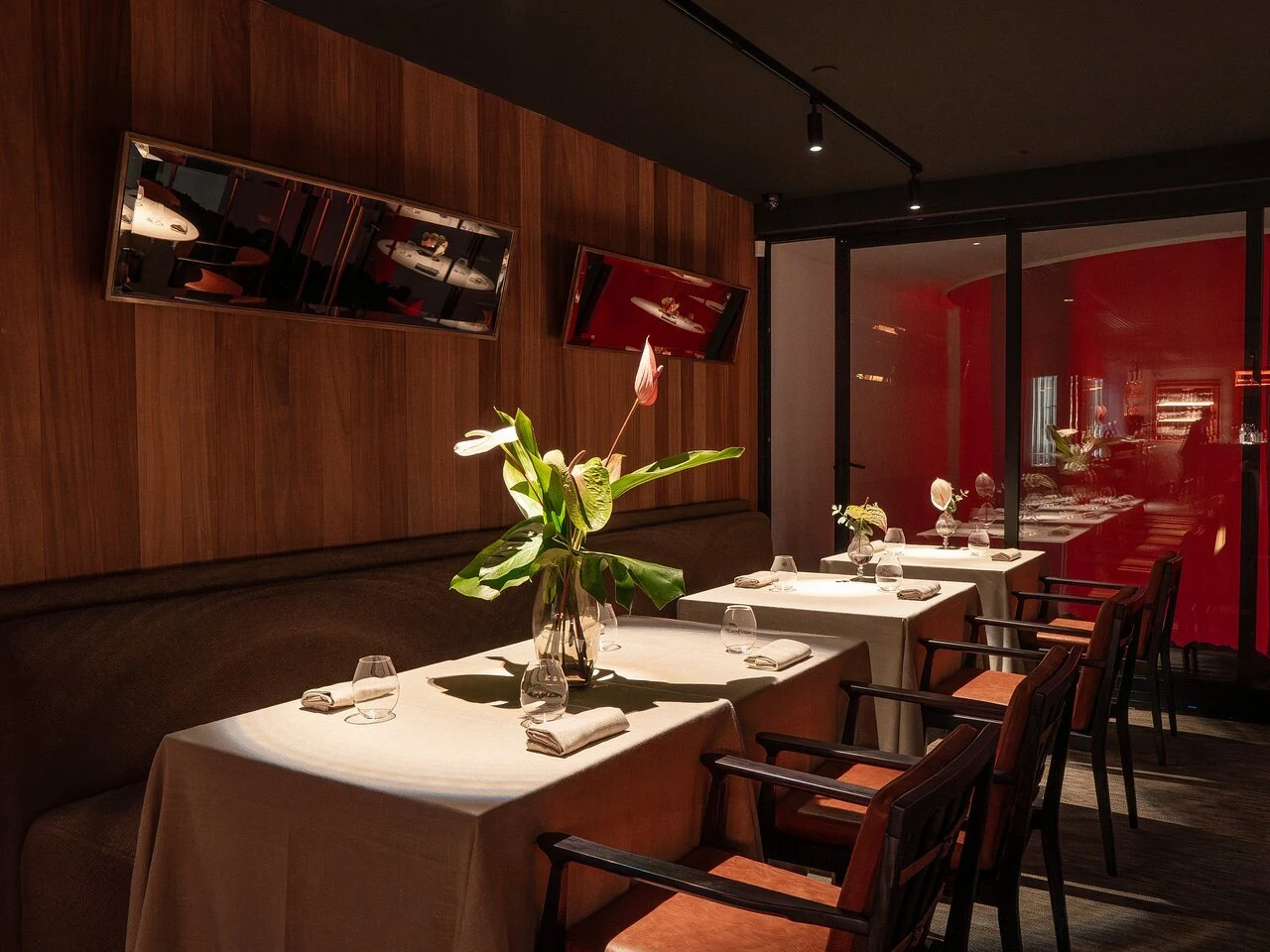
- Star Wine List · 2026
- Guía Repsol 1 Sol · 2026
- World Best Burgers World's 101 Best Burgers #67 · 2026
- World's Best Steaks 101 Best Steak Restaurants #46 · 2026
- World's Best Steaks 101 Best Steak Restaurants #61 · 2025
Fire as the Organizing Principle
Walk into Char Fuego Y Brasas and the kitchen announces itself before the menu does. The open-kitchen format, inside Baobab Suites on Costa Adeje’s Roques del Salmor, positions the live fire as the room’s visual anchor. Charcoal heat, the faint char of rendered fat, the rhythm of a grill station operating in full view: these are the sensory coordinates of a restaurant that has made combustion its explicit argument. That is a more specific commitment than it might sound. Char Fuego Y Brasas takes the opposite position, concentrating almost entirely on what fire does to premium Spanish beef.
Where Char Fuego Y Brasas Sits in the Spanish Grill Tradition
Spain’s premium grill culture is one of Europe’s most geographically specific. The txuleton tradition of the Basque Country, the suckling animals of Castile, the wood-fired asadors of Aragon: each regional school has its own fuel source, cut preference, and temperature logic. The high end of this tradition has drawn international attention in recent years, partly because it operates at a remove from the tasting-menu format that dominates coverage of Spanish fine dining. Venues like Arzak in San Sebastián, Azurmendi in Larrabetzu, and Martin Berasategui in Lasarte-Oria represent the creative and tasting-menu tier of Basque cooking, while serious asadors occupy a parallel track that prizes product and fire management over technique theatrics. Char Fuego Y Brasas draws on the latter tradition. The restaurant sources from Galicia, the Basque Country, and Teruel, the three Spanish regions that consistently produce the country’s most sought-after beef, and it works those cuts through Basque-style grills, charcoal ovens, and cast-iron pans rather than any single orthodox method.
The decision to work across three cooking surfaces rather than commit to one is worth noting. Basque asadors have historically been defined by a single wood-fired grill and a refusal to complicate the process. Using charcoal ovens and cast-iron alongside the open grill suggests a different ambition: extracting distinct results from each cut depending on thickness, fat distribution, and the temperature gradient required. That approach places Char Fuego Y Brasas closer to the technique-conscious end of the Spanish grill spectrum than to the austere asador tradition.
Chef Babacar Fall and the Logic of the Menu
Spanish fire cooking has historically been a regionalist discipline, shaped by geography and inherited practice rather than individual chefs moving across culinary traditions. Chef Babacar Fall represents a different formation. His presence at a Canary Islands hotel restaurant is itself a product of how Spanish hospitality has internationalised over the past two decades, drawing talent from outside the peninsula’s traditional culinary circuits. What the menu reflects is a focus on Spanish primary product, specifically dry-aged beef, interpreted through a range of fire techniques rather than a single regional grammar.
The dry-aging program draws on both Spanish and Japanese methodology, an approach that has become more common at serious European meat restaurants as the Japanese kakuni and long-aging techniques have influenced how chefs across the continent think about texture and umami concentration in beef. Combining Spanish sourcing with Japanese aging logic is not unusual at the upper end of the current European grill market, but it does position Char Fuego Y Brasas in a more internationally aware tier than a conventional Basque asador.
The Steak Tartare “Char”, prepared with Luismi beef and finished with pickled vegetables and marrow emulsion, demonstrates how the kitchen uses its premium product beyond the grill: the raw preparation is a direct test of the beef’s quality, with nowhere for fat marbling or aged depth to hide. Luismi beef carries a specific reputation within Spanish meat culture, associated with extended aging and a fat profile that holds up under high heat without rendering too quickly. The grilled octopus on the menu indicates the kitchen is not locked into a single-protein format, though the operational focus is clearly on red meat.
The Wine Program and What Star Wine List Recognition Means
Char Fuego Y Brasas was published on Star Wine List in November 2025 and carries a White Star designation. Star Wine List’s White Star tier indicates a wine program that the platform’s reviewers consider worth seeking out: not the full Gold or top-tier designation, but a meaningful signal that the list has been assembled with intention rather than defaulting to a hotel-standard selection. For a fire-focused meat restaurant, that matters. The Spanish grill tradition is accompanied by specific wine logic: old-vine Rioja, structured Ribera del Duero, and the more tannic expressions of Bierzo and Priorat tend to dominate serious lists at this kind of restaurant. A wine program strong enough to earn external recognition suggests the pairing side of the meal has been treated with the same deliberateness as the sourcing and cooking.
Spain’s serious wine production extends well beyond the mainland, and Tenerife itself is a wine region of growing credibility, particularly for Listan Negro and age-worthy whites from the volcanic soils of the north. Whether the list engages with Canarian production alongside mainland references would say something meaningful about the restaurant’s commitment to its location. For wine-focused readers exploring the island’s drinking culture, our full Tenerife wineries guide maps that terrain in detail.
Costa Adeje and the Restaurant’s Position on the Island
Costa Adeje sits in the southwest of Tenerife, in the municipality of Adeje, and is the island’s primary hub for upscale resort hotels. The area’s restaurant scene has historically skewed toward international formats and resort-buffet scale, which makes Char Fuego Y Brasas’s product-specific positioning more conspicuous. Hotel restaurants in this part of Tenerife tend to operate as amenities; a restaurant with external wine recognition and a documented sourcing program from named Spanish beef regions is operating on a different logic.
The broader Spanish fine dining conversation runs through venues like El Celler de Can Roca in Girona, DiverXO in Madrid, Mugaritz in Errenteria, Quique Dacosta in Dénia, Cocina Hermanos Torres in Barcelona, Ricard Camarena in València, Atrio in Cáceres, and Aponiente in El Puerto de Santa María. For international reference points at the premium end of fire and product-focused cooking, Le Bernardin in New York City and Atomix in New York City show how product-first kitchens operate at a comparable level in a different culinary register.
Planning Your Visit
Char Fuego Y Brasas is located within Baobab Suites at Calle Roques del Salmor 6, Costa Adeje. Booking ahead is advisable, particularly for the open-kitchen-facing seats that give the leading sightline to the grill station.
Questions
Frequently asked
Who works at Char Fuego Y Brasas?
Made By profiles Babacar Fall (Chef) at Char Fuego Y Brasas.
How expensive is Char Fuego Y Brasas?
Char Fuego Y Brasas is listed at a price level of $$$.
Where is Char Fuego Y Brasas and what does it serve?
Char Fuego Y Brasas is in Costa Adeje, Tenerife, serving Modern Spanish Steakhouse Grill.
The field
How it compares
| Place | Cuisine | Notes | Awards |
|---|---|---|---|
| Char Fuego Y Brasas | Modern Spanish Steakhouse Grill | Costa Adeje, $$$ | · |
| Arca | Modern Yucatan Fire-Cooked Small Plates | Tulum | World's 50 Best |
| Atrio | Modern Spanish Fine Dining with Iberian Pork Focus | Cáceres | Michelin 3 Stars |
| Eleven Madison Park | Contemporary Plant-Based Fine Dining | New York City | Michelin 3 Stars, World's 50 Best |
| Hiša Franko | Modern Slovenian Fine Dining | Kobarid | Michelin 3 Stars, World's 50 Best |
| Jade Dragon | Three Michelin-Star Cantonese Fine Dining | Macau | Michelin 3 Stars, World's 50 Best |
| Myojaku | Modern Minimalist Kaiseki | Tokyo | Michelin 3 Stars, World's 50 Best |
In residence
Similar places
Modern Yucatan Fire-Cooked Small Plates
Arca
Tulum, Mexico
50 Best
Modern Spanish Fine Dining with Iberian Pork Focus
Atrio
Cáceres, Spain
★★★
Contemporary Plant-Based Fine Dining
Eleven Madison Park
New York City, United States
★★★ · 50 Best
Modern Slovenian Fine Dining
Hiša Franko
Kobarid, Slovenia
★★★ · 50 Best
Three Michelin-Star Cantonese Fine Dining
Jade Dragon
Macau, Macau
★★★ · 50 Best
Modern Minimalist Kaiseki
Myojaku
Tokyo, Japan
★★★ · 50 Best